


French Jewellery Table
When you search for a french jewellery table, you are looking at glazed display vitrines and fitted boxes designed to hold precious ornaments.
French Jewellery Table
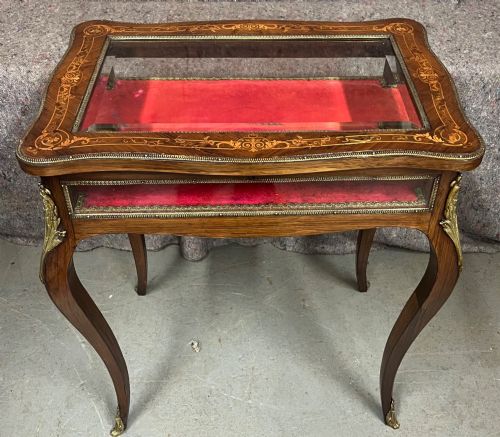
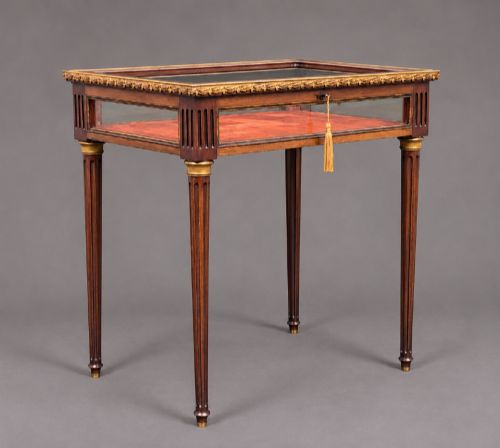
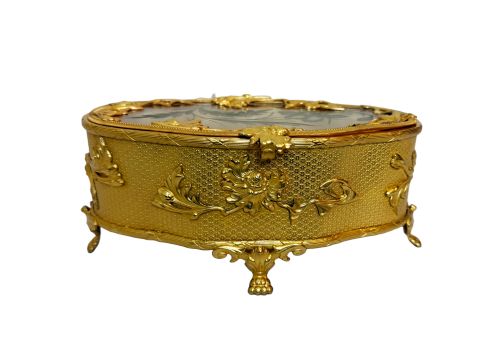
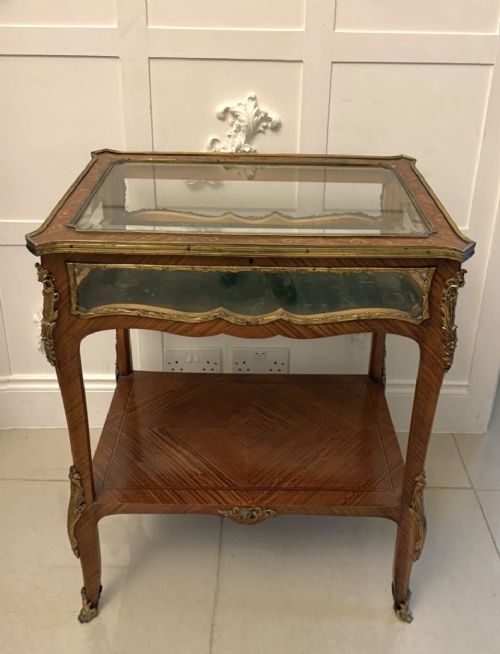
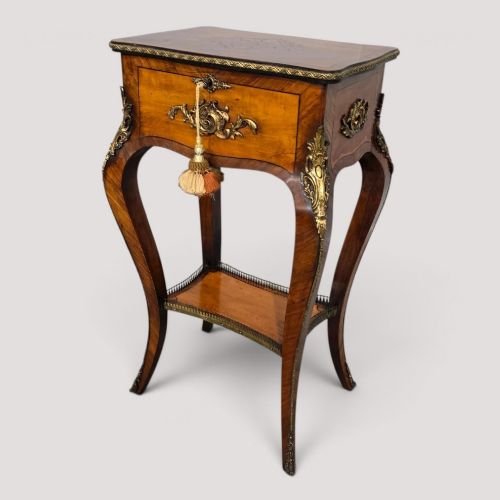
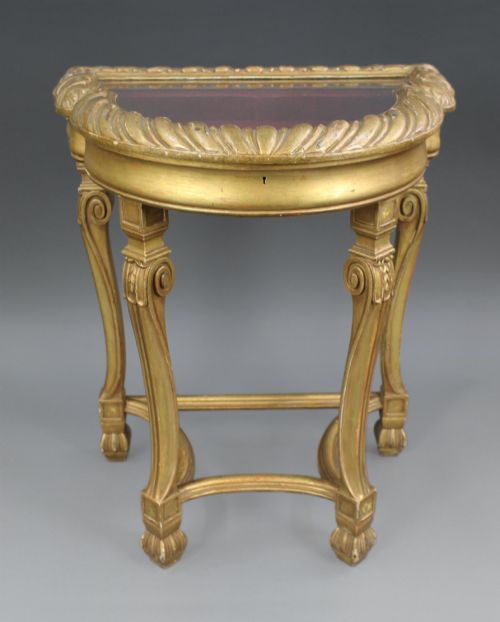
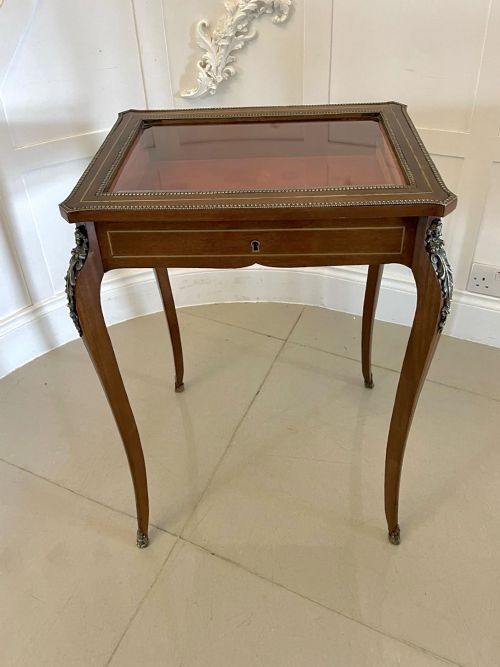
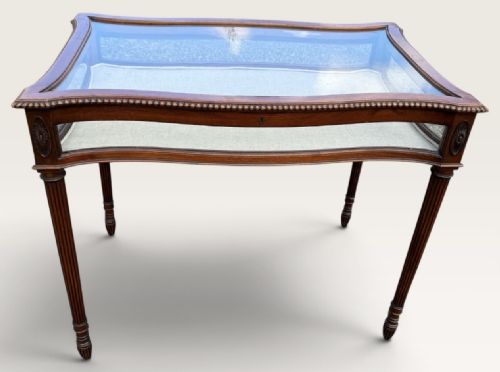
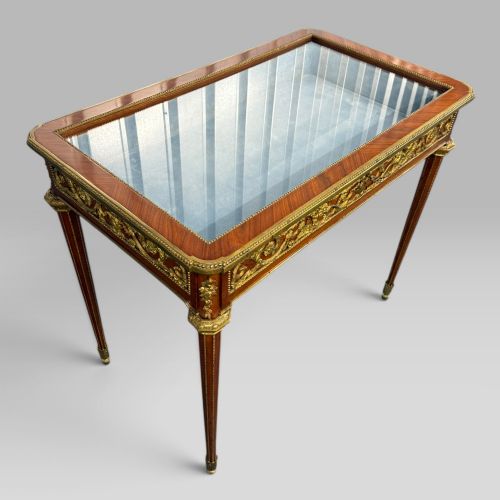
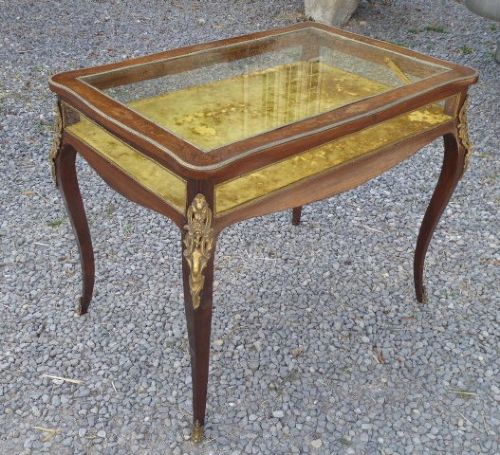
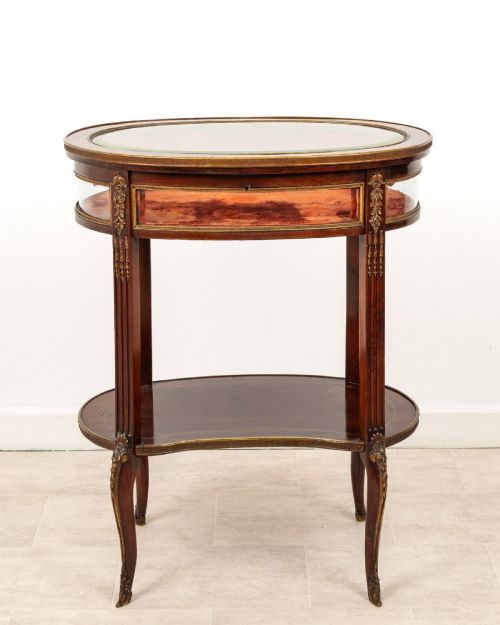
A french jewellery table encompasses a range of specialised display pieces, most frequently encountered here as freestanding bijouterie tables, glazed vitrines, and tabletop boxes dating from the nineteenth century into the twentieth.
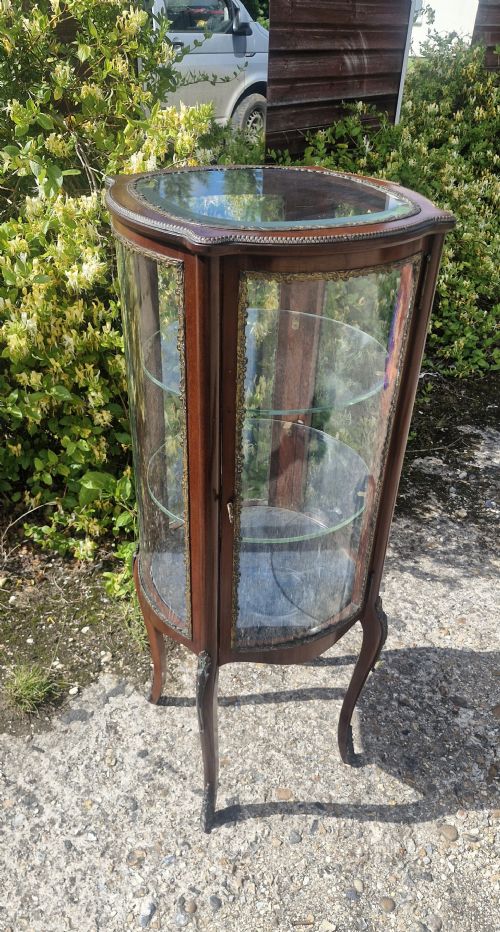
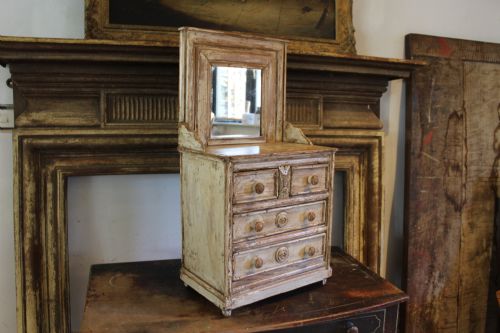
The selection includes serpentine-shaped vitrines, occasional tables with glass tops, miniature commodes, and marquetry cabinets spanning Victorian, Edwardian, and earlier revival periods.
These items originate from varied workshops across the nineteenth century, including pieces referencing Louis XV and Louis XVI styles alongside later Art Nouveau and Art Deco designs.
Materials and Construction
Carpenters utilised solid and veneered timbers such as mahogany, kingwood, rosewood, walnut, and satinwood, frequently incorporating decorative marquetry and brass inlay.
Glass panels form the viewing areas of the display tables and cabinets, whilst gilt bronze and ormolu mounts provide structural definition and decorative accents to the frames.
French Jewellery Table Retail Price Guide 2026
Typical asking prices for french jewellery table among the pieces listed under this phrase on Sellingantiques today, from the lower quarter to the upper quarter. They describe what is for sale here now, not the wider market.
Craftsmanship and Detail
The distinction between standard and exceptional pieces rests upon the precision of the cabinetmaking, particularly in the fit of glazed lids and the execution of wood marquetry.
The weight and chasing of the ormolu or gilt-bronze mounts determine the overall refinement of the piece, separating mass-produced items from finely cast examples.
François Linke·Lalique
The French Jewellery Table Glossary
- Bijouterie table
- A glass-topped display table specifically designed for showing small valuable items and trinkets.
- Ormolu
- Gilded bronze used for decorative mounts and furniture trim during the eighteenth and nineteenth centuries.
- Vitrine
- A glass display cabinet or case designed to protect and exhibit objects.
- Marquetry
- Decorative woodwork where pieces of veneer are fitted into a ground to form geometric or floral patterns.
- Kingwood
- A dense, richly figured timber utilised for high-quality nineteenth-century cabinet veneers.
French Jewellery Table: Frequently Asked Questions
What is a french jewellery table used for?
These tables served primarily to display delicate personal possessions, rings, and decorative trinkets beneath a secure glass panel.
They allowed owners to exhibit their collections of small valuables in drawing rooms and boudoirs.
How do I date a bijouterie table?
Dating relies upon timber selection, construction methods, and the style of the metal mounts.
Victorian and Edwardian examples often feature machine-sawn elements and specific revival motifs characteristic of the nineteenth century.
Are these tables suitable for everyday use?
Most examples function well as occasional tables or display surfaces in modern living spaces.
Care should be taken to protect the polished wood surfaces and delicate glass panels from heavy impacts.
What timber was used for these tables?
Cabinetmakers utilised a variety of hardwoods including mahogany, rosewood, walnut, kingwood, and satinwood.
These timbers were often applied as veneers over a secondary wood base and enhanced with marquetry.