




French Impressionist Landscape Oil
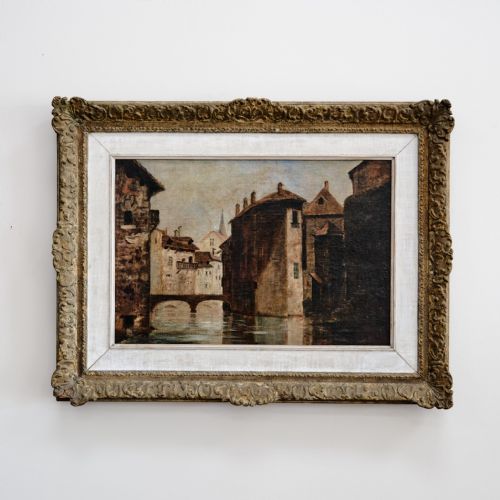
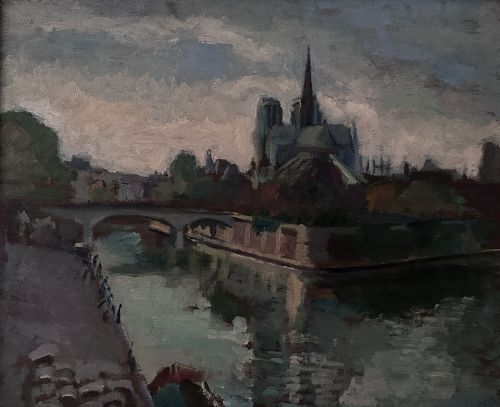
A french impressionist landscape oil captures light and atmosphere across canvas or wood panel, bringing nineteenth- and twentieth-century French provincial and city scenes into domestic spaces.
French Impressionist Landscape Oil
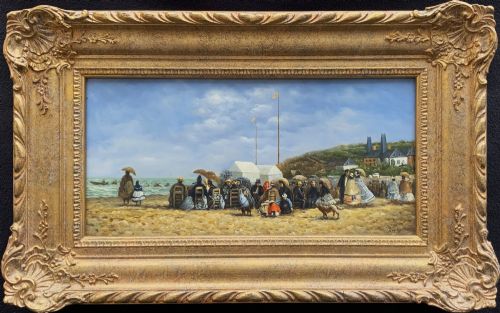
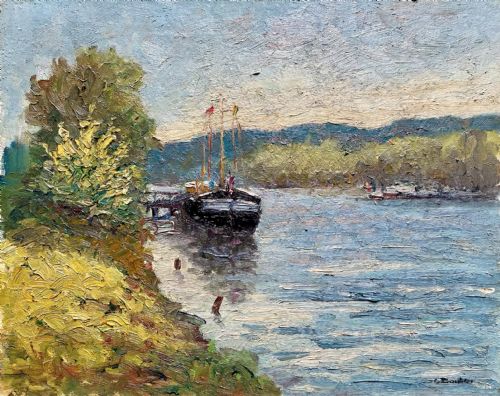
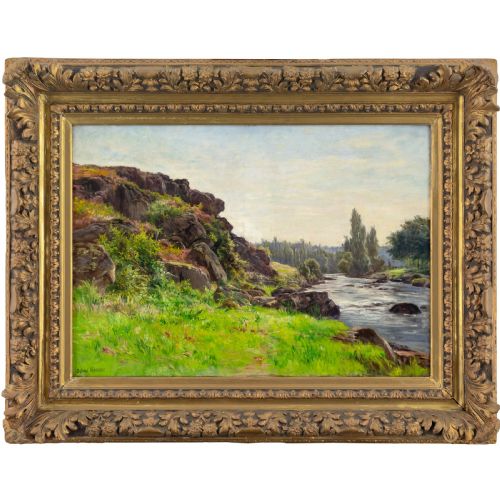
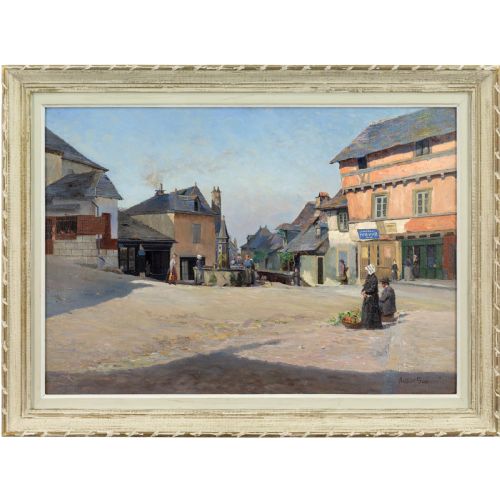
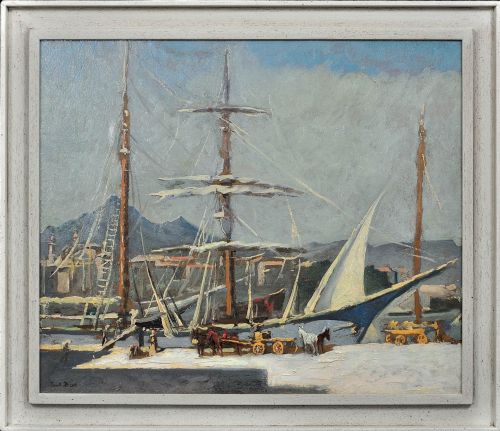
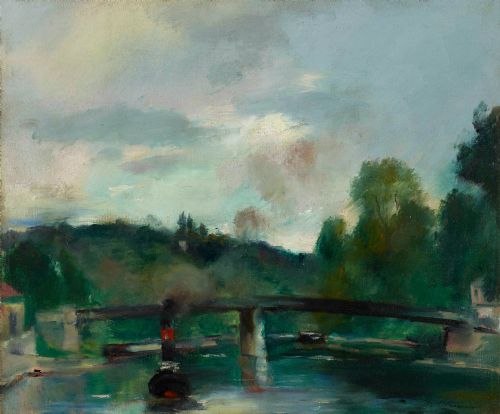
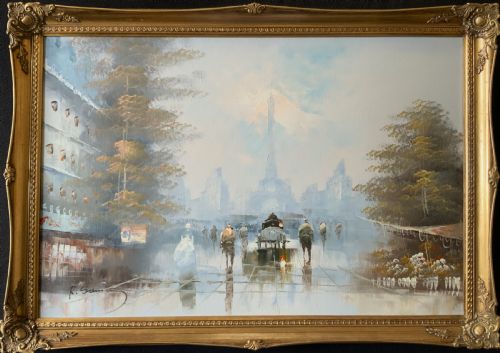
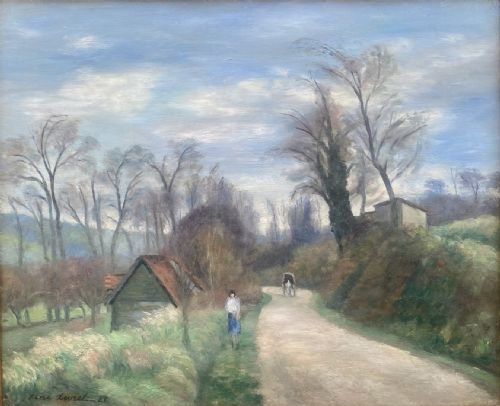
A french impressionist landscape oil typically depicts riverbanks, coastal harbours, and urban street scenes originating from France, produced during the nineteenth and twentieth centuries.
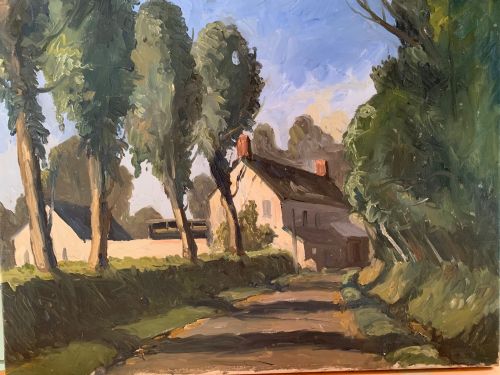
Compositions range from intimate plein air sketches of Normandy rivers and Provençal olive groves to large cityscapes of Paris and coastal views of Brittany.
How they were made
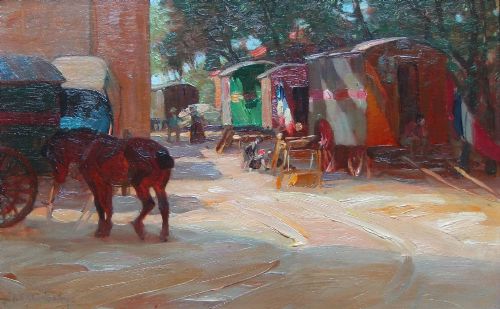
Artists applied oil paint using loose, visible brushwork and layered impasto directly onto prepared canvas or wood panels to capture changing atmospheric effects.
Many surviving works retain their original gesso or gilt wood frames, sometimes incorporating gold leaf detailing that complements the composition.
Listings feature works spanning the nineteenth century through the 1960s, executed on canvas, wood panel, and board using oil paint.
What varies in quality
The strength of a french impressionist landscape oil rests in its handling of light, brushstroke confidence, and compositional balance rather than strict academic precision.
Pieces executed outdoors on location often display a directness and vitality that distinguishes them from later studio reproductions or uninspired decorative copies.
Gabriel Mathieu·Arthur Gué·Paul Bret·Henri Ottmann·Rene Levrel·Erich Mercker·Paul Désiré Trouillebert·Paul Ehrenberg·Paul-Élie Gernez·Caroline Burnett·Honore Cavaroc·Charles Clair·Henri Jaques Delpy·Paul-Jean Anderbouhr·Raymond Moritz·Louis Suire·Gustave Vidal·Jean-Baptiste Olive·Raymond Picque·Raimond Louis Lecourt·Fred Pailhes·André Prévot-Valéri·Gabriel Dauchot·Mario Pinetti·Ron Folland
The French Impressionist Landscape Oil Glossary
- Plein air
- Painting outdoors directly from nature to capture transient effects of light and weather. This practice was central to the development of impressionism.
- Impasto
- Thick application of paint that stands out from the surface, creating tangible texture and catching real light. It gives a canvas physical depth.
- Gesso
- A primer mixture consisting of a binder mixed with chalk, gypsum, or pigment, applied to canvas or wood panels before painting. It creates a stable, smooth working surface.
- Barbizon School
- A mid-nineteenth-century French art movement towards realism in landscape painting, named after the village near the Fontainebleau Forest where artists gathered.
French Impressionist Landscape Oil: Frequently Asked Questions
How do I identify a French impressionist landscape?
Look for visible brush strokes, attention to natural light, and typical subjects such as rivers, coastlines, and rural French scenes. The handling of atmosphere usually prioritises mood over fine detail.
Signatures, artist biographies, and period frames from the nineteenth or mid-twentieth century also help confirm the origins and authenticity of the painting.
Where were these paintings typically displayed?
These works were created to hang in domestic drawing rooms, salons, and galleries, reflecting the growing middle-class appetite for accessible art. Collectors placed them to draw natural light into interior spaces.
Today, they suit both traditional and modern residential interiors, often mounted in period gilt wood frames.
Are these paintings on canvas or wood?
Support materials vary between stretched canvas, wooden panels, and board. Canvas allowed for larger compositions, while smaller panels were favoured for portable plein air sketching.
Both supports received preparatory layers of gesso before the artist applied oil paint.
How should I care for an antique oil painting?
Keep the painting away from direct sunlight, high humidity, and rapid temperature fluctuations to protect the oil paint and wooden or gesso frames. Dust the surface gently with a soft, dry brush without applying pressure.
Avoid using liquid cleaners or chemical solvents on the painted surface or gilt wood.