


French Ice Bucket
A french ice bucket brings utility and theatre to a room, keeping wine chilled while anchoring the table.
French Ice Bucket
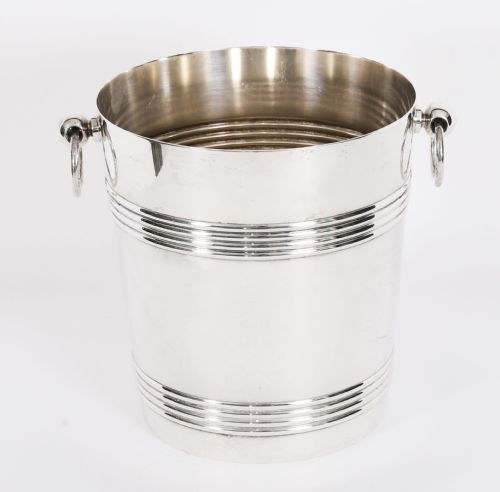
When searching for a french ice bucket, buyers encounter objects designed to chill wine and champagne for the table or cocktail party. The pieces appearing here span from the late nineteenth century through to the mid-twentieth century, encompassing Victorian, Belle Epoque, Art Nouveau, and Art Deco aesthetics.
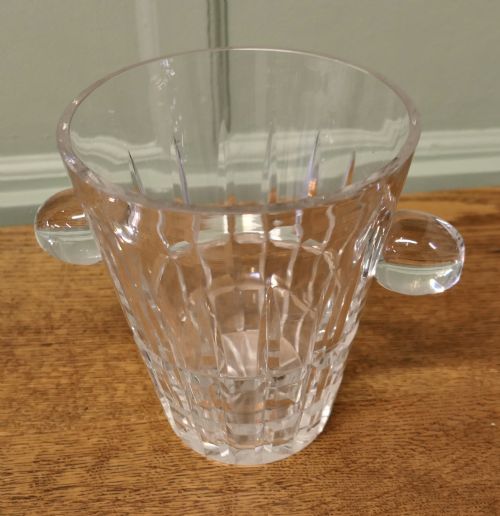
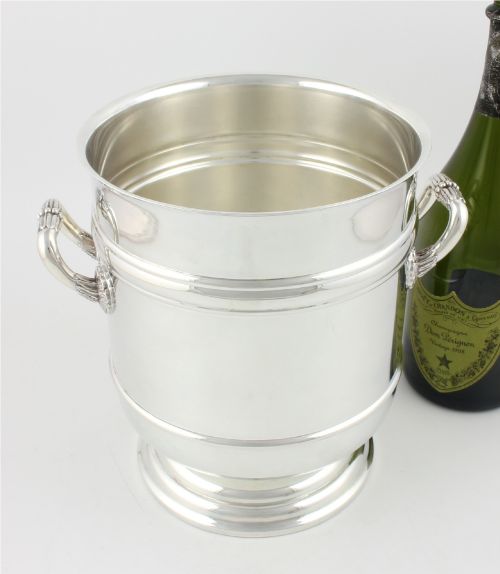
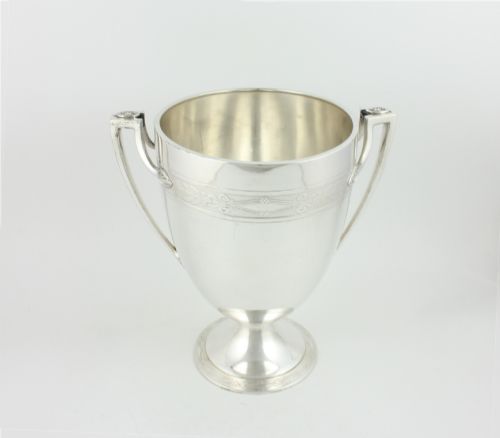
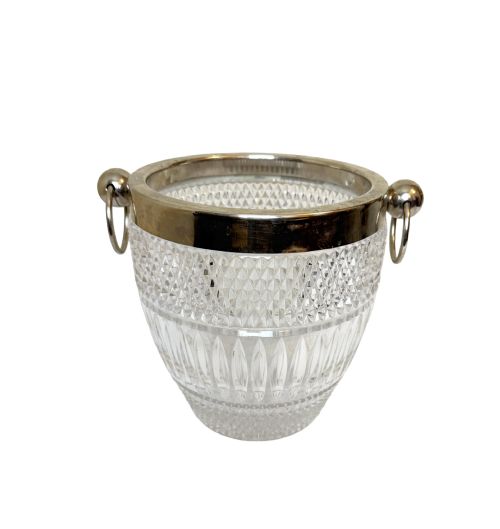
The dominant forms are cylindrical silver plate and metal wine coolers, alongside cut crystal vessels mounted in metal. Examples range from simple brass bistro bowls to monumental trophy vessels by prominent Parisian makers.
Materials and construction
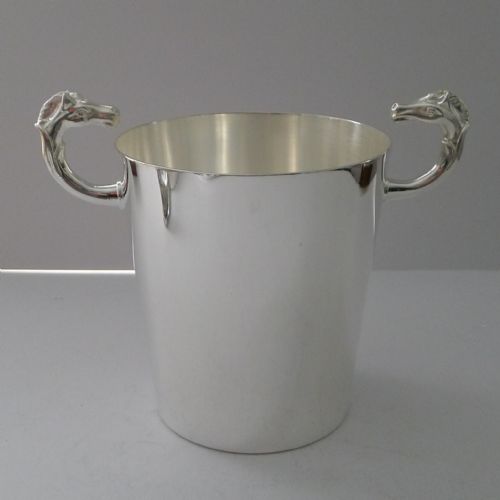
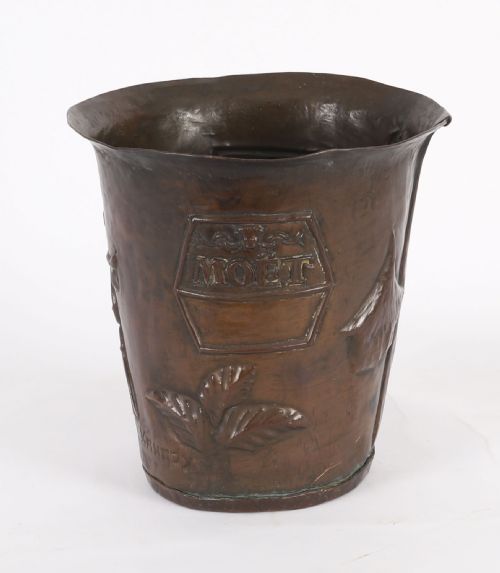
Makers constructed these vessels from heavy gauge silver plate, brass, copper, and pewter, often pairing metal bodies with hand-blown and cut crystal glass. Silver-plated surfaces provide a reflective ground for engraved crests, reeded bands, and applied handles shaped as rings, grapes, or horse heads.
Gilt bronze mounts and ormolu secure crystal bowls, while specialised pieces incorporate glass liners or heavy cast iron stands for stability during service.
Listings feature silver plate, cut crystal, and brass across Art Deco and Victorian periods.
Standards of execution
Quality rests in the weight of the metal and the depth of the cutting in the crystal, separating heavy luxury table pieces from lighter commercial service ware. Superior examples display crisp, hand-chased relief work and robust handles securely joined to the body.
Maker marks from recognised Parisian houses indicate a higher tier of design and silver-plating thickness, ensuring longevity through decades of service.
Christofle·Ercuis·Luc Lanel·Lino Sabattini·Le Chardon
The French Ice Bucket Glossary
- Silver plate
- A layer of silver fused to a base metal core such as copper or nickel silver. This technique provided the appearance of solid silver for heavy hospitality items.
- Ormolu
- Gilded bronze mounts applied to decorative objects and glass vessels. The finish adds warm golden highlights to nineteenth-century pieces.
- Art Deco
- A design style characterised by streamlined geometric forms and symmetrical patterns. It defines many of the metal and glass wine coolers produced between the wars.
- Belle Epoque
- A period of optimism and artistic flourishing in France leading up to the First World War. Objects from this era often feature ornate floral and natural motifs.
French Ice Bucket: Frequently Asked Questions
How do I clean a silver plated ice bucket?
Wash the vessel in warm soapy water using a soft cloth, avoiding abrasive pads that scratch the silver plate. Dry thoroughly to prevent water spots.
Polish occasionally with a dedicated silver cream, taking care around applied mounts or etched details to preserve the original finish.
Are these buckets suitable for modern dining?
These pieces function well on the dining table or home bar to hold ice cubes or chill bottles of wine and champagne. Their robust construction handles regular use.
Many incorporate sturdy handles and deep wells designed specifically for standard bottle sizes and ice retention.
How do I date an Art Deco ice bucket?
Examine the vessel for characteristic geometric lines, stepped tiers, and simplified forms popular during the 1920s and 1930s. Maker marks on the base often confirm the exact decade of manufacture.
Heavier chrome and silver-plate finishes also point toward interwar industrial production methods.
What is the difference between a wine cooler and an ice bucket?
Wine coolers generally feature taller, deeper bodies intended to submerge a bottle in ice and water for extended cooling during a meal. Ice buckets are typically wider and shorter, designed specifically to scoop and hold ice cubes for drinks.
In historical French hospitality, many vessels served both functions interchangeably.