




French Hunting Art
French hunting art captures the dramatic tension of the chase through sculptures, tapestries and oil paintings that bring historic rural pursuits indoors.
French Hunting Art
French hunting art encompasses works created across the eighteenth, nineteenth and twentieth centuries, capturing animals, hounds and equestrian scenes through various media. Buyers encountering this selection will discover oil paintings, detailed sculptures in bronze and spelter, and large woven tapestries.
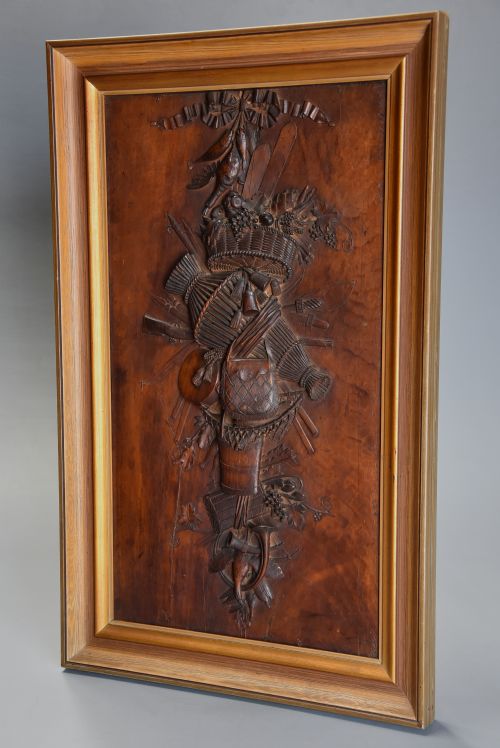
Decorative plates and carved wood panels also appear within this genre, showing how domestic objects incorporated hunting motifs. The origins span French schools and chateaux, reflecting a long cultural tradition dedicated to the sport.
Materials and methods
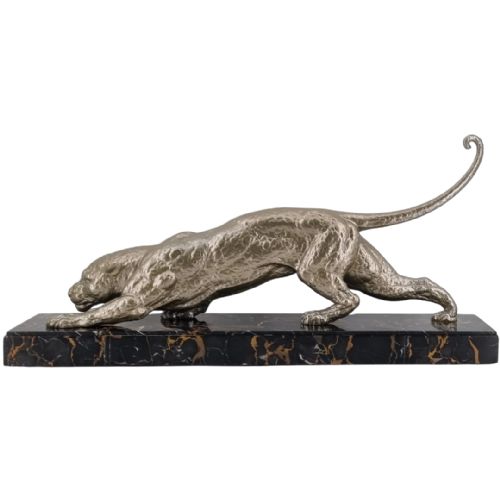
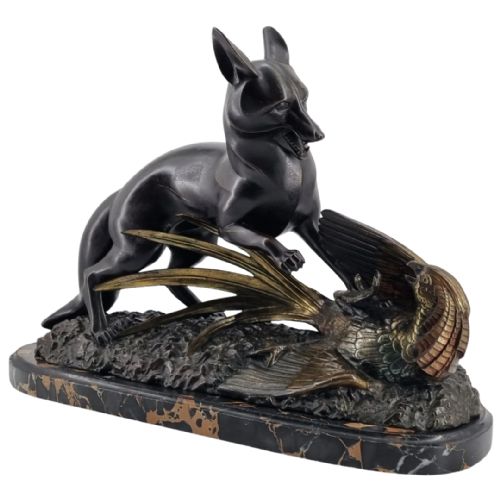
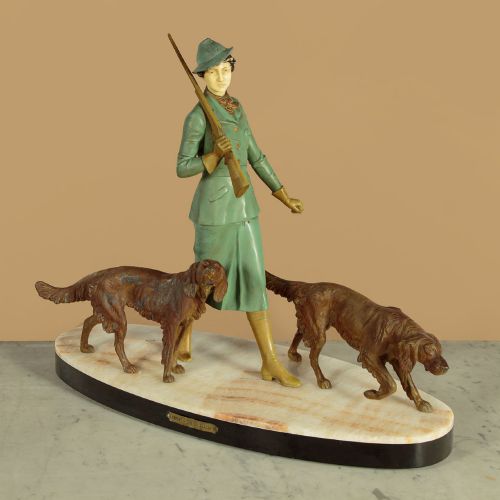
Makers utilised traditional artistic materials including oil on canvas, carved fruitwood and cast metals like bronze and spelter. Sculptures often combine metal figures with marble bases, while glass pieces employ moulded and stained techniques.
Woven textiles such as wool and cotton form the large wall hangings and tapestries recorded in the evidence. Engravings and paintings rely on skilled draughtsmanship and brushwork to delineate the anatomy of hounds and game.
French Hunting Art Retail Price Guide 2026
Typical asking prices for french hunting art among the pieces listed under this phrase on Sellingantiques today, from the lower quarter to the upper quarter. They describe what is for sale here now, not the wider market.
Even a tiny gold charm can commemorate the hunt, carrying a miniature deer hunting horn.
Evaluating the pieces
Quality rests in the precision of anatomical rendering and the expressive energy captured in figures of animals and riders. Works by named sculptors or painters demonstrate a higher degree of sculptural definition and compositional balance.
The choice of medium and the complexity of the manufacture influence the character of each object, from finely carved fruitwood trophy panels to moulded glass plates. Preserved patination and the clarity of detail in engravings or needlepoint panels distinguish superior examples.
Lavroff·D H Chiparus·René Lalique·Jules Chardigny·Guillaume Urban Régamey
The French Hunting Art Glossary
- Spelter
- A zinc alloy commonly utilised as a substitute for bronze in decorative figures and sculptures, frequently patinated to resemble darker metals.
- Trophy carving
- A sculptural relief depicting gathered game, hunting horns, and implements associated with the hunt, carved typically in wood.
- Chasse
- The French term for hunting, often appearing in the titles of plates, engravings and sculptural groups.
- Needlepoint
- A type of canvas work embroidery used to create detailed wall panels and decorative scenes featuring landscapes and animals.
- Engraving
- A printmaking technique where an image is incised into a metal plate, producing fine lines and high tonal detail in historical prints.
French Hunting Art: Frequently Asked Questions
What subjects appear in French hunting art?
The works predominantly feature hounds, foxes, deer, pheasants and equestrian scenes involving mounted riders at the meet or in hot pursuit. These subjects reflect the central role of the hunt in French social life and rural tradition.
Artists focused on capturing the dynamic movement of animals and the atmosphere of forest landscapes across centuries of production.
How were large tapestries used?
Large woven tapestries and needlepoint panels served as functional wall hangings in chateaux and lodges, providing insulation as well as decoration. They depicted expansive hunting scenes and woodland vistas to bring the outdoors inside.
These textiles functioned as grand focal points in formal rooms and hunting lodges alike.
What materials are typical for these sculptures?
Sculptures in this category are commonly cast in bronze or spelter, frequently mounted upon heavy marble bases to provide stability. Carved fruitwood and oak also appear in sculptural reliefs and architectural panels.
Artists selected these durable materials to render the muscular forms of hounds and game with lasting precision.
How do Art Deco pieces differ from older works?
Art Deco pieces from the early twentieth century employ streamlined forms and stylised depictions of panthers, dogs and hunters, reflecting contemporary design trends. Eighteenth and nineteenth-century works lean towards classical realism, detailed engraving and traditional portraiture of animals.
Both periods maintain a shared dedication to the motifs of the hunt, interpreted through the aesthetic lens of their respective eras.