
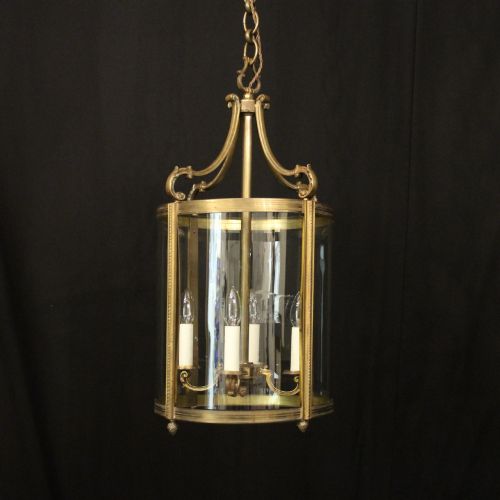
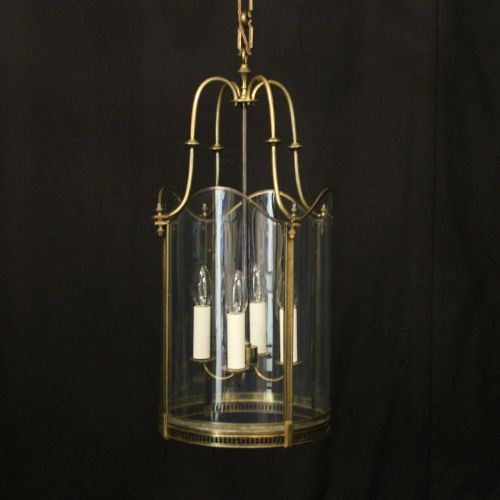
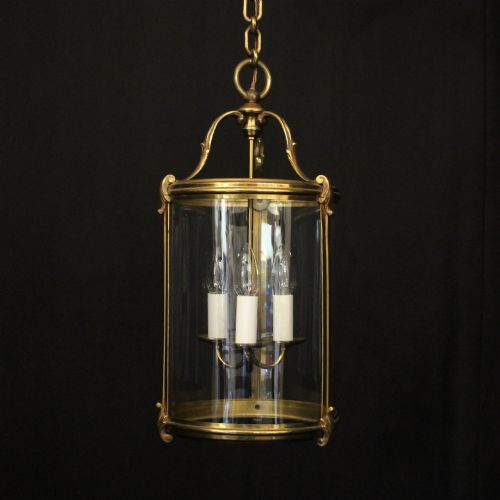
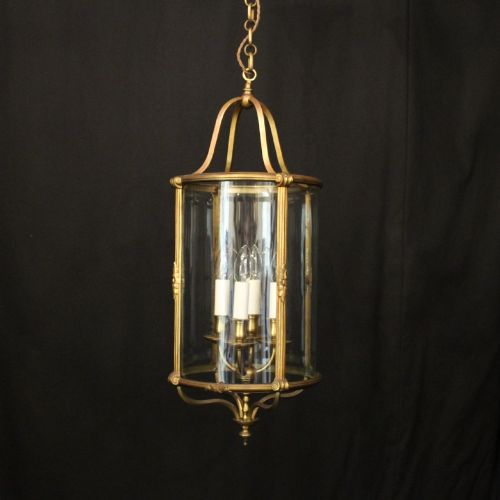
French Hanging Lantern
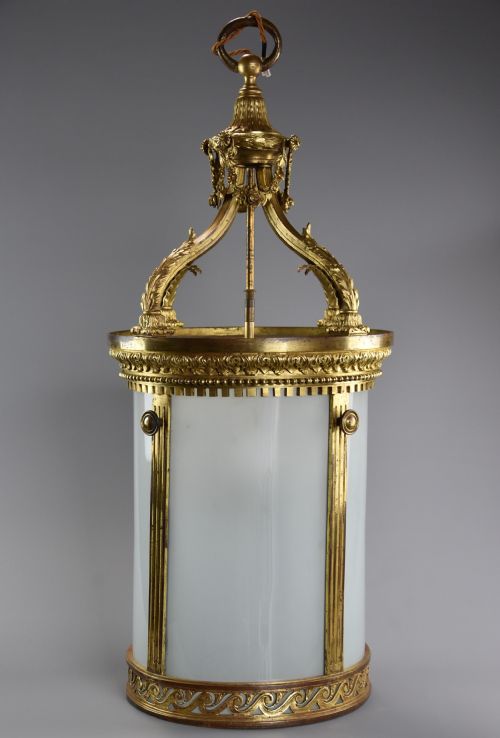
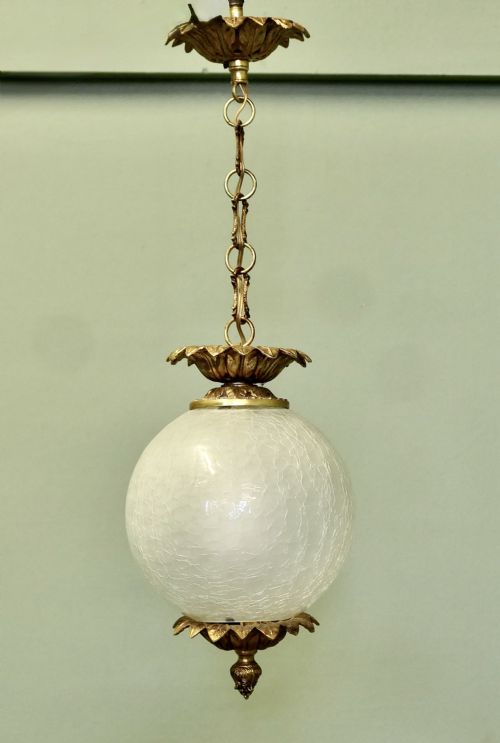
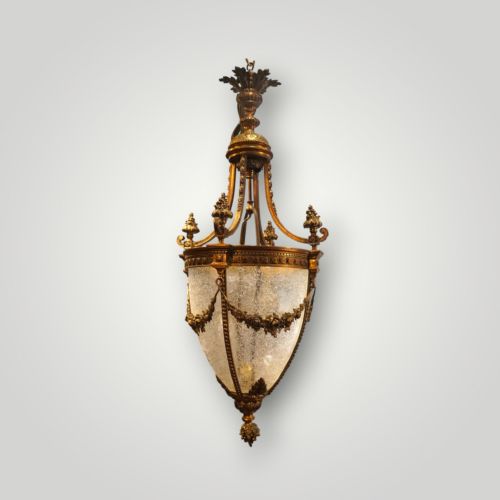
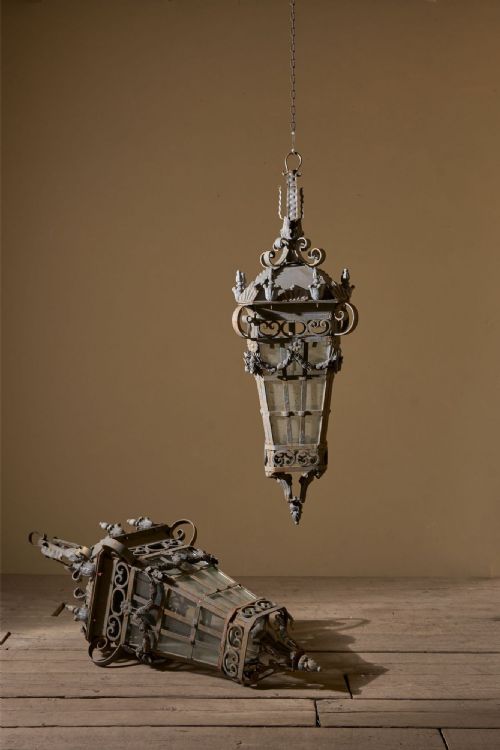
These French hanging lantern pieces are striking overhead light sources that bring genuine continental character to a hallway or entrance.

Defining the French hanging lantern
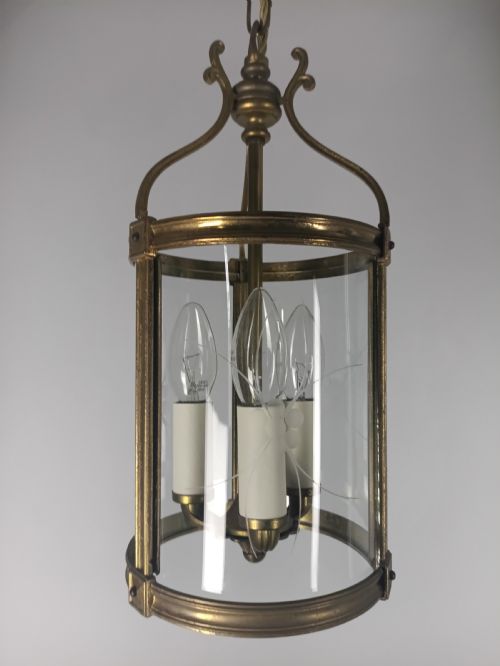
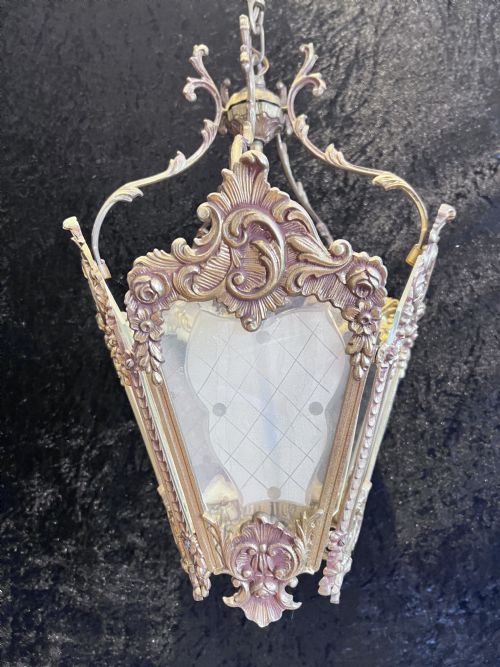
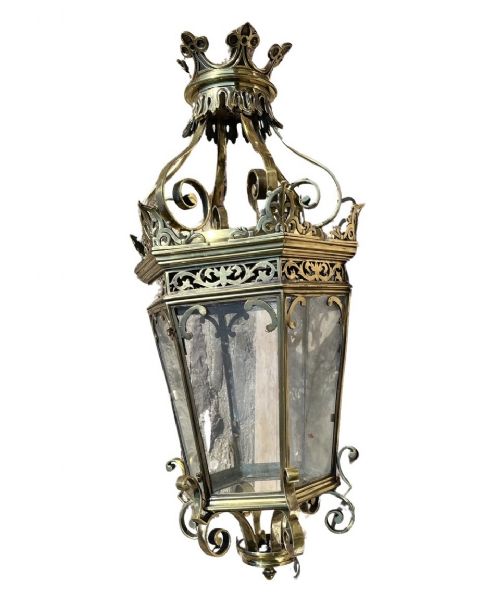
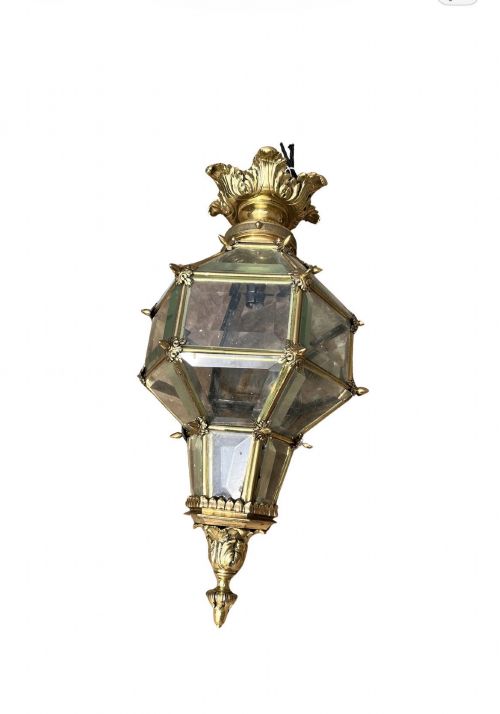
A french hanging lantern provides overhead illumination designed primarily for hallways, vestibules and entranceways where ceiling height allows for a statement light fixture. These pieces originate from various periods including the nineteenth century and early decades of the twentieth century, carrying distinct stylistic influences from French Chateau, Beaux-Arts, Neo-Classical, Arts and Crafts, and Rococo traditions.
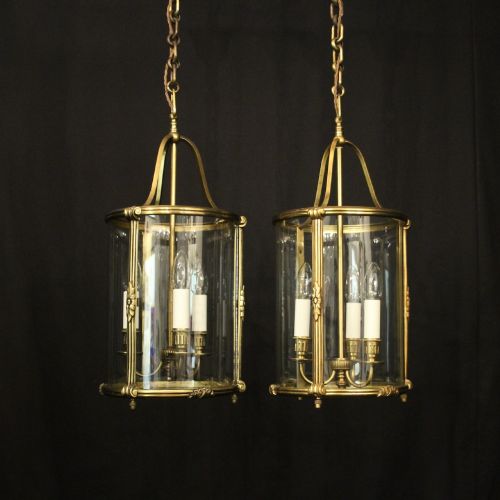
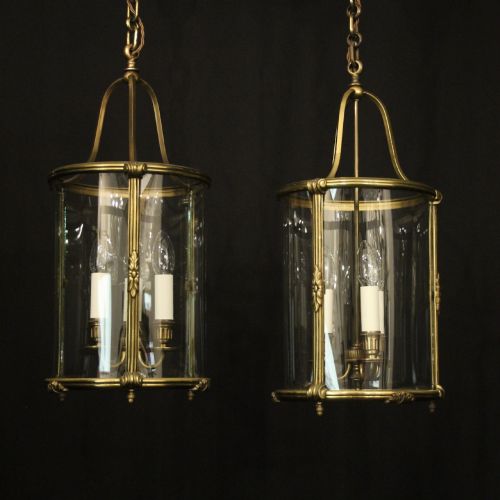
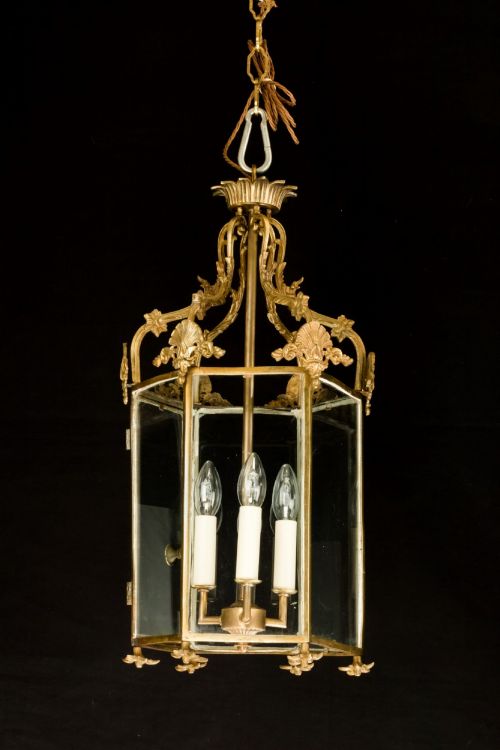
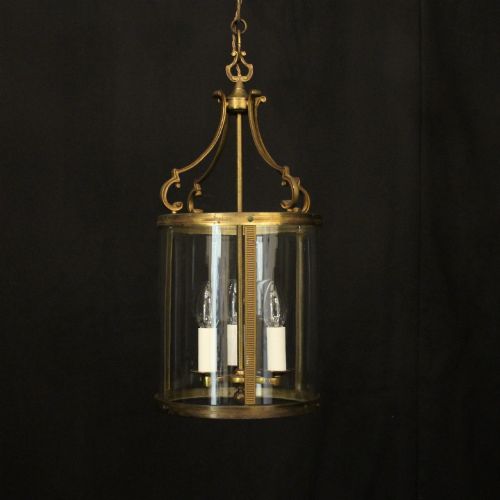
The objects take several specific forms across the inventory, appearing as hall lanterns, ceiling lanterns and multi-light configurations. Buyers frequently encounter single statement pieces as well as matched pairs, including large examples fashioned with multiple lights or generous proportions suited to grand spaces.
Origins remain firmly rooted in French design vocabulary, whether executed in a formal gilded style or a more rustic provincial manner. The physical presence of these lanterns relies on suspended chains or mounts, holding glazed panels that diffuse light outwards across the surrounding space.
Materials and construction
Construction methods combine structural metalwork with glazed elements, utilising durable materials such as wrought iron, zinc, bronze, gilded brass and toleware. Metal frameworks provide the rigid skeleton necessary to support heavy glass panels and multiple internal light fittings safely.
Surface treatments display traditional decorative techniques including gold leaf application, polychrome paint finishes, and gilt-brass embellishments. Metal components are forged, cast or beaten into shape, creating detailed collars, frames and suspension loops that reflect period artisanal standards.
Retail Price Guide 2026
Typical UK retail prices for french hanging lantern, calculated from the Sellingantiques database of over a million retail prices indexed since 2003. This retail price guide relies exclusively on Sellingantiques data; no external sources or auction records are used, so the figures do not describe the wider market.
Some lanterns include multiple lights, ensuring your hallway receives ample illumination for dramatic effect.
Assessing quality and distinction
Quality separates standard utilitarian lighting from high-end decorative pieces through the finesse of the metalwork and the clarity of the glass. Superior examples exhibit hand-forged details, crisply cast bronze or brass mounts, and heavy bevelled or facetted glass panes that catch the light effectively.
The integrity of the original surface finish dictates much of the visual appeal, distinguishing carefully preserved gilding and patinated bronze from lesser or later re-paintings. Proportion and scale also govern value, with exceptionally large formats and balanced pairs commanding greater architectural presence.
The French Hanging Lantern Glossary
- Toleware
- Painted or lacquered sheet metal items produced in decorative finishes. This technique allowed makers to introduce colour and pattern into lighting fixtures.
- Gilded Brass
- Brass treated with a thin layer of gold leaf or gold powder. This finish adds a warm, reflective sheen to the metal framework.
- Beaux-Arts
- A classical architectural and decorative style taught at the École des Beaux-Arts in Paris. It emphasises grand proportions and ornate detailing.
- Wrought Iron
- Iron that has been heated and hammered into shape by hand. This material provides strong, fibrous structural support with visible artisanal marks.
- Neo-Classical
- A style inspired by the classical art and architecture of ancient Greece and Rome. It relies on symmetry, restraint and orderly decorative motifs.
Frequently Asked Questions
Where should I hang a French lantern?
These pieces suit high-ceilinged entrance halls, stairwells and large vestibules where their suspended drop and ambient illumination can be fully appreciated.
Ensure adequate clearance beneath the fixture so that movement underneath remains completely unobstructed.
How do I identify the period?
Dating relies on examining the construction methods, the type of metal used, and the prevailing decorative style evident in the cast or forged details.
Nineteenth-century examples often feature heavier hand-wrought iron or rich gilt-brass, whereas twentieth-century pieces frequently adopt cleaner lines or specific revival motifs.
Are these lanterns wired for modern electricity?
Most antique lighting fixtures found on the market have been adapted for contemporary electrical standards to allow safe daily use.
It remains wise to consult a qualified electrician to check internal wiring and ensure compatibility with current household circuits.
How do I clean the glass panels?
Careful dusting with a soft cloth prevents grime buildup on the exterior metal and glass surfaces without risking the historic patina.
For thorough cleaning, delicate removal of the glass panels may be necessary, using gentle glass cleaner away from the metal frames to protect finishes.