
French Hall Light
A french hall light sets the tone for an entrance, offering illumination through glass and metal crafted to greet visitors.
French Hall Light
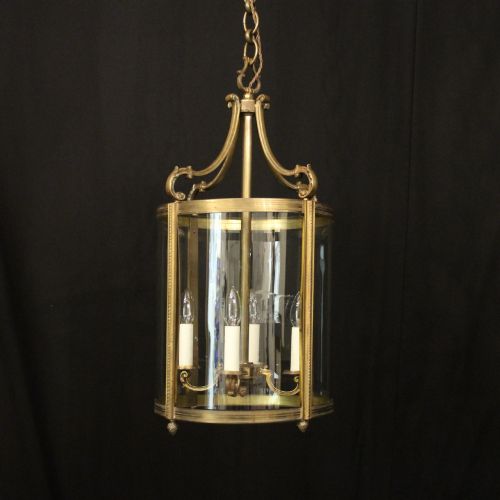
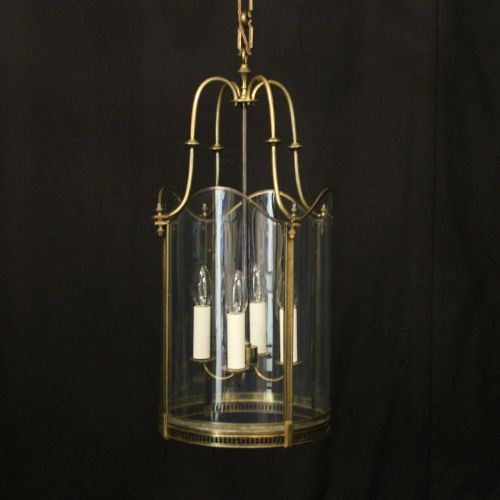
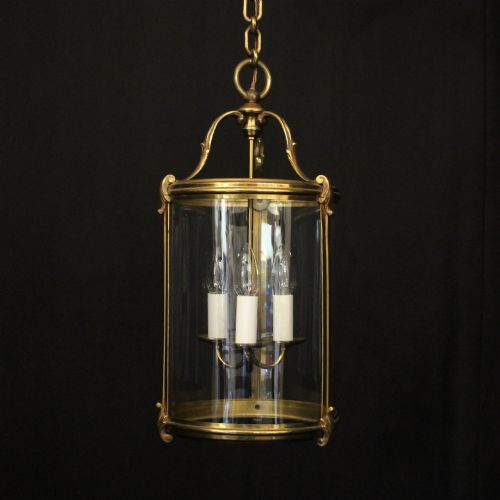
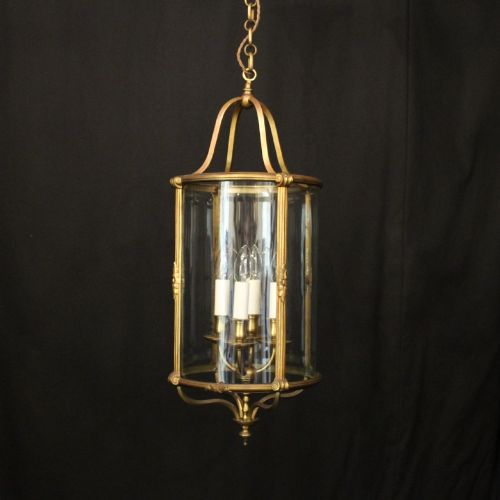
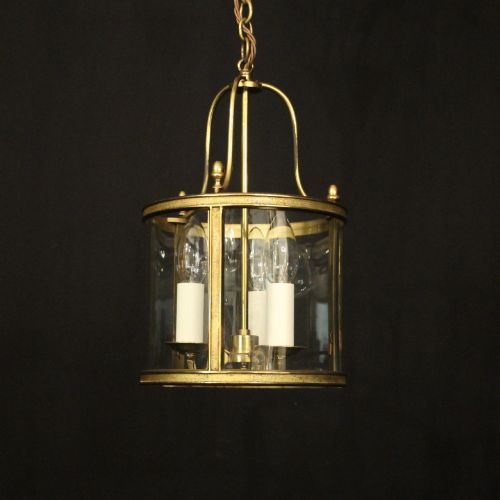
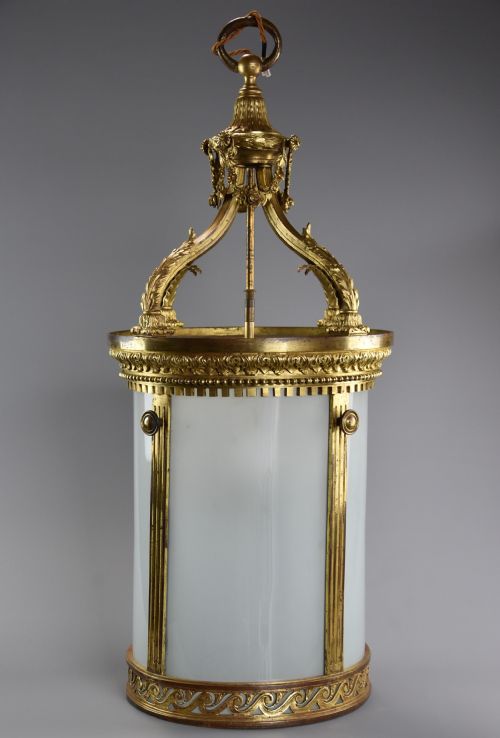
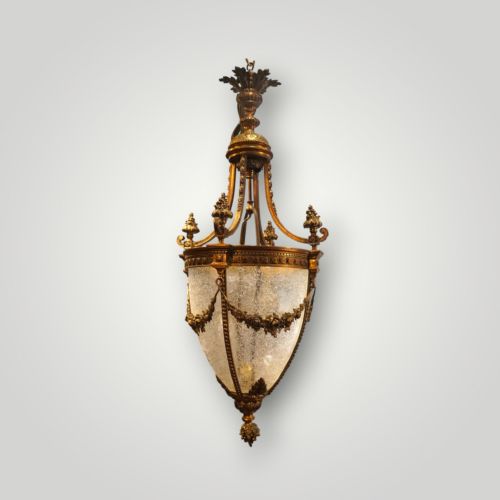
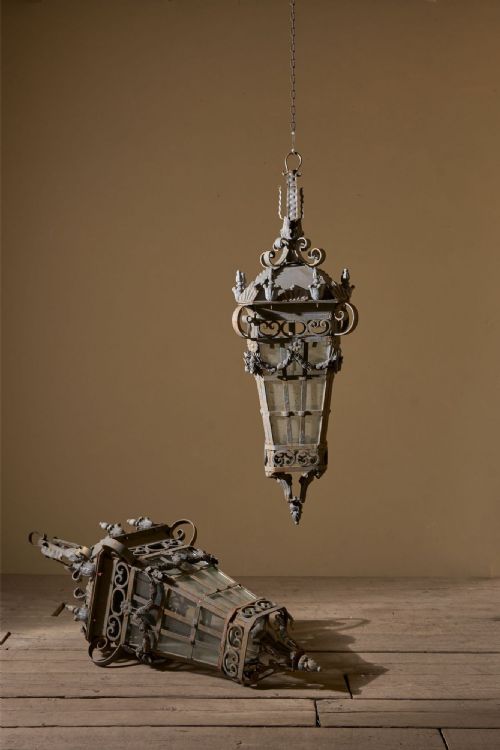
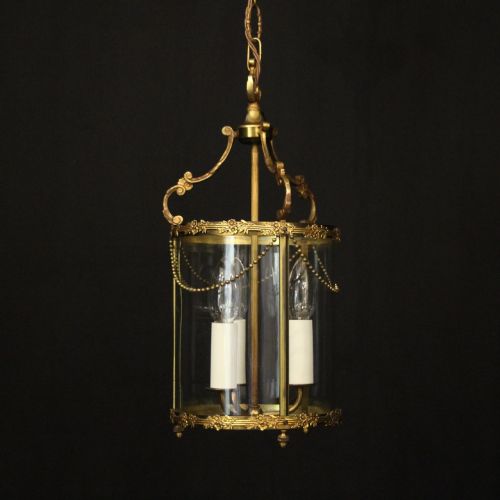
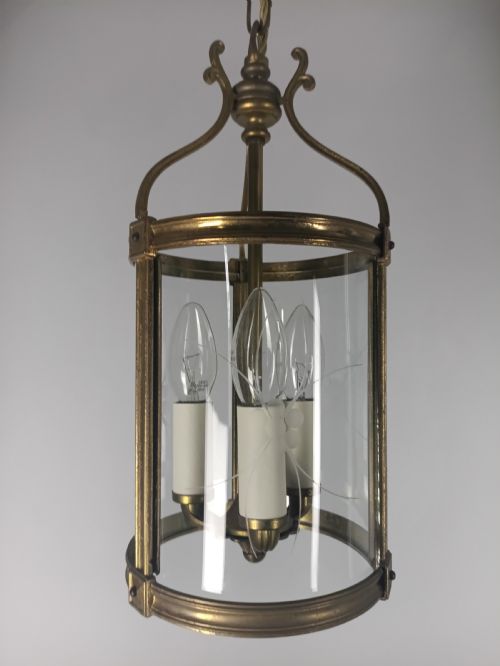
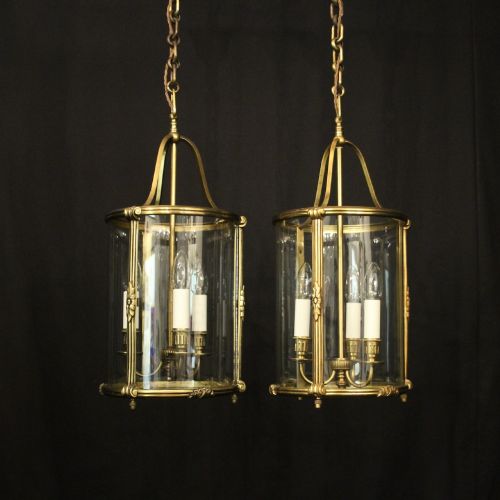
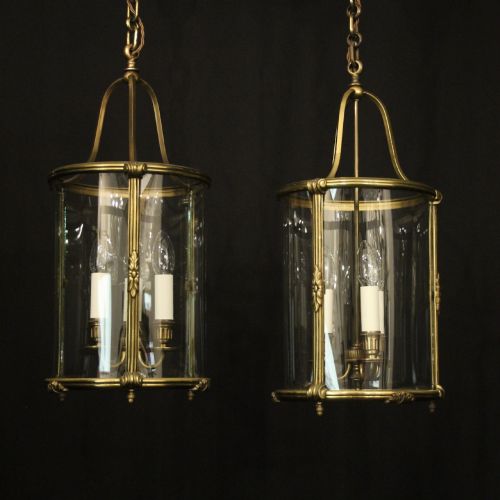
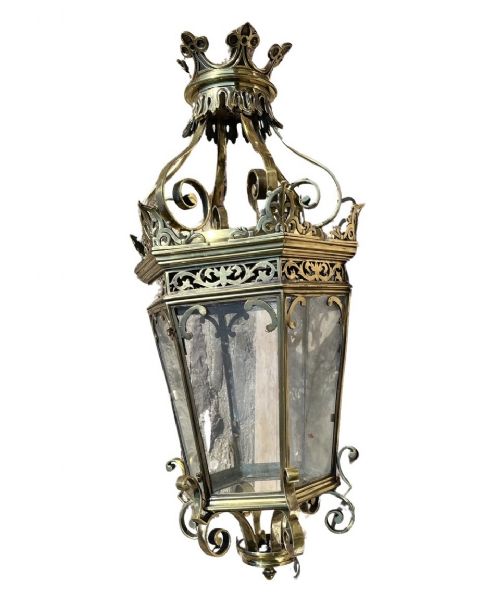
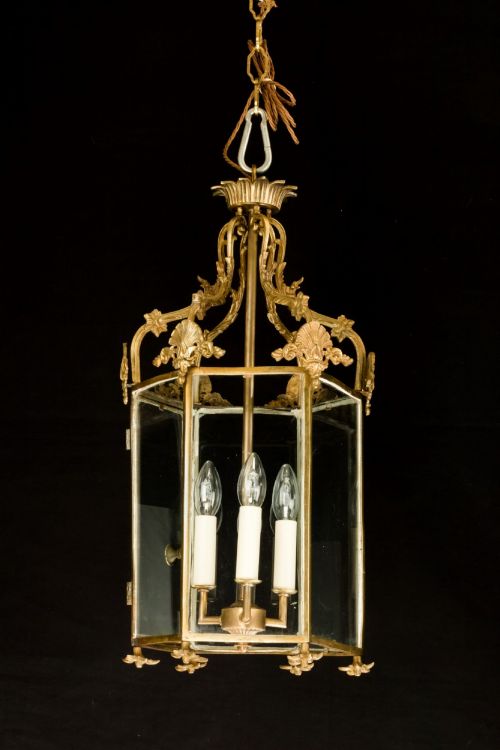
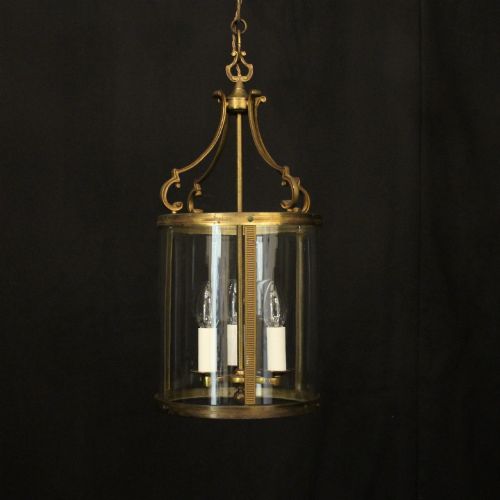
A french hall light typically takes the form of a hanging or ceiling-mounted lantern designed to illuminate an entranceway. These fixtures draw upon styles ranging from nineteenth-century classical designs to early twentieth-century variations, incorporating glass panels held within metal frameworks.
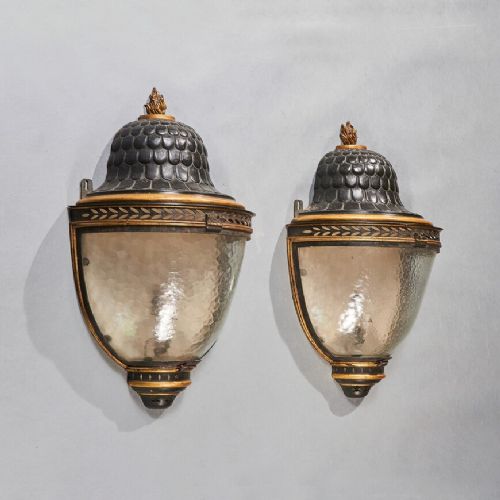
The most common examples encountered in these selections feature gilded bronze, brass, or tole peinte, often housing multiple internal lights. They balance functional illumination with decorative presence, reflecting historical French interior aesthetics from various periods.
Materials and Construction
Makers utilised cast bronze, brass, and iron to form the structural frames, frequently applying gilding or silver leaf to the metal surfaces. These metallic elements support panels of clear, bevelled, etched, or convex glass designed to diffuse light effectively.
Internal components accommodate single or multiple light configurations, sometimes showing evidence of subsequent rewiring to meet modern electrical standards while retaining their period frames.
Listings feature materials such as gilt bronze, brass, glass, and oak across periods spanning from the mid-nineteenth century to nineteen-thirty.
Distinctions in Quality
Quality rests in the crispness of the metal casting, the weight of the bronze or brass framework, and the thickness and clarity of the glass panels. Finer examples display meticulous hand-chasing on the metal mounts and integrated decorative details that remain sharp and well-defined.
The method of glass shaping also marks a distinction, with convex or bevelled panes requiring greater skill to produce than flat glass. The cohesion of the overall design, from the suspension loop down to the base finial, dictates the standing of a piece.
The French Hall Light Glossary
- Convex glass
- Curved glass panels that project outward, designed to soften and spread the illumination from the internal bulbs.
- Gilt bronze
- Bronze metal treated with a thin layer of gold or gold-coloured alloy to impart a rich, reflective surface finish.
- Tole peinte
- Painted sheet metal, often utilised in decorative lanterns to introduce colour and pattern to the fixture.
- Bevelled glass
- Glass panes featuring angled edges that catch and refract light, adding visual depth to the lantern structure.
- Hall lantern
- A ceiling-hung lighting fixture specifically scaled for narrow spaces like corridors, vestibules, and entrance halls.
French Hall Light: Frequently Asked Questions
How do I hang a hall lantern safely?
These fixtures require secure mounting to ceiling joists using appropriate weight-bearing fixings to support the heavy bronze or brass frames.
Professional electrical installation ensures the internal wiring safely connects to your household circuit while respecting the antique structure.
Can these lights be wired for modern bulbs?
Most period lanterns accept standard modern candle bulbs once the internal lamp holders are updated or rewired by a qualified electrician.
This adaptation preserves the exterior historical appearance while meeting contemporary household lighting requirements.
What periods do these lanterns represent?
The selections span from the nineteenth century through the early decades of the twentieth century, encompassing various revival styles.
Dates range across the eighteen-eighties, eighteen-nineties, and early nineteen-hundreds up to the nineteen-thirties.
How do I clean an antique brass lantern?
Dust the metal and glass gently with a soft, dry cloth to prevent accumulation without disturbing the aged patina.
Avoid abrasive polishes that can strip original gilding or historical finishes from the bronze and brass surfaces.