
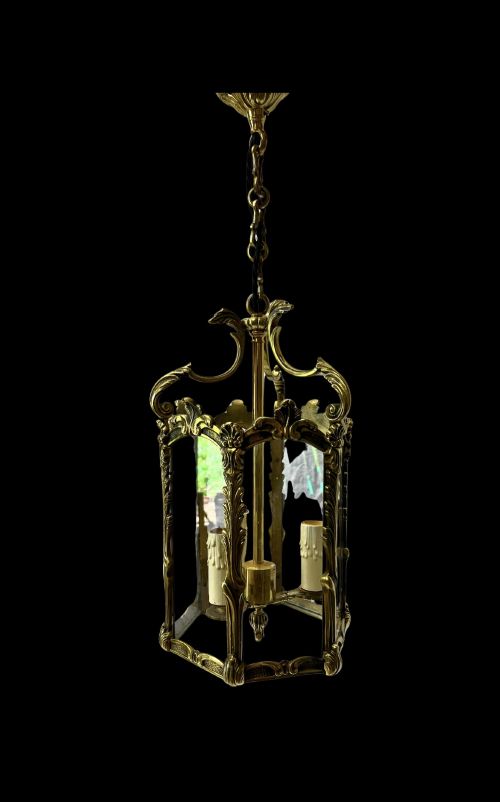


French Glazed Pendant
French glazed pendant lights are hanging lanterns framed in metal and glass that bring period character to hallways and high-ceilinged rooms.
French Glazed Pendant
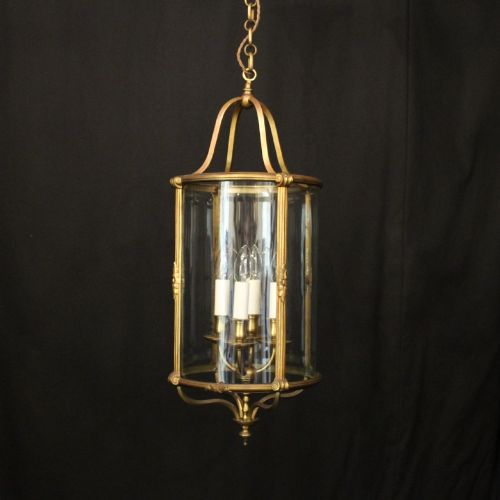
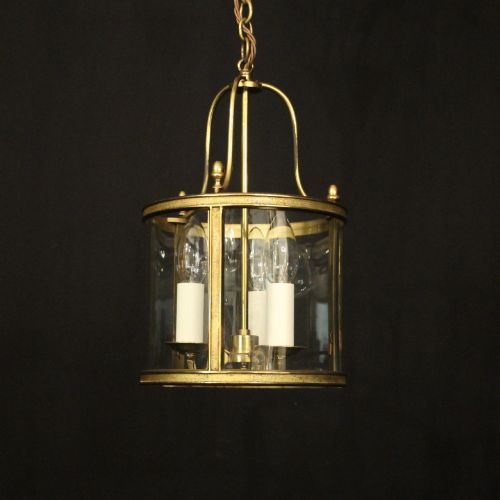
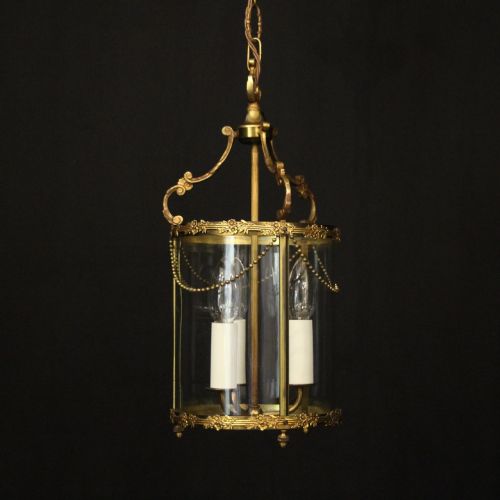
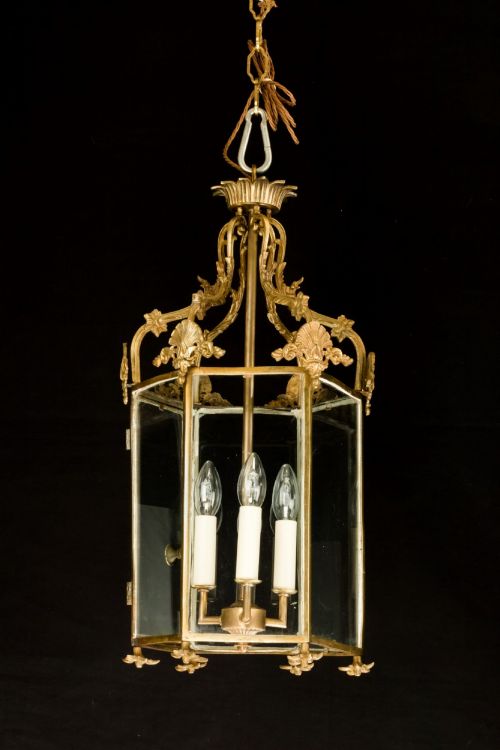
A french glazed pendant is a hanging ceiling light enclosed in glass panels, often referred to as a hall lantern or hanging lantern. You will most frequently encounter early twentieth-century examples dating from the 1900s to the 1930s, alongside nineteenth-century pieces.
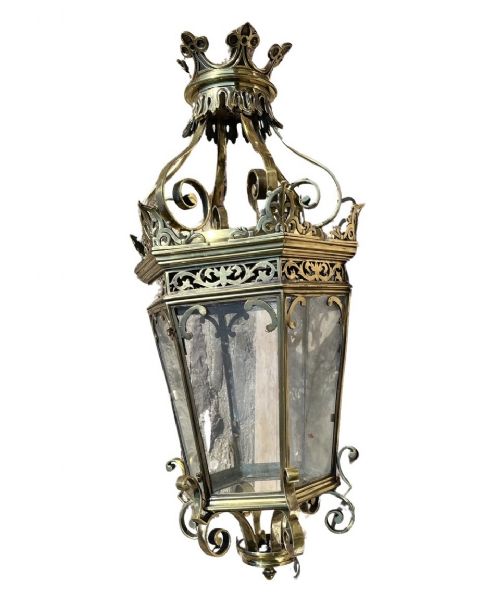
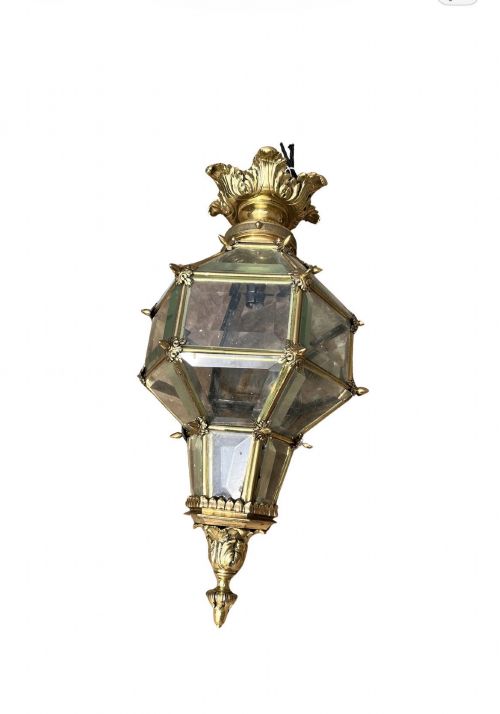
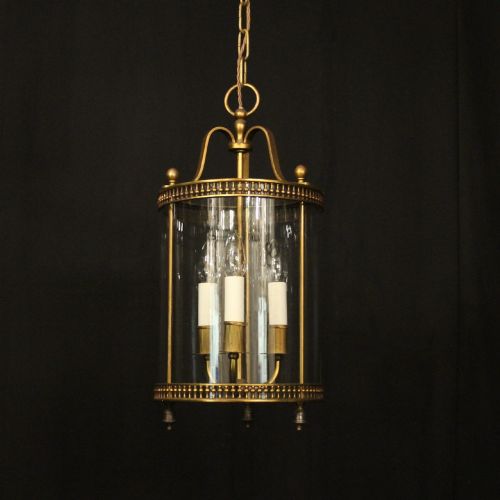
The forms span simple hexagonal shapes to multi-light configurations designed for illumination in entrance halls and corridors. Styles range from French neoclassical and rococo to arts and crafts and gothic revival.
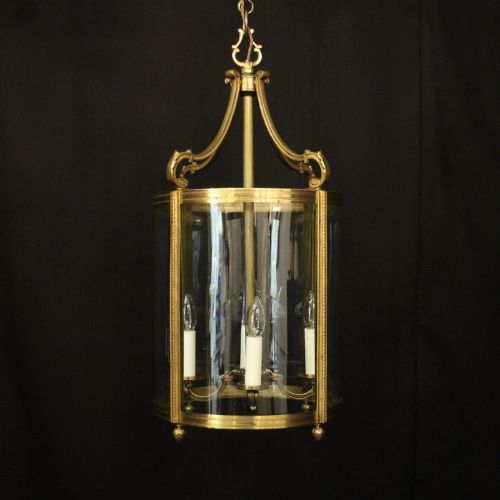
Originating predominantly from France, these pieces utilise traditional metalwork frames fitted with flat, bevelled, or convex glass panes. They hang from chains or rods to suspend the light source centrally within the space.
Materials and Construction
Makers constructed the structural frames using cast bronze, gilt brass, brass, steel, and wrought iron. Gilded finishes in gold or silver tones were frequently applied to bronze and brass to catch and reflect the interior light.
Glass panels were individually cut and fitted into the metal framework, utilising bevelled or convex panes to refract the illumination from internal multiple light fixtures. Doors were often integrated into the metal frames to allow access to the interior bulbs.
Several lanterns include small hinged doors originally designed so servants could reach inside with a taper to light the candles.
Judging Quality
Quality rests in the weight and thickness of the cast metal frame and the crispness of applied chasing or ornamentation. Heavy gilded bronze or brass castings exhibit superior structural integrity compared to lighter sheet metal constructions.
The glass also dictates merit, with thick bevelled or convex panes showing greater substance than standard flat glass. The integration of functional opening doors and multi-light internal clusters further separates standard items from finer productions.
The French Glazed Pendant Glossary
- Convex glass
- Glass panes curved outward to create a rounded profile. This shape refracts light across a wider angle.
- Bevelling
- The practice of cutting an angled edge around the perimeter of a glass pane. It catches light to create a decorative prismatic effect.
- Gilt bronze
- Bronze metal treated with a thin layer of gold or gold-coloured alloy. It provides a durable metallic sheen that resists tarnishing.
- Hall lantern
- A hanging ceiling light specifically scaled for corridors and entrance spaces. These fixtures direct illumination downward and outward through glass sides.
- Hexagonal
- A six-sided geometric form frequently used for lantern frames. This shape allows multiple glass panels to distribute light evenly.
French Glazed Pendant: Frequently Asked Questions
Where should I hang a french glazed pendant?
These lanterns suit entrance halls, stairwells, and high-ceilinged rooms where a central hanging light provides both functional illumination and a decorative focal point.
Ensure adequate clearance beneath the pendant for foot traffic, particularly in narrow hallways or entryways.
How do I access the interior bulbs?
Many of these lanterns feature a small hinged door integrated into the metal framework of the body. Opening this latch allows direct access to the interior bulb sockets.
If the design lacks a door, the glass panels or lower frame section typically unscrew or unclip from the main structure.
How do I date a brass lantern?
Dating relies on stylistic clues such as neoclassical motifs, rococo curves, or arts and crafts ironwork, alongside construction methods like cast versus stamped metal. Period descriptions often reference decades from the nineteenth and early twentieth centuries.
Examine the patination of the metal and the type of glass panes to understand the manufacturing era.