


French Glazed Earthenware
French glazed earthenware unites centuries of regional pottery traditions, offering durable domestic vessels and decorative ceramics prized for their lustrous finishes and hand-painted motifs.

French Glazed Earthenware
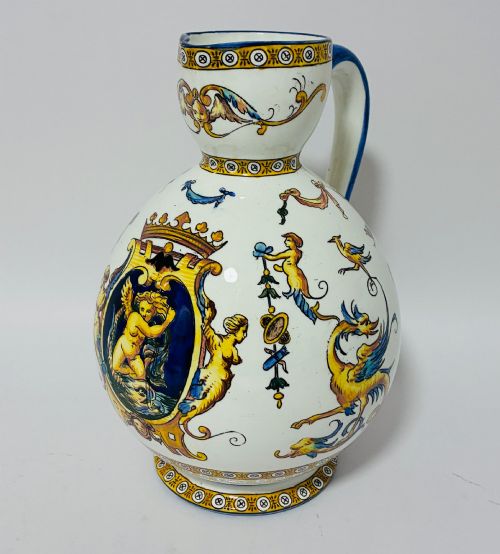
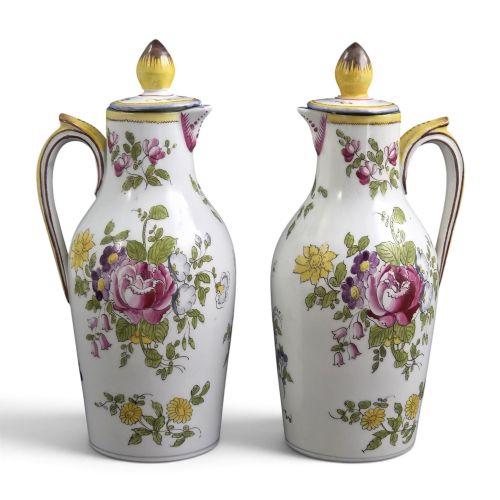
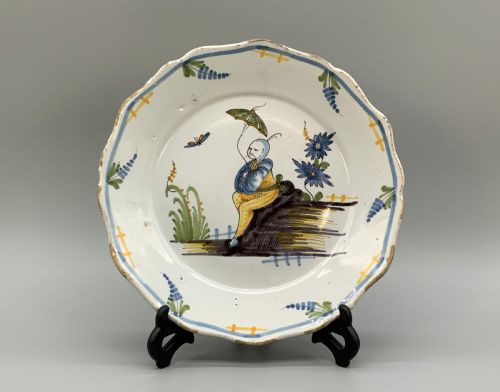
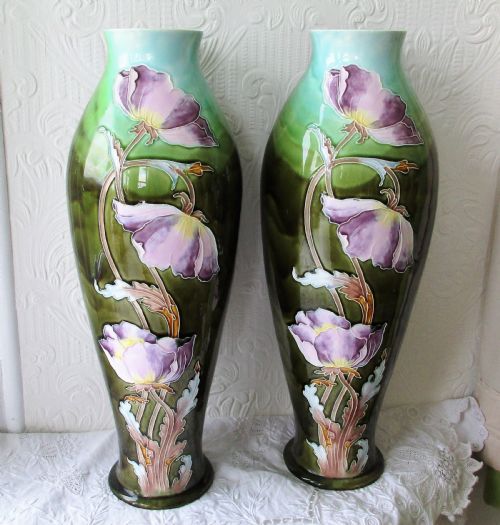
When searching for french glazed earthenware, collectors encounter a diverse range of items spanning from utility vessels to ornamental pieces. The selection includes eighteenth and nineteenth-century confit pots, dairy bowls, and olive jugs originating from regional workshops.
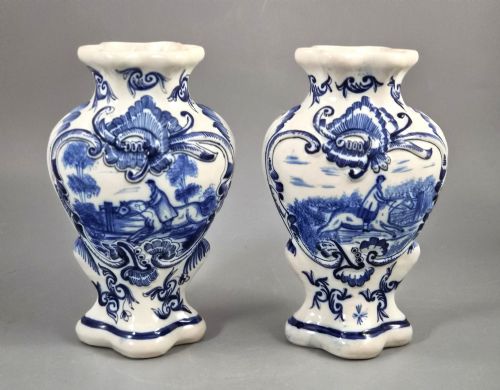
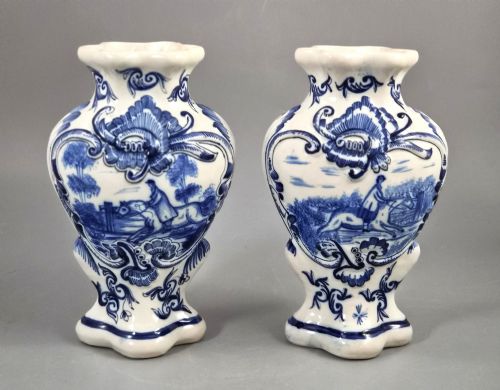
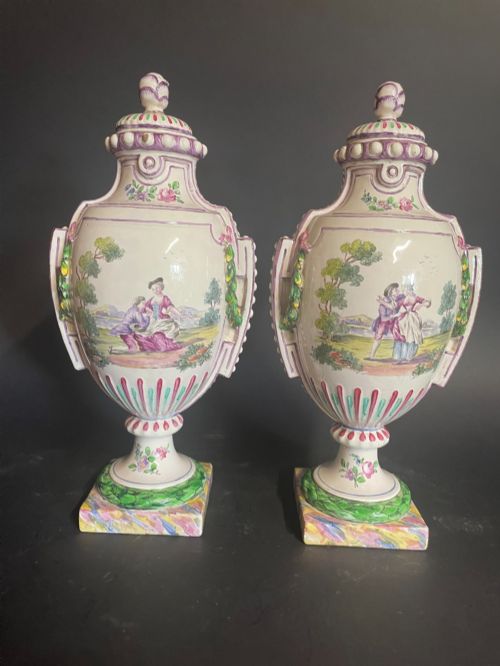
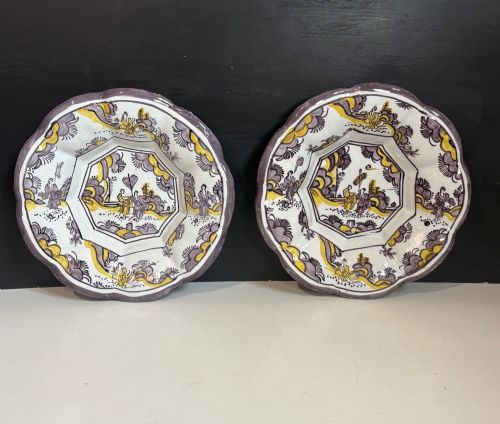
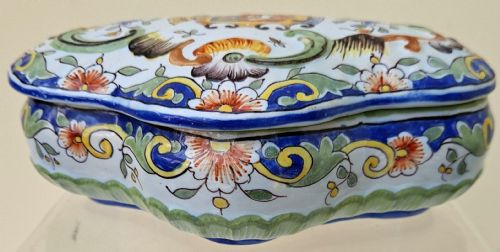
The aesthetic bridges rustic provincial tableware and elaborate urban pottery, incorporating traditional blue and white painting alongside manganese, yellow, and polychrome glazes. Buyers select these ceramics to anchor historic interiors or introduce provincial texture to modern spaces.
Evaluating the Pieces
Quality rests in the crispness of the moulded form, the depth and stability of the glaze, and the precision of the hand-painted decoration. Early pieces demonstrate individual artistic execution in brushwork and pigment saturation.
Preservation of the original glaze surface significantly influences desirability, particularly on utilitarian earthenware subject to heavy domestic use. Pieces retaining distinct workshop marks or attributed to notable factories demonstrate superior provenance.
French Glazed Earthenware Retail Price Guide 2026
Typical asking prices for french glazed earthenware among the pieces listed under this phrase on Sellingantiques today, from the lower quarter to the upper quarter. They describe what is for sale here now, not the wider market.
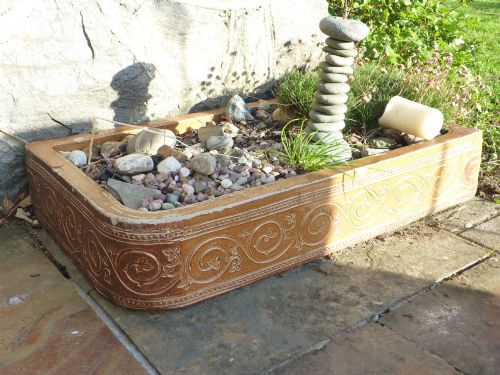
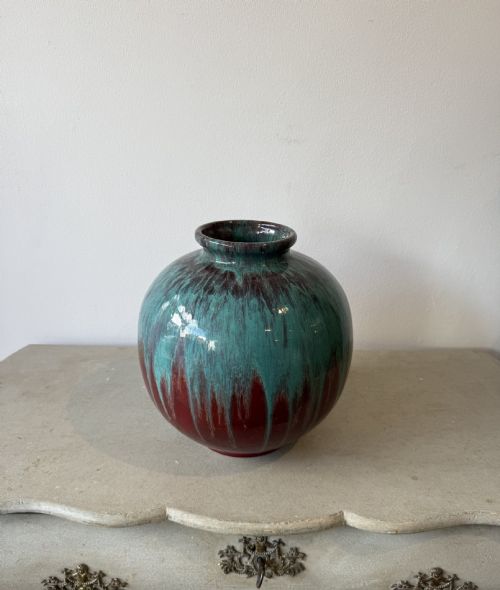
Materials range from simple terracotta dairy bowls and tin-glazed earthenware to lustred pieces and drip-glazed planters.
Fourmaintraux-Courquin·Clement Massier·Sarreguemines·Robert T Lallement
The French Glazed Earthenware Glossary
- Faience
- Tin-glazed earthenware produced in France, typically featuring painted decoration over an opaque white enamel. It encompasses both rustic provincial wares and refined decorative objects.
- Confit Pot
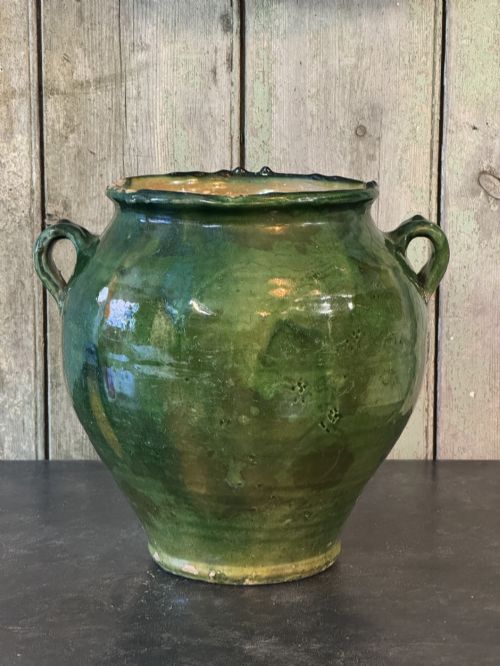
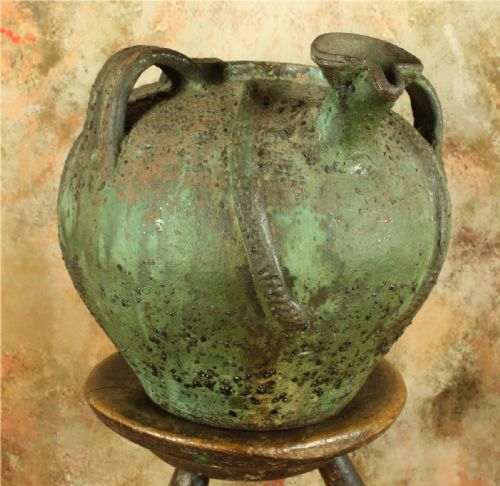
- A traditional French earthenware jar designed for preserving meats, characterised by a glazed interior and often handles for lifting. Many feature rich green or honey-coloured glazes.
- Tin Glaze
- An opaque ceramic glaze containing tin oxide, which fires to a white surface suitable for colourful painted decoration. It distinguishes much of the historic European pottery in this category.
- Tian Bowl
- A large earthenware basin originating in the South of France, historically utilised for agricultural tasks and food preparation. These wide vessels typically display a heavy interior glaze.
- Vide-Poche
- A small decorative dish or tray meant for emptying pockets of small items upon entering a room. They appear frequently in nineteenth-century faience productions.
French Glazed Earthenware: Frequently Asked Questions
What were confit pots used for?
Historic French confit pots served primarily as practical kitchen vessels for storing cooked meats, preserved in their own fat, in the cooler pantries of rural households before refrigeration.
Over time, these utilitarian earthenware jars became valued for their warm glazes and pleasing proportions, transitioning from agricultural implements into decorative interior objects.
Are these ceramics safe for food?
Many older pieces of French earthenware and faience were manufactured using lead-based glazes that are unsuitable for modern food consumption, especially if the surface glaze has deteriorated or cracked.
Collectors generally display these historic ceramics as decorative art objects rather than utilising them for daily dining or food preparation.
How should I clean antique earthenware?
Careful dusting with a soft, dry cloth remains the best method for maintaining unglazed exterior surfaces and fragile nineteenth-century earthenware without risking abrasion.
Avoid soaking porous terracotta or pieces with compromised glazes in water, as trapped moisture can cause historic clay bodies to weaken or discolor.