


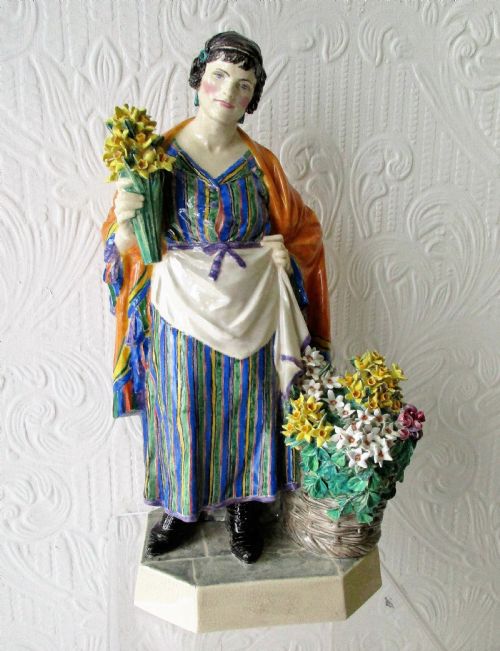
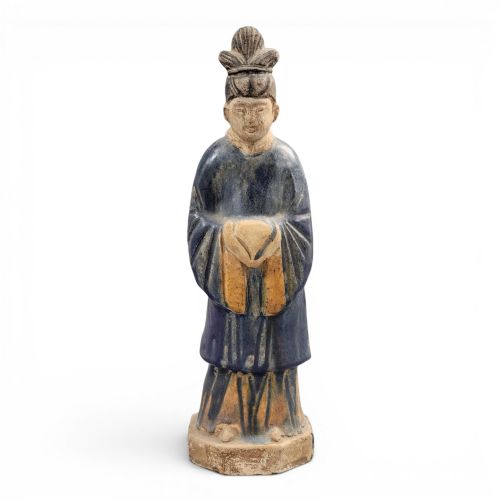


Glazed Earthenware Sculpture
These glazed earthenware sculpture pieces bring animal figures, human forms and historical characters into the room through lustrous surface finishes and modelled clay.
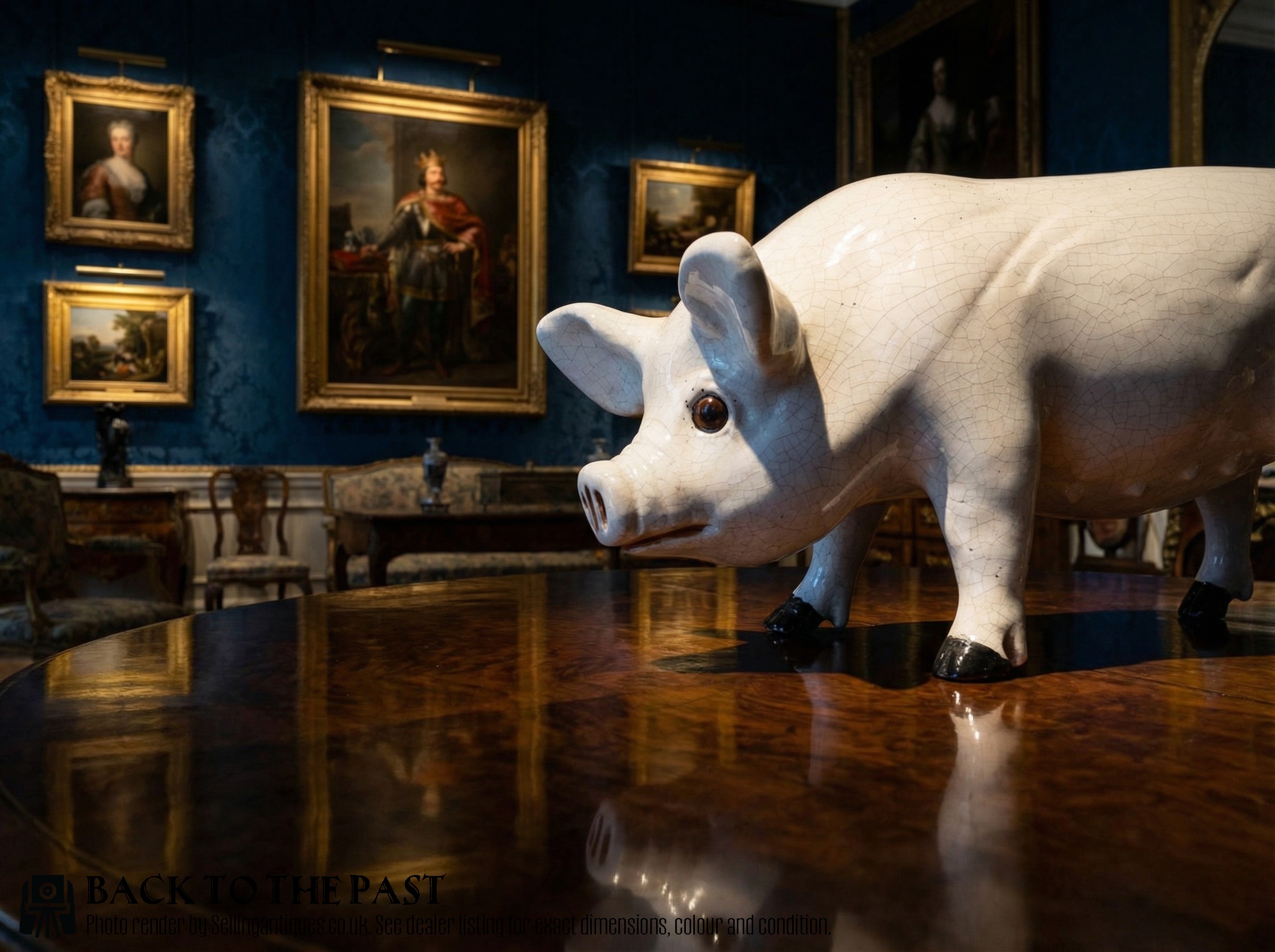
Glazed Earthenware Sculpture
When you search for glazed earthenware sculpture, you encounter figures and decorative objects shaped from porous clay and coated with vitreous finishes. The selections on this page span centuries of ceramic production, from early Chinese funerary figures to Victorian Staffordshire animals and twentieth-century studio pottery figurines.
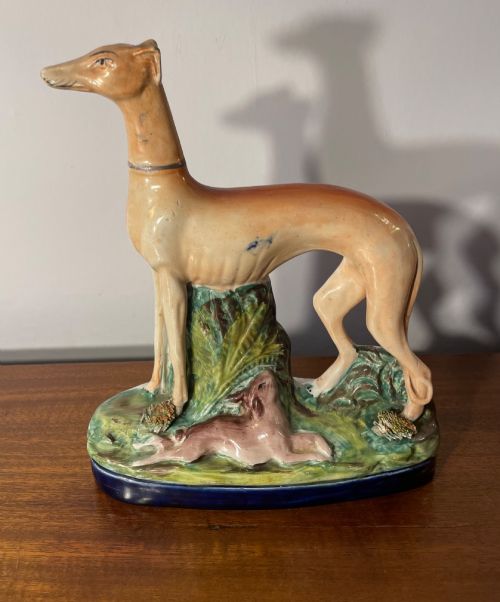
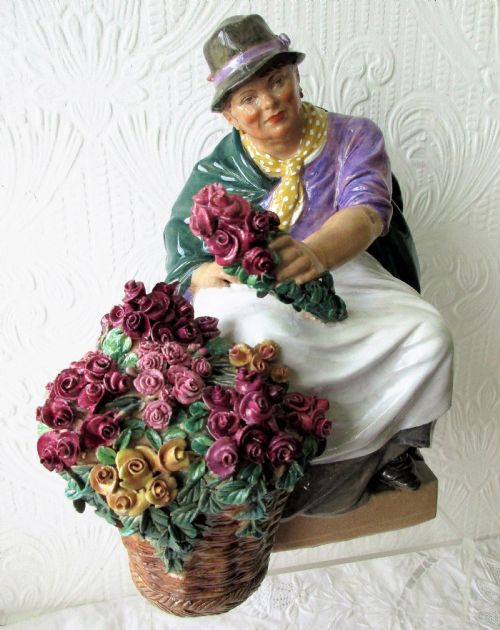
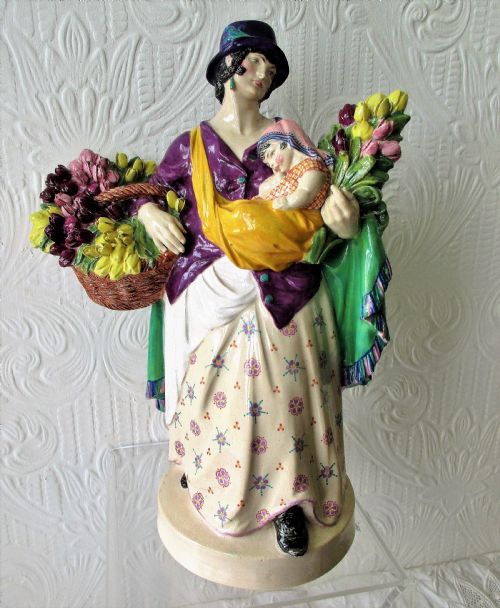
The forms range from functional bookends and roof ornaments to purely decorative parrots, lions, dogs and human subjects. English studio pieces by makers like Charles Vyse sit alongside continental examples, Chinese export works and Japanese Satsuma figures, offering a diverse array of sculptural styles.
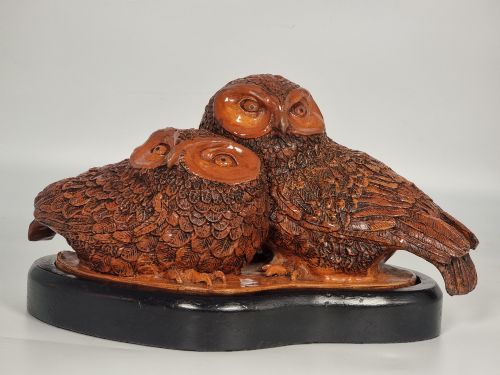
Victorian subjects include Crimean War groups, recumbent lions and Majolica figures of ladies with jars. Earlier works appear from the eighteenth century, alongside twentieth-century Art Deco pheasants and owls on ebonised bases.
Materials and techniques
Potters shape these pieces from earthenware clay, a porous ceramic body that fires at moderate temperatures. The raw clay is hand sculpted or moulded into the desired animal or human form before receiving its surface coating.
Makers apply liquid glazes, lead glazes or enamel colours to the biscuit body to provide colour and a protective vitreous sheen. Sancai glazes utilise characteristic amber, green and cream tones that run and pool across the modelled surfaces during firing.
Glazed Earthenware Sculpture Retail Price Guide 2026
Typical asking prices for glazed earthenware sculpture among the pieces listed under this phrase on Sellingantiques today, from the lower quarter to the upper quarter. They describe what is for sale here now, not the wider market.
A pottery owl stares unblinkingly from its ebonised base, guarding the mantelpiece with Victorian seriousness.
Assessing quality and execution
Quality rests in the vigour of the modelling and the control of the glaze surface. Crisp detail in the facial expressions of figures and the fur or feathers of animals distinguishes finer pieces from heavier, less articulate productions.
The depth and richness of the glaze finish dictate visual success. Smooth application that enhances rather than obscures the underlying sculptural form marks out the better examples across both English studio pottery and historical figures.
Charles Vyse·Thomas Parr·Albert Carrier·Le Manceau
The Glazed Earthenware Sculpture Glossary
- Earthenware
- Porous ceramic fired at a lower temperature than stoneware or porcelain. It requires a glaze to become impermeable to liquids.
- Sancai
- Three-colour glaze technique characteristic of Tang dynasty ceramics. It typically combines amber, green and creamy white tones.
- Majolica
- Opaque tin-glazed earthenware developed in the nineteenth century with vibrant coloured enamels. Minton produced notable examples in this style.
- Pearlware
- Refined earthenware with a thin glaze that pooled bluish in crevices. Ralph Wood utilised this body for eighteenth-century figures.
- Shishi
- Japanese Buddhist lion sculpture traditionally used as a temple guardian or roof ornament. They appear modelled in Kutani ceramic wares.
Glazed Earthenware Sculpture: Frequently Asked Questions
How do I clean my ceramic sculpture?
Dust the surface gently with a soft, dry brush to prevent dirt accumulation in the crevices of the modelling. Avoid using water or chemical cleaners on antique glazed earthenware, as moisture can penetrate porous bodies through microscopic crazing in the glaze.
Keep the piece away from direct sunlight and areas prone to heavy temperature fluctuations. Stable indoor conditions protect both the underlying clay body and the historical finish.
Are these figures waterproof?
Most antique glazed earthenware sculptures are decorative objects rather than functional vessels. Even though the glaze seals the exterior, the underlying clay body remains porous and susceptible to moisture damage.
Display them on flat, stable surfaces indoors. Roof ornaments and garden figures represent exceptions explicitly designed to withstand outdoor placement.
How can I tell the period of a figurine?
Dating relies on stylistic clues, glaze characteristics and the nature of the clay body beneath. Victorian Staffordshire figures display distinct modelling conventions compared to twentieth-century studio pottery or earlier Chinese works.
Examine the base of the piece for potting marks, crazing patterns and wear consistent with age. Comparing the subject matter to documented historical examples helps confirm the era of manufacture.