




French Glass Paperweight
A french glass paperweight brings remarkable tactile weight and sculptural form to a desk, capturing light through moulded and opalescent surfaces.
French Glass Paperweight
A french glass paperweight encompasses desk accessories, decorative dishes, and sculptural forms produced across the nineteenth and twentieth centuries. The selection on this page leans heavily toward twentieth-century production, particularly Art Deco pieces that double as paperweights, desk seals, and car mascots.
Makers and factories shaped glass into birds, animals, and mythological figures, utilising frosted, clear, and stained glass. These objects served functional roles on nineteenth-century writing desks or adorned early motor vehicles before finding a permanent place in cabinets.
How they were made
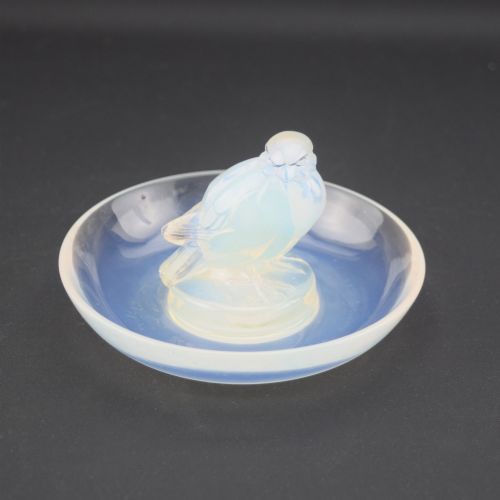
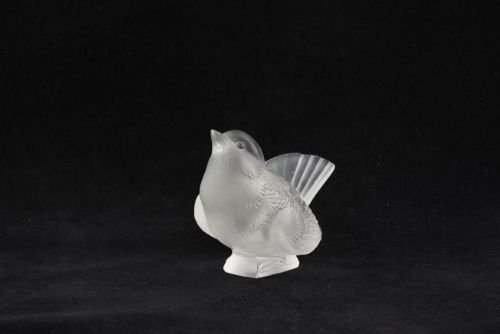
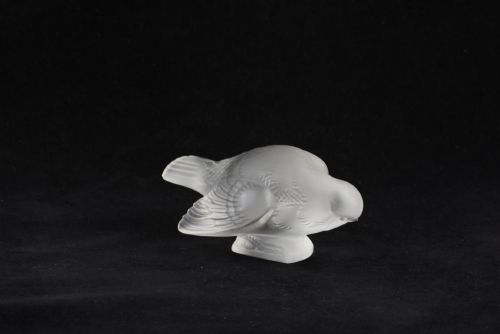
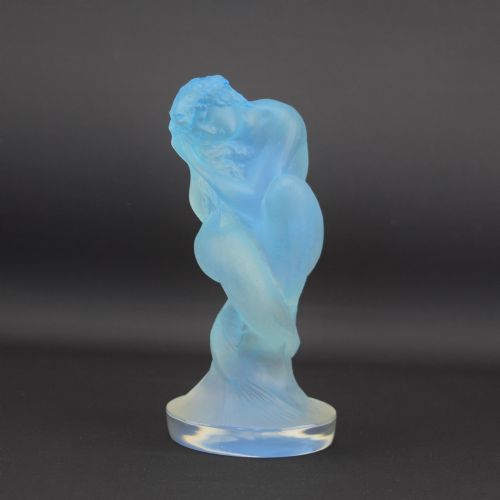
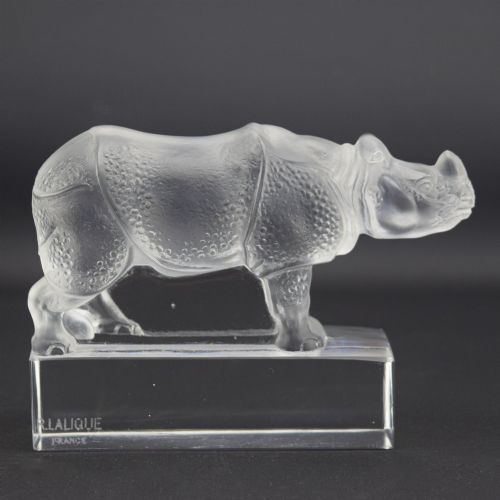
Maker workshops utilised moulding, pressing, and facet cutting to shape crystal, frosted glass, and opalescent glass. Artisans applied blue staining or surface patination to accentuate relief details on figures such as sparrows, fish, and human forms.
The technique balances optical clarity in clear crystal with diffused light in opalescent and frosted pieces. Heavy bases provide the necessary mass for desk use, while intricate surface carving creates depth in animal and figurative designs.
Listings feature items from the 1850s, 1860s, 1910s, 1920s, and 1930s, spanning Victorian, Art Nouveau, and Art Deco styles.
What varies in quality
The preservation of original surface stains, such as blue colouration in recessed areas, distinguishes better-surviving specimens. Weight, clarity, and the absence of distracting surface blemishes separate standard production from masterworks.
Rene Lalique·St. Louis
The French Glass Paperweight Glossary
- Opalescent glass
- Glass containing ingredients that cause it to milky-blue scatter light while appearing yellowish-brown against transmitted light. This optical effect defines many twentieth-century decorative objects.
- Moulded glass
- Glass formed by pressing molten material into a metal or wooden matrix to create relief patterns. It allows intricate figurative designs to be produced with consistent detail.
- Car mascot
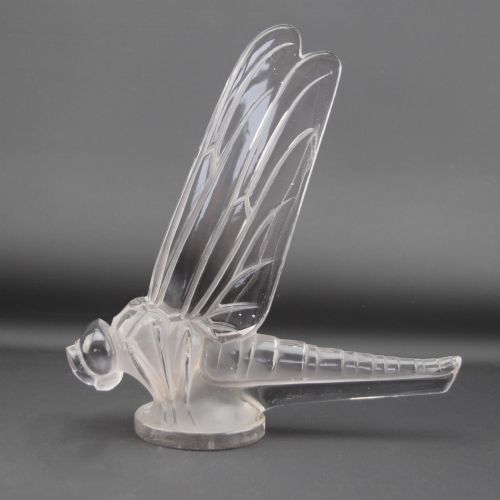
- A sculptural ornament mounted on the radiator cap of an automobile during the early twentieth century. Many glass examples double as heavy paperweights when removed from vehicles.
- Cachet
- A desk seal used for impressing wax on correspondence, often carved into the base of a glass figure. These small objects combined desk utility with sculptural display.
French Glass Paperweight: Frequently Asked Questions
How are these glass weights dated?
Dating relies on stylistic markers such as Art Deco or Victorian design traits, alongside known production periods for specific animal and human forms. Signatures and factory marks also help narrow the timeframe.
Comparison with documented workshop catalogues provides further clarity on when a particular model was first introduced or manufactured.
Were car mascots used on desks?
Many glass car mascots were mounted on heavy socles or bases to serve as desk paperweights once motor ornaments fell out of fashion. Their substantial weight suited both automotive display and paper management.
Collectors frequently find these sculptural pieces adapted for interior use with fitted metal or wooden bases.
What is opalescent glass?
Opalescent glass diffuses light to create a milky, semi-translucent appearance with bluish highlights on raised surfaces. It reacts strongly to changing light conditions.
This optical quality was utilised by French makers to give depth and luminosity to sculptural subjects like birds and fish.
How do I care for antique glass?
Maintenance requires gentle cleaning with warm water and a mild detergent, avoiding harsh chemicals that might damage delicate surface patination or staining. Soft cloths prevent scratching.
Displaying pieces away from direct, intense sunlight protects coloured and stained glass from fading over time.