



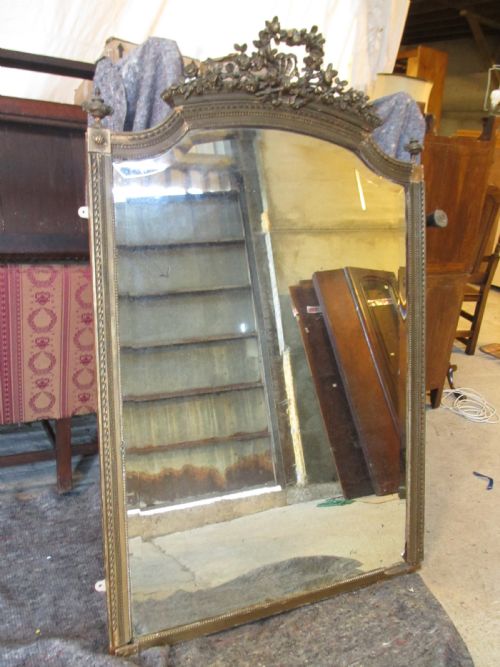
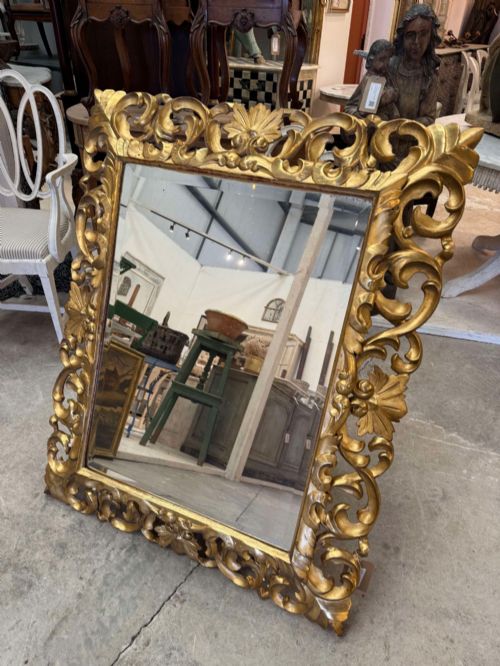
French Giltwood Wall Mirror
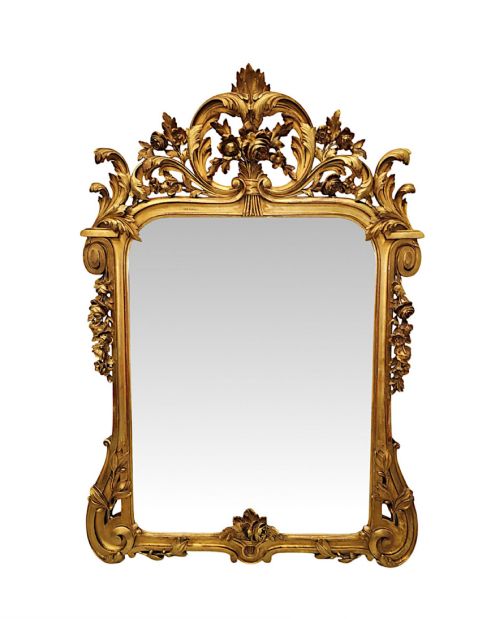
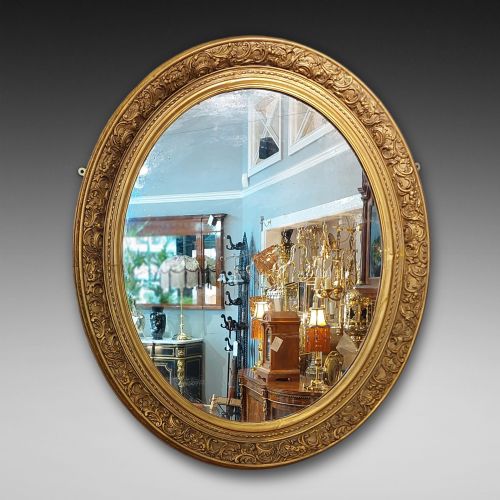
A french giltwood wall mirror brings decorative architectural scale and reflective light to an interior through gilded surfaces and carved wooden frames.
French Giltwood Wall Mirror
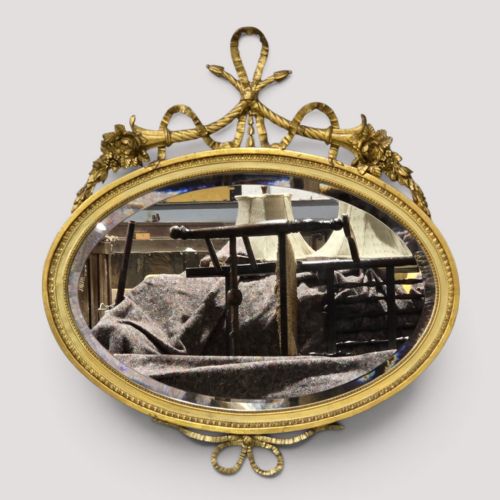
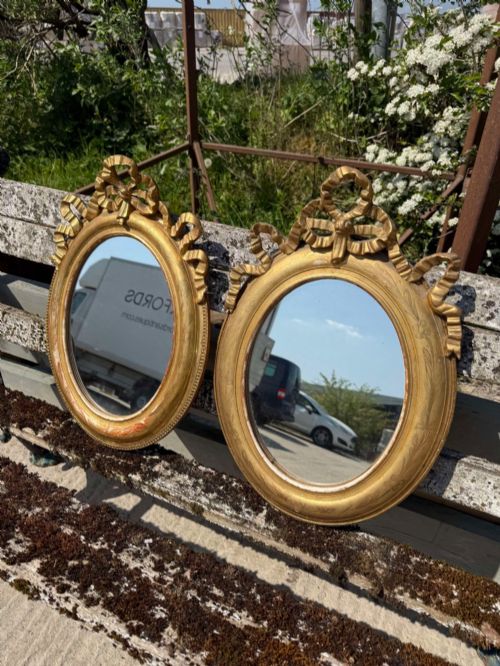
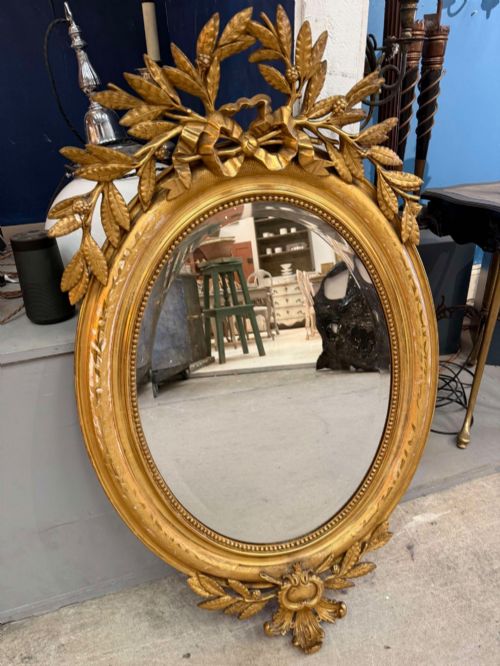
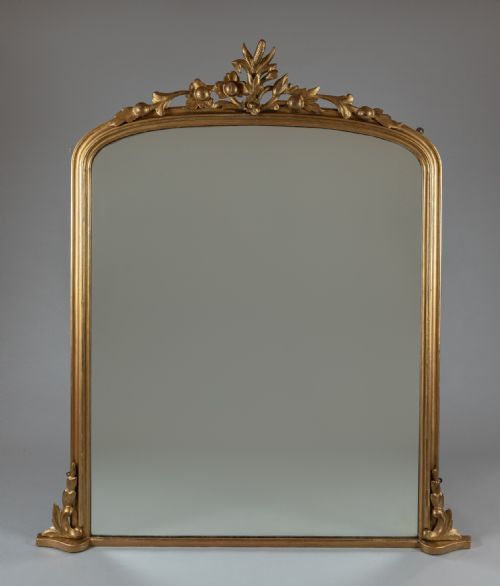
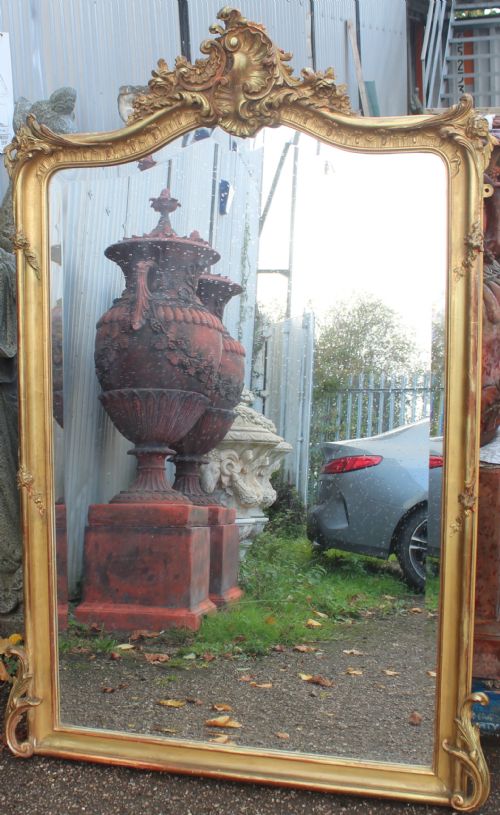
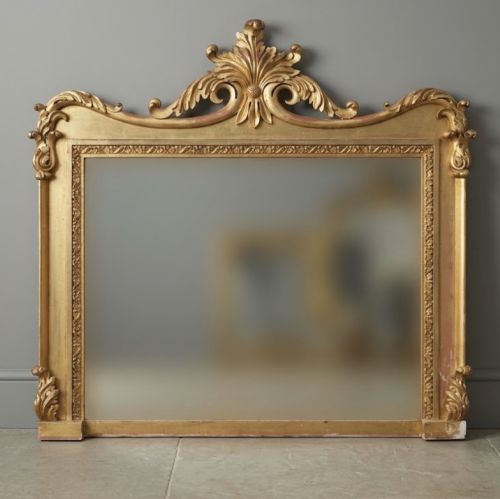
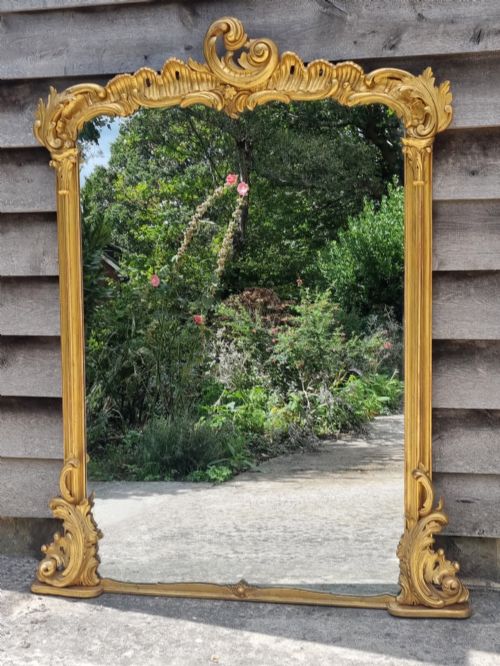
A french giltwood wall mirror typically takes the form of a large vertical pier glass, an architectural overmantel mirror designed for placement above a fireplace, or a full-length leaner mirror.
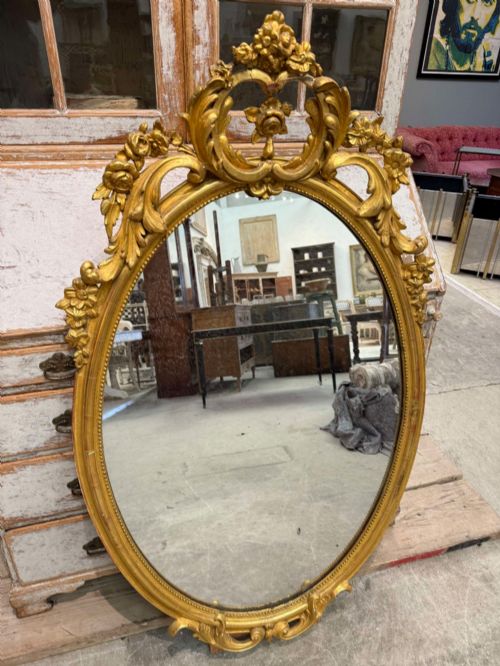
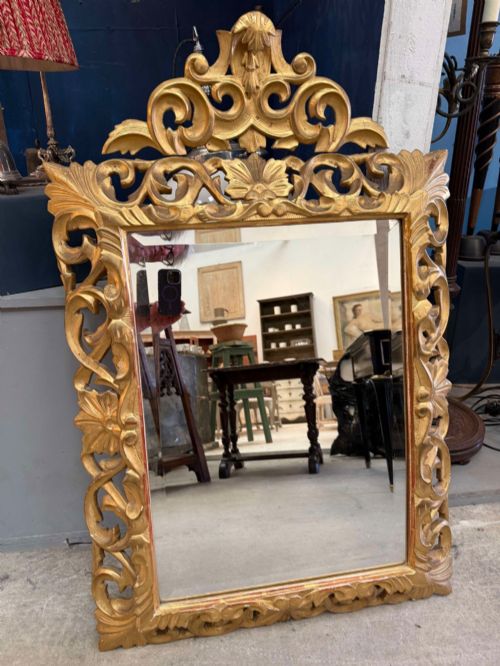
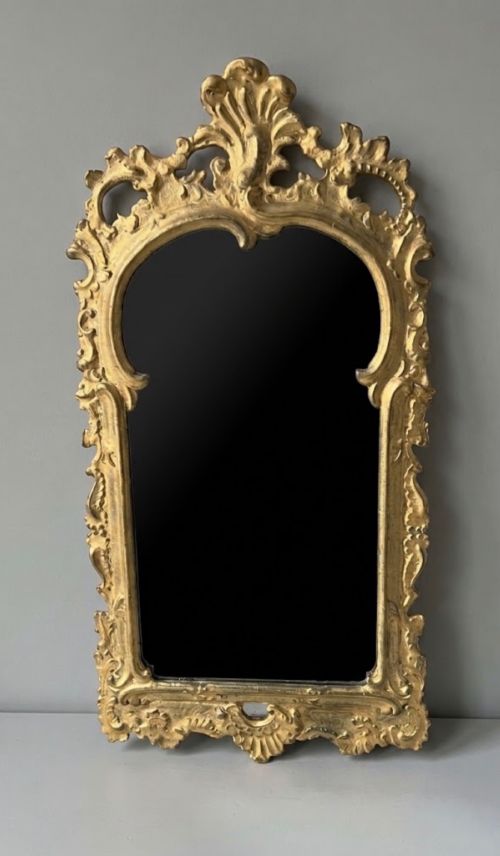
The pieces appearing on this page span several centuries, with nineteenth-century examples in nineteenth-century French, Rococo Revival, and Second Empire styles dominating the selection.
Originating largely from domestic French interiors and chateaux, these objects range from compact wall-hanging frames to monumental panels intended to dominate a principal reception room.
Materials and Construction
Makers constructed the foundational frames using timber such as pine or oak, frequently applying a layer of gesso to build up intricate relief ornaments before gilding.
Surface decoration relies on genuine gold leaf or composition applied to carved wood, sometimes paired with painted elements or silver-gilt sections.
Mirror plates include early mercury glass featuring characteristic foxing, alongside bevelled plates fitted into substantial rebated frames.
French Giltwood Wall Mirror Retail Price Guide 2026
Typical asking prices for french giltwood wall mirror among the pieces listed under this phrase on Sellingantiques today, from the lower quarter to the upper quarter. They describe what is for sale here now, not the wider market.
Materials recorded across the inventory include giltwood, gesso, mercury glass, composition, and painted wood.
Craftsmanship and Proportion
Quality reveals itself in the depth and crispness of the hand-carved ornamentation, where botanical motifs, mythological figures, and scrollwork show deliberate chisel work rather than soft moulding.
The integration of the frame joints and the preservation of the original gilding layers distinguish superior examples from pieces suffering from heavy over-gilding or structural compromise.
Paul Sormani
The French Giltwood Wall Mirror Glossary
- Giltwood
- Timber that has been coated with gold leaf. This finish provides a warm reflective sheen that ages with a distinctive patina.
- Gesso
- A plaster-like mixture applied to wooden frames as a base for carving and gilding. It allows for sharp, intricate decorative details.
- Pier Mirror
- A tall mirror designed to hang on the wall space between windows. These pieces often coordinate with a matching console table.
- Overmantel Mirror
- A wide mirror proportioned specifically to sit above a mantelpiece. They frequently feature landscape orientations and architectural framing.
- Mercury Glass
- An early type of mirror plate made by pouring a mercury amalgam behind glass. It commonly develops speckled dark spots known as foxing over time.
- Girandole
- A decorative wall mirror featuring attached candle sconces. The candle arms multiply the available light within a room.
French Giltwood Wall Mirror: Frequently Asked Questions
How do I hang a heavy giltwood mirror?
Large overmantel and pier mirrors require secure attachment directly into structural wall studs using appropriate heavy-duty brackets. Many tall examples are also designed to rest on the floor as leaner mirrors with supplemental wall tethering.
Professional installation is recommended for monumental pieces due to the combined weight of the timber frame and thick glass plate.
What is foxed mercury glass?
Foxed mercury glass refers to historical mirror plates where the reflective backing has oxidized and developed characteristic dark spots or clouding. This chemical ageing process creates a soft, uneven reflection valued for authenticity.
Such spotting indicates an older plate and helps confirm the period of the mirror.
How do I clean a gilded frame?
Gilded surfaces require gentle dusting with a soft, dry brush to remove accumulated particles without disturbing delicate gesso or leaf. Moisture and chemical cleaners must be avoided entirely to prevent stripping the historic finish.
Preserving the fragile gold surface maintains both the appearance and the historical integrity of the piece.
How do I distinguish Rococo Revival from Neoclassical styles?
Rococo Revival frames display asymmetrical scrolls, C-scrolls, and exuberant floral motifs inspired by eighteenth-century French design. Neoclassical examples favor symmetrical restraint, straight lines, classical architectural orders, and urn or laurel leaf details.
Examining the carved ornamentation reveals the specific stylistic vocabulary employed by the maker.