


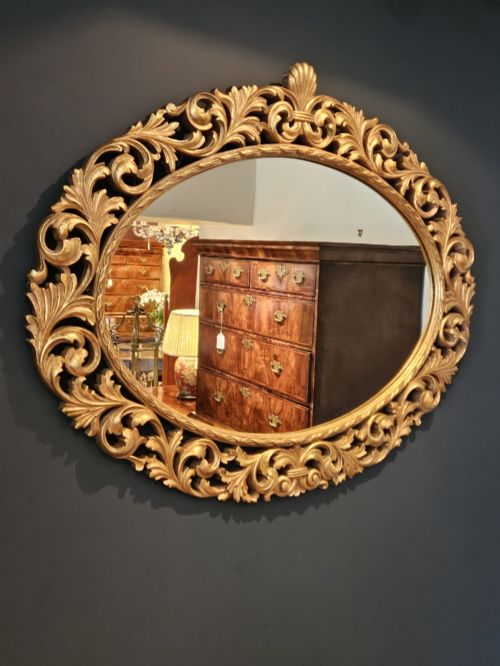
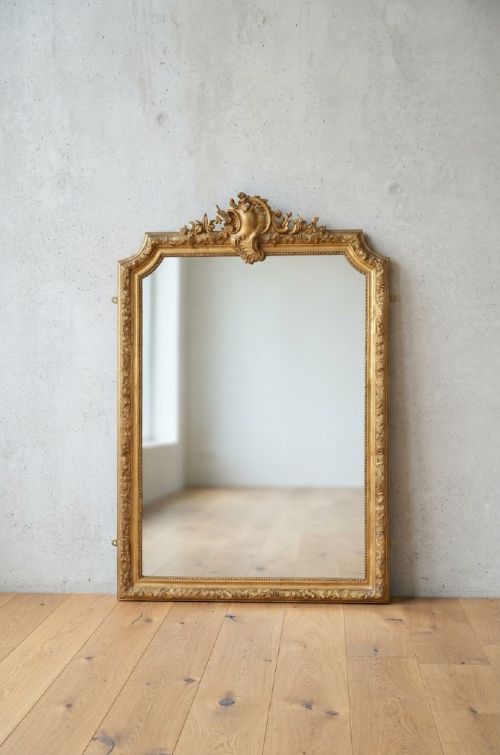
French Gilt Wall Mirror
A French gilt wall mirror brings warmth and reflective depth to a room through centuries-old craftsmanship and ornate gilded framing.

French Gilt Wall Mirror
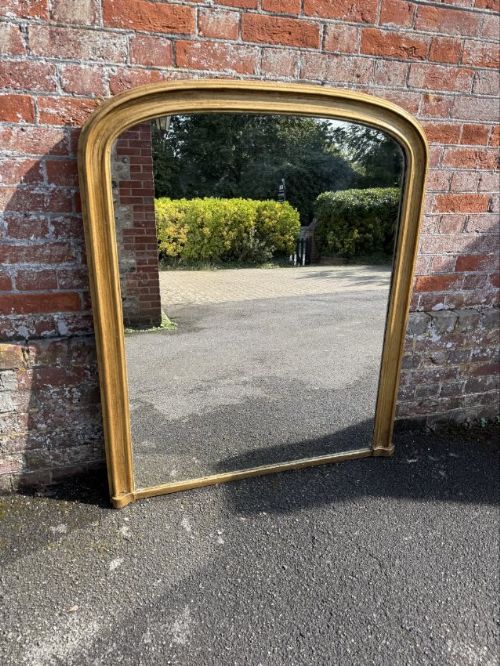
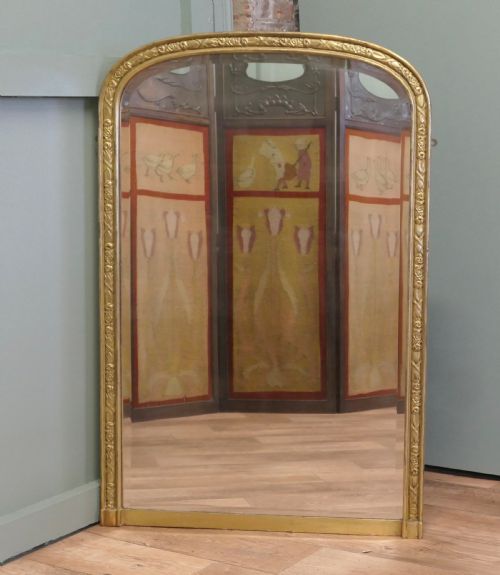
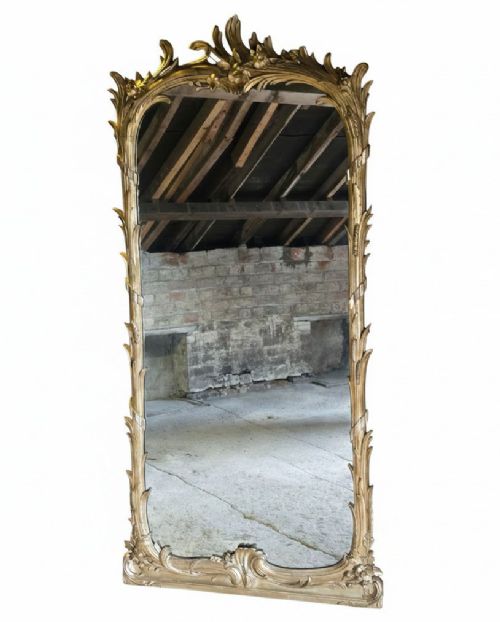
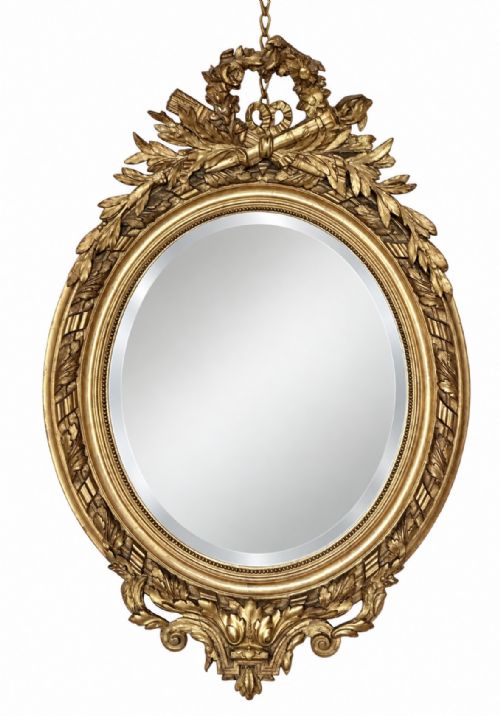
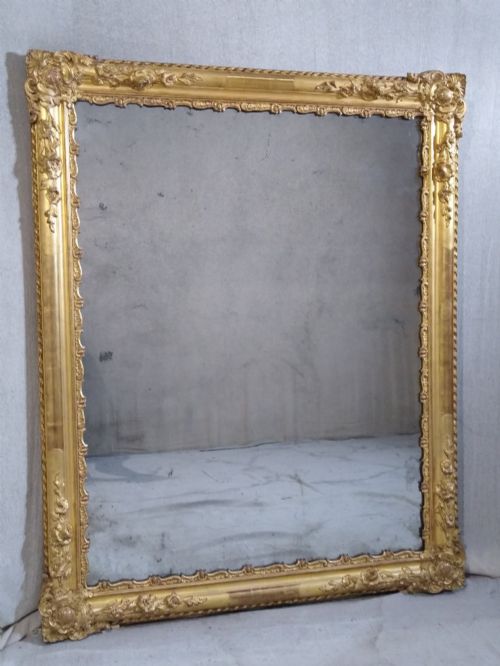
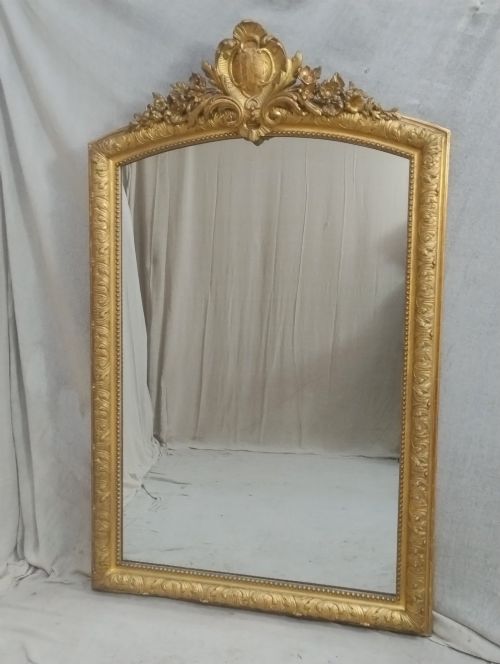
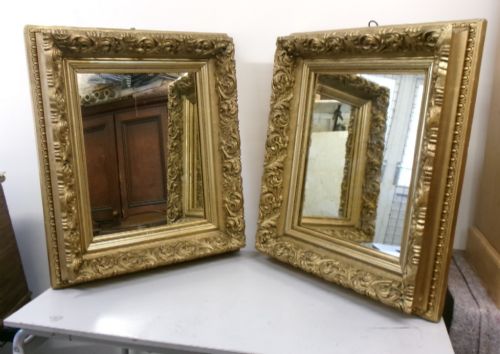
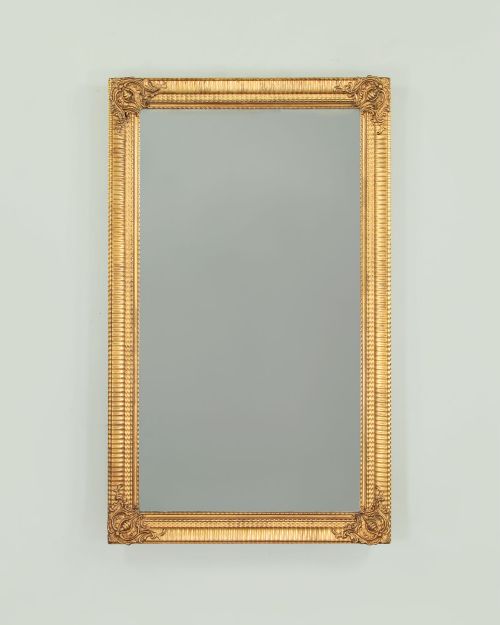
A french gilt wall mirror encompasses large overmantles, rectangular Louis Philippe plates, and exuberant Rococo Revival pieces originating from the eighteenth to the early twentieth century.
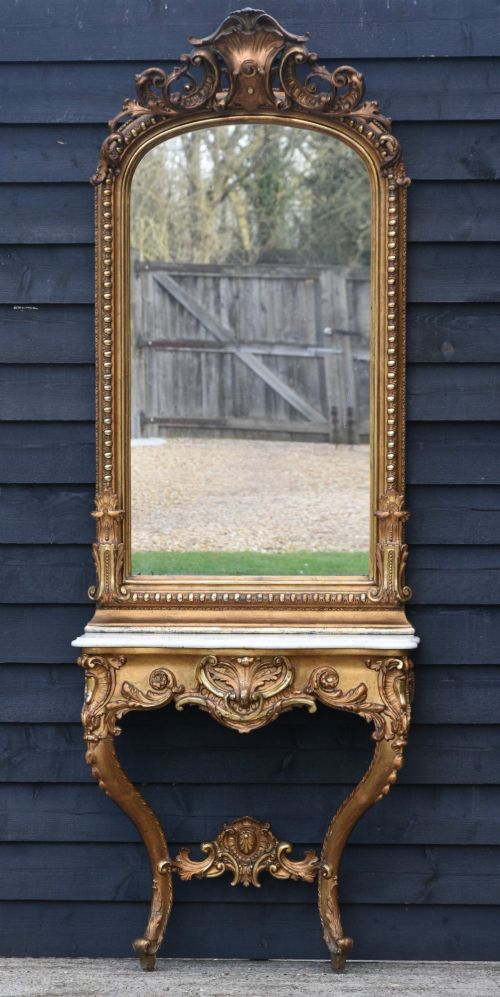
Buyers encounter substantial carved wood frames alongside plaster and gesso compositions designed to anchor a chimney breast or hang above a console table.
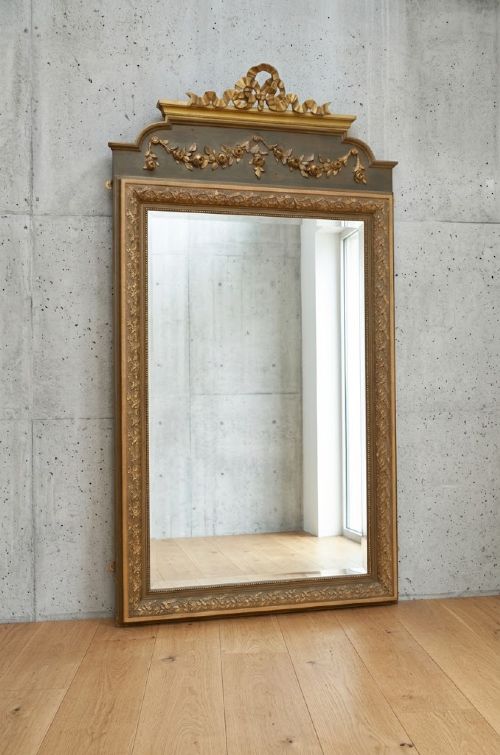
Pieces range from architectural leaner mirrors intended for full-length placement to smaller girandoles fitted with candle sconces.
Materials and Construction
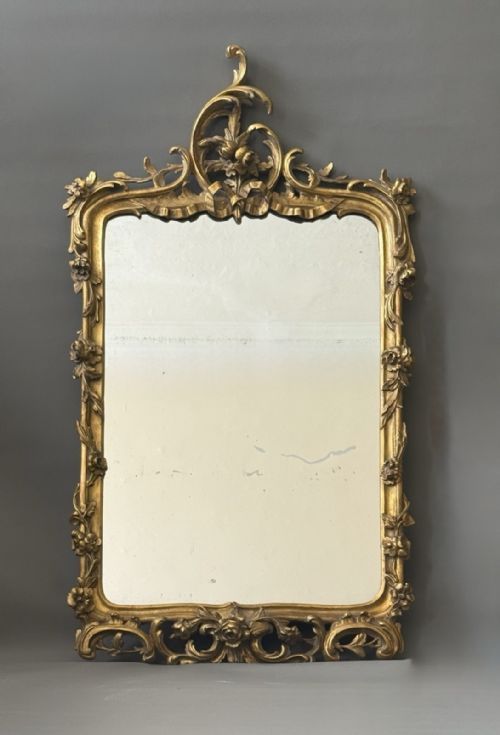
Carved timber frames provide the structural core for most pieces, often overlaid with moulded gesso or composition paste to build up intricate floral, ribbon, or scroll motifs.
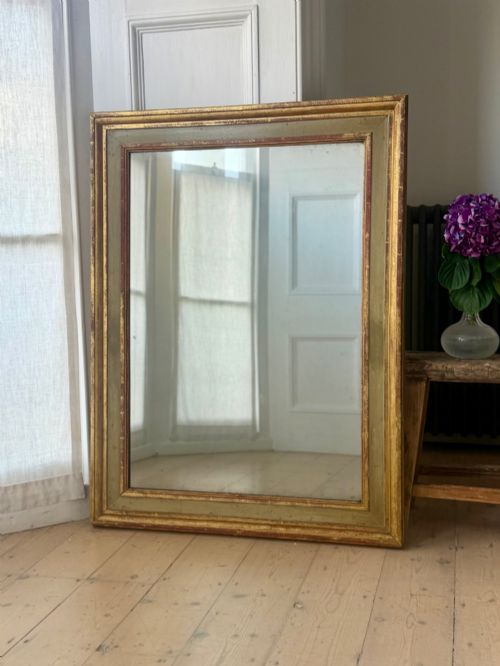
Gilding is achieved using thin sheets of gold leaf or metal gilt applied to a prepared ground, while underlying structures utilise traditional joinery.
Mirrors frequently retain their original mercury glass plates, identifiable by distinctive foxing and age spots, alongside later bevelled replacements.
French Gilt Wall Mirror Retail Price Guide 2026
Typical asking prices for french gilt wall mirror among the pieces listed under this phrase on Sellingantiques today, from the lower quarter to the upper quarter. They describe what is for sale here now, not the wider market.
Convex convex mirrors are historically known as 'witch's eyes', once believed to protect households by capturing evil spirits in their curved glass.
Quality and Detail
Depth and crispness of hand-carved wood ornamentation distinguish superior frames from simpler moulded composition examples.
The integrity of the original gilding and the character of the mirror plate, whether clear or softly foxed by time, dictate the visual presence of the piece.
Proportion and scale determine desirability, with monumental overmantles and tall pier mirrors commanding greater architectural impact.
Paul Sormani
The French Gilt Wall Mirror Glossary
- Gesso
- A plaster-based mixture applied to wood frames to create a smooth surface for subsequent gilding or painting. It accepts deep relief moulding well.
- Overmantel
- A large mirror specifically proportioned to hang on the wall directly above a fireplace mantelpiece. These often feature landscape orientations.
- Mercury glass
- A double-walled glass blown type silvered with a mercury amalgam between the layers before nineteenth-century chemical silvering processes took over. It creates a cloudy, atmospheric reflection.
- Louis Philippe
- A mid-nineteenth-century French style characterised by simple, elegant arched tops and minimal geometric framing. It balances restraint with decorative presence.
- Girandole
- A decorative wall mirror featuring attached candle sconces or branch holders designed to multiply candlelight in a room.
French Gilt Wall Mirror: Frequently Asked Questions
How do I date a French gilt wall mirror?
Dating relies on examining the frame style, construction techniques, and the backing boards or mirror plate. Eighteenth-century examples display hand-carved details and heavy mercury glass, whereas later nineteenth-century pieces often incorporate moulded composition ornament.
Changes in gilding methods and screw types also help narrow down the decade of production between the Regency and Belle Époque periods.
What is mercury glass?
Mercury glass refers to double-walled blown glass silvered between the layers with a liquid mercury amalgam, sealed at the base. This technique produces a characteristic mottled reflection known as foxing.
Older mirrors retain this authentic ageing process, which distinguishes them from twentieth-century chemical silvering.
Can I hang a heavy overmantel mirror safely?
Large overmantel mirrors require secure wall fixings tied directly into masonry or heavy timber studs due to their substantial weight. Professional mirror hangers utilise robust brackets distributed across the frame structure.
Resting a tall leaner mirror against a wall also requires floor anchors to prevent tipping.
How should I clean a antique gilt frame?
Antique gilt surfaces require gentle dusting with a soft, dry brush to remove particles without disturbing delicate gesso or gold leaf. Moisture and modern chemical cleaners damage historical gilding and vulnerable composition ornaments.
Professional conservation is recommended for securing loose sections of carved wood.