


French Gilt Timepiece
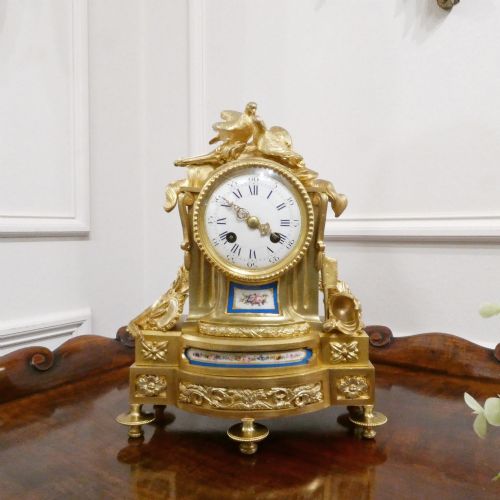
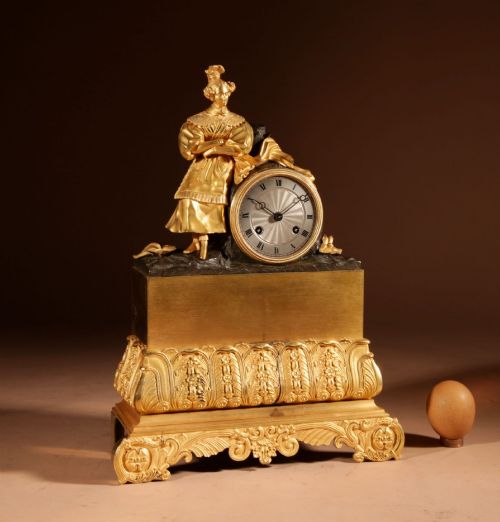
A French gilt timepiece brings heavy ormolu, polished brass and intricate dial work into a room.
French Gilt Timepiece
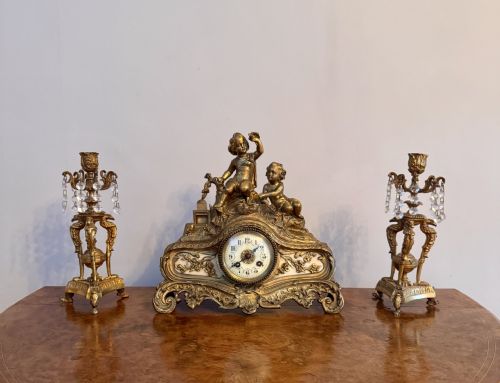
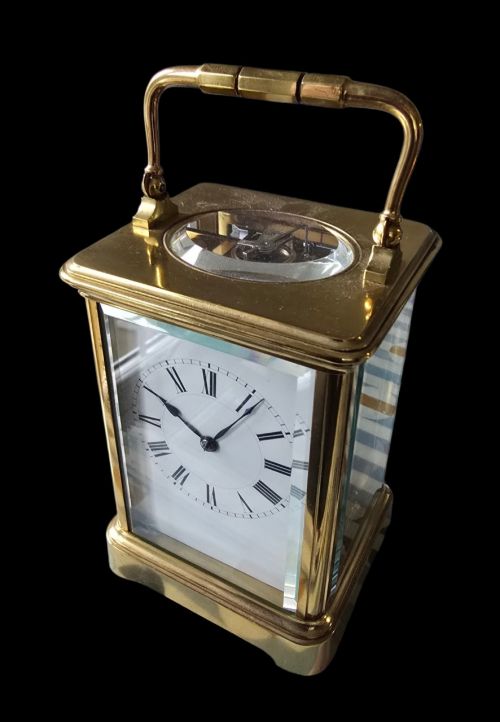
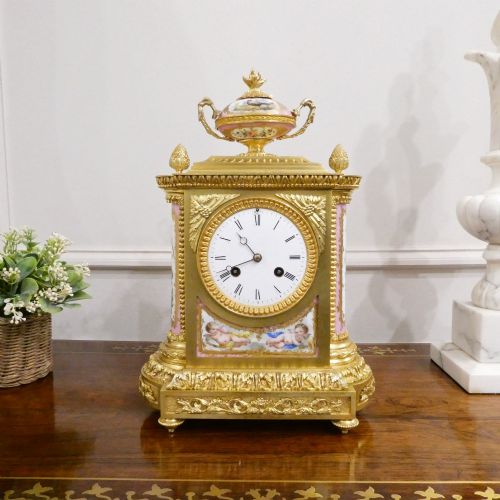
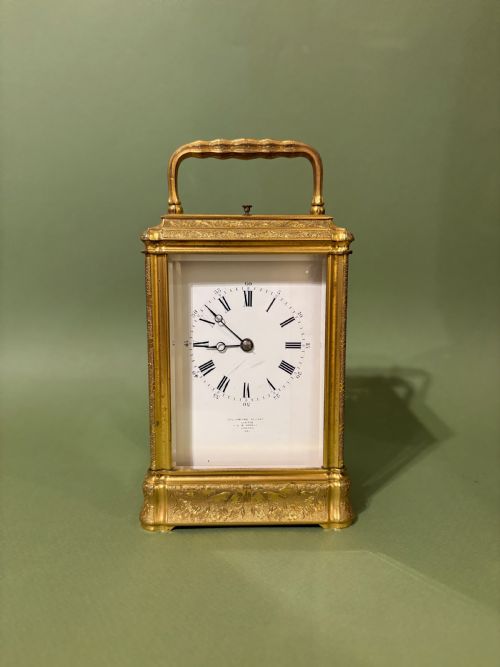
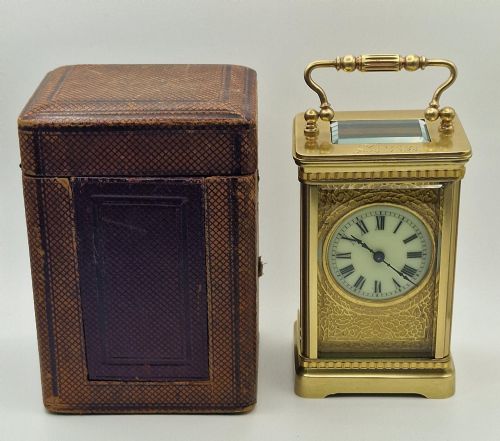
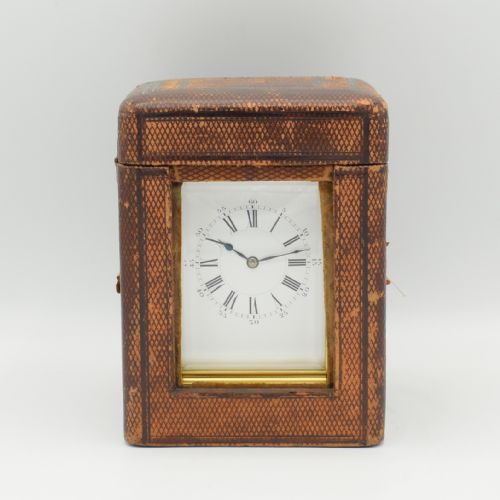
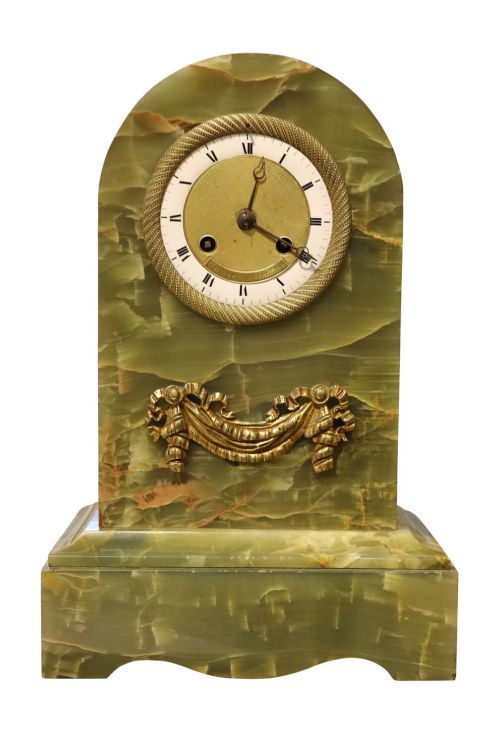
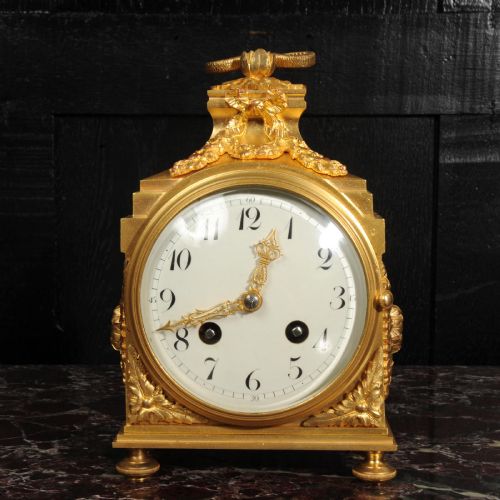
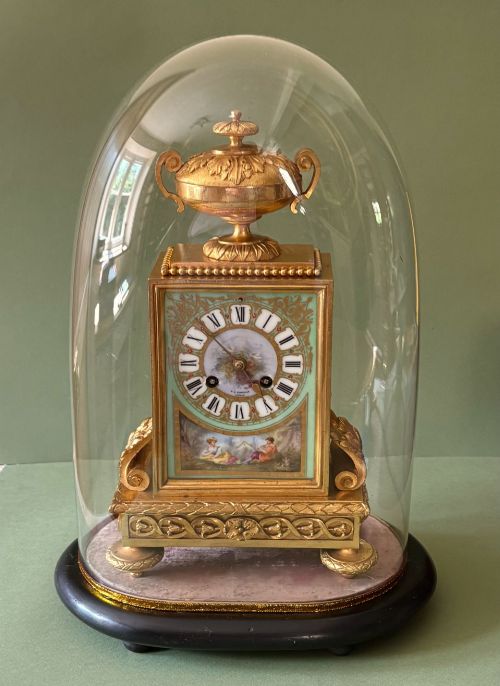
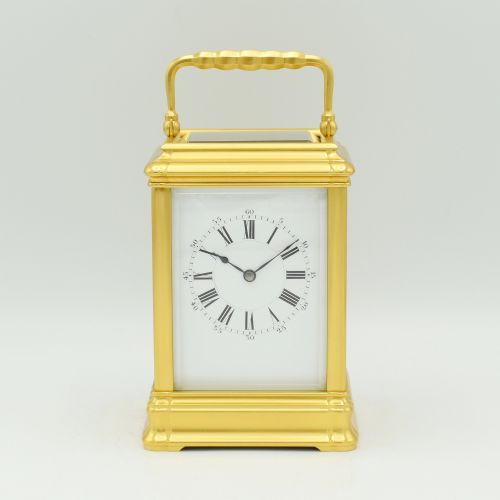
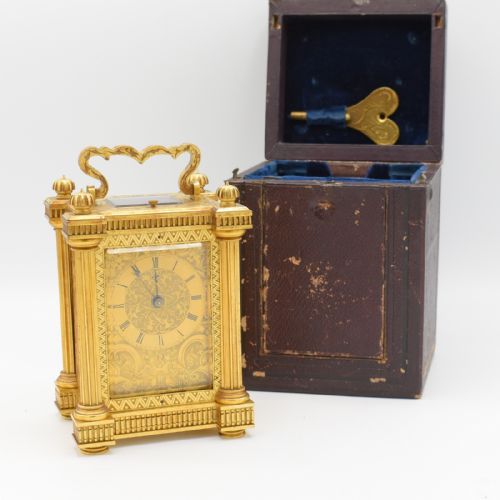
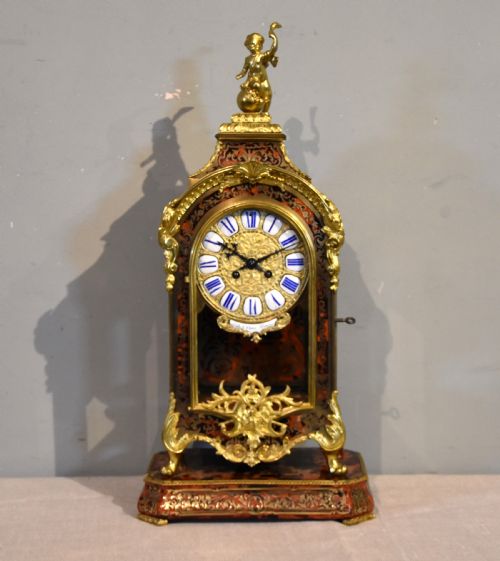
A french gilt timepiece sits on a mantelpiece or travels in a leather case, taking the form of large portico clocks, figurative mantel pieces and brass carriage clocks. The items appearing here date from the nineteenth century, including specific decades from eighteen fifty to nineteen hundred.
Buyers encounter heavy ormolu and gilt bronze mantel clocks alongside smaller carriage clocks housed in glass and brass. Many pieces display classical figures, putti, or floral enamel dials characteristic of nineteenth century French workshops.
Materials and construction methods
Maker workshops utilised fire gilding or electrogilding on bronze and brass to achieve a rich golden surface. Ormolu mounts are joined to marble, onyx, or porcelain bodies using threaded pins and screws.
Clockmakers fitted eight day mechanical movements, often incorporating bell strikes or repeating mechanisms. Dial faces feature painted enamel numerals protected by bevelled glass panels.
French Gilt Timepiece Retail Price Guide 2026
Typical asking prices for french gilt timepiece among the pieces listed under this phrase on Sellingantiques today, from the lower quarter to the upper quarter. They describe what is for sale here now, not the wider market.
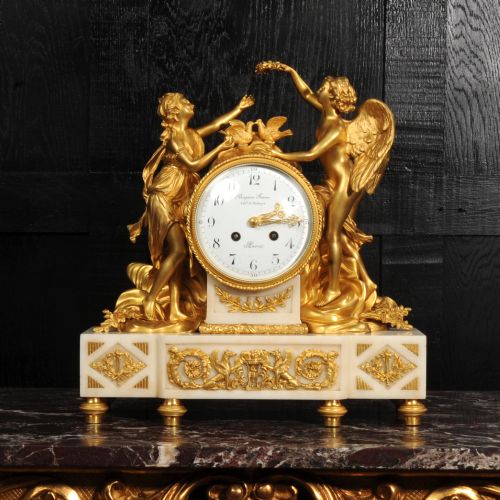
Cupid and Psyche watch over the passage of time from atop an ormolu clock while an elephant holds up a dial with its trunk.
Distinctions in craftsmanship
The precision of the cast bronze work separates ordinary production from exceptional items. Crisp chasing on ormolu figures and deep engraving on carriage clock cases show the hand of a skilled artisan.
The complexity of the movement dictates the standing of the piece. Spring driven movements with repeating complications and signed backplates hold greater mechanical interest than standard time-only mechanisms.
Bagues Freres Paris·Henri Jacot·Jean Baptiste Delettrez·Charles a Orleans·Le Roy Paris·Philippes Paris·Howell and James London·Viner London
The French Gilt Timepiece Glossary
- Ormolu
- Gilt bronze produced by applying a finely ground mercury and gold amalgam to bronze, then heating the piece to drive off the mercury. This technique creates a durable golden finish with a warm lustre.
- Carriage clock
- A portable spring driven timepiece designed for travel, housed in a brass frame with bevelled glass sides and a pivoting handle on top.
- Garniture
- A set consisting of a central clock flanked by matching decorative objects such as urns or candelabra, intended for display on a mantelpiece.
- Champlevé
- An enamelwork technique where troughs are dug into a metal surface, filled with vitreous enamel powder, and fired until fused.
- Pendule d'Officier
- A small military style French timepiece with a sturdy carrying case and a visible escapement, designed for officers on campaign.
French Gilt Timepiece: Frequently Asked Questions
How do I wind a carriage clock?
Insert the key into the square arbor on the backplate and turn it gently clockwise until you feel resistance. Do not overwind the mainspring.
Move the hands only by the minute hand, turning it forward to the correct time. Avoid turning hands backward on striking or repeating models.
What is a repeating carriage clock?
A repeating mechanism sounds the last hour and quarters on demand when a small button on top of the case is pressed. This allowed owners to check the time in the dark.
These complicated trains require careful handling and professional servicing to maintain proper synchronisation between the striking levers and the gear train.
Where should I place my mantel clock?
Select a sturdy, level surface away from direct sunlight, dampness, and strong drafts. A stable mantelpiece or heavy sideboard prevents vibrations that can disrupt the pendulum beat.
Ensure the clock rests squarely so the escapement ticks with an even beat. Adjust the leveling feet if the surface is uneven.
How do I date a French clock?
Examine the style of the case, the materials used, and any signatures or serial numbers stamped on the brass movement backplate. Stylistic cues such as Louis XVI revival or Empire motifs point to specific decades.
Maker signatures and registration marks often cross-reference with historical maker records. This helps narrow down the exact period of production.