
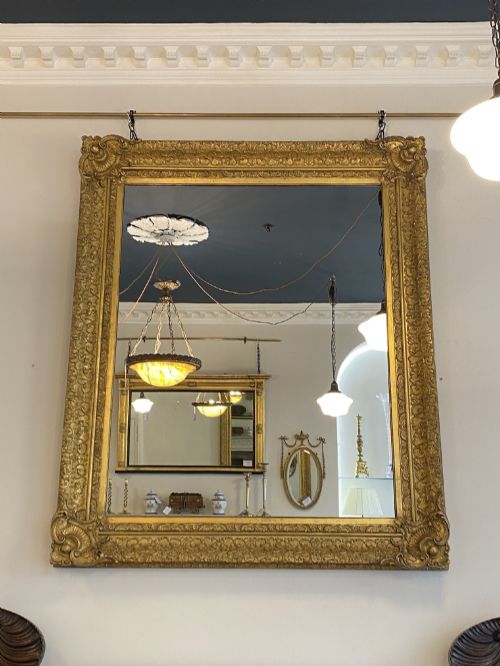
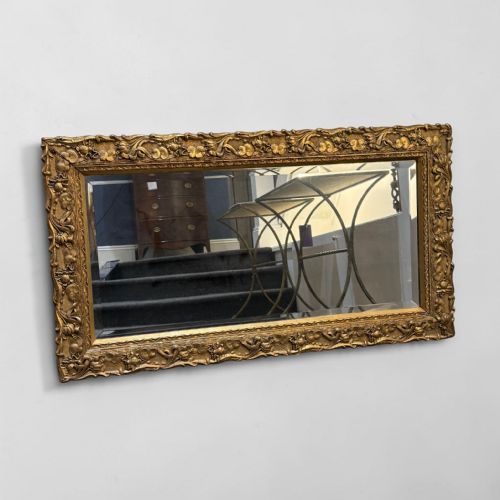
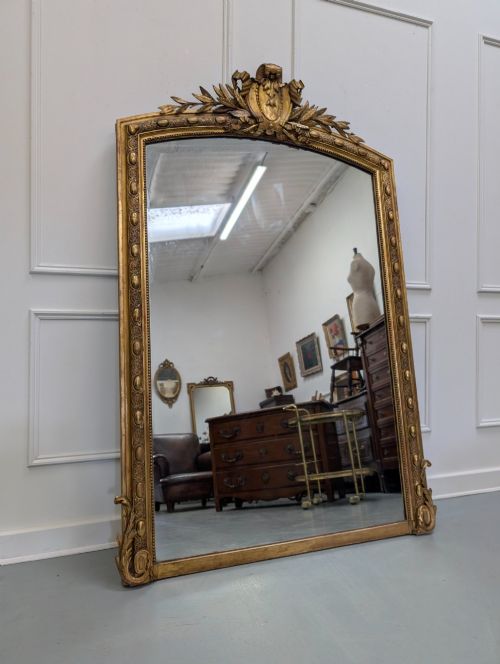
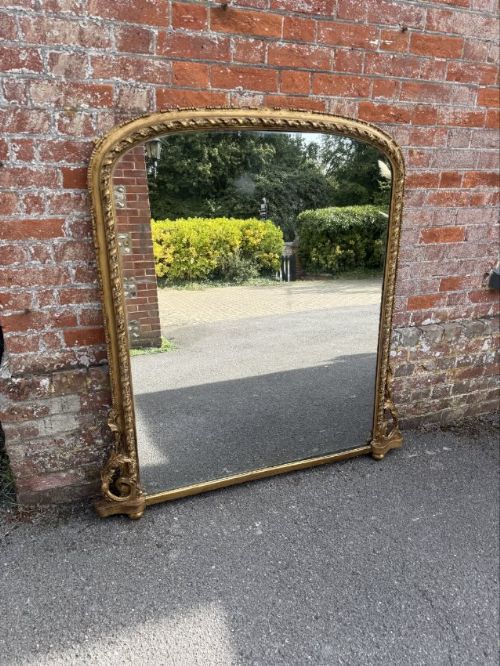
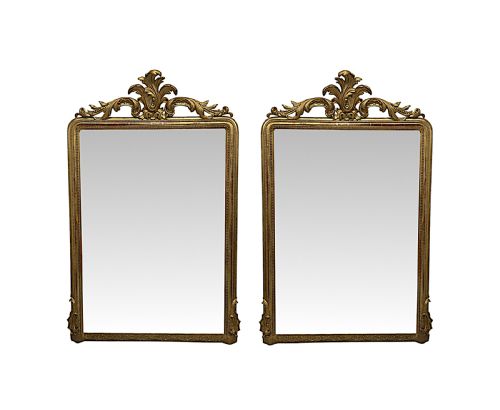
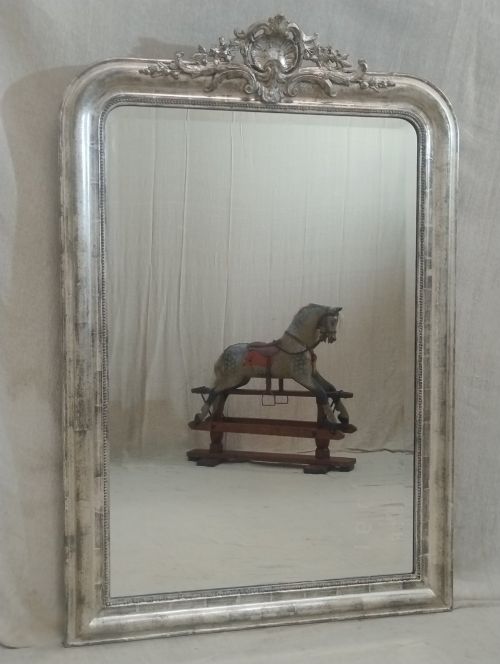
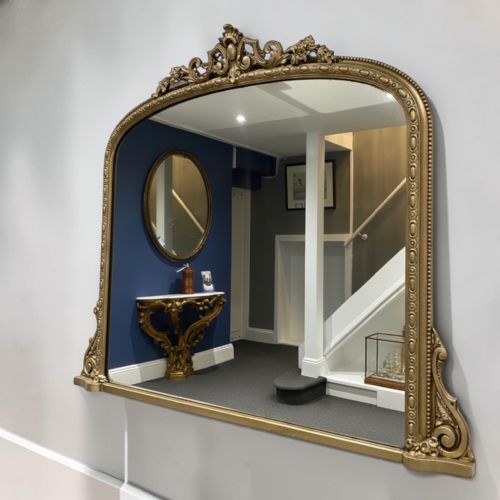
French Gilt Framed Mirror
A french gilt framed mirror brings warmth and reflective depth to a room through centuries-old craftsmanship.
French Gilt Framed Mirror
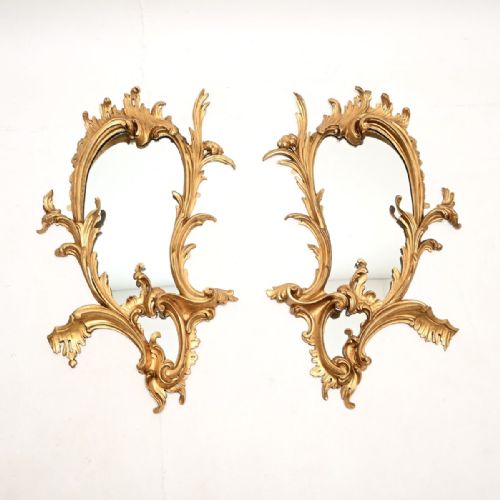
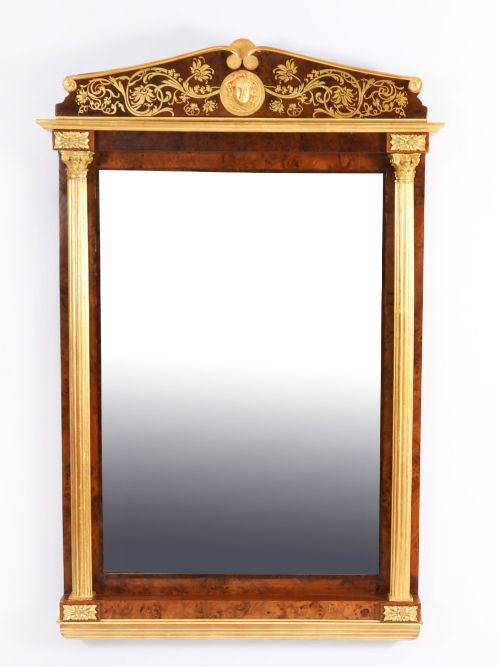
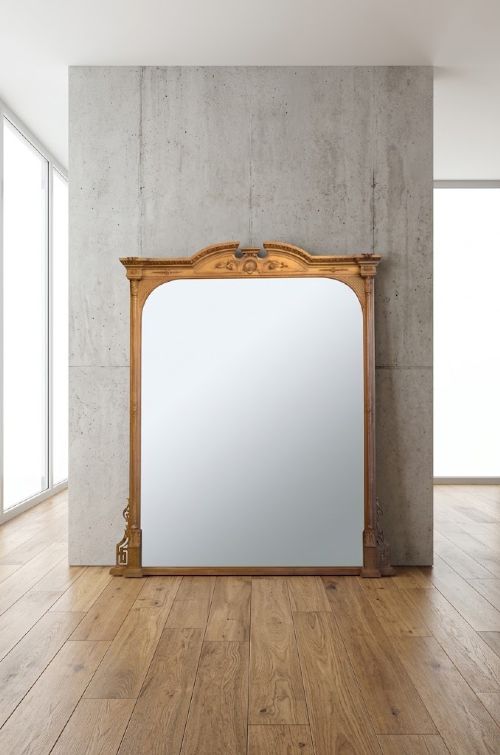
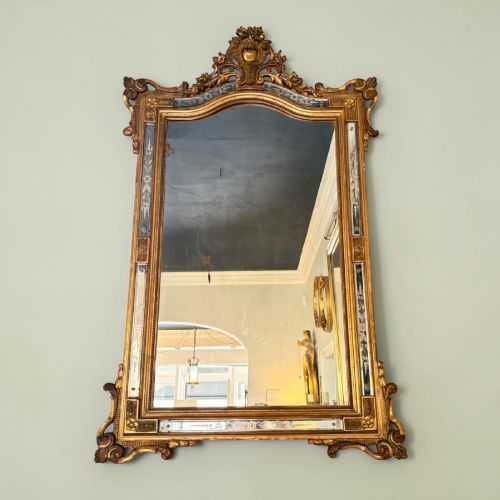
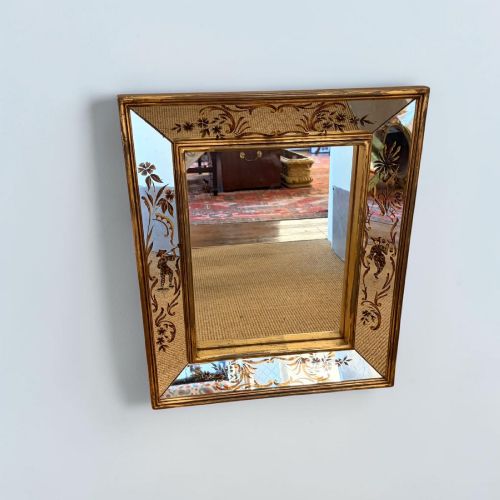
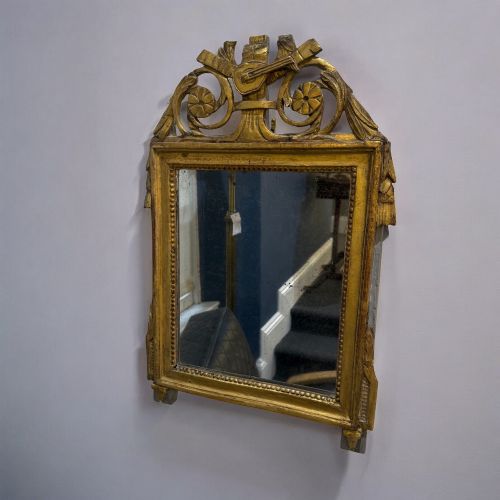
A french gilt framed mirror encompasses a range of wall-hanging, overmantel, and pier glass forms designed to reflect light and expand interior spaces. Search results for a french gilt framed mirror reveal pieces spanning the eighteenth, nineteenth, and early twentieth centuries, drawing on Louis Philippe, Rococo, and Neoclassical styles.
The most common examples encountered on this page date from the nineteenth century, reflecting the ornate tastes of the Victorian and Napoleon III periods. These range from tall trumeau mirrors incorporating pastoral oil paintings to broad overmantels shaped with arched tops.
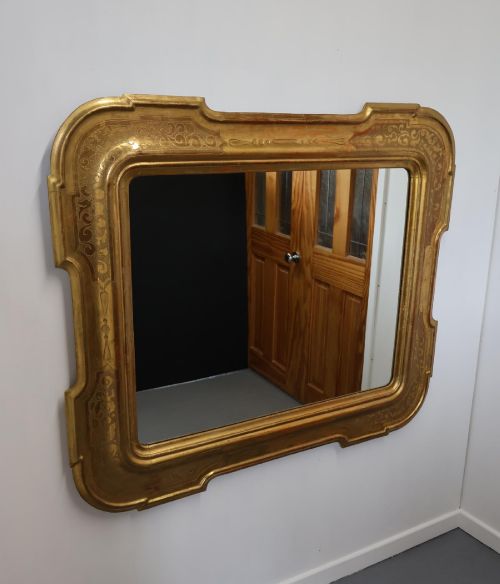
Makers and artisans across France and England utilised carved wood and composition mouldings finished in gold leaf or gilt paint to achieve these decorative wall fixtures.
How they were made
Makers constructed the structural frames using timber such as pine or hardwood, often applying a layer of gesso to create smooth surfaces for detailed ornamentation. Artisans carved floral motifs, laurel leaves, and rope twists directly into the wood or moulded composition paste applied over the base.
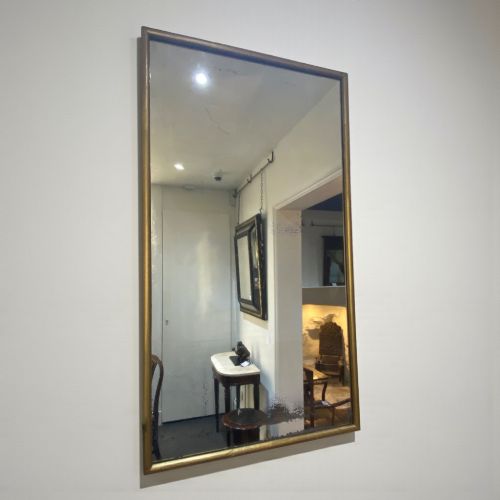
Guilders then applied gold leaf, silver-gilt, or metallic paint to the prepared frames, sometimes combining gilding with painted wood or parcel gilt accents. Original glass plates within these frames frequently consist of mercury glass, characterised by foxing and dark spots resulting from the historical silvering process.
Some nineteenth-century looking glasses include hidden pencil inscriptions left by frame makers tucked behind the original pine backboards.
What varies in quality
The standard of a french gilt framed mirror depends on the depth and crispness of the hand-carved ornamentation upon the wooden substrate rather than pressed composition mouldings. Superior examples retain their original mercury glass plates and uncompromised gold leaf surfaces that display natural patination over time.
Structural integrity of the timber frame, original backboards, and the harmonious execution of period styles such as Louis Philippe or Rococo Revival distinguish finer historical pieces from later reproductions.
The French Gilt Framed Mirror Glossary
- Gesso
- A plaster-like mixture applied to wooden frame foundations to provide a smooth surface for gilding or carving. This material allowed artisans to fashion intricate relief decorations.
- Mercury glass
- A silvered glass type produced by pouring a mercury amalgam between double-walled glass or coating single sheets historically. It develops characteristic dark spots and foxing over the decades.
- Trumeau mirror
- An architectural mirror fitted into wall panels, frequently paired with an oil painting or decorative carving set above the glass plate. These originated in grand interior schemes.
- Overmantel mirror
- A large horizontal looking glass designed specifically to hang above a fireplace mantelpiece. They often feature arched tops or heavily decorated crests.
- Giltwood
- Timber that has been coated with thin sheets of gold leaf or gold powder. It provides a luminous finish that reacts warmly to interior candlelight and daylight.
- Pier glass
- A tall mirror manufactured to fit the narrow wall space between two windows. They frequently match console tables placed below them.
French Gilt Framed Mirror: Frequently Asked Questions
What is a trumeau mirror?
A trumeau mirror combines a vertical glass plate with an integrated decorative painting or carved panel positioned directly above it. These architectural fixtures were designed to fit specific wall panels in period rooms.
They serve as striking focal points above low furniture or mantelpieces, bringing both artwork and reflected light into a space.
How do I identify mercury glass?
Mercury glass exhibits a distinctive mottled appearance with dark spots, cloudiness, and speckling known as foxing behind the reflective surface. This occurs as the historical backing material ages and reacts over time.
Unlike modern uniform glass, authentic antique plates show uneven reflectivity and soft distortion.
Where should I hang an overmantel mirror?
An overmantel mirror is traditionally hung directly above a fireplace mantelpiece to anchor the room's central hearth. Their wide proportions and arched shapes fill large vertical wall spaces effectively.
They also function well on prominent drawing room walls where their size can reflect maximum natural light.
What is the difference between gesso and carved wood?
Carved wood involves shaping the actual timber frame using gouges and chisels to form intricate motifs like leaves and scrolls. Gesso is a plaster mixture applied over wood to build up softer, moulded relief details.
Many antique frames utilise a combination of both techniques to achieve ornate decorative depth.
How do I care for antique gilt frames?
Antique gilt frames require gentle dusting with a soft, dry brush to protect delicate gold leaf and gesso surfaces. Avoid using liquid cleaners, chemical sprays, or damp cloths which can strip or damage the historic finish.
Keep them away from direct sunlight and excessive moisture fluctuations to preserve the wood and gilding.