

French Gilt Fixture
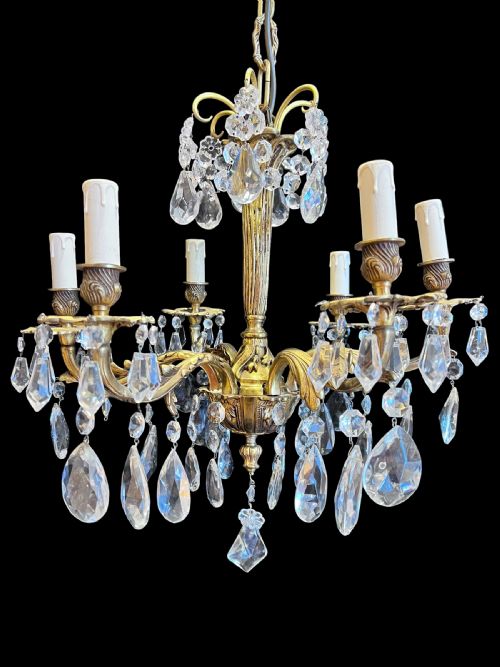
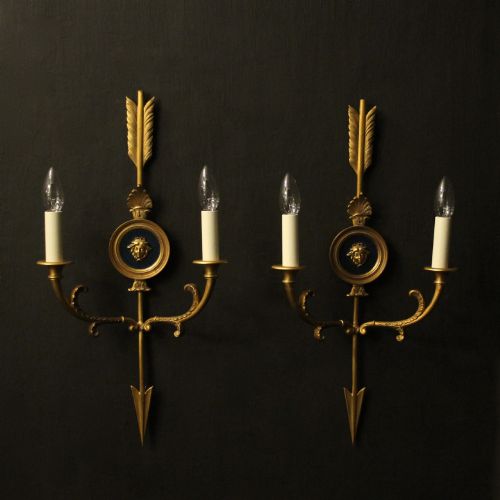
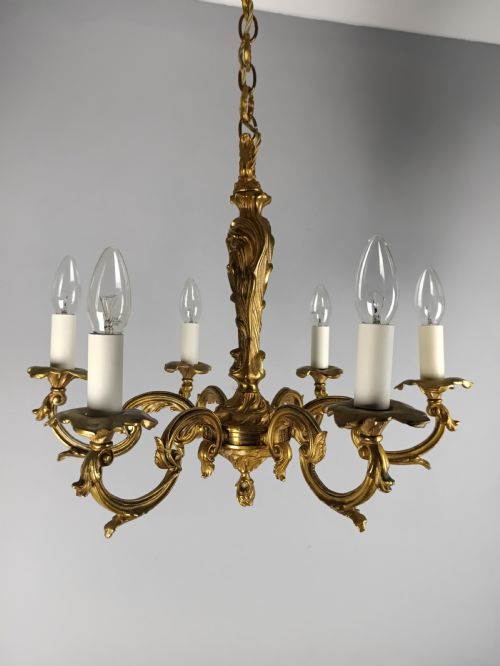
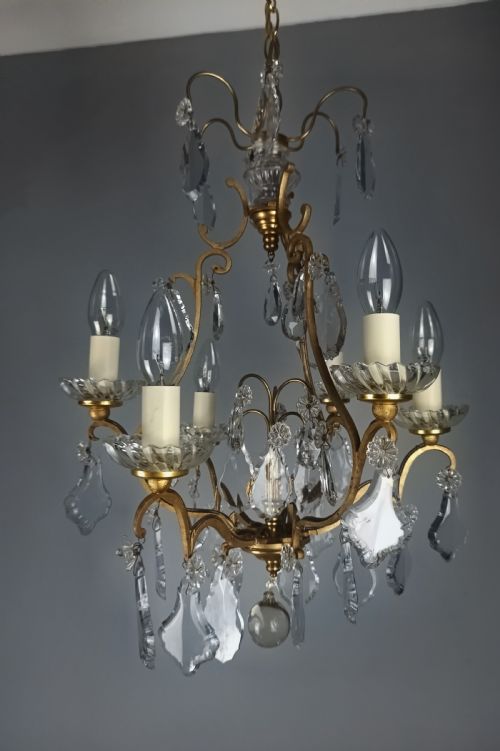
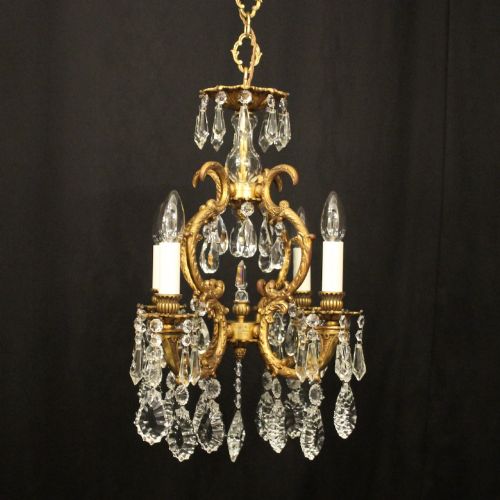
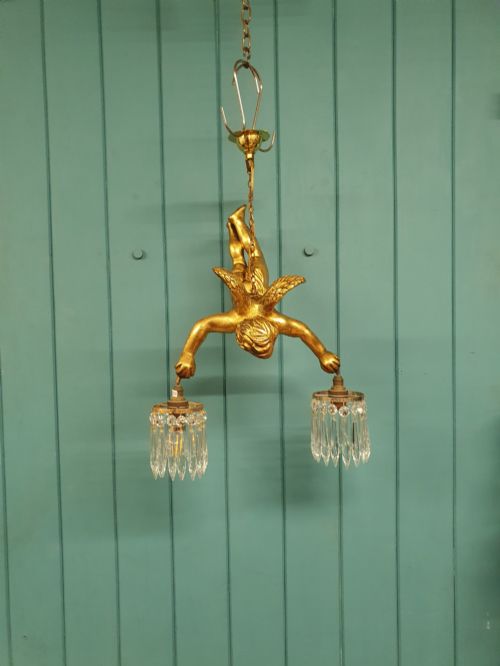
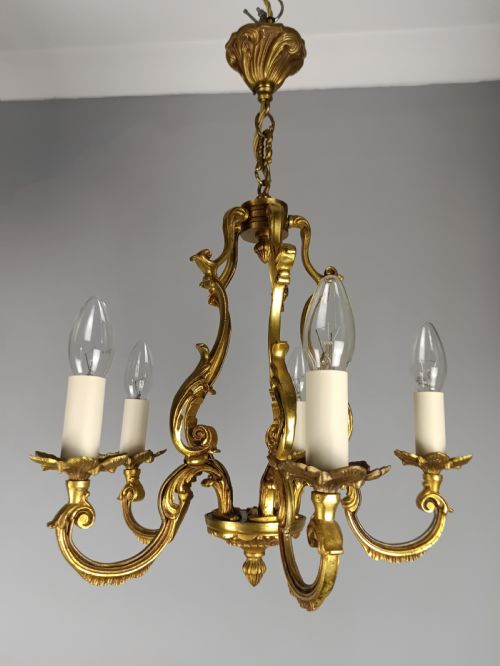
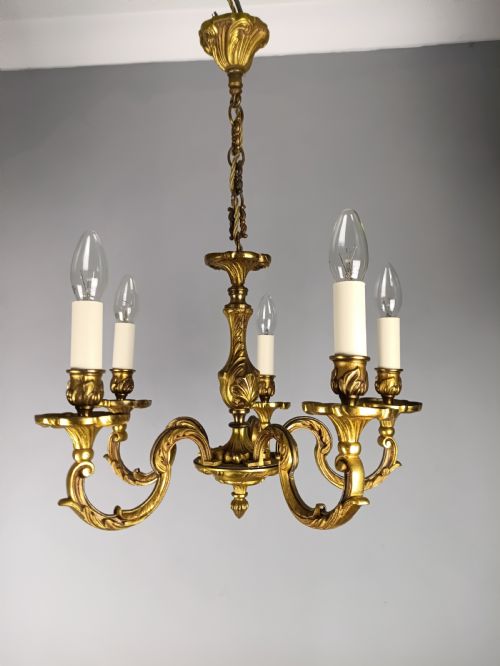
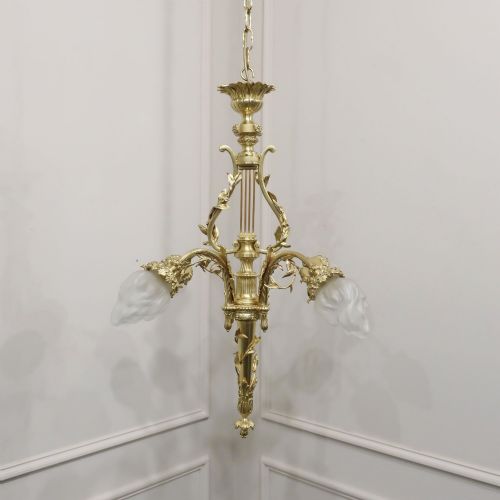
These French gilt fixture designs bring gilded bronze, brass, and crystal illumination into a room, offering the ornate character of chateaux and period salons.
French Gilt Fixture
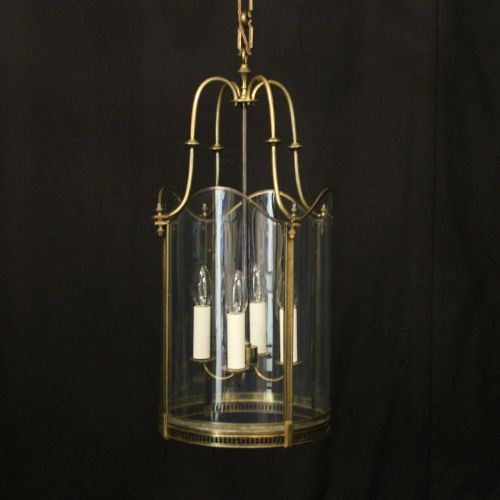
A french gilt fixture encompasses illuminated pieces originating from French and Italian sources, spanning the nineteenth century through the nineteen-thirties. Buyers searching this phrase encounter hanging chandeliers, wall lights, and convex hall lanterns designed in styles such as Rococo, Neoclassical, and Empire.
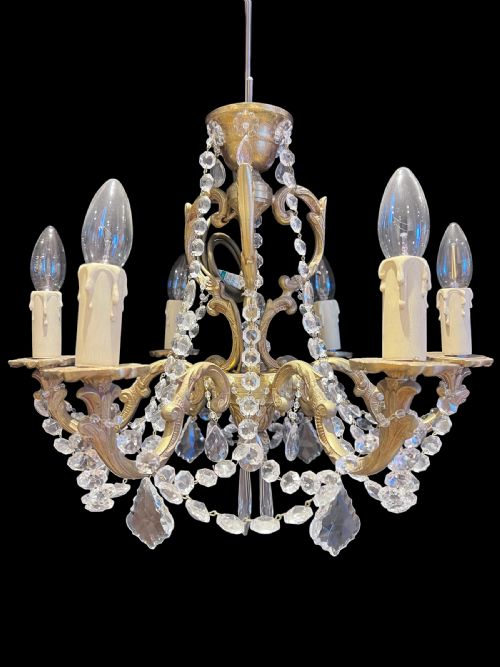
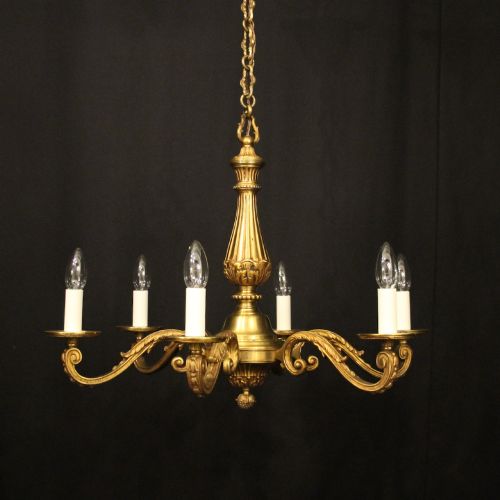
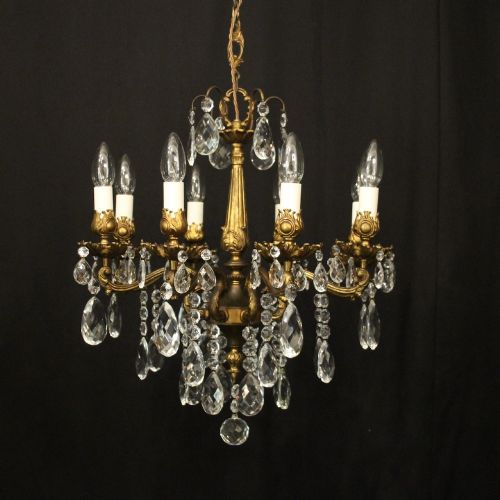
The most common examples on this page are multi-light chandeliers and paired wall lights utilising gilt bronze, brass, or gilded metal. These pieces frequently incorporate cut glass crystals, porcelain flowers, or toleware elements to diffuse light across period interiors.
Materials and construction
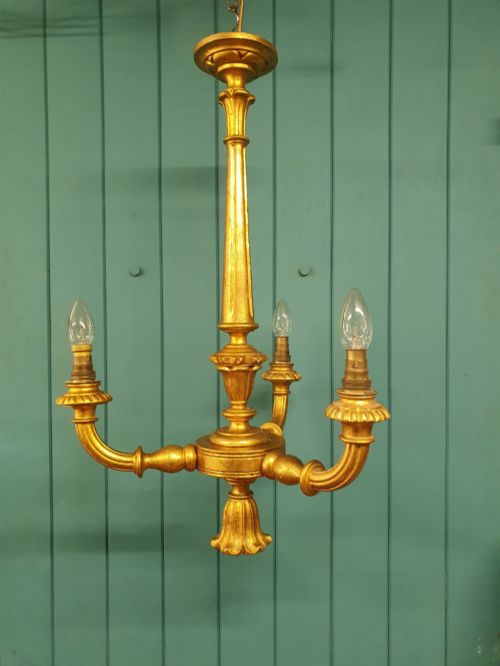
Metalwork forms the structural foundation, employing cast bronze, brass, and spelter finished with gilding or silver gilding. Artisans shaped these metals into intricate frames, birdcage armatures, ribbon motifs, and leaf decorations.
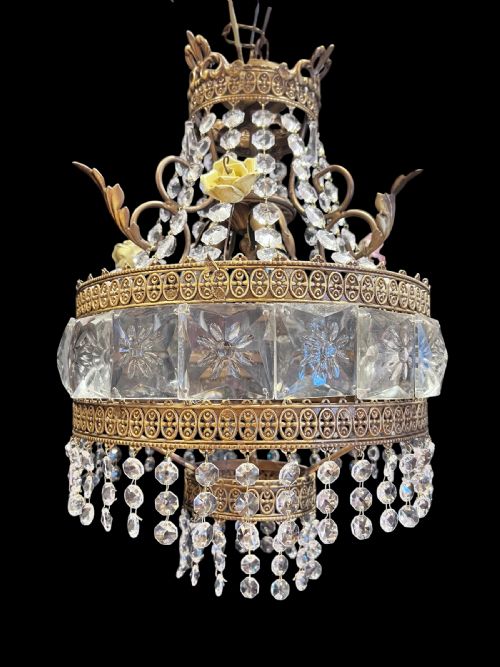
Glass and crystal components, including cut glass drops, coffin prisms, and glass globes, are suspended from the metal frames using wire or pins. Ceramic and porcelain flowers occasionally augment the metal foliage on specific chandelier and wall light designs.
Materials recorded across the inventory include gilt bronze, brass, silver gilt, crystal glass, and ceramic flowers.
Variations in quality
The sophistication of the metal casting and the depth of the gilding set exemplary pieces apart from simpler utilitarian alternatives. Superior examples display crisp chasing on bronze surfaces and substantial weight in the primary frame and arms.
The quality of the hanging elements defines the visual impact of the fixture, with high-end examples utilising heavy cut crystal drops rather than lightweight moulded glass. The integration of complex configurations, such as tent and waterfall arrangements or multiple candle arms, indicates higher manufacturing ambition.
The French Gilt Fixture Glossary
- Ormolu
- A method of applying finely ground high-carat gold to a bronze object using mercury amalgam. This historic technique produces a deep, warm metallic sheen.
- Spelter
- An alloy primarily composed of zinc, frequently utilised as a cost-effective substitute for bronze in casting figurative elements and decorative mounts. It takes gilding and patination well.
- Tent and waterfall
- A chandelier configuration where strings of small crystals form an upper conical tent shape, cascading down into a wider bowl or ring of lights.
- Coffin prism
- A long, flat-backed crystal drop with a pointed or bevelled tip, commonly found hanging from early twentieth-century lighting fixtures to refract light.
- Toleware
- Painted and lacquered sheet metal items, often shaped into floral or foliate forms to add colour and texture to lighting fixtures.
French Gilt Fixture: Frequently Asked Questions
How do I clean a crystal chandelier?
Maintenance requires gentle cleaning of each glass and crystal component using a mild solution of warm water and professional glass cleaner. Soft cloths prevent scratching the delicate gilt surfaces on the surrounding metal armature.
Technicians recommend cleaning the hanging prisms individually while supported on the fixture to avoid straining the historic wire attachments and mounting pins.
Can these antique lights use modern bulbs?
Most period fixtures accommodate modern low-wattage golf ball or candle-style bulbs, provided the internal wiring has been updated to meet current electrical standards. Qualified professionals should inspect the lamp holders and internal circuits before installation.
Using low-heat LED alternatives protects fragile nineteenth-century and early twentieth-century components from thermal damage while maintaining the intended ambient illumination.
Where should I hang a hall lantern?
Convex hall lanterns suit transitional spaces such as entrance halls, corridors, and high-ceilinged landings where vertical clearance matters. Their enclosed glass panels protect the interior candles or bulbs from drafts.
Positioning the lantern at a height that allows comfortable passage underneath ensures the proportions complement the architectural scale of the hallway.
How do I identify a Neoclassical style fixture?
Neoclassical designs draw inspiration from classical Greek and Roman motifs, showing symmetrical lines, urn shapes, and lyre frameworks. These fixtures display restraint compared to exuberant Rococo curves.
Decoration often incorporates restrained foliate patterns, crisp geometric cast details, and classical drapery motifs rather than asymmetrical scrolls.