
French Gilt Crest Mirror
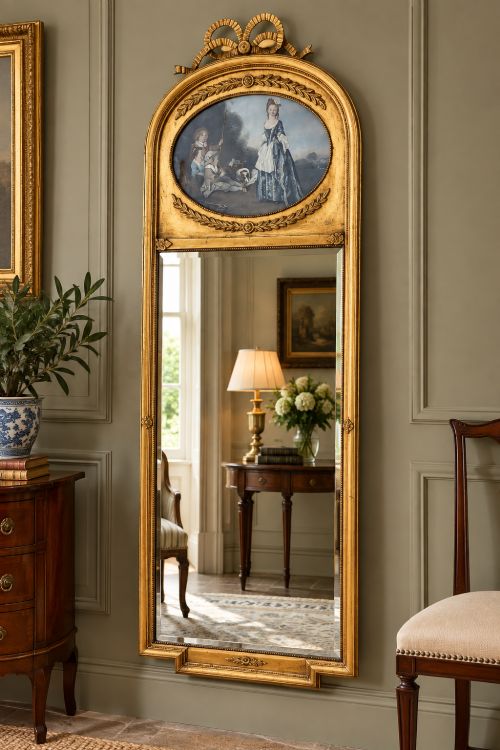
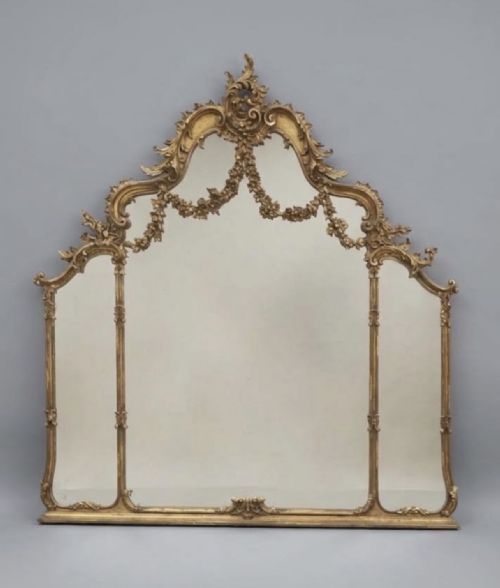
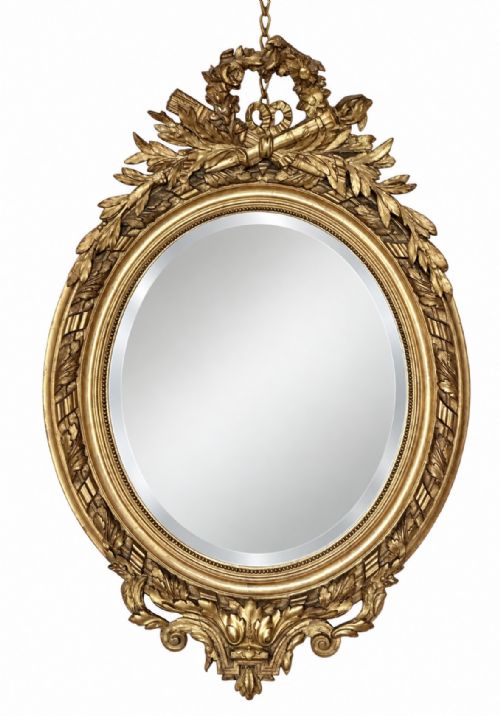
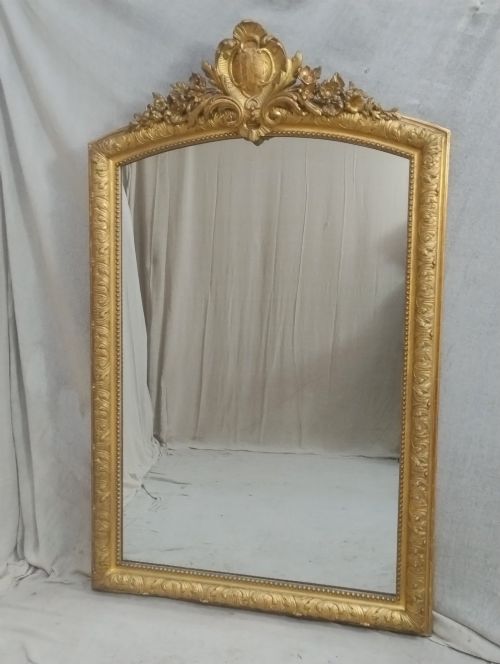
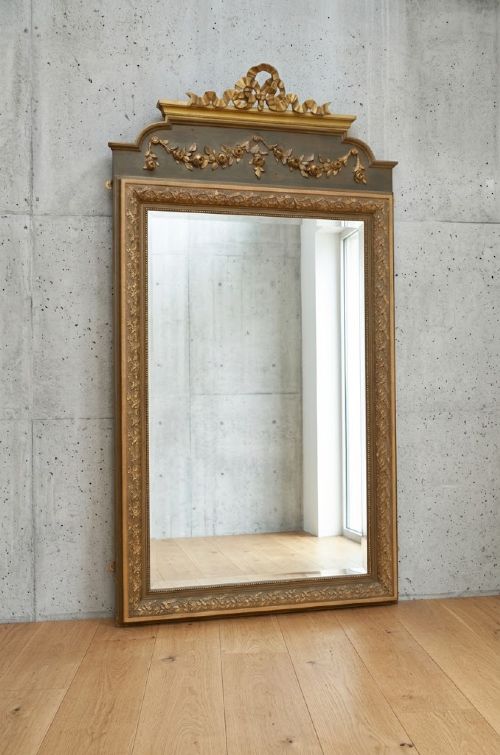
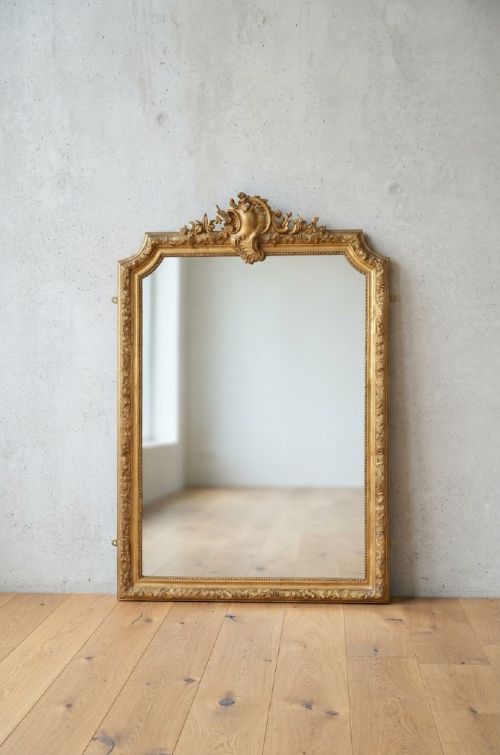
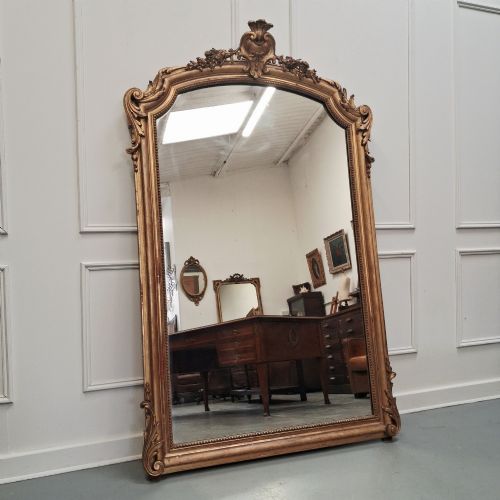
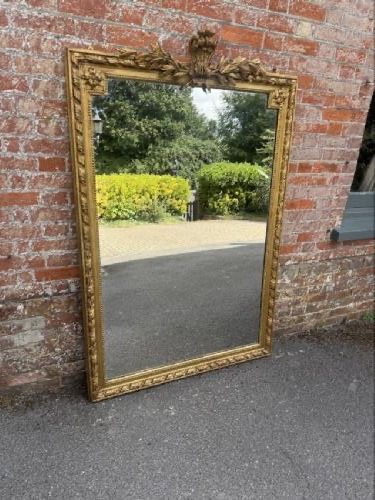
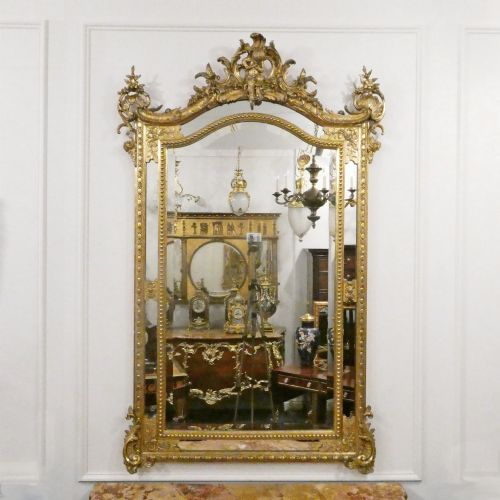
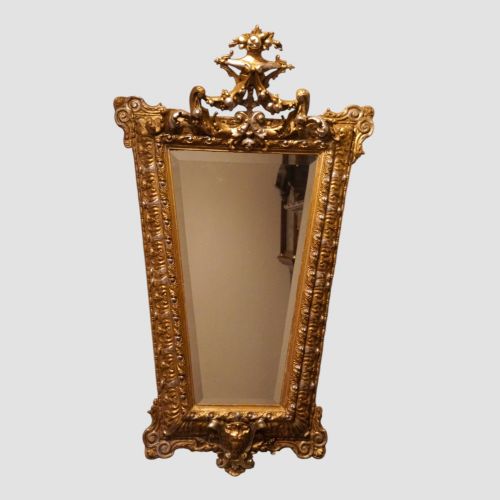
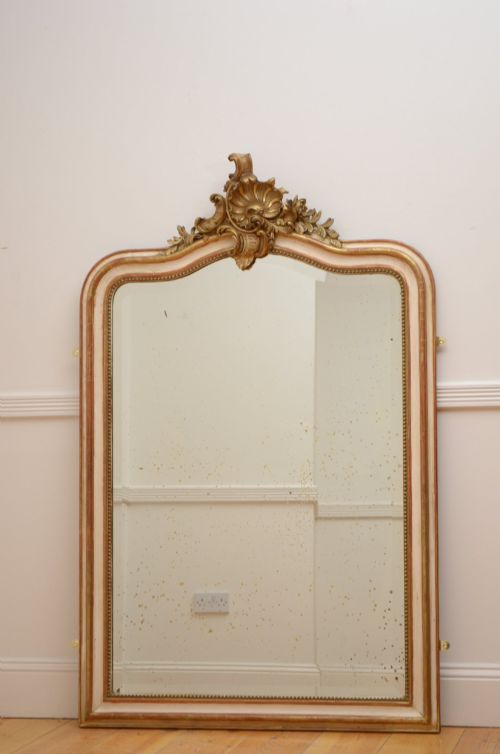
When you select a french gilt crest mirror, you choose an ornate wall or overmantel centrepiece defined by elaborate upper woodwork and gilded surfaces.
French Gilt Crest Mirror
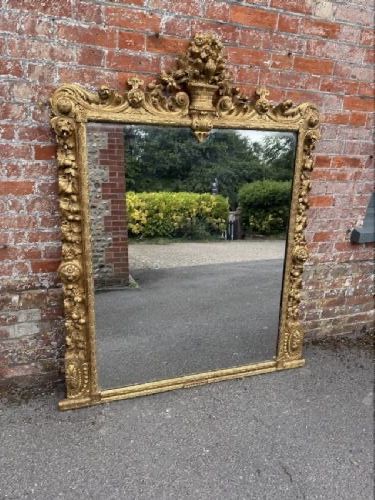
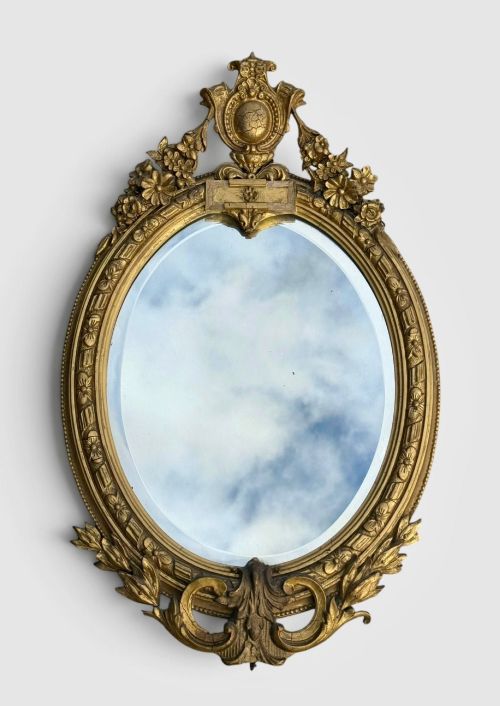
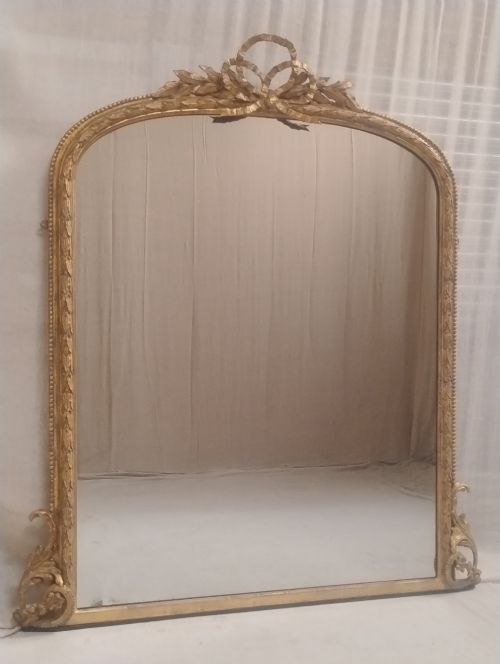
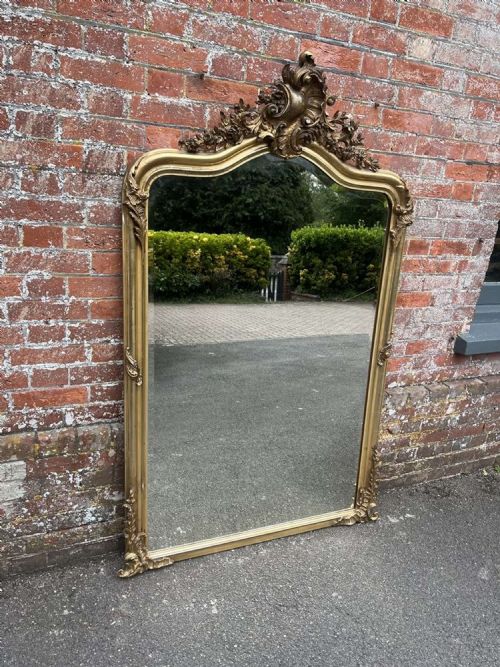
A french gilt crest mirror brings together decorative upper crests and gilded frames, often appearing in overmantel, pier, or wall-hanging formats. These pieces draw on nineteenth-century French and Victorian design traditions, spanning Louis style revivals, Napoleon III pieces, and eighteenth-century origins. The most frequent examples on this page are large nineteenth-century giltwood and gesso overmantel mirrors featuring carved cresting details.
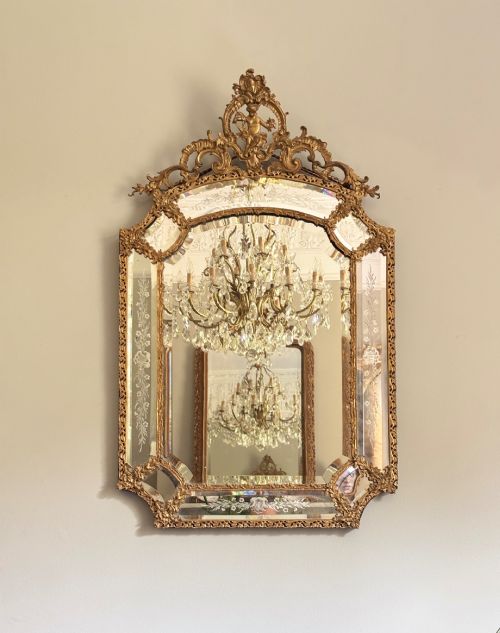
The upper crests themselves vary significantly in motif, showing ribbon ties, cherubs, birds, dragons, torches, quivers, or wreaths. Wall mirrors and tall pier mirrors sit alongside substantial overmantels designed to anchor a room, often reflecting period chateau interiors. Surviving examples incorporate original mirror glass, sometimes bearing foxing or bevelled edges that signal their age.
How They Were Made
Carved wood and composition gesso form the structural base for most frames, allowing artisans to build up high-relief scrollwork, foliage, and crest details before applying surface decoration. Craftsmen laid gold leaf or used gilt bronze over these prepared surfaces, sometimes combining ebonised wood or parcel-gilt finishes for contrast.
Glass plates were traditionally silvered using mercury or early chemical processes, fitted into shaped or arched rebates behind timber backs. Intricate crestings were carved separately from the main frame and pinned or joined to the top of the mirror.
Materials recorded across the inventory include giltwood, gesso, gold leaf, ebonised wood, and gilt bronze.
What Varies In Quality
The depth and sharpness of the hand-carved detail distinguish finer frames from simpler moulded or composition-heavy pieces. Crisp undercut foliage and finely modelled crest motifs, such as cherubs or drapery, demonstrate superior workshop output.
The condition and authenticity of the original gilding and glass plate heavily influence the character of the piece. Hand-applied gold leaf holds a warmer, deeper luminosity than later paint or heavier bronze finishes, while retained original mirror plates show desirable age characteristics.
The French Gilt Crest Mirror Glossary
- Gesso
- A plaster-like mixture applied to wood frames as a base for gilding, allowing intricate relief carving. It takes fine detail before the gold leaf is laid down.
- Giltwood
- Timber coated with gold leaf or metallic powder over a prepared ground. It provides the primary reflective warmth on period frames.
- Overmantel mirror
- A large horizontal mirror designed to sit directly above a fireplace mantelpiece. These pieces often anchor the decorative scheme of a period reception room.
- Pier mirror
- A tall, narrow mirror designed to hang on the wall space between windows. They frequently incorporate lower consoles or display brackets.
- Foxing
- Small dark spots and speckles that develop in the silvering of antique mirror glass over time. This chemical ageing proves the antiquity of the glass plate.
French Gilt Crest Mirror: Frequently Asked Questions
How do I clean a gilt mirror frame?
Dust the carved gesso and giltwood surfaces gently with a soft dry brush to prevent damage to the delicate gold leaf.
Avoid liquid cleaners and harsh chemicals entirely, as moisture strips historical gilding from the underlying composition.
What is an overmantel mirror?
An overmantel mirror is a wide wall glass built to hang specifically above a fireplace opening.
These pieces were proportioned to fill the architectural gap between the mantel shelf and the ceiling cornice.
How can I tell the age of the glass?
Examine the glass plate for natural foxing, distortions, and bevelled edges that indicate historical hand-manufacturing techniques.
Older mercury plates reflect a softer, deeper image compared to modern float glass.
Where should I hang a large crest mirror?
Mount the mirror securely onto a solid wall stud, anchoring the weight evenly to support the heavy wooden frame.
Position it opposite a window to maximise natural light distribution throughout the room.