

French Gilt Bronze Table Lamp
A french gilt bronze table lamp brings rich metallic warmth and classical proportion to a room, drawing the eye with detailed metalwork.
French Gilt Bronze Table Lamp
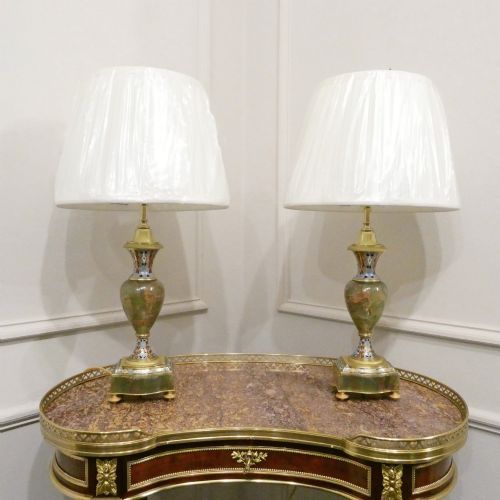
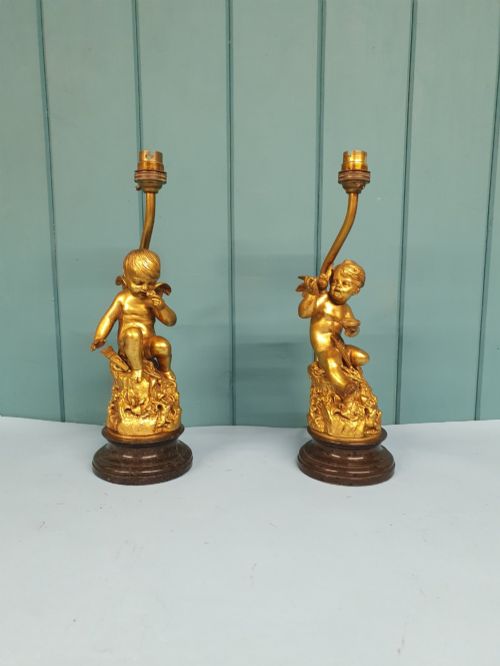
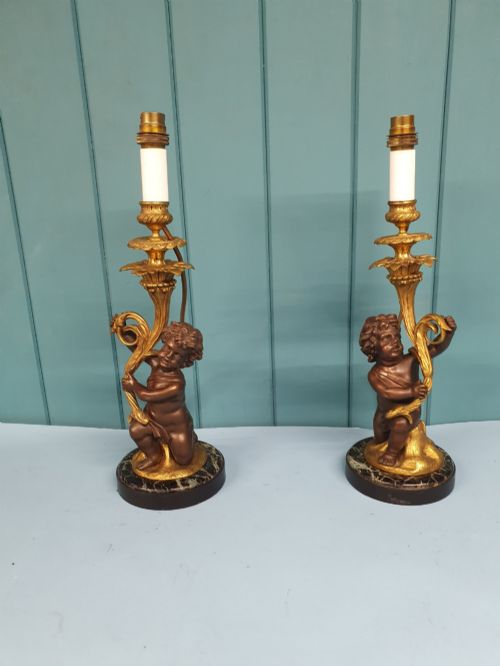
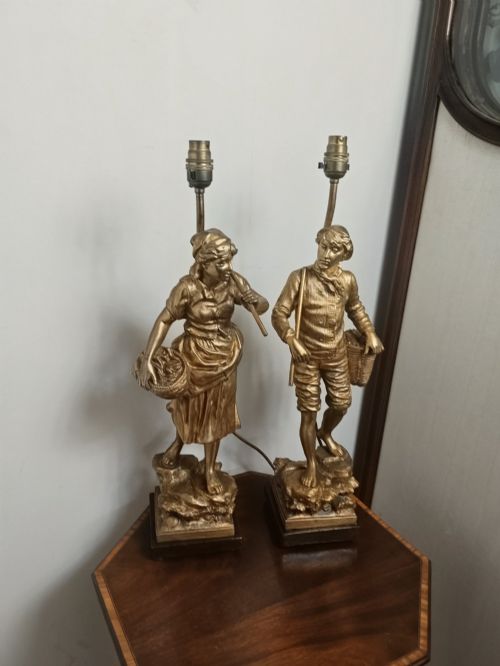
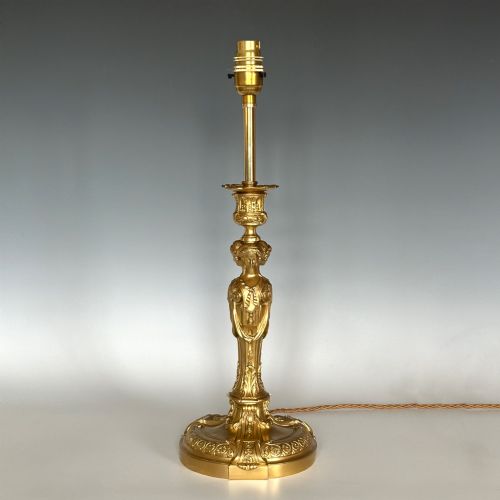
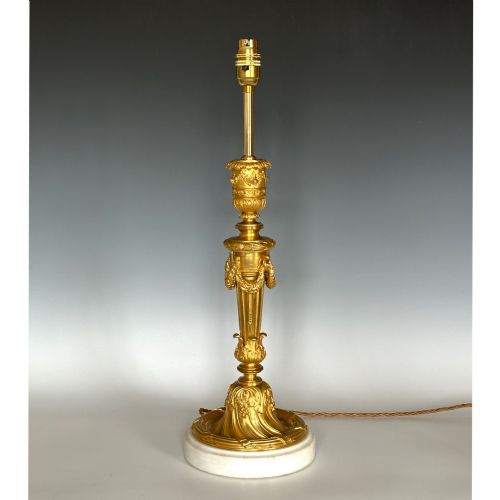
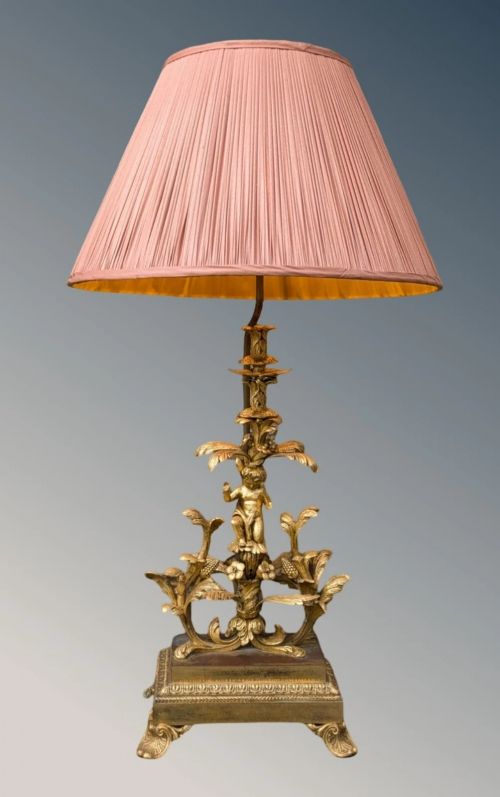
A french gilt bronze table lamp combines heavy cast metal mounts with classical forms, frequently drawing on Louis XV Revival, Louis XVI Style, and Neoclassical design vocabulary. Many pieces in this tradition incorporate figures such as cherubs, floral motifs, or architectural columns.
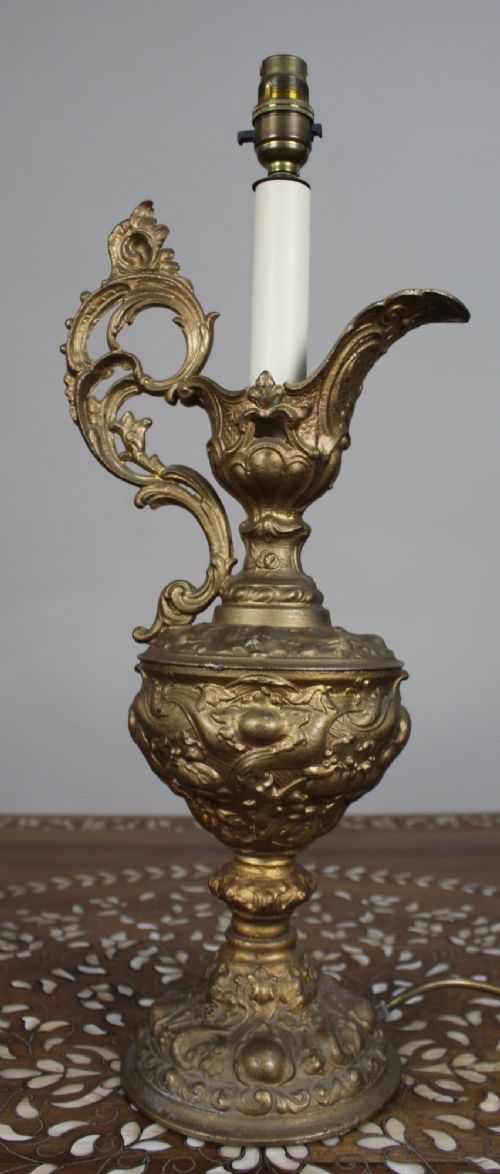
The most common versions met here date from the nineteenth century into the early twentieth century, spanning periods from Victorian to Belle Epoque. Alongside dedicated lamp bases, collectors regularly encounter converted urns, cassolettes, and statuary fitted for electrical illumination.
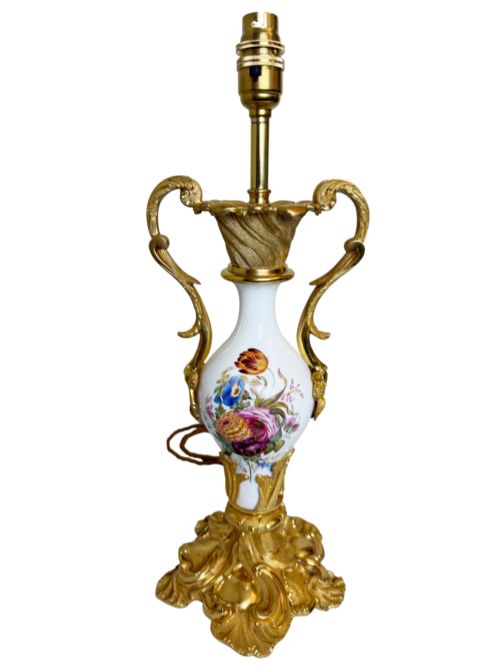
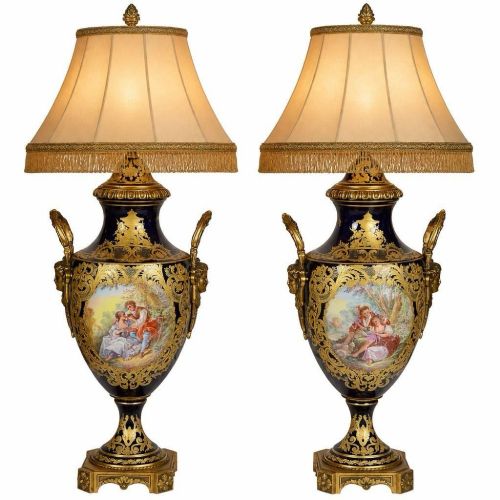
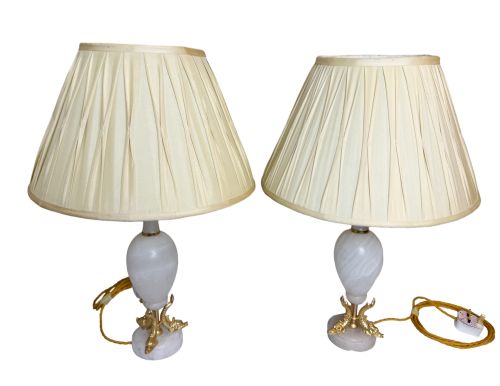
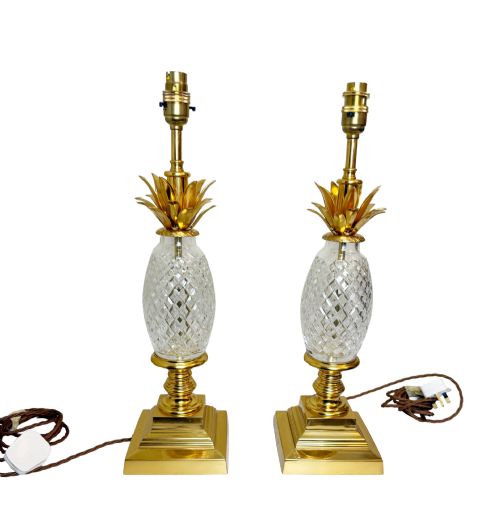
Makers and designers working in these styles often utilised rich secondary materials like marble, porcelain, onyx, and crystal alongside the primary metallic structure. These diverse compositions range from petite floral designs to monumental pairs intended for grand reception spaces.
How they were made
Makers cast bronze and brass components using traditional techniques before applying a fine gold-coloured finish through gilding or ormolu processes. This metalwork is frequently paired with turned marble, onyx, or alabaster shafts and bases that provide stability and textural contrast.
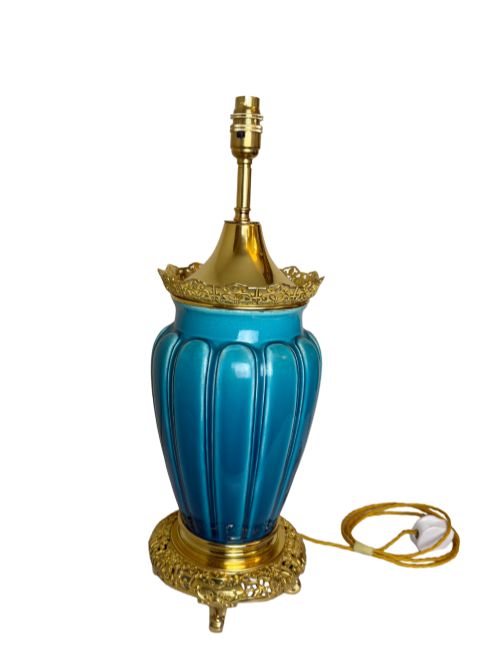
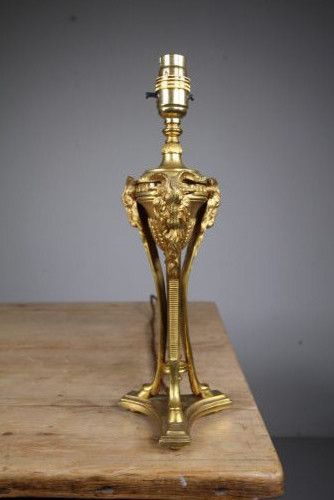
Decorative elements such as cherubs, rams heads, and foliate scrolls were individually chased and finished by hand to sharpen the cast details. Many items also integrate glazed porcelain bodies, crystal drops, or mahogany supports reflecting high-level cabinetmaking standards.
Several pieces feature winged cherubs steadfastly holding up electrical sockets as if illuminating the room is their eternal mythological duty.
What varies in quality
The distinction between standard production and the finest work lies in the crispness of the chasing and the depth of the metal gilding. Superior examples display sharp relief in figural and floral motifs without the softening often seen in later or mass-produced castings.
Integration of materials also dictates standing, where perfectly fitted marble plinths, heavy gauge mounts, and balanced proportions separate exceptional pieces from simpler utilitarian conversions.
E Rousseau·Francois Linke
The French Gilt Bronze Table Lamp Glossary
- Ormolu
- Gilt bronze, describing a technique where finely ground high-carat gold is applied to a bronze base using a mercury amalgam or electroplating method. This finish yields a warm, enduring lustre characteristic of luxury French furnishings.
- Cassolette
- A decorative vessel, often fashioned from marble or porcelain with ormolu mounts, designed to function as a perfume burner or vase and frequently adapted as a lamp base.
- Champleve
- An enamelling technique where troughs or cells are sunk into the surface of a metal object and filled with vitreous enamel before firing. Pieces featuring this work often display rich polychrome patterns.
- Gueridon
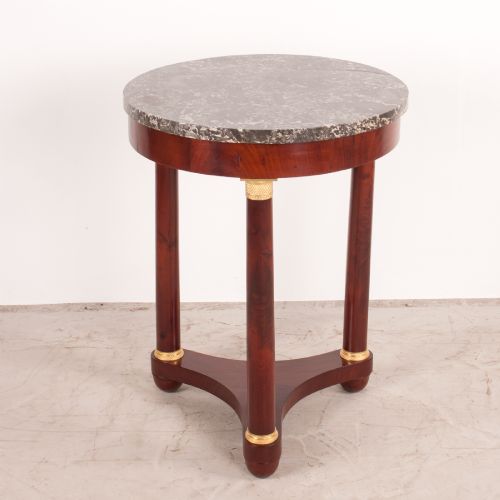
- A small round occasional table, frequently supported by a central column or tripod legs, sometimes found paired with or converted into lamp stands in nineteenth-century interiors.
- Chasing
- The manual finishing of a metal casting using small punches and hammers to refine surface details, sharpen edges, and add texture.
French Gilt Bronze Table Lamp: Frequently Asked Questions
How do I identify a true nineteenth-century piece?
Examine the weight of the metal components, the hand-chased definition in the cast foliage or figures, and the joining methods visible beneath the base. Older items typically display heavier gauge bronze and patination consistent with age rather than uniform modern plating.
Look closely at the secondary materials like marble or porcelain, which should show natural wear patterns and period-appropriate mineral composition rather than synthetic uniformity.
Were these always electric lamps?
Most pieces originating from the eighteenth and nineteenth centuries began life as oil lamps, candelabra, urns, or decorative bronzes before being converted for modern electrical use. This adaptation was often carried out professionally during the early twentieth century or later to suit domestic lighting needs.
Collectors generally accept these conversions provided the original metalwork and primary body remain unaltered and undamaged by the wiring process.
How should I style these lamps in a modern interior?
Their strong classical proportions and reflective metallic surfaces make them effective focal points on side tables, desks, or marble-topped cabinets. Pairing them with simple fabric shades allows the intricate bronze and ormolu mounts to remain the visual centrepiece.
They work well alongside both antique mahogany furniture and minimalist contemporary settings where the contrast highlights the quality of the nineteenth-century craftsmanship.
What is the difference between ormolu and gilt bronze?
Ormolu is the traditional historical term specifically describing mercury-gilt bronze produced in France from the seventeenth through the nineteenth centuries. Gilt bronze is a broader descriptive term covering any bronze object with a gold-coloured metallic finish applied by various methods.
In practical collecting terms, both designations refer to the same golden-hued decorative metalwork seen on these fine nineteenth-century accessories.