
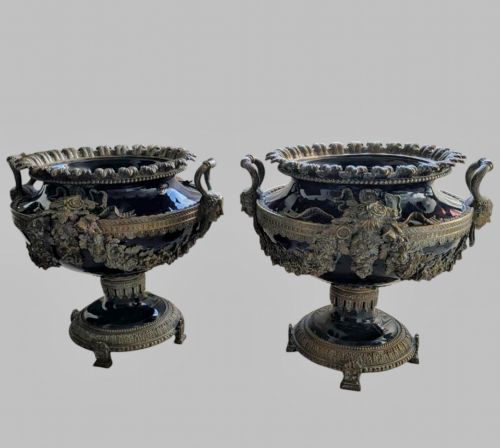


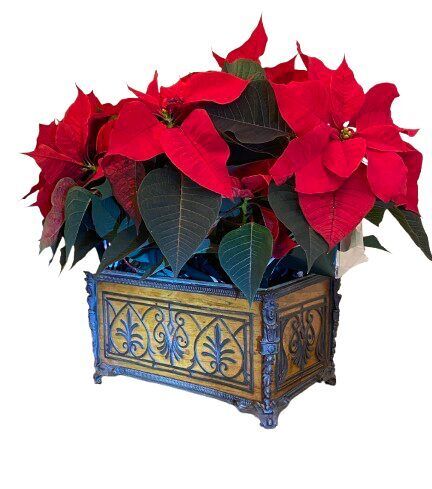


French Gilt Bronze Planter
A French gilt bronze planter brings continental interior grandeur to a room, offering a decorative vessel designed to hold indoor plants or floral arrangements.
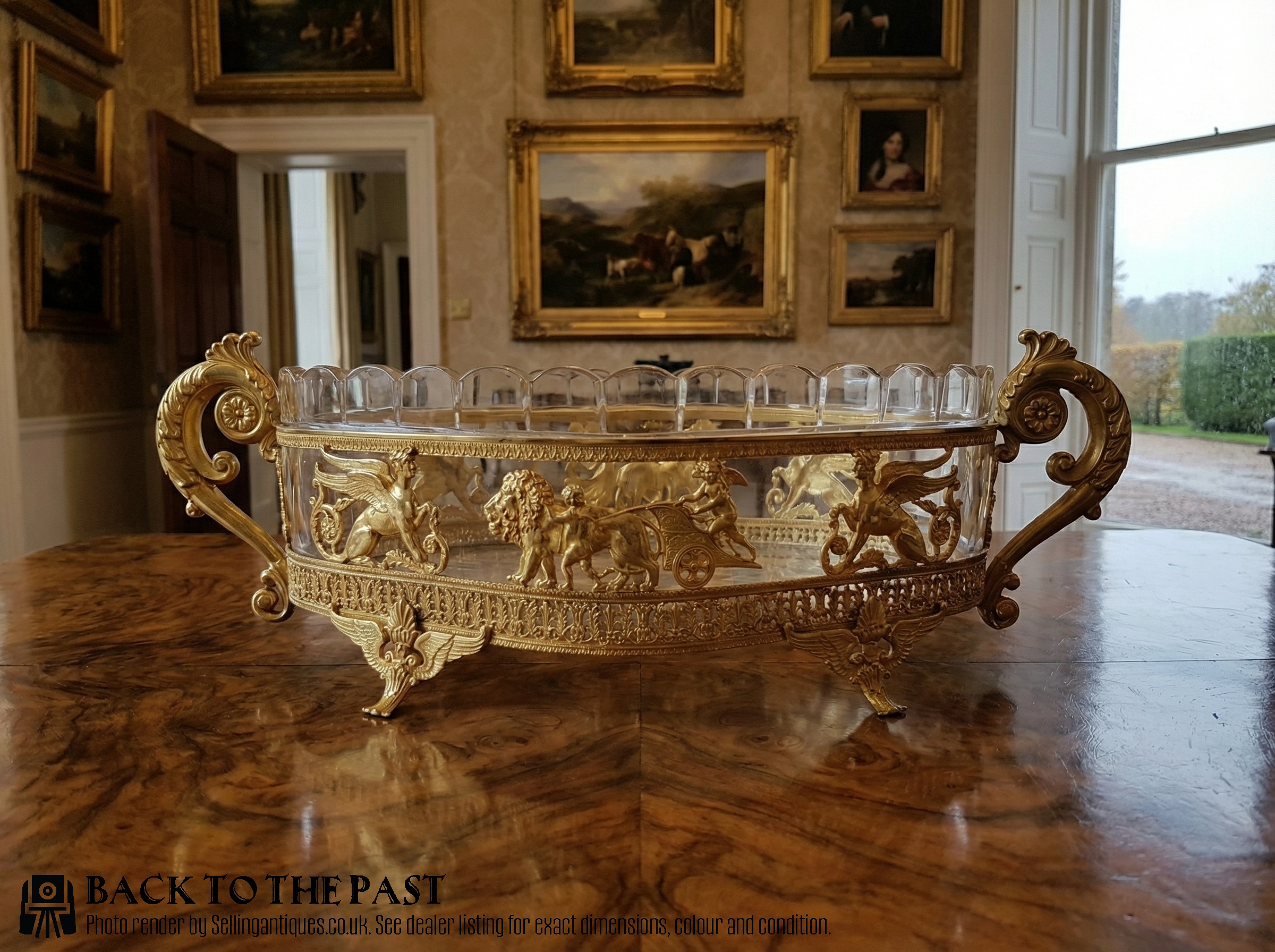
French Gilt Bronze Planter
A French gilt bronze planter functions primarily as an ornamental container for botanical displays, taking forms such as table-top jardinieres, standing pedestals, and classical urns. These decorative vessels appear frequently in nineteenth-century designs, reflecting the revival periods popular during that era.
The versions most commonly met on this page span the nineteenth century, including pieces from the Victorian era and Napoleon III period. Makers utilised diverse timber bodies, porcelain plaques, and ceramic inserts alongside metal mounts to create ornate display pieces for salons and drawing rooms.
What varies in quality
The refinement of the cast metal mounts separates superior examples from standard production, with finely chased surface details indicating skilled craftsmanship. Heavy, substantial bronze work and crisp articulation in the floral or classical motifs elevate a piece significantly.
Material selection also dictates the hierarchy of quality, particularly the choice of cabinet timbers such as figured kingwood and burr walnut. Integrated porcelain plaques, hand-painted ceramic panels, and complex marquetry increase both the visual richness and the original cost of manufacture.
Barbedienne Paris
The French Gilt Bronze Planter Glossary
- Jardiniere
- An ornamental stand or container designed to hold growing plants or flowers. These vessels sit on tables or floor stands and often feature metal liners to protect the surrounding structure.
- Ormolu
- A metallic technique involving the application of finely ground high-carat gold to a bronze object. This process creates a durable, golden surface finish characteristic of luxury furnishings.
- Kingwood
- A dense, richly figured tropical timber utilised extensively in high-end nineteenth-century cabinet making. It displays distinctive dark violet-brown grain patterns.
- Cloisonne
- An ancient decorative metalwork technique where enamel paste fills compartments created by soldered wire on a metal base. Pieces utilising this method present vibrant, patterned surface designs.
- Majolica
- A type of tin-glazed earthenware known for its bright colours and glossy finish. It frequently appears in nineteenth-century decorative urns and planter inserts.
French Gilt Bronze Planter: Frequently Asked Questions
How do I use a planter?
These vessels suit floral arrangements, potted plants, or even serving as wine coolers when filled with ice. They add a decorative focal point to tables, sideboards, or freestanding pedestals.
Interior settings often place them in drawing rooms or halls where their metallic mounts catch the light. Using a suitable internal liner protects the historical fabric from moisture damage.
What is the difference between ormolu and gilt bronze?
Both terms describe bronze objects treated with a gold surface finish, though historic definitions often distinguish between mercury gilding and later galvanic processes. In nineteenth-century pieces, the visual effect is a rich, warm golden lustre.
Over time, the terminology became largely interchangeable among dealers and collectors. Both finishes require careful maintenance to preserve the original metallic layer.
How do I date a piece?
Dating relies on stylistic clues, construction methods, and the specific revival period indicated by the design. Nineteenth-century pieces frequently reference earlier Louis styles or Victorian manufacturing techniques.
Materials such as specific timber veneers, ceramic types, and casting methods help narrow down the decade of production. Comparative examination of known foundry marks provides further chronological clarity.
How do I clean the metal?
Preserving the surface requires gentle dusting with a soft, dry cloth to prevent the accumulation of grime. Harsh chemical cleaners or abrasive polishes must be avoided to protect the thin gold layer.
Professional conservation advice is recommended if tarnishing or surface wear requires intervention. Maintaining stable environmental conditions prevents further degradation of the bronze and underlying materials.