


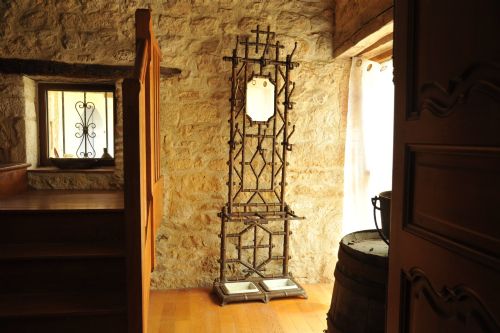
French Furniture Stand
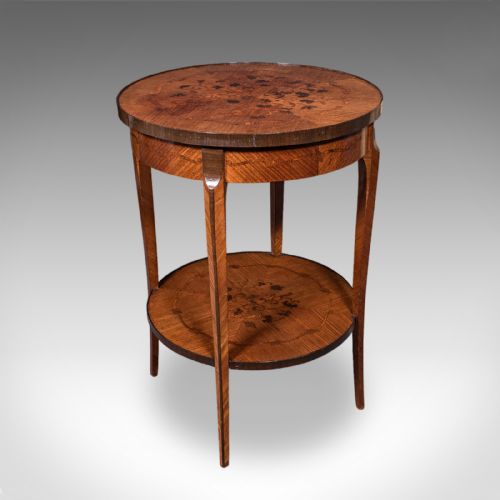
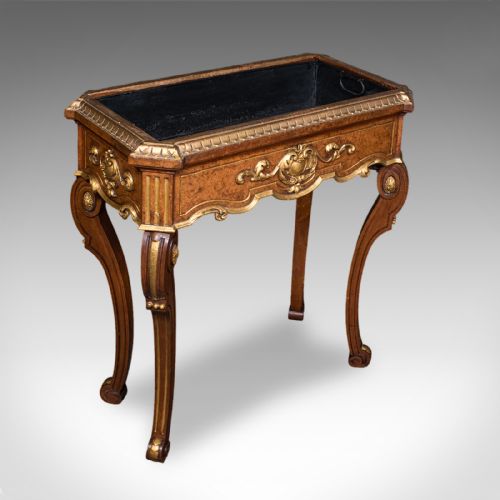
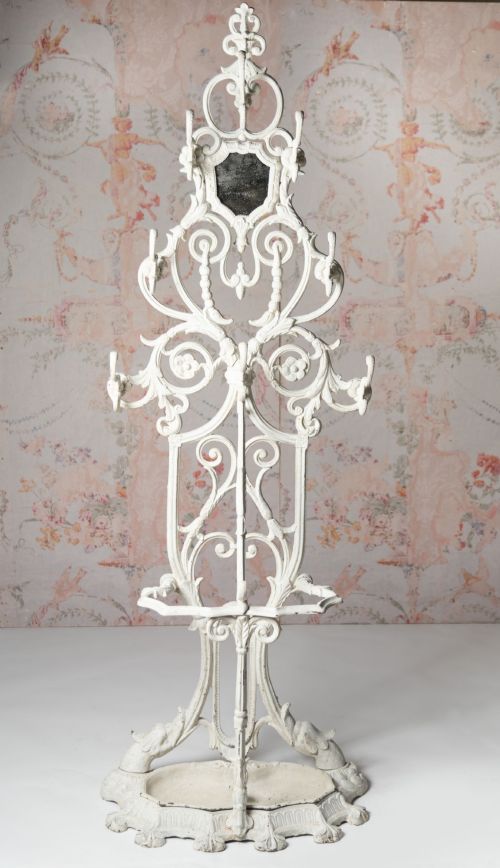
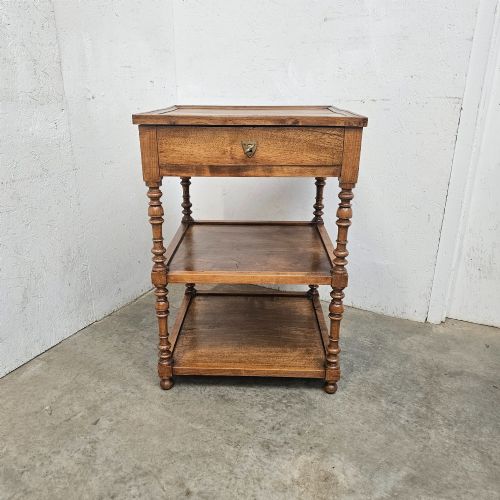
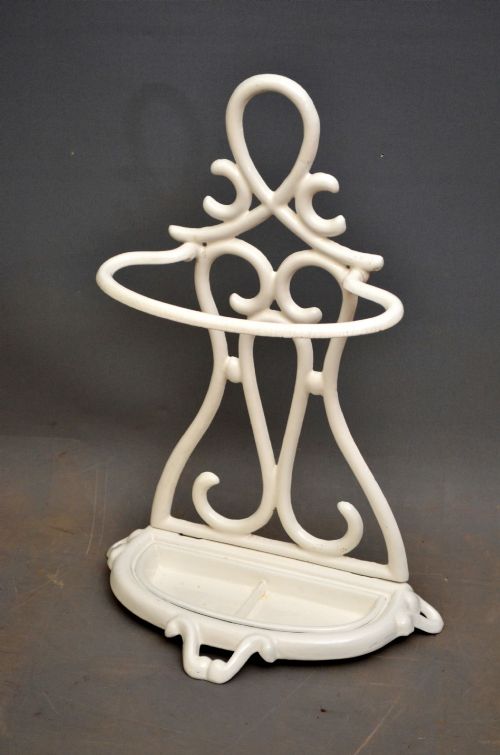
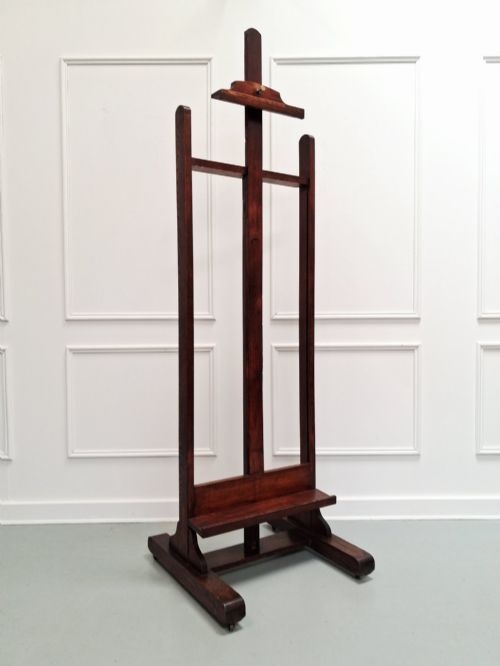
These french furniture stand pieces span hall stands, etageres, and jardiniere tables, bringing functional display and storage into a room.
French Furniture Stand
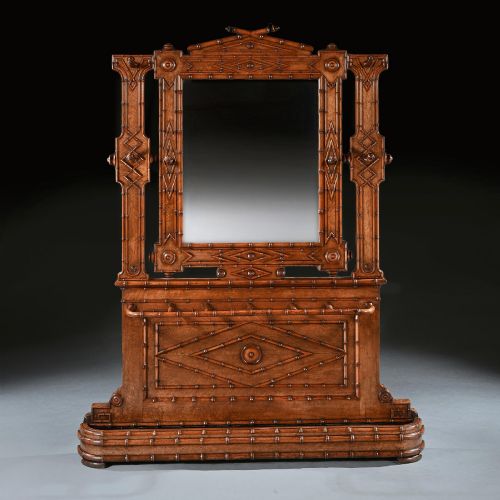
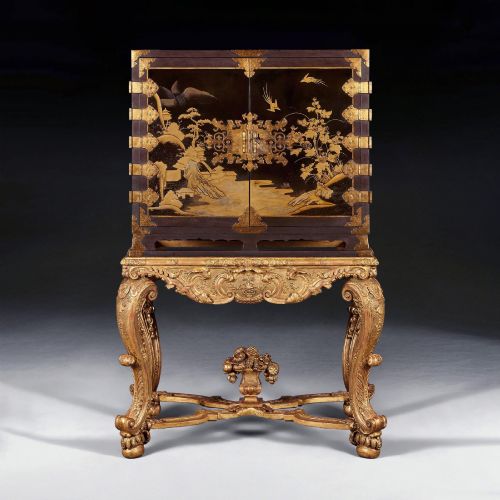
When you search for a french furniture stand, you enter a diverse category of practical pieces designed for display and utility. The selection ranges from hall stands and umbrella holders to tiered etageres, jardiniere planters, and music cabinets.
You are most likely to encounter occasional tables, side tables, and plant stands shaped by various regional and revivalist movements. These items fulfill specific domestic roles, whether holding floral arrangements, hanging coats, or supporting lamps in a reception space.
How they were made
Cabinet makers utilised timber such as walnut, mahogany, oak, and kingwood, often embellished with marquetry inlay, parquetry, or giltwood accents. Metal elements like cast iron, ormolu mounts, and brass detailing provide structural support and decorative contrast.
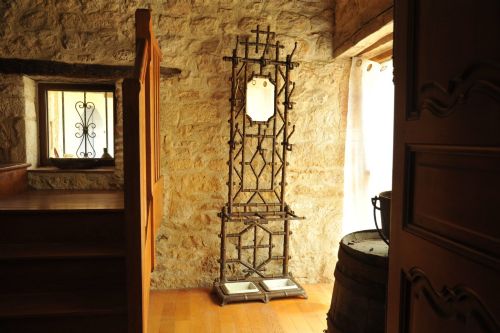
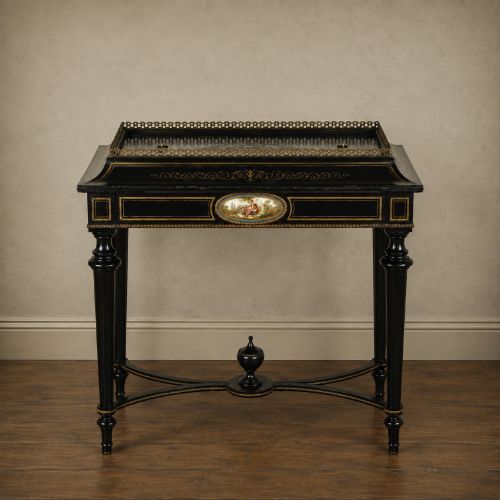
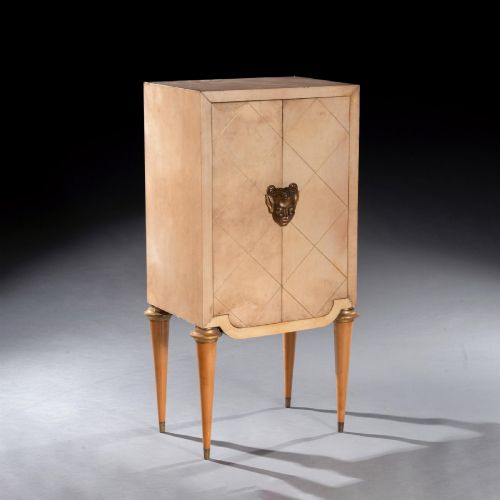
Techniques range from hand-turned wooden legs and faux bamboo moulding to applied porcelain plaques and parchment inlays. Metal stands frequently employ cast iron or wrought iron construction, sometimes featuring white enamel finishes or stamped makers' marks.
Several pieces embrace botanical whimsy through faux bamboo turning, designed to bring a touch of the outdoors straight into the hallway.
What varies in quality
The standard of a french furniture stand depends heavily upon the precision of its joinery and the selection of its materials. Fine examples display crisp marquetry, well-cast ormolu mounts, and stable construction that withstands everyday use without loosening at the joints.
Execution of decorative details separates standard production pieces from finer studio items. Superior pieces exhibit carefully matched veneers, refined hand-turned elements, and integrated metal or ceramic components that remain firmly secured to the main wooden or iron frame.
Gabriel Viardot·Corneau Freres Charleville·Maurice Jallot·Edwards and Roberts
The French Furniture Stand Glossary
- Etagere
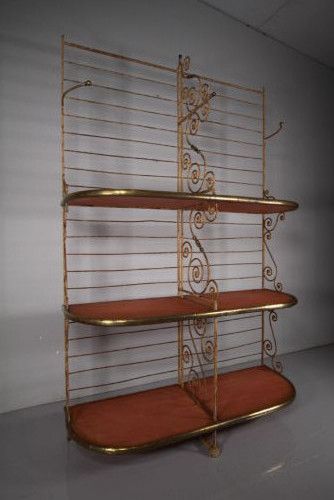
- A tiered piece of furniture with open shelves used for displaying small ornaments or books. These multi-level stands appear frequently in 19th-century domestic interiors.
- Jardiniere
- A decorative pot or stand designed to hold plants or flowers. In French furniture, these stands often incorporate metal liners or waterproof trays.
- Ormolu
- Gilded bronze mounts applied to furniture for decorative effect. This technique was widely utilised during the 18th and 19th centuries on cabinets and tables.
- Marquetry
- Inlaid wood pieces arranged to form decorative patterns or pictures on a surface. Craftsmen used contrasting timbers to create complex floral or geometric designs.
- Japonisme
- The influence of Japanese art and design on Western decorative arts. This aesthetic introduced elements such as faux bamboo turning and asymmetrical arrangements.
French Furniture Stand: Frequently Asked Questions
What is a french furniture stand used for?
These stands serve various practical functions around the home, from supporting indoor plants and decanters to holding hats, coats, and umbrellas in an entryway. Tiered versions provide elevated surfaces for display or serving.
They adapt easily to different rooms, acting as bedside tables, music cabinets, or decorative side tables in a hallway or reception space.
What materials are common in these stands?
Common materials include hardwoods such as walnut, mahogany, oak, and kingwood, frequently paired with decorative veneers. Metal elements like brass, cast iron, and ormolu add structure and ornamentation.
Glass, marble tops, and painted porcelain plaques also appear on specific cabinet and table variants from the nineteenth century.
How do I date a french furniture stand?
Dating relies on stylistic cues, construction methods, and materials associated with specific periods like the Victorian era, Art Nouveau, or Napoleon III. Examining the joinery and hardware provides further clues to age.
Makers' marks or stamps, where present, help pinpoint the exact workshop and decade of production.