
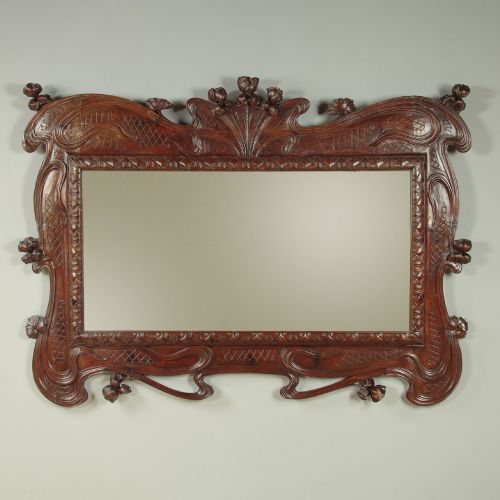
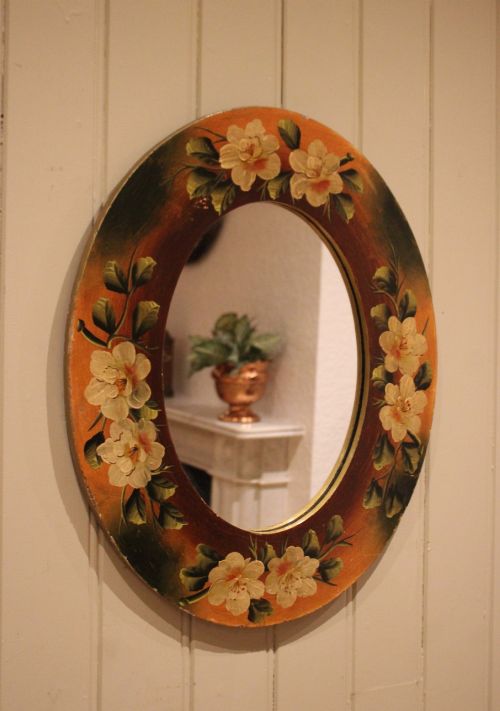
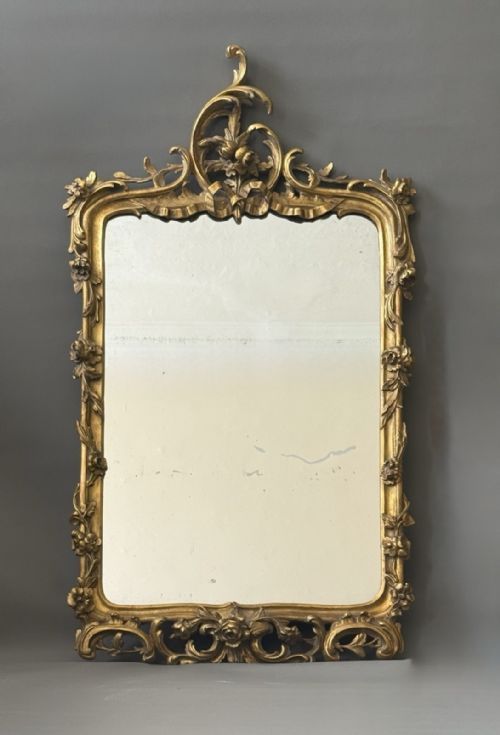
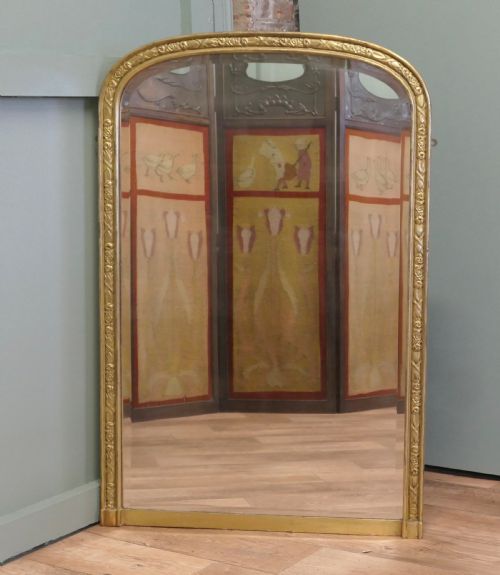


French Framed Wall Mirror
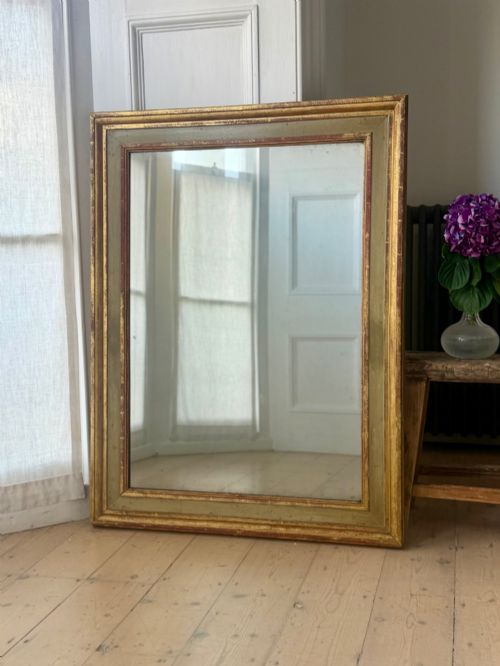
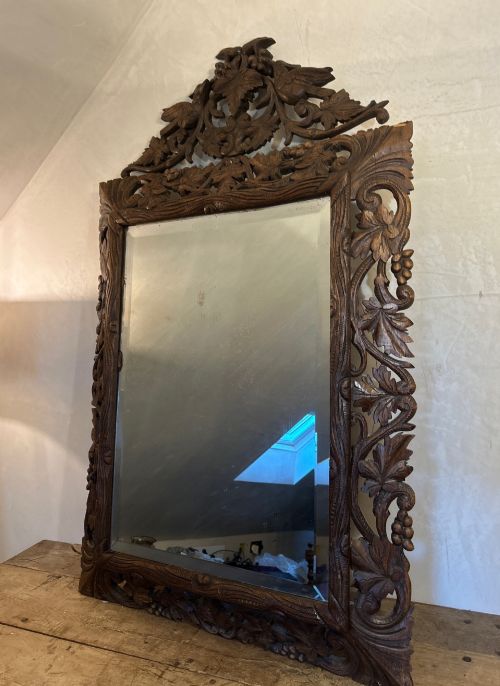
A french framed wall mirror brings depth and light to a room through carved giltwood, mercury glass and classical proportion.
French Framed Wall Mirror
A french framed wall mirror bridges decorative arts and architecture, functioning as a focal point above a mantelpiece or along a hallway. When searching for this phrase, buyers encounter pieces spanning the eighteenth to the early twentieth century, with nineteenth-century examples appearing most frequently.
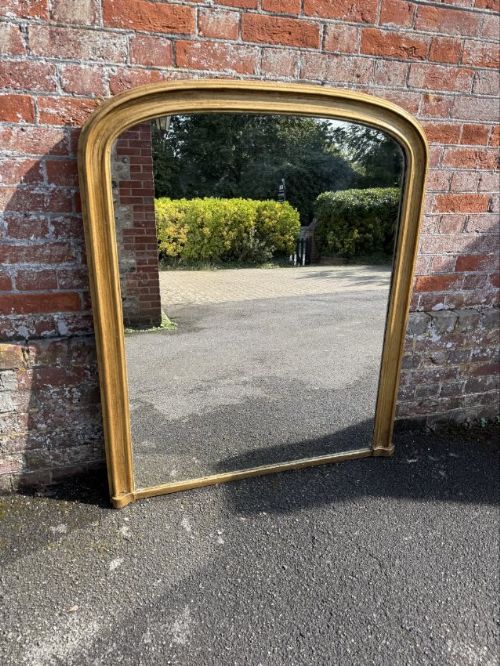
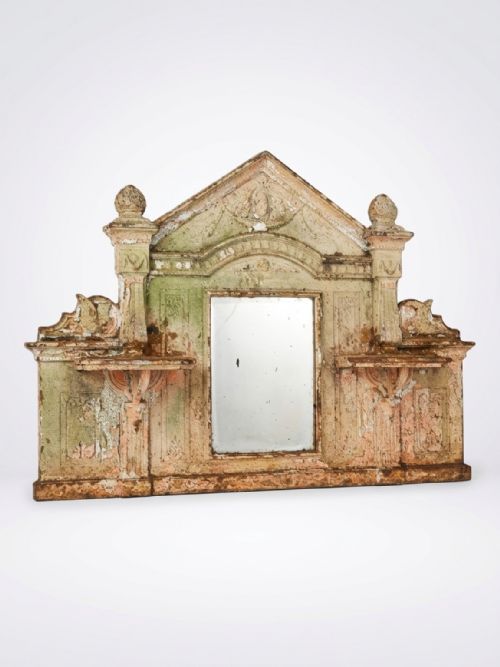
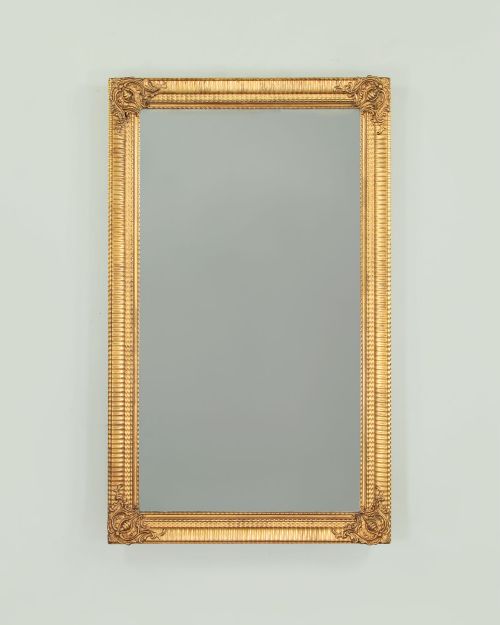
The selection ranges from tall Louis Philippe plates with simple rounded upper corners to heavily ornamented Rococo Revival and Neoclassical designs. Overmantel mirrors and pier glasses dominate the larger formats, while oval and rectangular wall mirrors serve more intimate spaces.
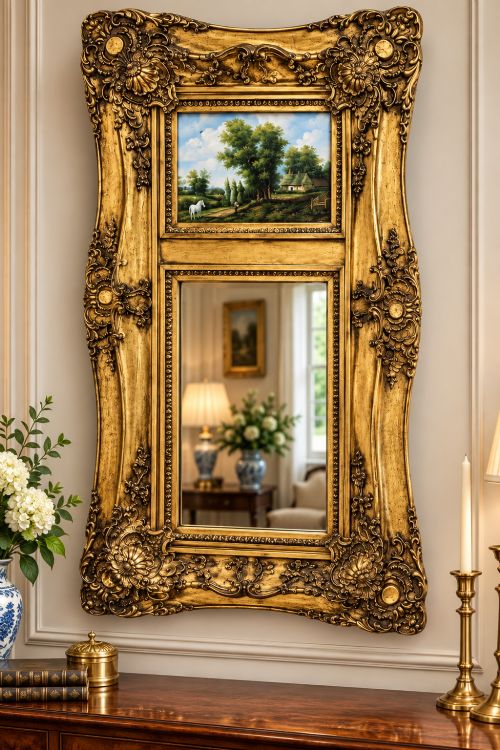
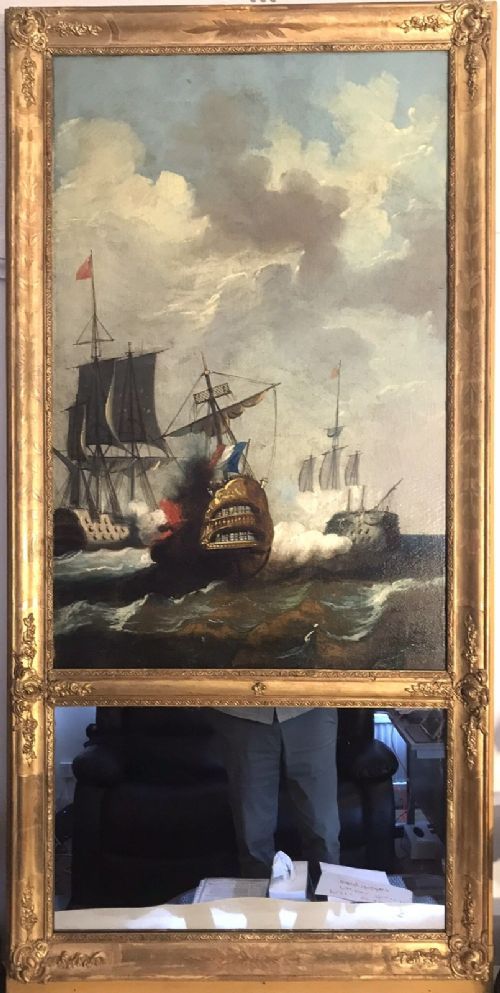
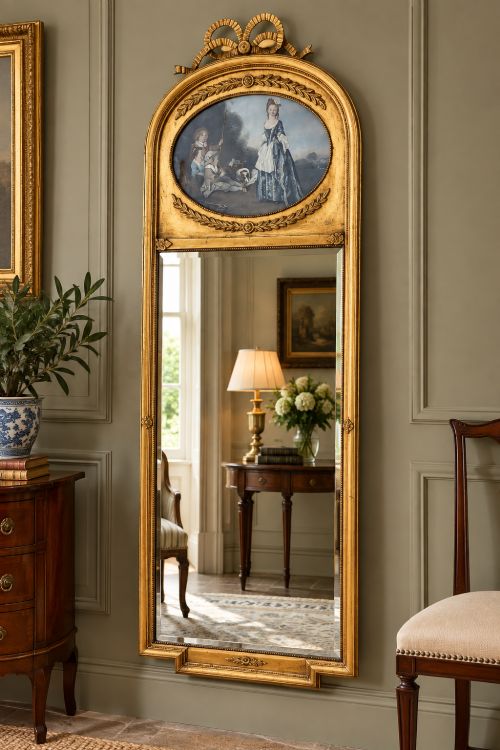
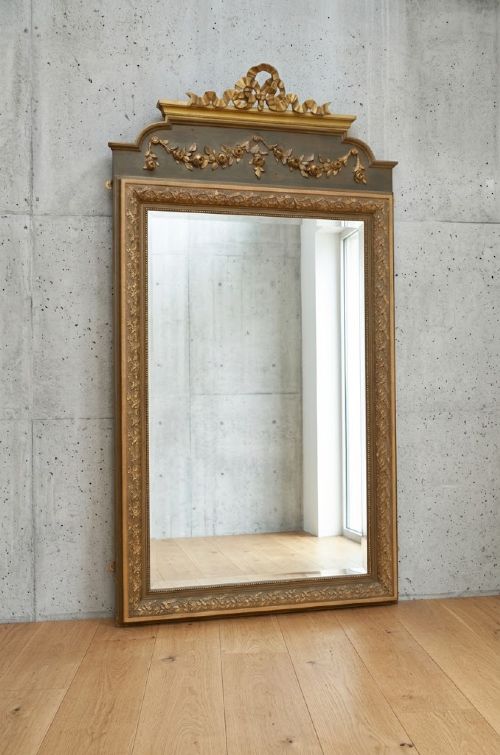
Origins stretch across French provincial workshops and Parisian ateliers, alongside English interpretations influenced by continental styles. Trumeau mirrors integrating oil paintings or panels appear alongside simpler gilded timber frames.
Materials and construction
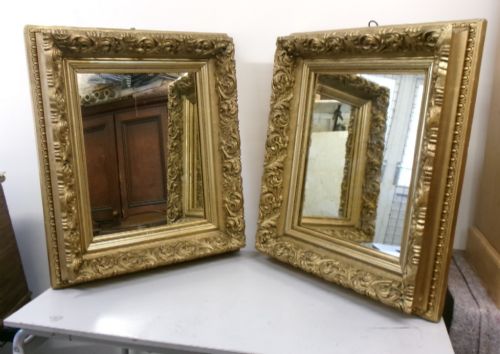
Frames rely on timber foundations carved from oak, maple, or softwood, which are then built up with layers of gesso to receive intricate ornamentation. Gilding techniques apply gold leaf or gold paint over preparatory layers, while composition ornament moulded from paste populates repetitive motifs.
Mirror plates include antique mercury glass characterised by foxing and oxidation, alongside later bevelled mirror plates set into rebated frames. Backboards typically consist of tongue-and-groove timber secured with old iron or brass fixings.
Some frames incorporate hidden timber keys behind the joints, allowing craftsmen to tighten the mitres as the old wood shrank through the centuries.
Evaluating quality and execution
Depth and crispness of carving separate standard production from superior craftsmanship, particularly in the rendering of floral swags, ribbons, and mythological motifs. Hand-carved wooden elements retain subtle irregularities that distinguish them from moulded composition ornament.
The integrity of the original surface finish dictates desirability, with undisturbed giltwood patination holding greater visual weight than later overpainting. Original mercury glass plates showing age-related foxing contribute historical depth compared to replaced mirror glass.
The French Framed Wall Mirror Glossary
- Giltwood
- Timber coated with gold leaf over a prepared gesso ground. It provides a warm, reflective metallic surface that ages with a soft patina.
- Gesso
- A plaster mixture applied to wood frames and carved to form detailed surface decoration before gilding. It allows for sharp relief work.
- Mercury glass
- A double-walled blown glass filled with a silvering mixture containing mercury in earlier periods. It creates a dark, mottled reflection known as foxing.
- Trumeau
- A decorative wall mirror paired with an oil painting or carved panel above the glass. It originates from eighteenth-century interior architecture.
- Pier glass
- A tall mirror designed to hang on the wall space between windows. It maximises interior light in formal rooms.
- Louis Philippe
- A nineteenth-century French style defined by clean, curved upper corners and restrained classical lines. It balances elegance with simplicity.
French Framed Wall Mirror: Frequently Asked Questions
How do I date a French mirror?
Dating relies on combining frame construction details, fastening methods, and glass characteristics. Eighteenth-century and early nineteenth-century examples often feature heavy mercury plates and hand-carved timber foundations.
Later Victorian and nineteen-hundred pieces introduce machine-sawn backing boards, composition mouldings, and cleaner mechanical silvering on the glass plate.
What is mercury glass?
Mercury glass refers to double-walled blown glass objects silvered with a reflective metallic liquid between the glass layers. Over time, chemical reactions cause dark spots and cloudiness called foxing.
This ageing process distinguishes genuine antique plates from modern replacements, which remain uniformly clear and reflective.
Where should I hang an overmantel mirror?
Overmantel mirrors are traditionally proportioned to sit directly above a fireplace mantelpiece. Their horizontal span anchors the architectural space of the chimney breast.
They also function effectively on large blank walls as leaner mirrors, resting on the floor to reflect natural light across the room.
How do I care for antique giltwood?
Giltwood frames require gentle dusting with a soft, dry brush to prevent accumulation in carved recesses. Moisture and harsh cleaning chemicals damage the delicate gold leaf and underlying gesso.
Keeping the mirror away from direct sunlight and damp environments preserves the stability of the timber and the original surface finish.