



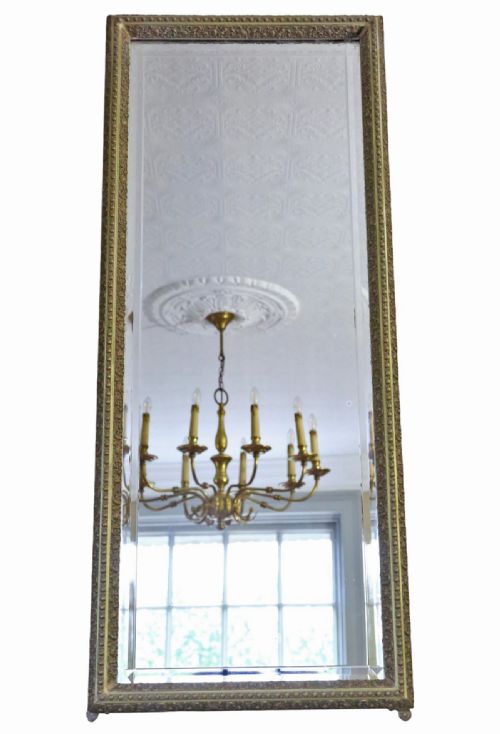


French Floor Standing Mirror
A french floor standing mirror brings undeniable presence to a room, offering both full-length reflection and grand decorative weight.
French Floor Standing Mirror
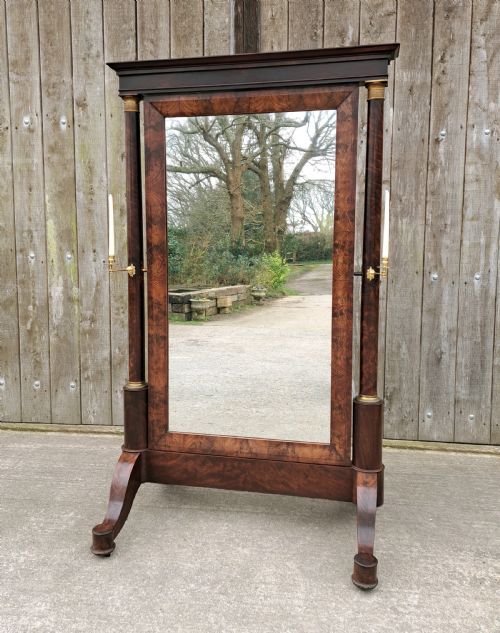
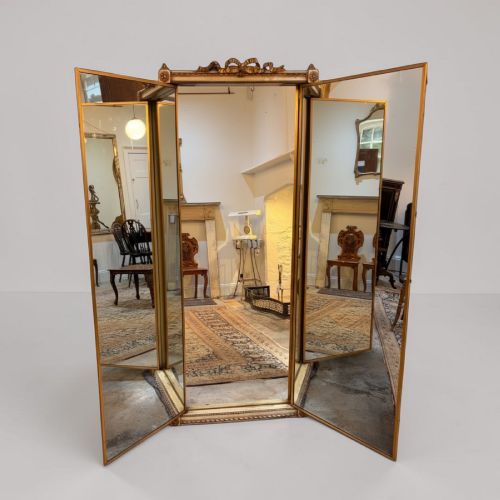
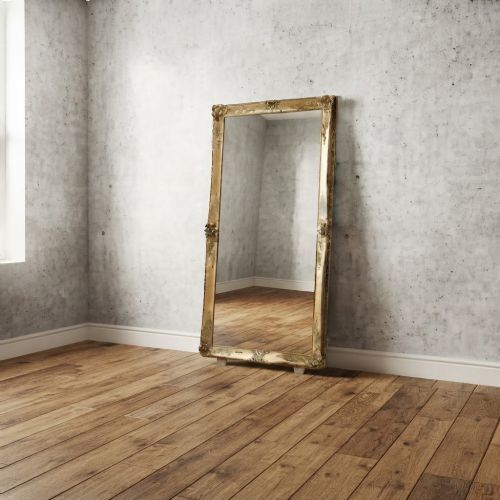
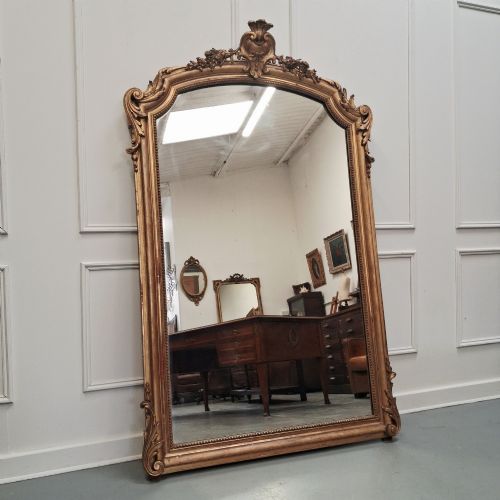
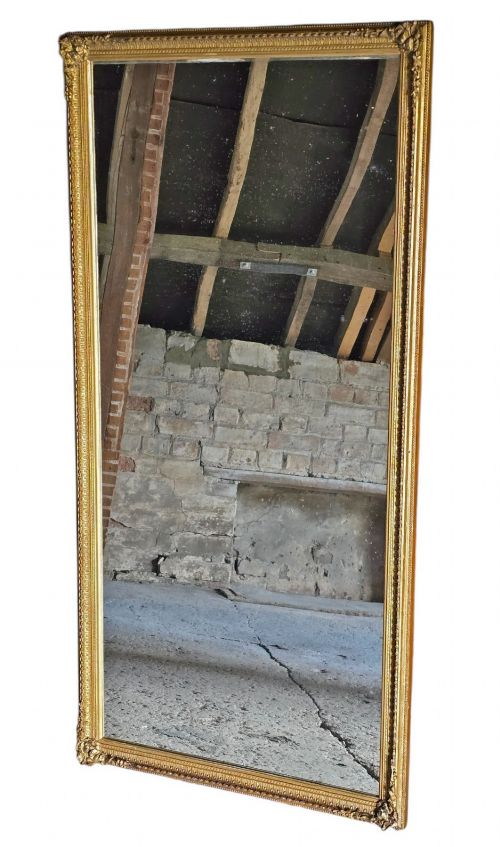
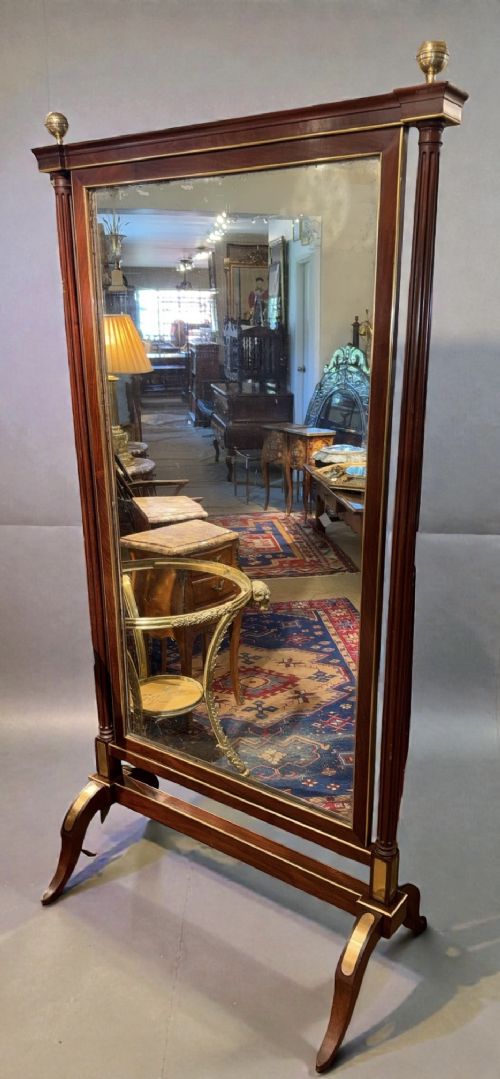
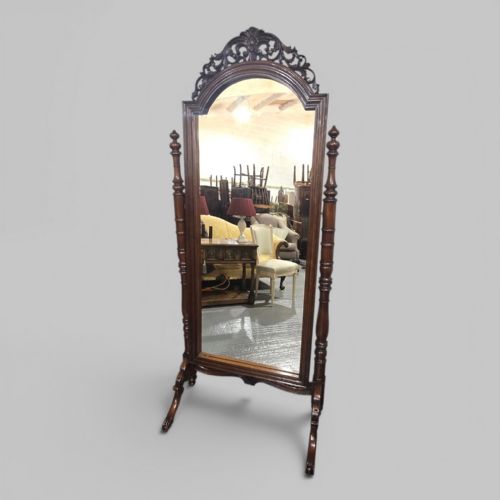
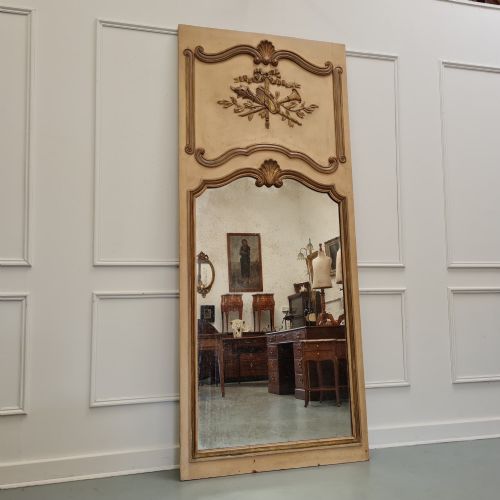
When searching for a french floor standing mirror, buyers encounter substantial pieces designed to anchor a room through scale and decoration. The selection includes pivoting cheval mirrors alongside large leaner mirrors positioned directly against a wall.
The majority of these pieces originate from the nineteenth century, spanning periods such as the French Empire, Louis XVI Revival, and Victorian eras. Forms range from heavy gilded wood frames to freestanding mahogany dressing glasses fitted with brass details.
While primarily functional objects for checking attire, these mirrors function principally as architectural elements. Their substantial proportions and decorative frames alter the perceived light and volume of an interior space.
Distinctions in quality
Quality rests significantly on the depth and crispness of the carved wood and gesso ornamentation. Superior examples display hand-carved detailing with sharp definition, whereas lesser pieces rely on heavy, uniform moulded plaster compositions.
The choice of primary timber and finishing technique dictates the upper tier of the range. Solid flame mahogany frames and genuine gold leaf application distinguish high-end cabinet work from simpler painted or stenciled softwood constructions.
Engineering integrity separates standard utility mirrors from exhibition pieces. Robust framing joints and smoothly functioning brass pivot hardware ensure long-term stability for very large swinging mirror plates.
French Floor Standing Mirror Retail Price Guide 2026
Typical asking prices for french floor standing mirror among the pieces listed under this phrase on Sellingantiques today, from the lower quarter to the upper quarter. They describe what is for sale here now, not the wider market.
Some nineteenth-century cheval mirrors arrived with brass candle holders attached, ensuring you could inspect your outfit during sudden evening power cuts.
The French Floor Standing Mirror Glossary
- Cheval mirror
- A freestanding mirror supported by a frame with vertical pivots that allow the glass to tilt. This form became popular for bedroom dressing during the eighteenth and nineteenth centuries.
- Gesso
- A plaster-like mixture applied to wood frames to provide a smooth surface for gilding or painting. Artisans carved intricate relief decorations directly into this dried layer.
- Giltwood
- Timber that has been decorated with thin sheets of gold leaf. It defines the opulent surfaces found on many period French frames.
- Leaner mirror
- A very large wall mirror designed to stand directly on the floor and lean against a vertical surface rather than hang from brackets. These items maximise reflected light in principal rooms.
- Trumeau
- An antique decorative mirror or panel integrated into wall panelling or mounted above a mantelpiece. Painted or carved pastoral scenes often accompany the upper glass section.
French Floor Standing Mirror: Frequently Asked Questions
How do I secure a heavy leaner mirror?
Large leaning mirrors require adequate floor friction and structural wall fixings to prevent tipping. Most heavy frames use concealed anchor brackets attached to the wall behind the top moulding.
Ensuring the floor is level and protecting the base with proper pads helps distribute the substantial weight safely against the skirting board.
What is a cheval mirror used for?
A cheval mirror provides a complete head-to-toe reflection while allowing the user to adjust the angle of the glass. They were traditionally placed in bedrooms and dressing rooms for final attire checks.
The pivoting mechanism enables users of varying heights to find a clear vertical view without repositioning the entire heavy frame.
How do I date an antique gilt mirror?
Dating relies on examining the construction of the timber frame, the composition of the gesso, and the characteristics of the glass plate. Hand-beveled edges, older backboards, and distinct regional carving styles point to specific nineteenth-century periods.
Wear patterns on the gilding and the oxidation of the reflective backing also offer reliable clues to age.
Are these mirrors suitable for bathrooms?
Original antique frames made of gesso and wood are sensitive to high humidity and moisture fluctuations. Steam from showers can damage the delicate gilt surfaces and cause the silver backing of the glass to degrade.
Placing them in dry hallways, bedrooms, or living spaces preserves the fragile materials and historic finishes.