

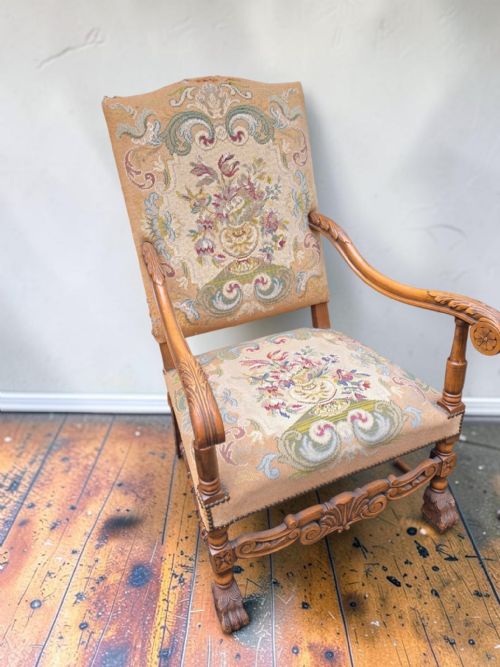
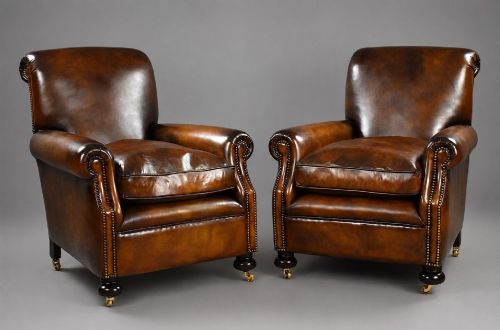
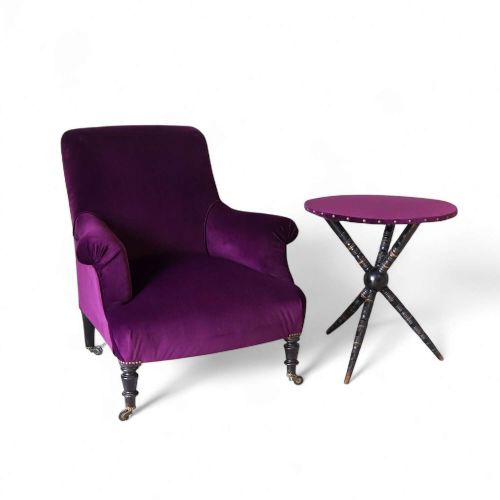
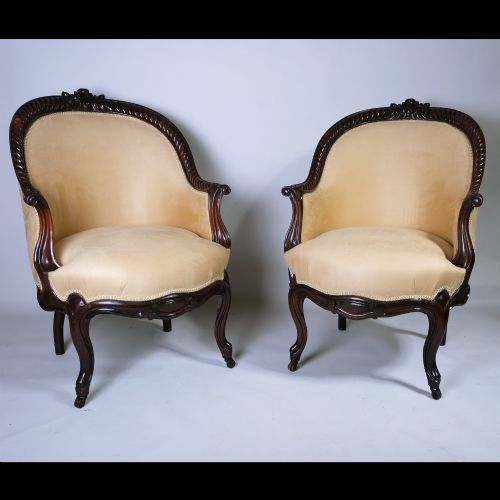
French Fireside Armchairs
French fireside armchairs bring domestic warmth and historic seating character into a room through generous proportions and period upholstery.
French Fireside Armchairs
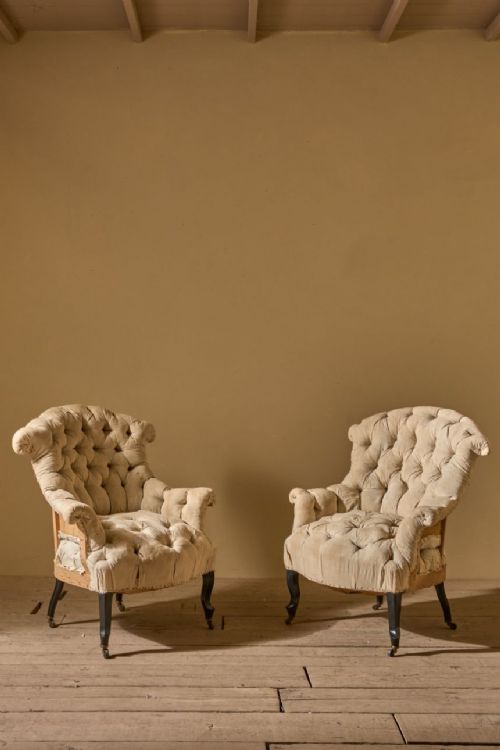
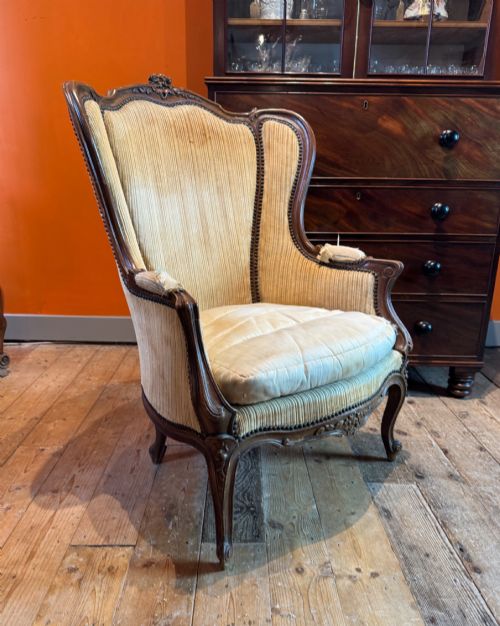
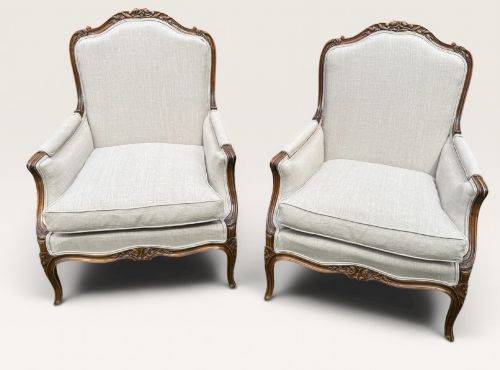
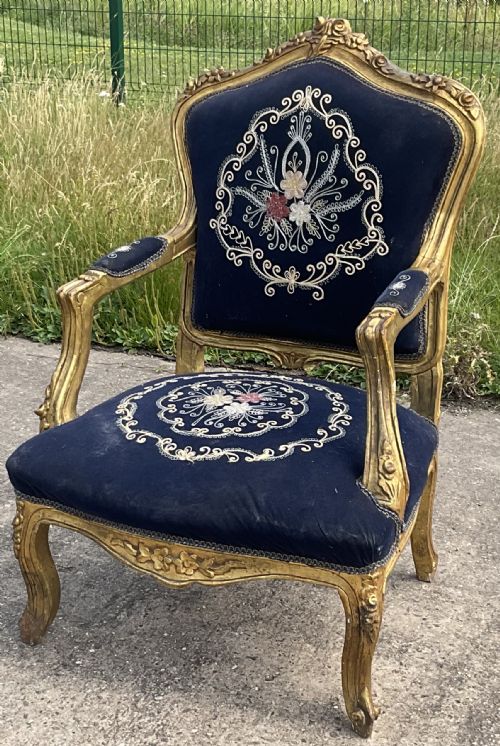
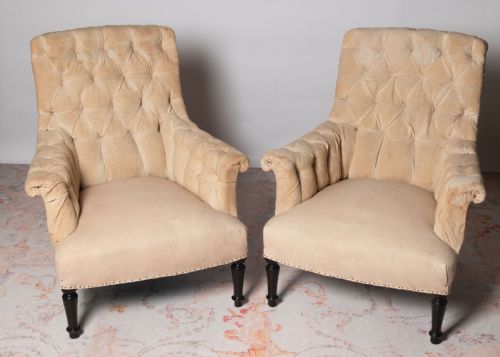
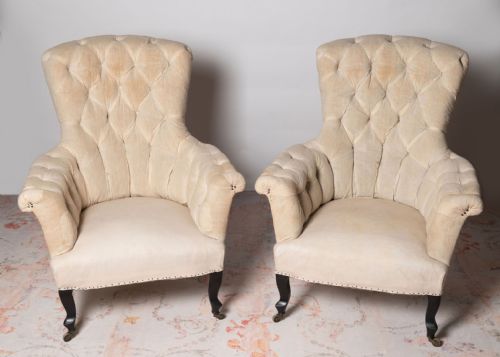
French fireside armchairs encompass low-slung seats and upholstered reading chairs designed for comfort near a hearth. When you search for french fireside armchairs, you encounter diverse forms ranging from buttoned Napoleon III frames to carved walnut Louis XV style chairs.
The selection on this page relies heavily on nineteenth-century pieces alongside examples from the early twentieth century and the eighteenth century. Walnut, mahogany, and beech form the primary timber frames supporting various fabric, leather, and velvet coverings.
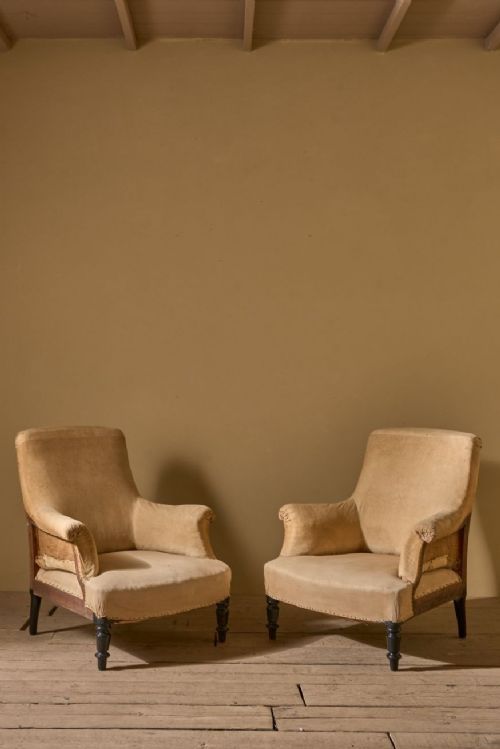
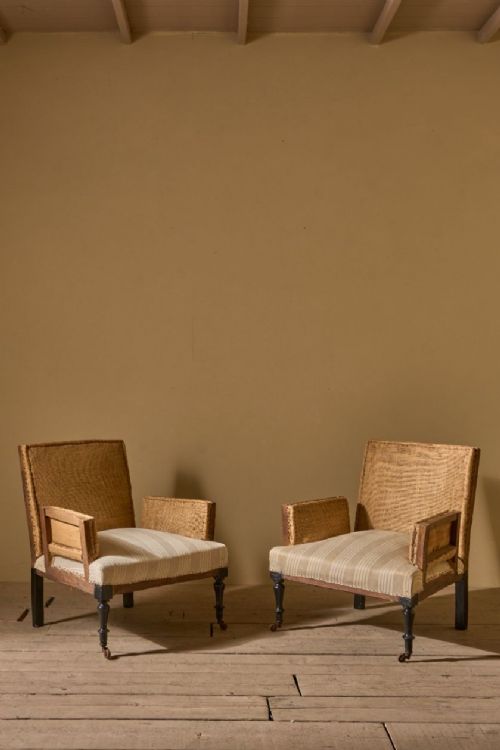
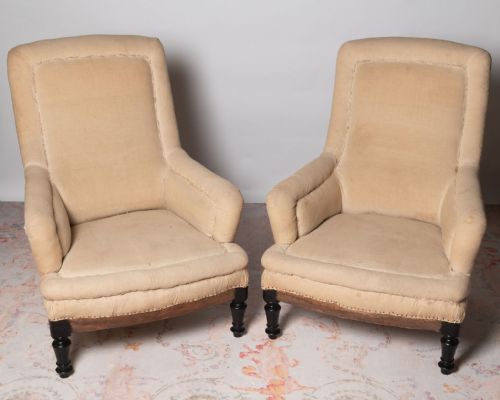
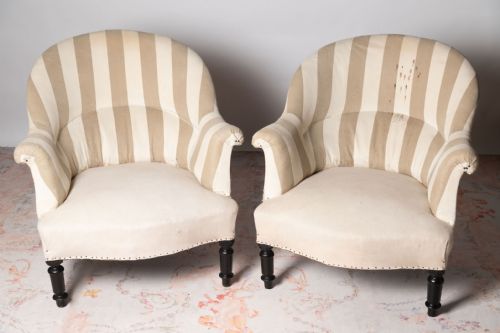
Armchairs, slipper chairs, and bergères dominate the listings, frequently appearing as matched pairs. Buyers also find wingbacks and reclining variants intended for low seating beside a fireplace.
How they were made
Frame construction typically utilises dense timbers like walnut, oak, mahogany, and beech, shaped through carving or plain turning. Structural support often incorporates brass details and exposed wooden elements on legs and armrests.
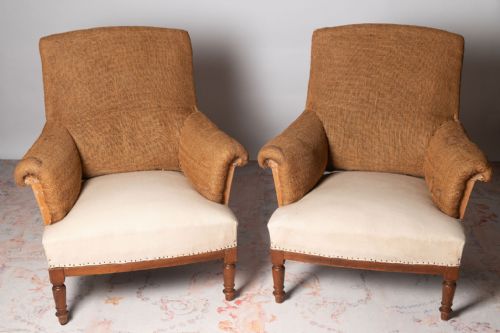
Upholstery methods span traditional stuffing beneath velvet, calico, tapestry, and leather, alongside modern fabric applications on restored pieces. Many frames survive from the nineteenth century ready for fresh textile work or retaining period buttoned finishes.
What varies in quality
The integrity of the underlying timber frame and the depth of hand-carved detailing distinguish superior examples from plain production. Solid walnut and mahogany structures maintain stability far better than softer substitute woods over centuries of use.
The precision of historical upholstery work, from buttoning to spring tension, alters both the comfort and the visual harmony of the chair. Original carved flourishes and matching pairs command greater appreciation among collectors than isolated or heavily altered pieces.
The French Fireside Armchairs Glossary
- Bergère
- An enclosed upholstered armchair with wooden framing around the back and sides. These seats usually feature padded armrests and a loose cushion over a caned or upholstered base.
- Napoleon III
- A nineteenth-century eclectic design style drawing on earlier French royal aesthetics. Pieces from this period often display buttoned upholstery, ebonised finishes, and playful geometric lines.
- Louis XV Style
- An eighteenth-century design revival characterised by curved cabriole legs and organic floral carvings. Frames in this aesthetic prioritise asymmetric flow and comfortable upholstered seating.
- Wingback
- An armchair featuring protective side panels attached to the backrest. This form historically shielded occupants from draughts near open fires.
- Slipper Chair
- A low-seated upholstered chair originally designed for bedrooms to assist with footwear. These pieces lack arms and sit close to the floor for relaxed posture.
French Fireside Armchairs: Frequently Asked Questions
How do I identify a true period frame?
Examine the timber species, joinery methods, and tool marks visible on the underside or inside of the seat rails. Eighteenth and nineteenth-century French frames display hand-cut joints and dense hardwoods such as walnut or beech.
Compare the carving style and proportions against documented regional examples from the same era. Consistency in wear and construction details helps separate genuine period pieces from later reproductions.
Are these chairs comfortable for daily use?
Most French fireside armchairs offer deep seating and supportive backrests designed for relaxation near a hearth. Their low posture encourages a restful sitting angle compared to standard dining chairs.
Upholstery comfort depends on whether the internal webbing and springs have been recently restored. Buyers can select pieces with firm modern padding or traditional soft stuffing depending on personal preference.
How should I care for antique wood and leather?
Keep wooden frames away from direct heat sources and rapid temperature fluctuations to prevent timber splitting. Dust regularly with a dry cloth and apply occasional specialist wax to nourish polished surfaces.
Treat leather upholstery with suitable balms to maintain suppleness and avoid cracking over time. Velvet and fabric coverings benefit from gentle professional cleaning to preserve pile and colour.
Can I mix different chair styles in one room?
Pairing contrasting styles, such as a carved walnut Louis XV armchair alongside a simpler nineteenth-century design, adds visual depth to an interior. Shared timber tones or complementary upholstery palettes tie disparate seating together.
Matching pairs create symmetry near a fireplace, while individual armchairs work well as accent pieces in corners or reading nooks. Focus on seat height and scale to ensure balanced placement alongside existing furniture.