


French Fire Screen
A french fire screen brings warmth and decorative brilliance to a hearth, shaped by nineteenth-century metalwork traditions.
Understanding French Fire Screens
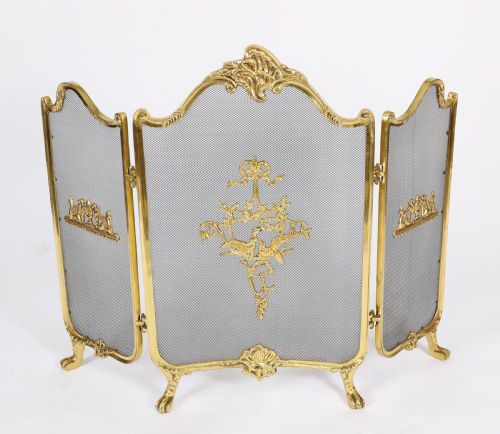
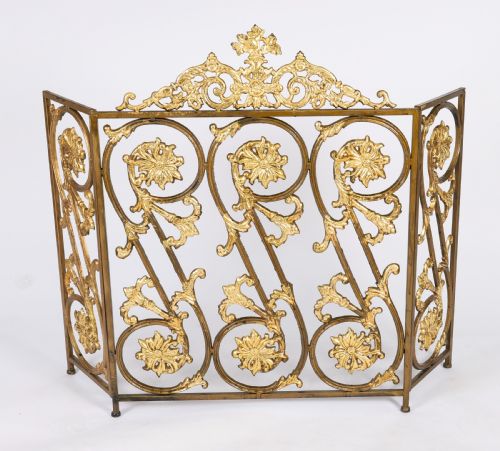
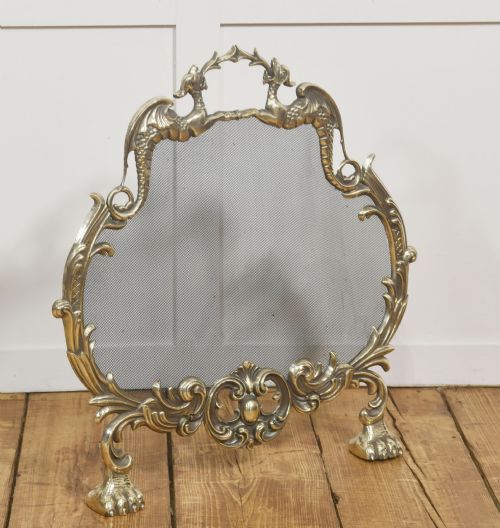
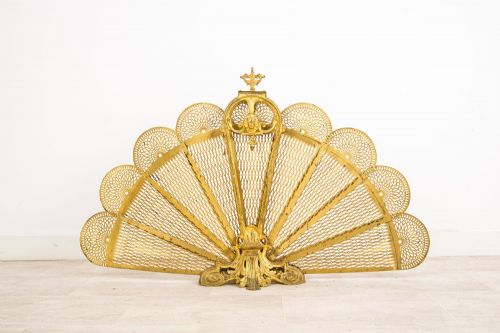
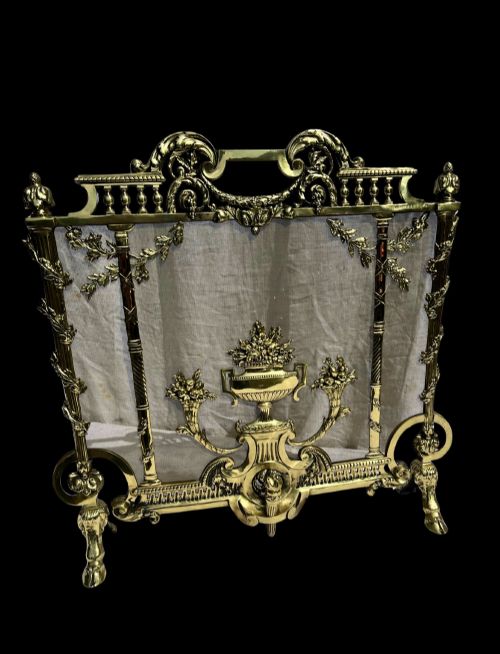
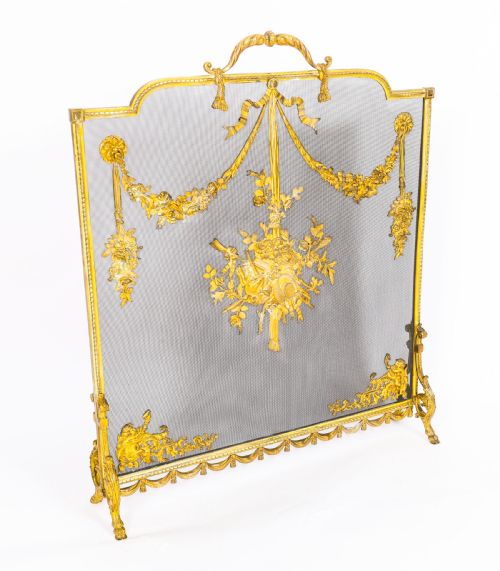
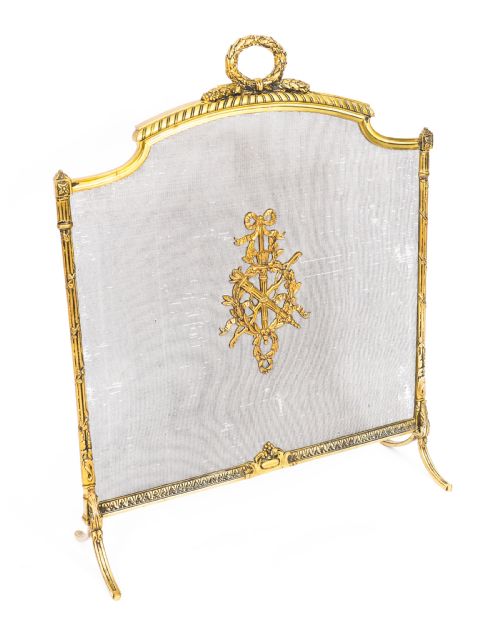
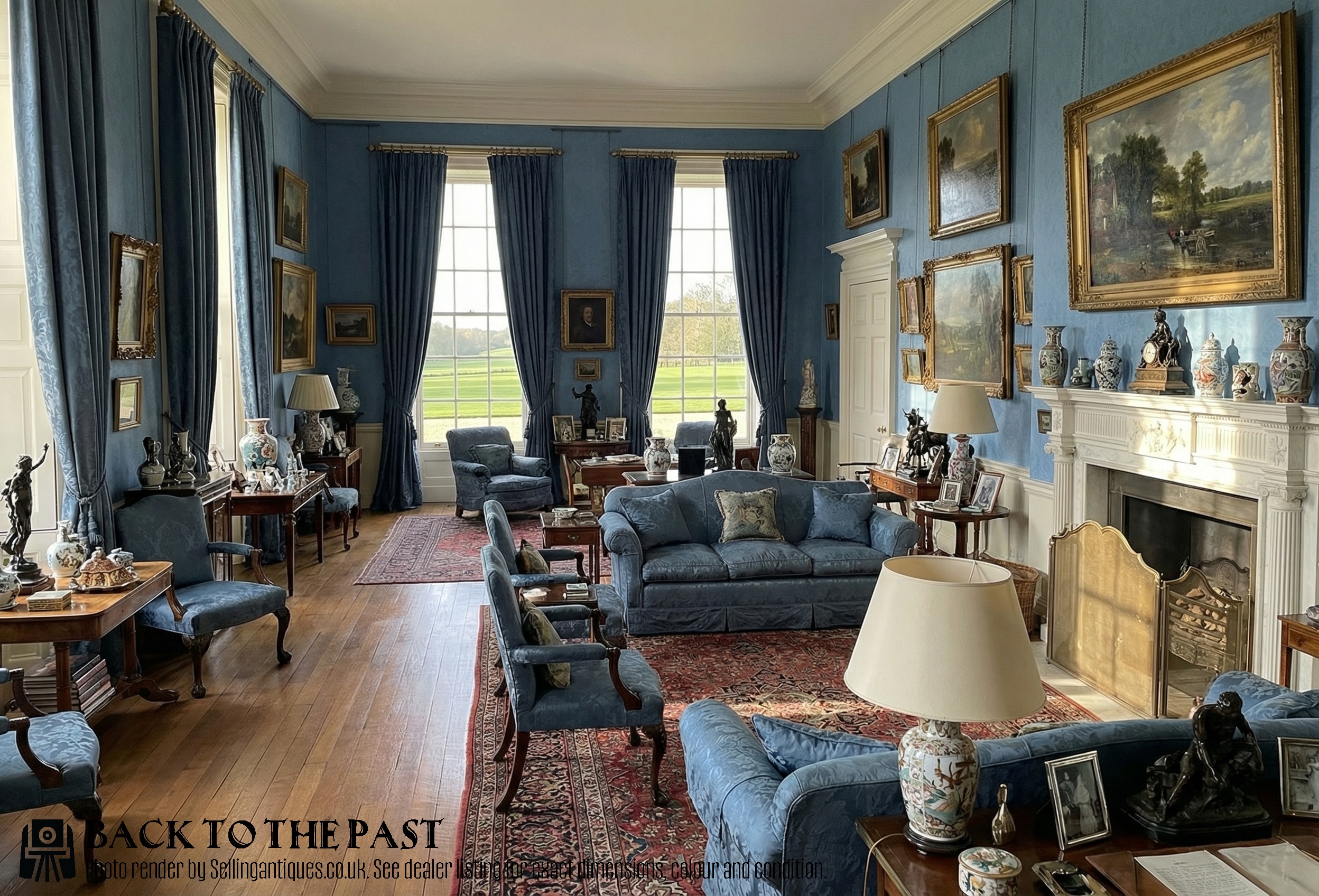
A french fire screen acts as an ornate barrier before an unlit hearth, combining utility with decorative presence. These pieces emerge predominantly from the nineteenth century, reflecting periods such as the Louis XV revival and Rococo styles.
The historical function centres on containing stray sparks while enhancing the appearance of the fireplace during warmer months. Buyers encounter both rigid frames and adjustable folding variations across different nineteenth-century workshops.
Materials and Construction
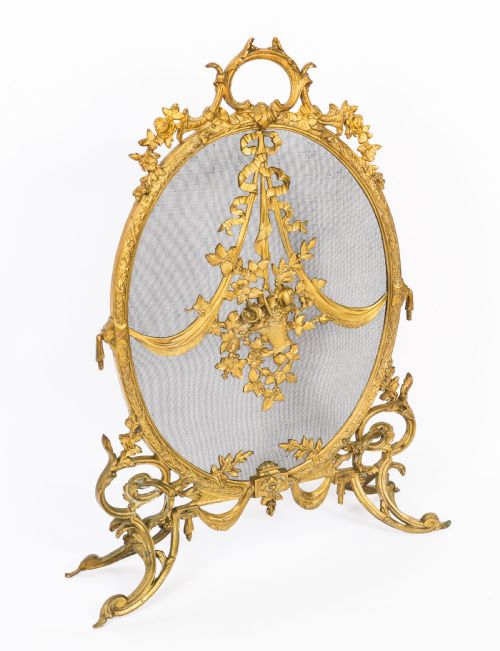
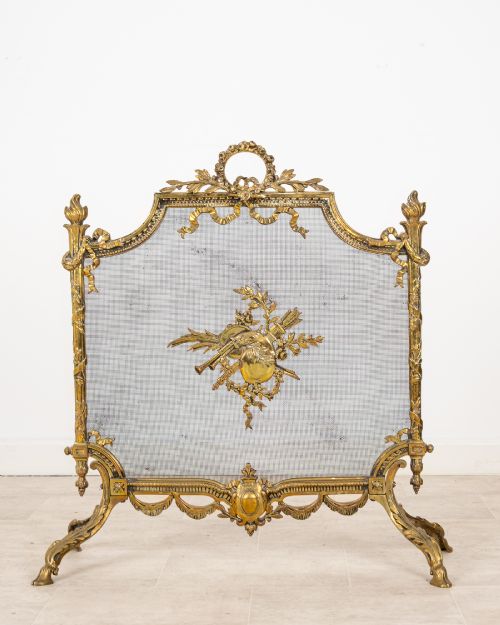
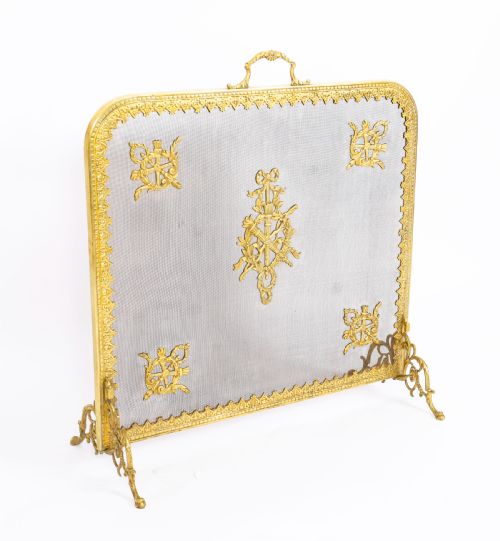
Metalworking dominates these pieces, utilising brass, ormolu, gilt bronze, and copper cast into intricate Rococo patterns. Artisans employed woven wire mesh to create spark-resistant panels within sturdy metal frames.
Gilding and fire-gilding techniques were applied to bronze and brass surfaces to achieve lasting metallic brilliance. Pierced metalwork and cast elements like dolphins, flaming torches, and cherubs required skilled hand-finishing.
Retail Price Guide 2026
Typical UK retail prices for french fire screen, calculated from the Sellingantiques database of over a million retail prices indexed since 2003. This retail price guide relies exclusively on Sellingantiques data; no external sources or auction records are used, so the figures do not describe the wider market.
Listings feature nineteenth-century brass, gilt bronze, and wire mesh in Rococo revival and Louis XV styles.
Assessing Quality and Craftsmanship
The weight and thickness of the metal define the structural integrity of the piece, distinguishing heavy cast frames from lighter stamped alternatives. Superior examples display crisp, deep chasing in the ormolu and bronze, where decorative scrolls and figures retain sharp definition.
Artisanal assembly separates standard production from exceptional work, particularly in the smooth operation of folding fan mechanisms and secure mesh integration. The refinement of the cast detailing in motifs like cherubs or foliage indicates the skill level of the maker.
Bouhon Frères·Maison Marquis
The French Fire Screen Glossary
- Ormolu
- Gilt bronze or brass applied to decorative hardware and furniture mounts. This technique involves amalgamating gold with mercury on a bronze base.
- Rococo
- An ornate design style characterised by asymmetrical scrollwork, C-curves, and naturalistic plant motifs. It heavily influences nineteenth-century French fireside pieces.
- Fire Guard
- A protective metal screen placed before a fireplace to contain sparks. These items range from single rigid panels to multi-fold mesh configurations.
- Gilt Bronze
- Bronze metal coated with a thin layer of gold or gold-coloured alloy. This material resists tarnishing while providing a rich, golden surface sheen.
Frequently Asked Questions
How do I use a french fire screen?
Place the screen directly in front of the fireplace opening when the fire is not actively burning. This shields the room from stray ash and conceals the dark interior of an unused hearth.
Folding fan designs can be adjusted in width to suit different fireplace openings. Rigid frames simply stand independently on the hearth floor.
What metals are most common?
Brass and bronze form the foundation of most nineteenth-century examples. Ormolu and gilt bronze finishes provide the characteristic golden appearance associated with French revival styles.
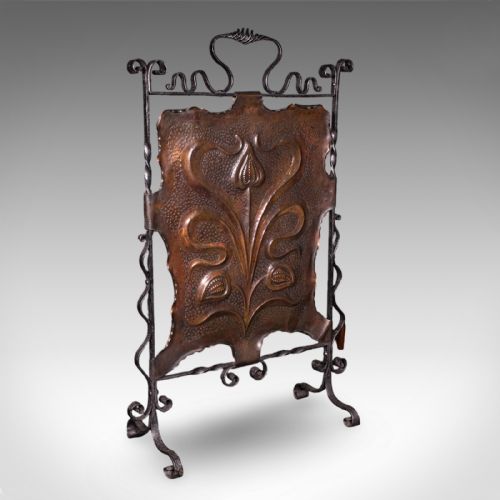
Iron and copper appear less frequently in heavier wrought variants or reflector panels. Wire mesh is standard for the spark-retaining sections.
How do I identify a Rococo style screen?
Look for asymmetrical scrollwork, shell motifs, and curving floral elements across the frame. These designs mimic eighteenth-century aesthetics revived during the nineteenth century.
Cast details often include naturalistic flourishes like acanthus leaves and C-scrolls. The overall silhouette prioritises flowing, organic lines over strict symmetry.
Are these screens adjustable?
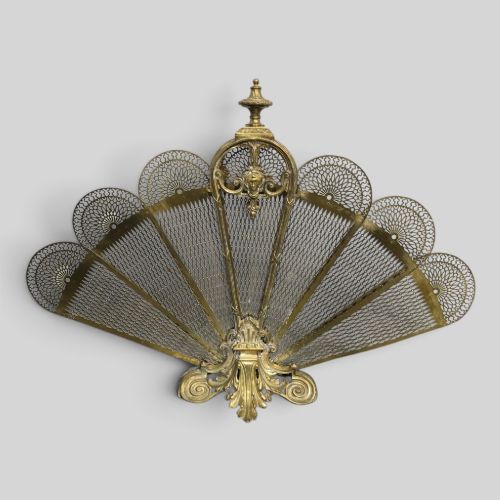
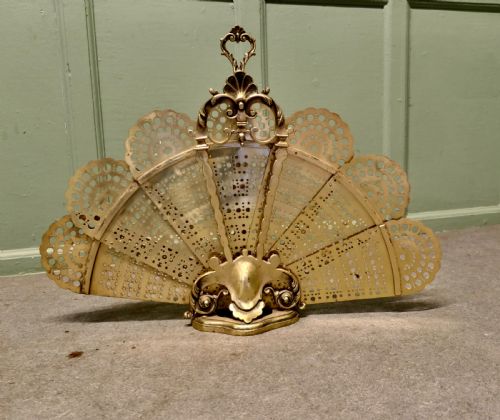
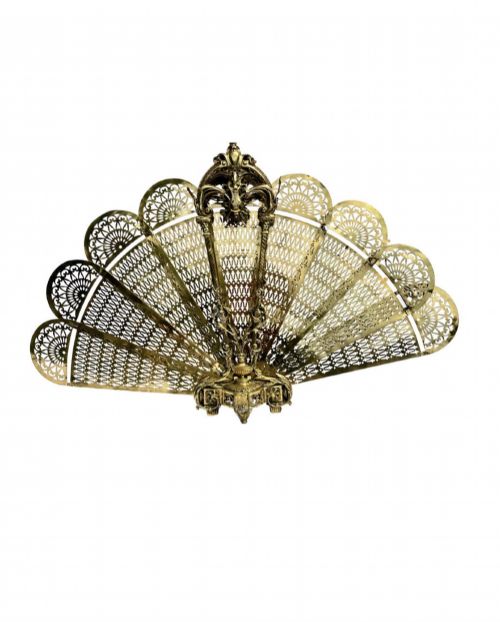
Many brass fan screens feature folding blades that expand like a peacock tail. This allows the guard to cover wider hearth spaces when needed.
Rigid frame screens and multi-fold guards remain fixed in their dimensions. Adjustable chateau guards offer heavy-duty coverage for larger fireplaces.