


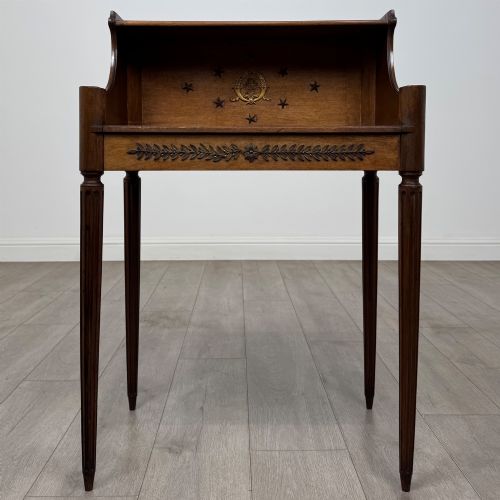


French End Tables Mahogany
These french end tables mahogany bring timeless Parisian elegance to a room, offering practical surface space combined with classic Continental forms.
French End Tables Mahogany
When searching for french end tables mahogany, buyers encounter a diverse selection of occasional furniture originating from the nineteenth and early twentieth centuries. The inventory spans several distinct aesthetic movements, including Louis XV and Louis XVI revivals, Art Deco, and Edwardian interpretations.
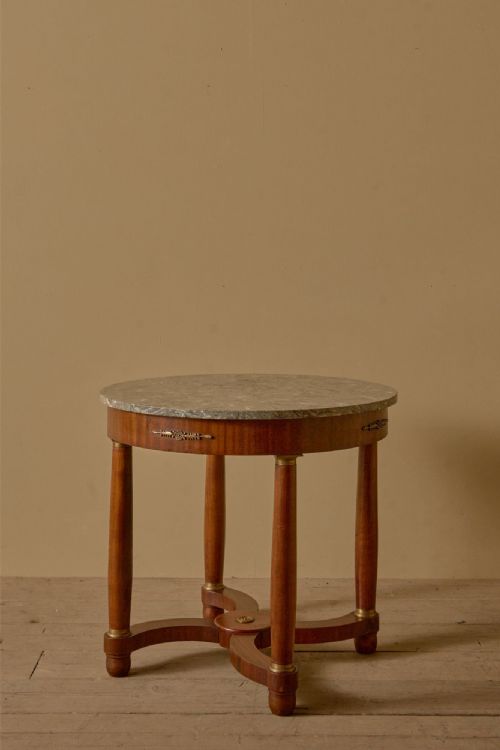
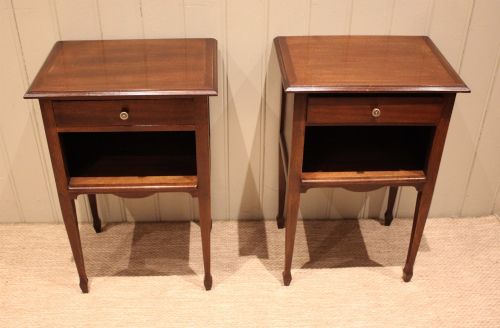
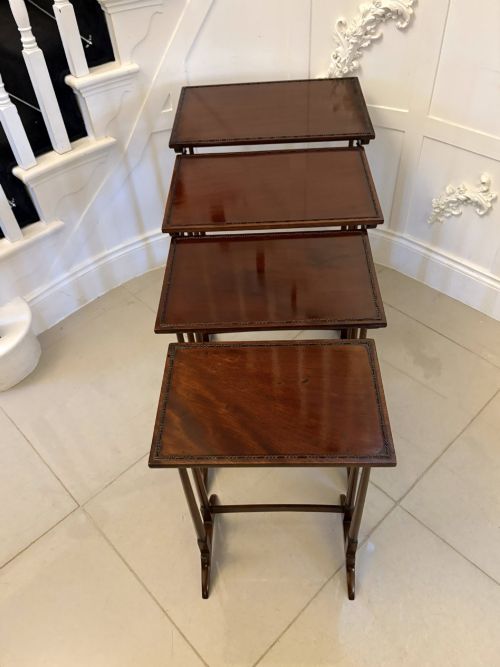
The pieces on offer primarily take the form of side tables, lamp tables, nests of tables, and bedside cabinets or nightstands. Many adopt graceful silhouettes such as kidney shapes or circular gueridon designs, providing versatile options for placement beside seating or beds.
Origins range from nineteenth-century antiques to pieces produced around nineteen-twenty and nineteen-thirty. Buyers are most likely to meet mahogany structures enhanced by varied detailing, reflecting both classical French styling and later twentieth-century design shifts.
Construction and Materials
Makers utilised solid mahogany and mahogany veneers as the primary timber foundation for these pieces. This wood was frequently paired with contrasting elements such as rosewood, walnut veneer, and ebonised wood to create visual depth and pattern.
Decorative metalwork plays a prominent role in the construction, incorporating cast brass galleries, ormolu mounts, and gilded brass accents. Marble tops, appearing in white and other varieties, are fitted precisely to the wooden frames of gueridons and lamp tables.
Surface ornamentation often relies on intricate inlay and marquetry techniques. Artisans embedded lighter or exotic woods into the mahogany base to form geometric or floral motifs, particularly on occasional and kidney-shaped tables.
French End Tables Mahogany Retail Price Guide 2026
Typical asking prices for french end tables mahogany among the pieces listed under this phrase on Sellingantiques today, from the lower quarter to the upper quarter. They describe what is for sale here now, not the wider market.
Listings feature mahogany french end tables spanning the nineteenth century through the Edwardian era and into the nineteen-thirties.
Assessing Craftsmanship and Detail
Quality in these tables is determined by the precision of the cabinetwork and the refinement of the secondary materials. Superior examples feature seamless veneer matching, tight joinery, and substantial structural integrity in the mahogany frame.
The execution of decorative elements sets finer pieces apart from standard production. Finely chased ormolu mounts, crisps brass galleries, and expertly fitted marble tops demonstrate a higher level of artisanal skill during manufacture.
The complexity of the surface decoration also influences distinction. Tables displaying intricate marquetry, subtle wood inlay, and well-preserved ebonised or rosewood accents indicate greater labour and artistic investment by the maker.
Henry Dasson
The French End Tables Mahogany Glossary
- Ormolu
- Gilded bronze or brass applied as a decorative mount on furniture. It provides metallic contrast against the dark mahogany timber.
- Marquetry
- The art of applying pieces of veneer to a structure to form decorative patterns and pictures. Craftsmen utilise various woods to achieve tonal variation.
- Gallery
- A raised pierced metal rim surrounding the edge of a table top. It serves to keep items secure on the surface.
- Kidney shape
- An asymmetric curved form resembling a kidney bean. Tables of this outline were popular for bedside and occasional use.
French End Tables Mahogany: Frequently Asked Questions
What defines a french end table in mahogany?
These tables are compact occasional furniture pieces constructed primarily from mahogany and influenced by French design aesthetics. They typically date from the nineteenth or early twentieth centuries.
They often incorporate decorative elements such as brass galleries, marble tops, and inlaid marquetry, reflecting styles from Louis revivals to Art Deco.
How were these tables used originally?
Historically, these pieces served multiple functions in domestic interiors, acting as bedside cabinets, lamp tables, or small surfaces for holding books and decorative objects. Their portable size allowed them to be moved easily around a room as needed.
Forms like the kidney shape or the gueridon were specifically designed to fit snugly beside seating or against walls in bedrooms and drawing rooms.
How should I care for a mahogany table with a marble top?
Maintenance involves dusting the mahogany frame regularly with a soft, dry cloth to preserve the polished wood finish. Avoid using harsh chemical polishes that can damage vintage timber.
For the marble insert, clean gently with a damp cloth and mild soap, ensuring liquids do not seep into the surrounding wood or unsealed stone edges.
How do I distinguish between an 1860s piece and a 1930s piece?
Nineteenth-century pieces, such as those from the eighteen-sixties, frequently exhibit elaborate revival styles with heavy brass mounts, rich marquetry, and traditional joinery. They lean towards ornate historical interpretations.
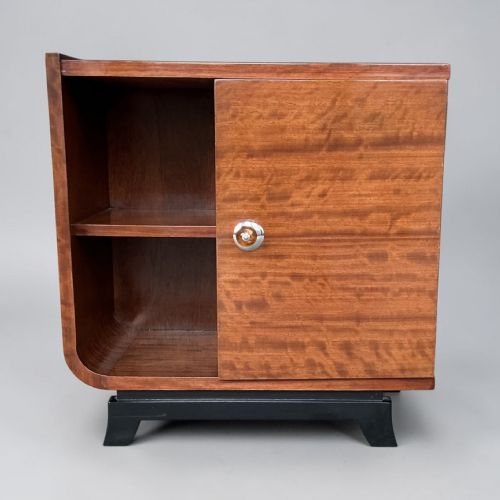
By contrast, pieces from nineteen-thirty often reflect Art Deco streamlining, featuring cleaner lines, simplified geometric inlays, and sometimes chrome accents alongside mahogany.