
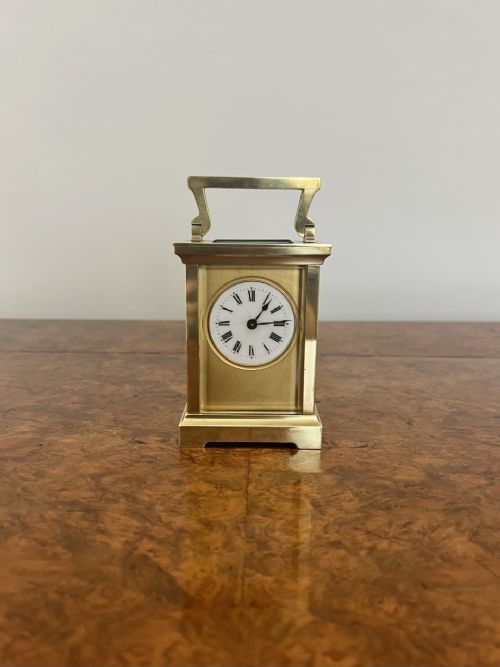


French Enamel Mantel Clock
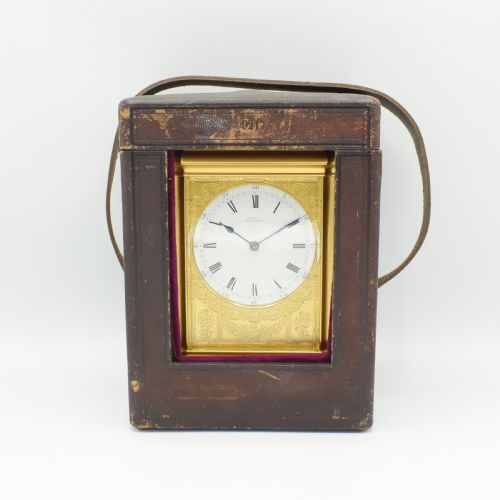
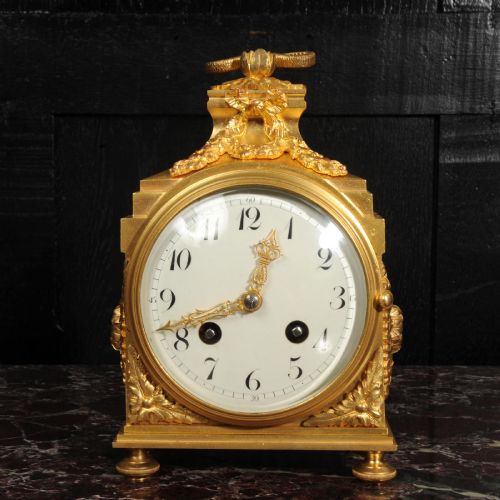
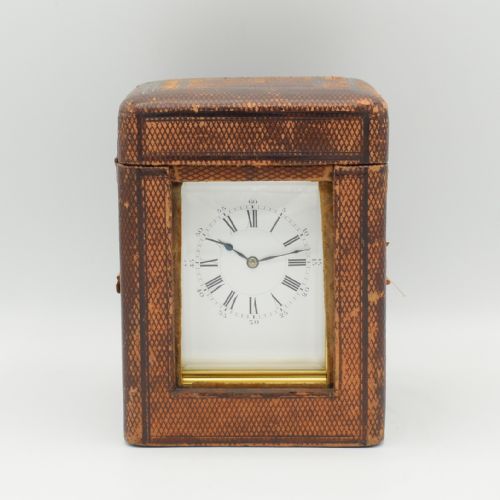
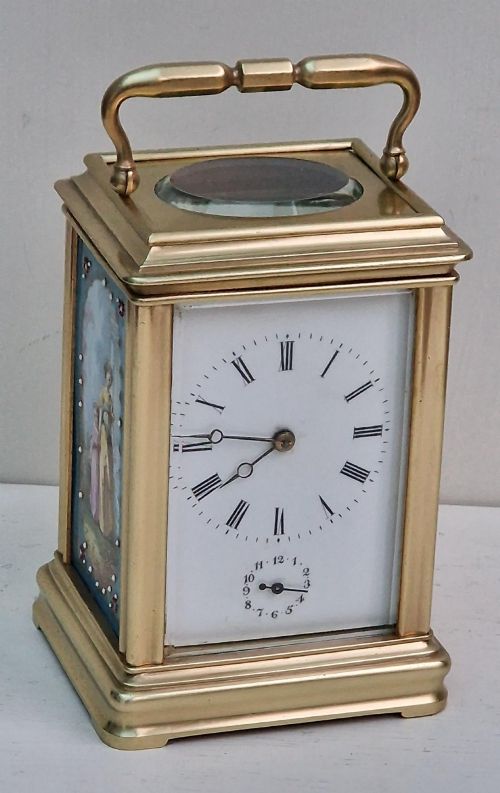
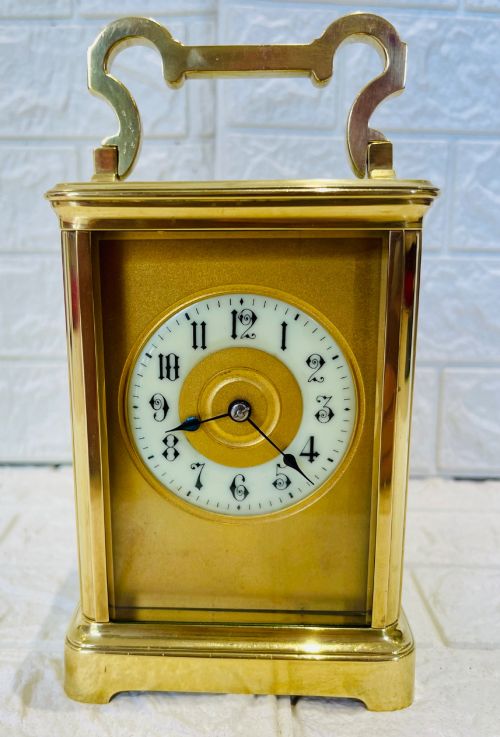
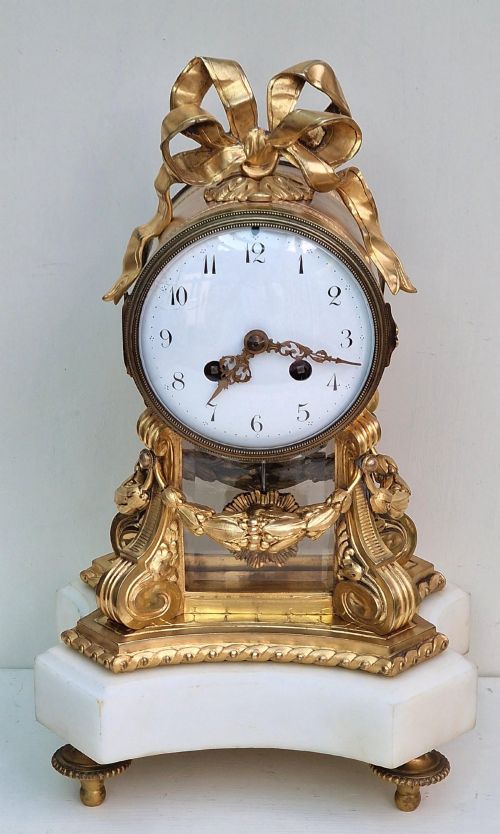
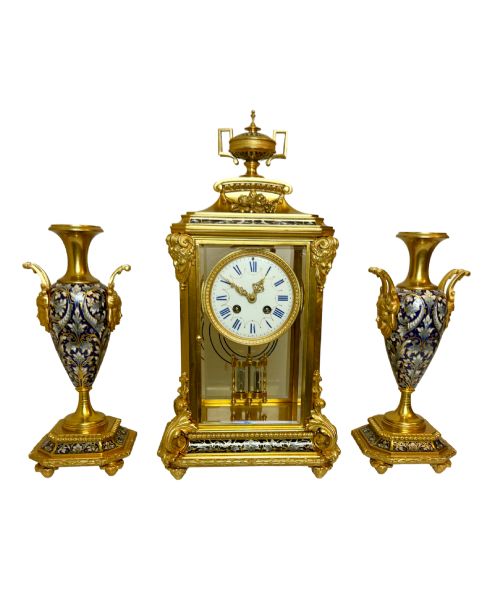
These french enamel mantel clock pieces combine brass, champleve enamel and gilt bronze to bring character and precision to any interior.
French Enamel Mantel Clock
A French enamel mantel clock represents a distinct tradition of horology, merging decorative arts with mechanical timekeeping. Buyers seeking this phrase encounter pieces predominantly from the nineteenth century, spanning Victorian and late nineteenth century periods.
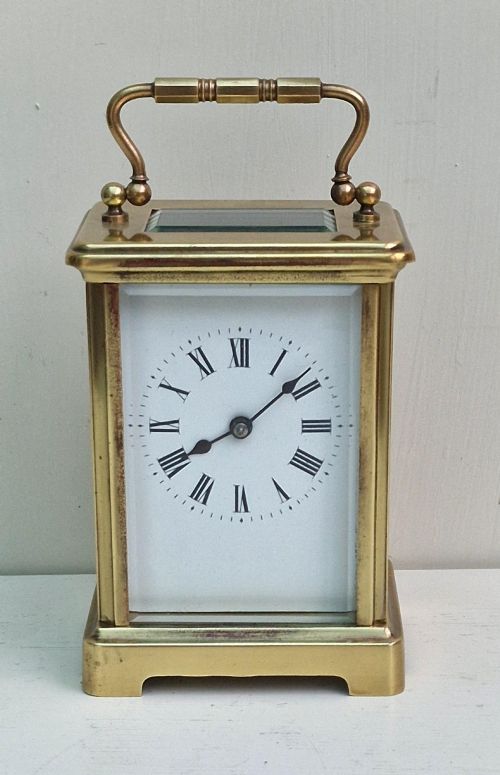
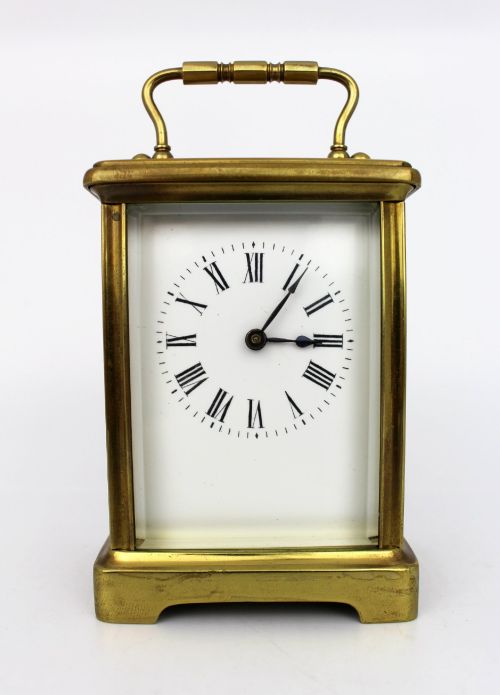
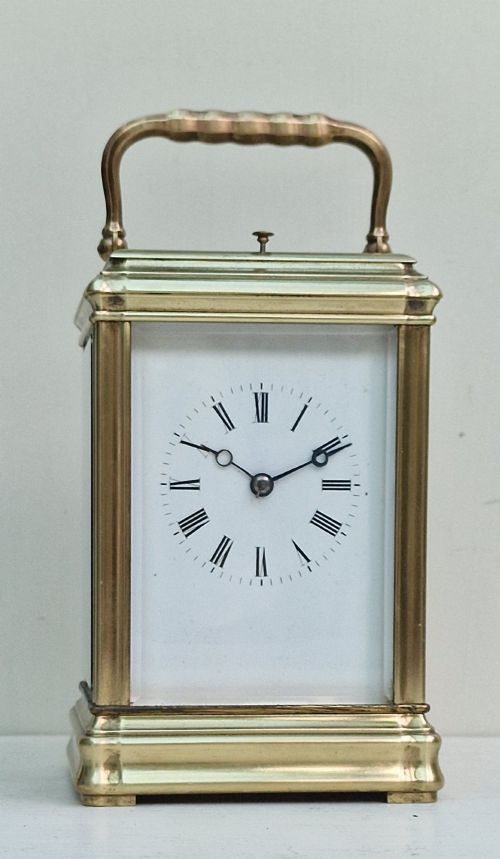
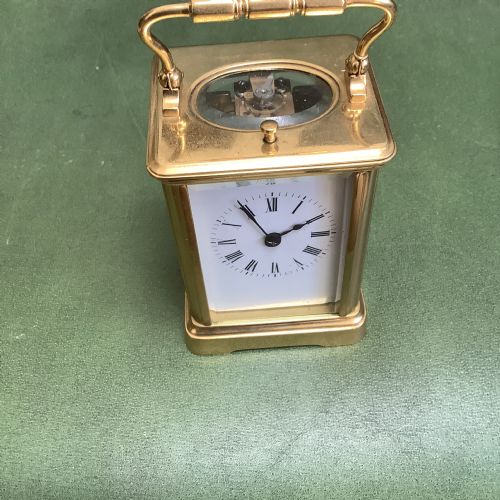
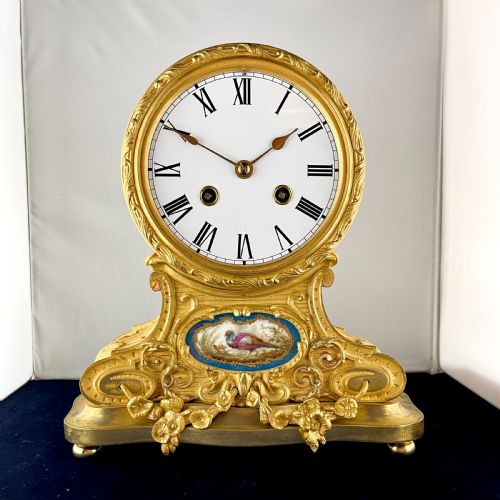
The selection here includes various forms such as carriage clocks, mantel clocks and clock garniture sets. These items display stylistic influences including Louis XVI revival, French Rococo revival and French Empire designs.
Most examples originate from French workshops, though some bear signatures from British retailers who imported the movements and cases. Common variations include gorge cases, doucine cases and four glass panels revealing the interior mechanics.
How they were made
The construction relies heavily on brass and gilt bronze, often highlighted with ormolu and champleve enamel panels. Makers shaped metal cases through casting and engraving, frequently integrating white marble or porcelain elements into the structure.
Enamel work requires fusing powdered glass to a metal surface under high heat, creating vibrant dials and decorative panels. Movements are engineered to house eight day timepieces, bell strikes, repeating mechanisms and occasionally Swiss movements.
The inventory records pieces originating across the nineteenth century, including specific years from 1860 through 1910.
What varies in quality
Quality reveals itself in the crispness of the cast brass or gilt bronze case and the depth of the champleve enamel work. Fully engraved cases and complex mechanisms such as five minute repeaters or bell strikes elevate a piece above standard models.
The presence of original travel cases, signed movements from known makers, and intact hand painted porcelain or enamel dials indicate superior craftsmanship. Preservation of the original gilding and clear hallmarks further distinguish finer examples.
Henri Jacot·Drocourt Paris·Pickford of London·Margaine Of France·T. Martin & Co
The French Enamel Mantel Clock Glossary
- Champleve enamel
- A technique where troughs or cells are hollowed out of a metal surface and filled with vitreous enamel before firing. This method creates rich, patterned designs across clock bezels and columns.
- Ormolu
- Gilded bronze produced by applying a mercury and gold amalgam to a bronze object. The process yields a deep, warm metallic lustre on decorative mounts.
- Carriage clock
- A portable spring driven clock designed for travel during the nineteenth century. They typically feature a glass panelled brass case and a folding handle.
- Garniture set
- A matched decorative grouping consisting of a central clock flanked by matching side ornaments such as urns or vases. These sets utilise materials like marble, enamel and gilt bronze.
French Enamel Mantel Clock: Frequently Asked Questions
How do I wind a French carriage clock?
Most pieces utilise a key inserted into winding squares on the backplate to tension the mainspring.
Care must be taken not to overwind the movement, stopping as soon as resistance is felt.
What is a repeating carriage clock?
A repeating mechanism allows the clock to chime the last hour or quarter hour on demand when a button or plunger is pressed.
This function was designed for checking the time in the dark before electric lighting.
How do I identify a champleve enamel clock?
Champleve pieces display coloured enamel fused into recessed metal channels across the case and dial.
Under magnification, the flush boundary between the metal partition and the glass enamel becomes visible.
Were these clocks made in Britain or France?
The vast majority of movements and champleve cases originated in France, particularly in Paris.
Some pieces were retailed in Britain by local watchmakers who added their own names to the dial or movement.