



French Empire Table Lamps
French empire table lamps bring neoclassical majesty to interiors through gilt bronze, marble and classical columns.
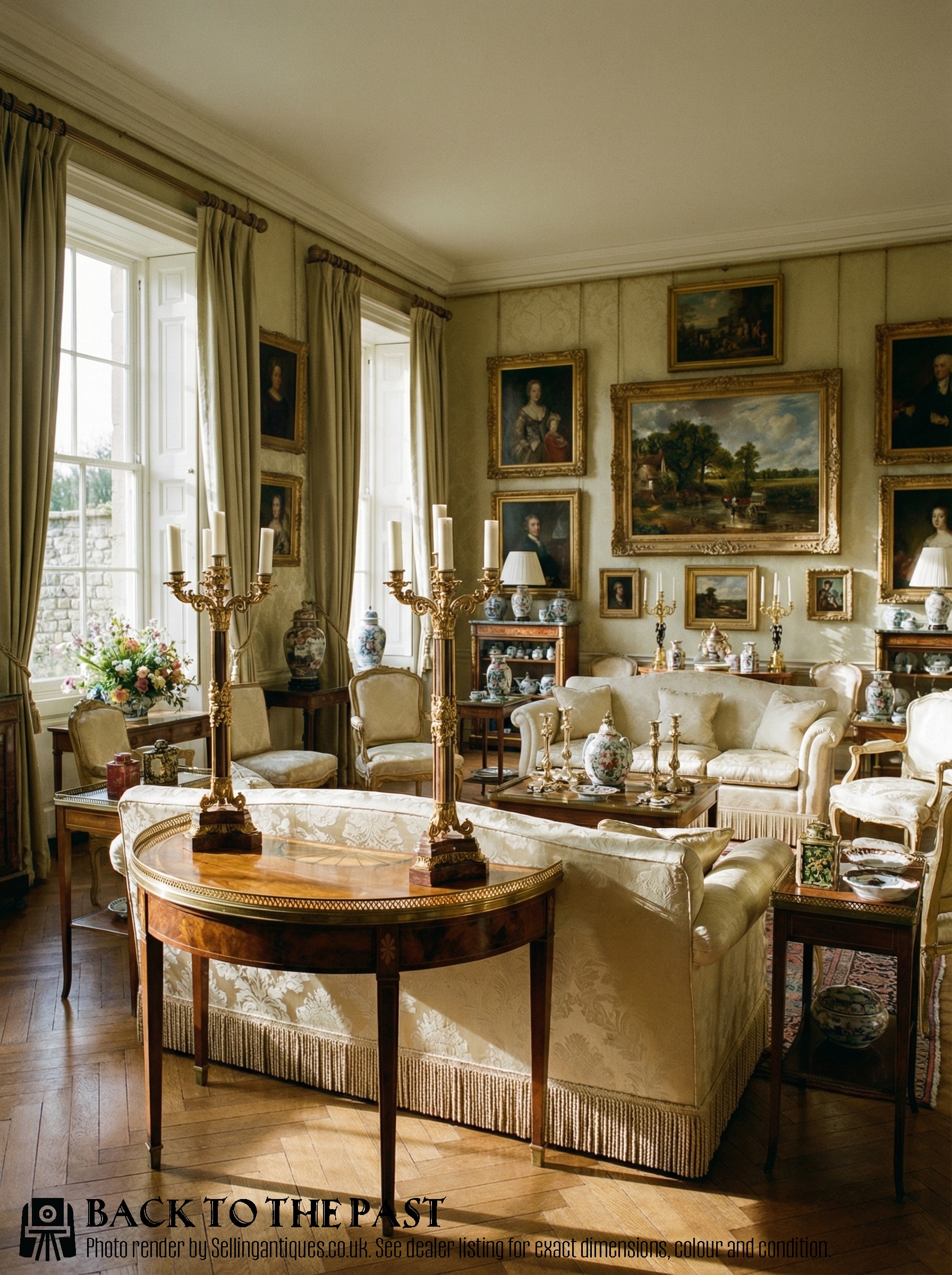
French Empire Table Lamps
When searching for french empire table lamps, buyers encounter lighting rooted in the nineteenth century and classical design traditions. The pieces on this page span table lamps, desk lamps and converted candlesticks that reflect the influence of French Empire and Louis XVI styles. Materials like ormolu, bronze, brass and marble define the visual weight of these items.
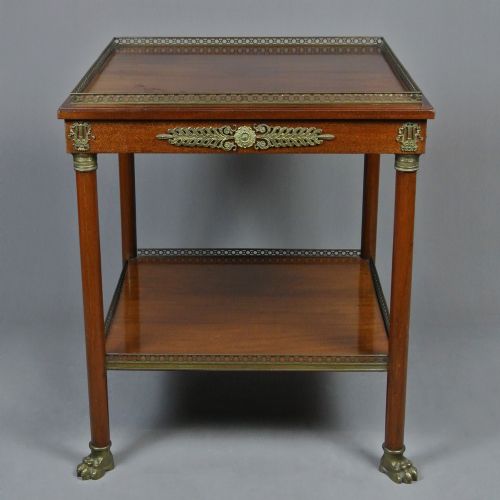
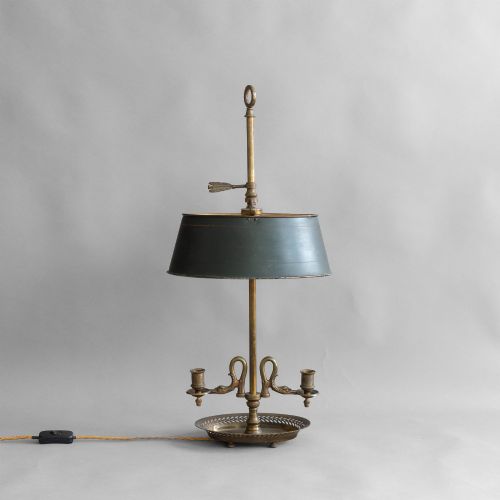
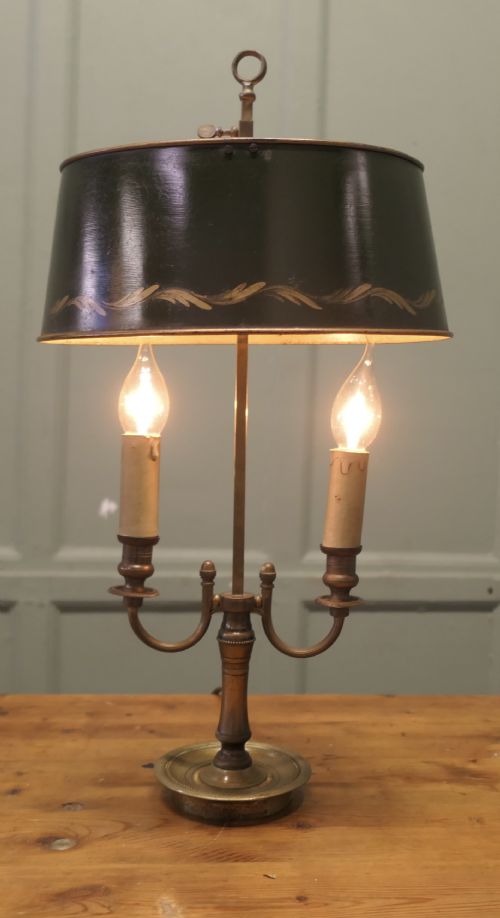
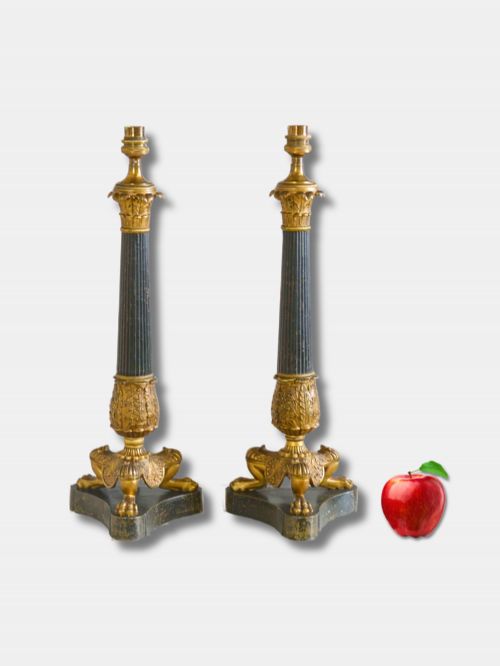
Many examples incorporate architectural elements such as column shafts, lions paw feet and rams heads. Alongside dedicated lamp bases, the selection includes related forms like bouillotte lamps with toleware shades. These objects translate monumental furniture and lighting motifs into functional domestic pieces.
How they were made
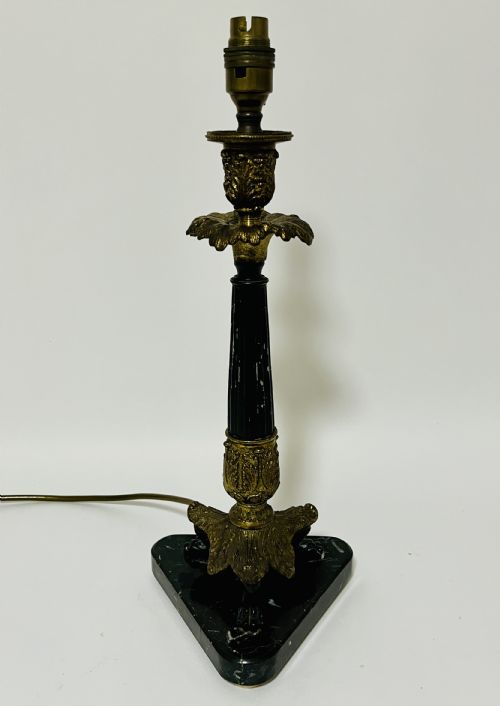
Maker workshops utilised cast metals including ormolu, gilt bronze and brass to construct the structural bodies and decorative mounts. These metal components were frequently paired with white or coloured marble bases and columns. Artisans also employed turned mahogany, burr elm and rosewood for wooden lamp bases and related occasional tables.
Surface treatments involved the application of gold gilding to metal and wood, alongside painted finishes on toleware shades. Silk elements sometimes complemented the metalwork on shaded desk lamps. Precision in casting and carving defined the production of these lighting fixtures.
French Empire Table Lamps Retail Price Guide 2026
Typical asking prices for french empire table lamps among the pieces listed under this phrase on Sellingantiques today, from the lower quarter to the upper quarter. They describe what is for sale here now, not the wider market.
Several items incorporate angry-looking rams heads to stare down your guests while they read.
What varies in quality
The standard of chasing and chiselling on ormolu and gilt bronze mounts dictates visual crispness. Superior examples display sharply defined drapery, acanthus leaves and figural details, whereas lesser pieces show soft or blurred casting marks. The weight and selection of the underlying marble also distinguish finer productions.
Proportion and architectural balance separate masterwork lighting from standard commercial output. Pieces reflecting specific design models or incorporating complex figural bases demonstrate higher workshop skill. The integrity of the original gilt surfaces and the integration of components remain key indicators of execution standard.
Jean Demosthene Dugourc
The French Empire Table Lamps Glossary
- Ormolu
- Gilt bronze produced by applying a mercury and gold amalgam to a bronze object. This technique creates a rich golden surface found on mounts and decorative fittings.
- Toleware
- Lacquered or painted sheet metal used primarily for lamp shades and bouillotte bodies. The material is typically finished in green or dark tones with gilded highlights.
- Gueridon
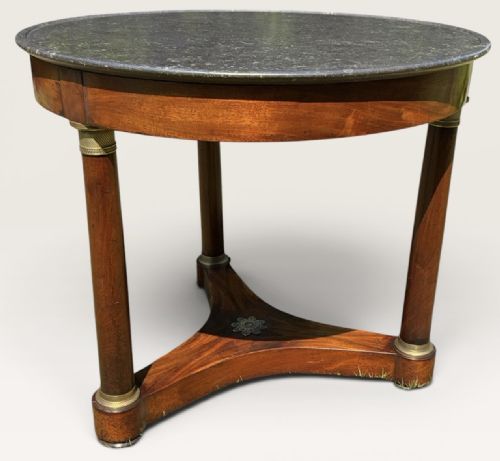
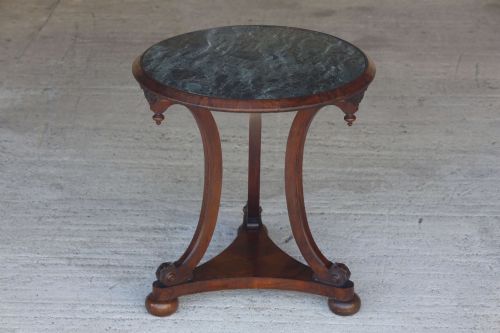
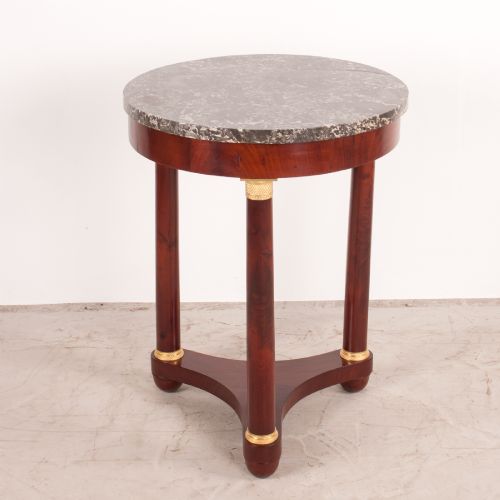
- A small round occasional table supported by a central pillar or tripod base. These tables frequently share decorative motifs with lamp bases from the same period.
- Bouillotte
- A type of adjustable desk lamp featuring a central standard and a painted toleware shade. It was originally designed for the card game of the same name.
French Empire Table Lamps: Frequently Asked Questions
What is a bouillotte lamp?
A bouillotte lamp is a traditional desk or table lamp featuring a central column holding multiple candle arms. An adjustable toleware shade directs light downward onto the surface.
These lamps originated in France for card games and reading. They combine brass and painted metal components.
How do I identify Empire style?
Empire style is characterised by neoclassical motifs derived from ancient Greece and Rome. Look for ormolu mounts, rams heads, lions paw feet and architectural columns.
The aesthetic emphasises symmetry, heavy metal casting and classical dignity. Materials commonly include gilt bronze, mahogany and marble.
Are these lamps converted candlesticks?
Many antique table lamps from this period started life as candlesticks or candelabra. Workshops later adapted them for electrical use by adding wiring through the centre.
This conversion process is standard for antique lighting. It allows period metalwork to function safely in modern settings.