



French Ebonised Frame
When you handle a french ebonised frame, you hold a piece of history defined by deep dark wood and careful craftsmanship.
French Ebonised Frame
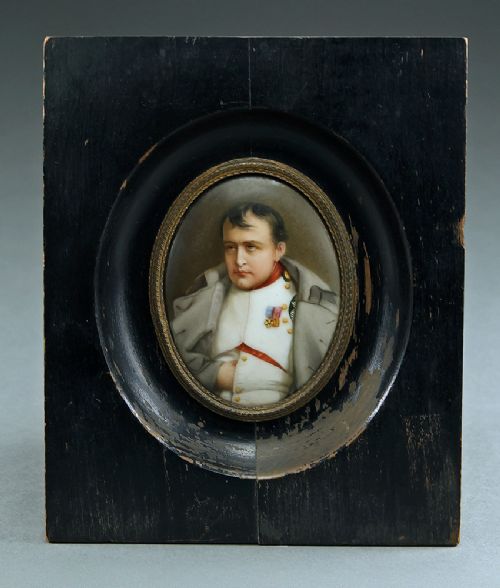
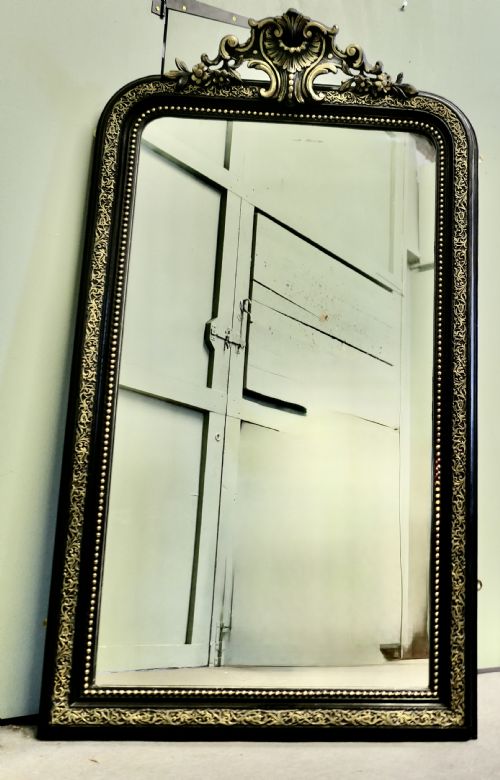
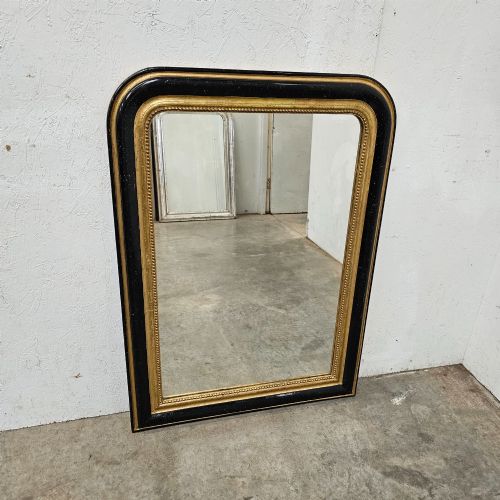
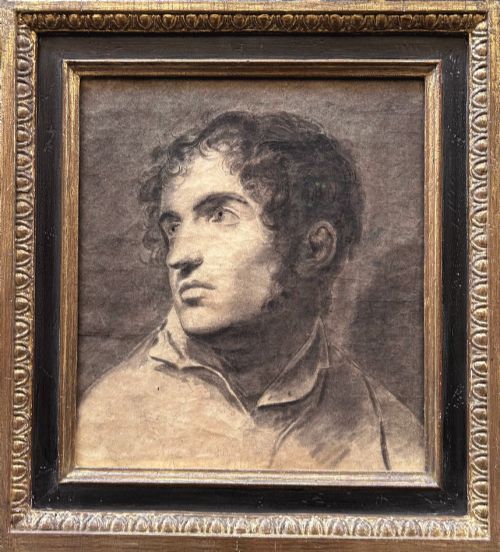
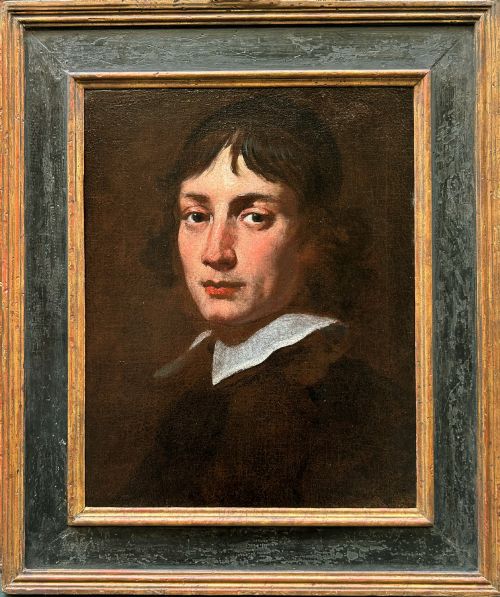
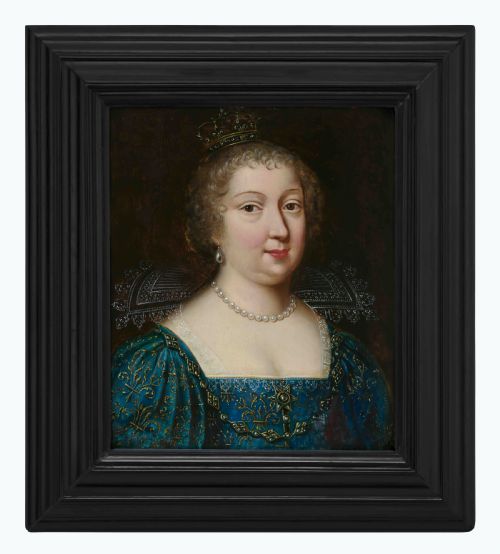
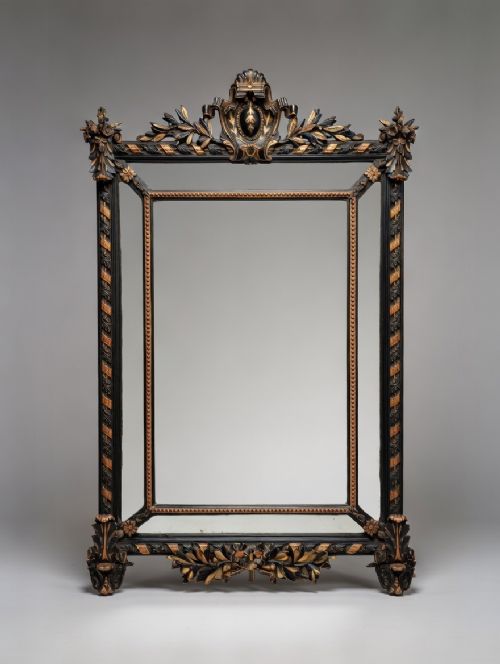
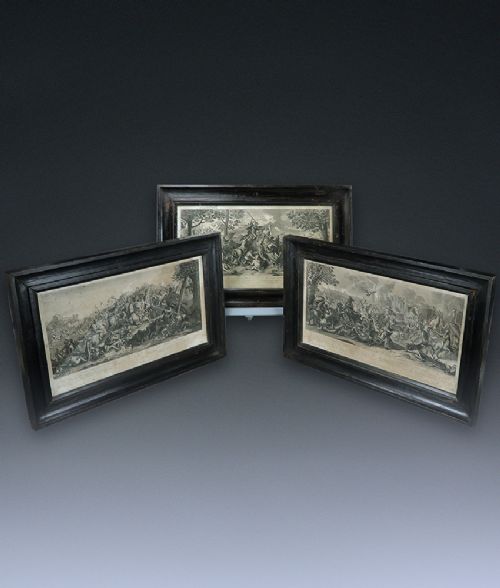
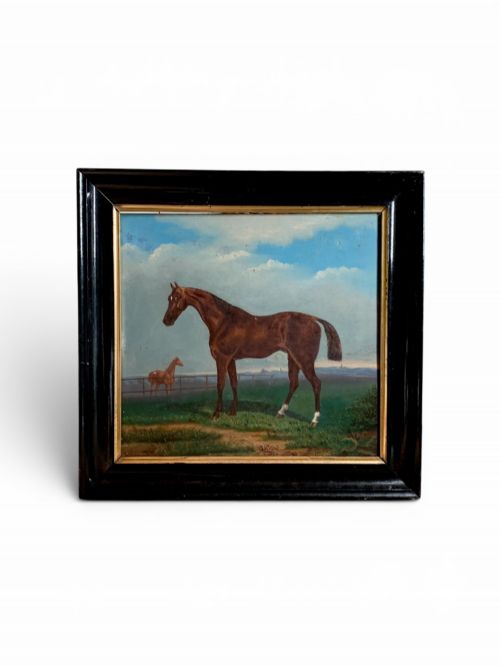
A french ebonised frame brings together dark timber surfaces and decorative traditions spanning centuries, appearing most frequently on mirrors, art panels, and clocks across this collection. These objects range from seventeenth-century portraits to nineteenth-century Napoleon III wall mirrors, showcasing how makers adapted dark finishes for domestic interiors.
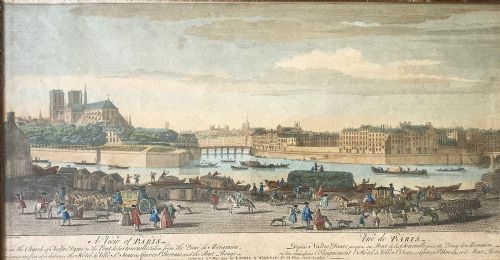
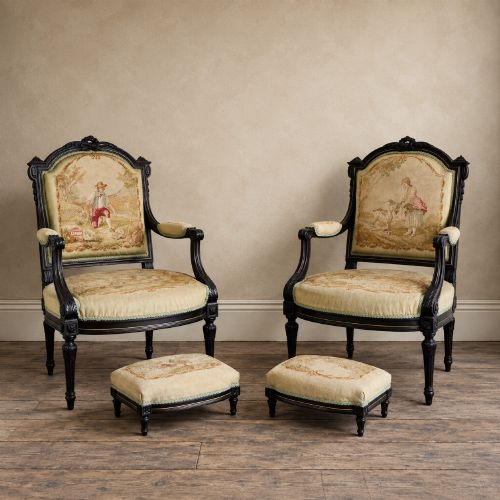
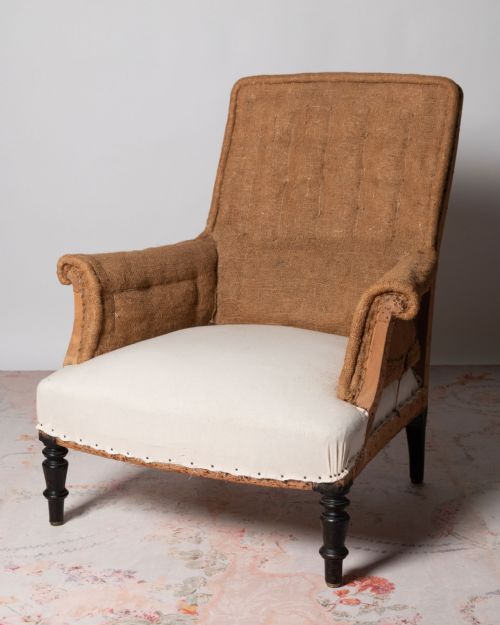
Buyers seeking this phrase encounter wall mirrors, overmantel mirrors, and armchairs alongside framed paintings and prints. The selection leans heavily toward nineteenth-century Napoleon III and Victorian examples, where ebonised wood often meets parcel-gilt details or brass inlay.
The utility of these items varies by form, with mirrors designed to reflect light in period rooms and clock frames housing precise movements. Each piece demonstrates the enduring appeal of dark-finished woodwork within French and Victorian decorative arts.
How they were made
Makers achieved the distinct dark finish by treating suitable timber, often beech or other woods, to mimic costly ebony. This ebonising process required careful preparation of the wooden surface before polishing to a deep sheen.
Surfaces frequently incorporate gesso and gold leaf or parcel-gilt highlights to contrast against the black wood. Brass wire and mother-of-pearl inlay appear on specific clock and mirror frames, demonstrating advanced decorative techniques.
Structural elements rely on traditional joinery suited to heavy wall mirrors and upholstered seating like armchairs and salon settees. Carved details on wood and gesso frames provide the tactile relief characteristic of the period styles.
Some nineteenth-century French clock frames hide intricate wire and mother-of-pearl patterns designed to catch the flickering candlelight.
What varies in quality
The standard of carving and the crispness of applied gesso set finer examples apart from simpler workshop production. Superior pieces display deeply articulated mouldings and precisely executed parcel-gilt highlights that retain their original brilliance.
Material selection within the frame construction influences overall durability and aesthetic depth. Pieces utilising intricate brass wire or mother-of-pearl inlay demand high levels of artisan skill compared to plain ebonised surfaces.
The integrity of the ebonised finish itself, along with the preservation of original mirror glass or artwork, dictates the historical standing of the object. Surviving elements without extensive overpainting represent the upper tier of the range.
The French Ebonised Frame Glossary
- Ebonised
- Wood treated to resemble dense, dark ebony. This finish became popular in nineteenth-century furniture and mirror production to create a dramatic dark surface.
- Parcel-gilt
- Partially gilded woodwork where gold leaf highlights specific carved details. It provides a bright contrast against the dark ebonised background.
- Gesso
- A plaster mixture applied to wood frames to create a smooth surface for carving or gilding. It allows artisans to shape intricate decorative reliefs.
- Napoleon III
- A nineteenth-century French design period known for eclectic revivals and luxurious dark finishes. Pieces from this era often combine ebonised wood with gilt bronze or brass.
- Overmantel mirror
- A large mirror designed to hang above a fireplace mantel. These architectural pieces often feature ornate ebonised and gilt frames.
French Ebonised Frame: Frequently Asked Questions
How do I date a frame?
Dating a frame involves examining the underlying wood, the composition of the gesso, and the specific style of carving. Nineteenth-century pieces often display machine-assisted uniformity alongside hand-finished details.
Comparing the construction methods with known period examples helps narrow down the decade of manufacture. Hardware and backing materials also offer reliable clues for chronological placement.
Where were these pieces used?
These items belonged primarily in formal parlours, drawing rooms, and dining spaces of European homes. Mirrors amplified natural light and made rooms appear larger while adding decorative weight to the walls.
Clocks and framed artworks served both functional and aesthetic purposes within domestic interiors. Their dark frames anchored the visual composition of nineteenth-century wall displays.
How do I care for ebonised wood?
Caring for ebonised wood requires keeping pieces away from direct sunlight and maintaining stable indoor humidity. Gentle dusting with a soft cloth prevents surface accumulation without harming the dark finish.
Avoid using harsh chemical polishes that might strip the historic polish or damage underlying gesso. Professional conservation methods should be consulted for significant restoration work.