

French Decorative Frame
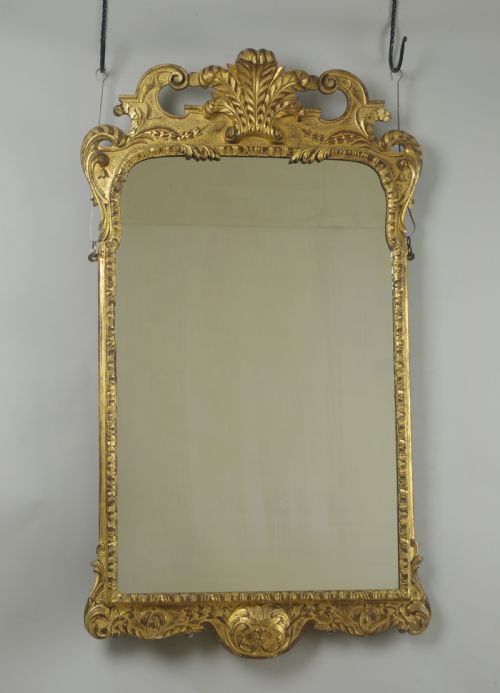
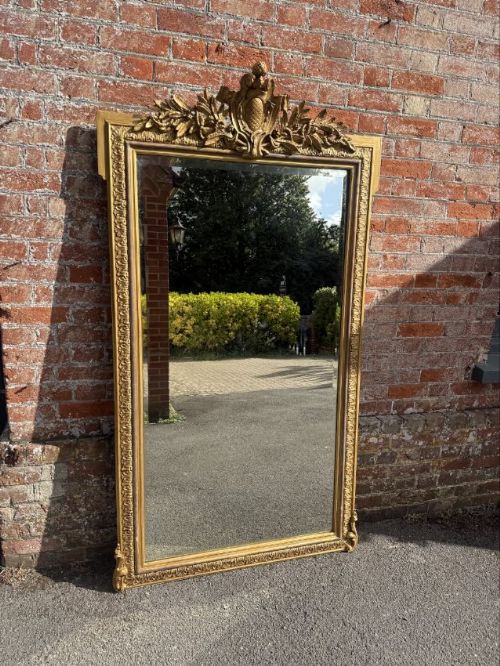
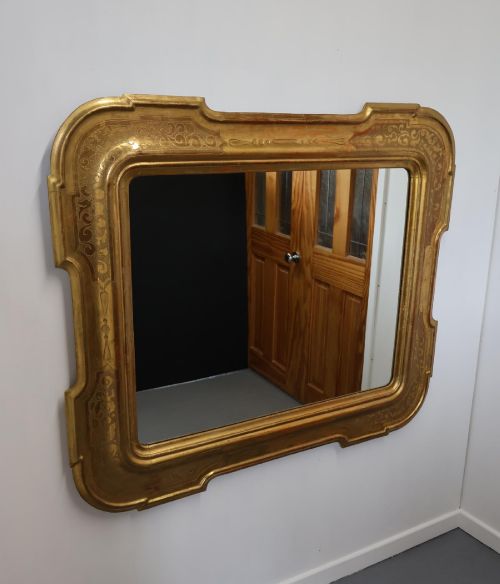
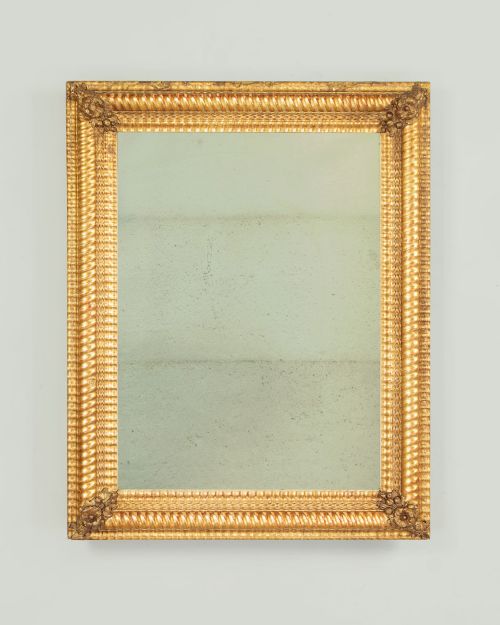
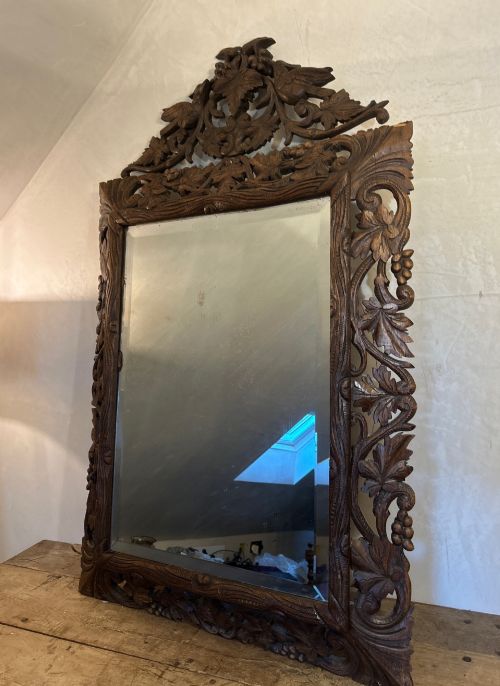
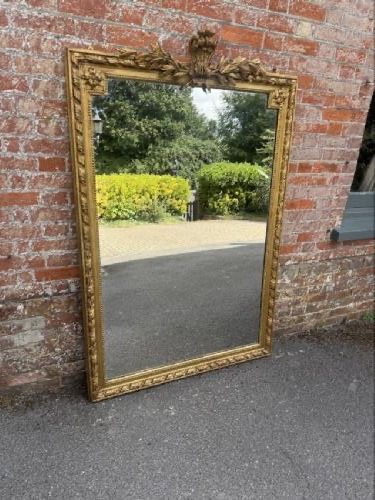
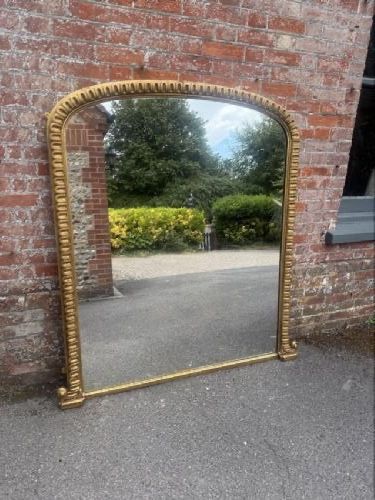
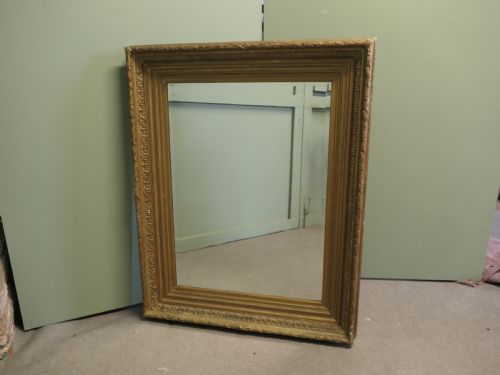
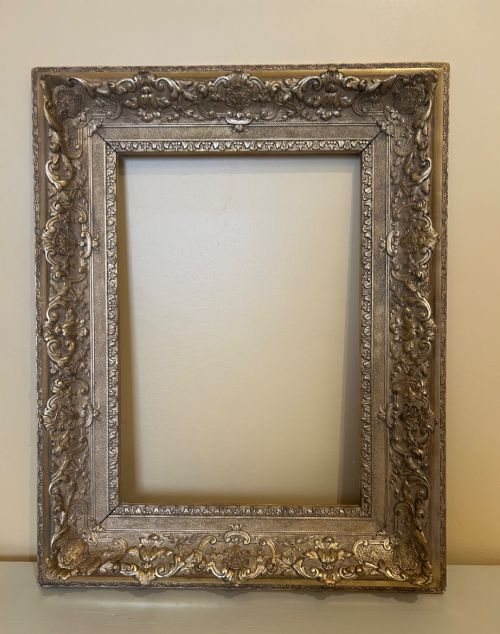
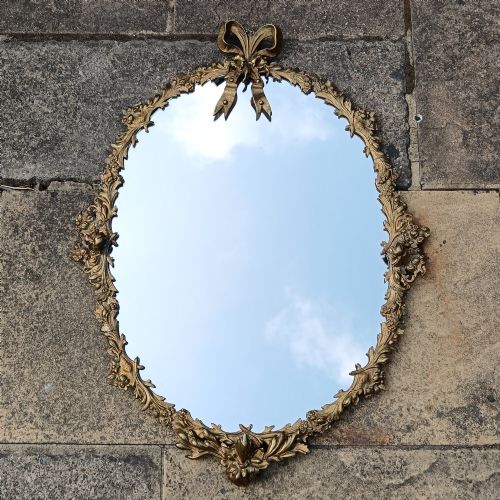
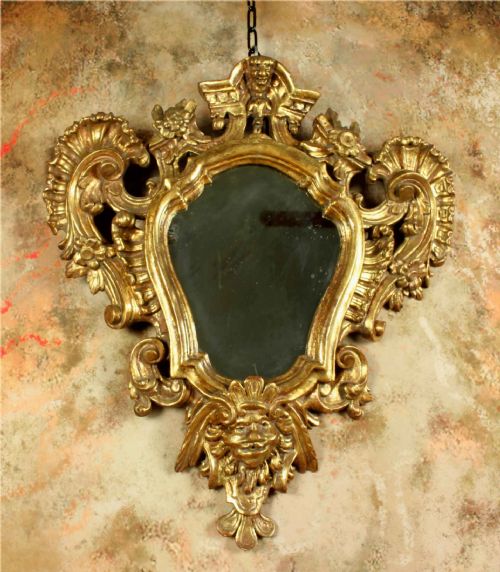
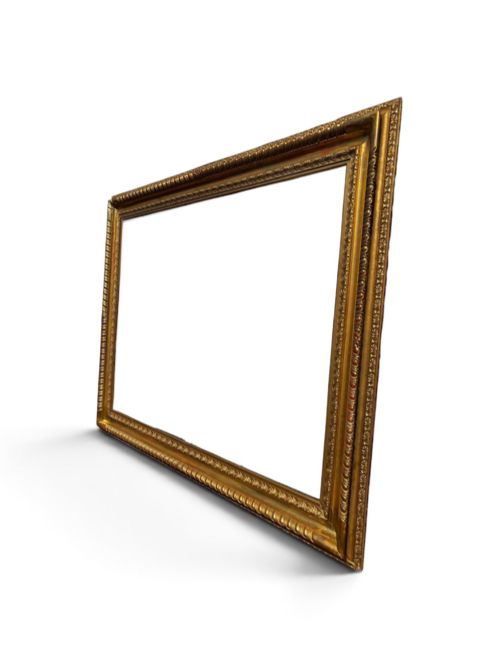
These pieces of french decorative frame offer ornate gilding and carving to elevate any interior wall.
French Decorative Frame
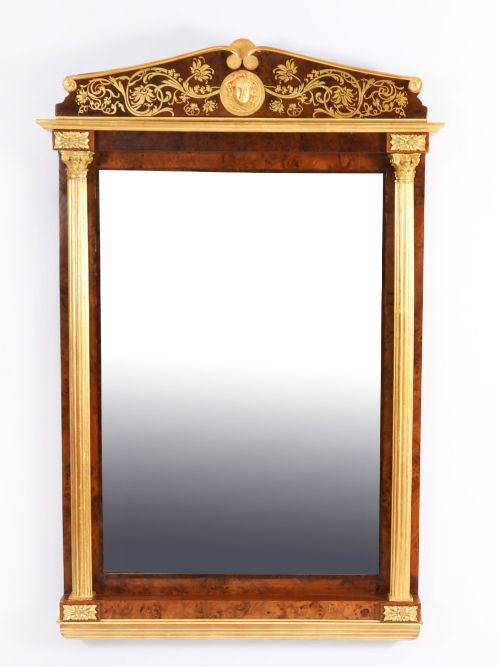
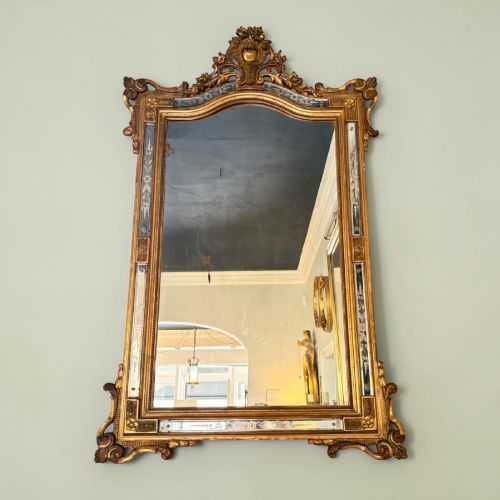
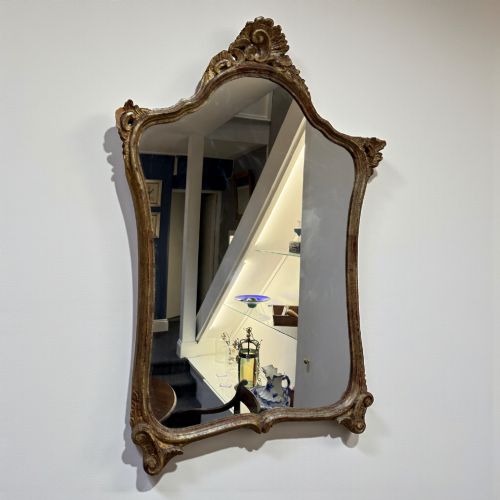
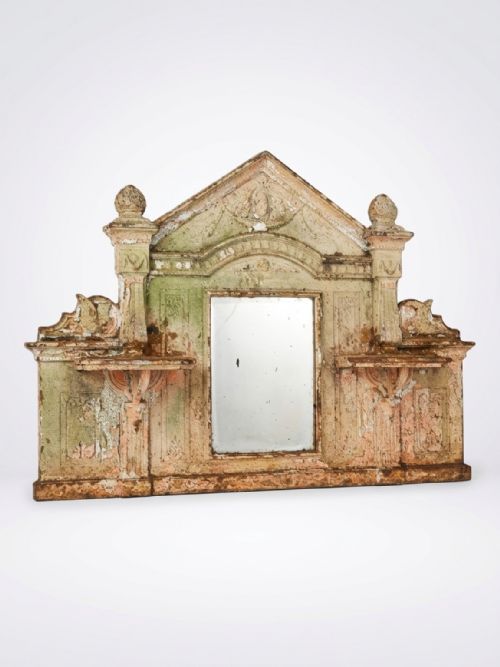
When you search for french decorative frame, you encounter wall mirrors, picture frames, and decorative panels dating primarily from the nineteenth century. These objects bring elaborate periods like the Rococo Revival, Louis XVI Revival, and French Empire into domestic spaces.
The selection on this page leans heavily toward wall mirrors and overmantel mirrors fashioned in gilt wood, alongside occasional painted panels and picture frames. Most examples originate from the 1870s through the 1900s, reflecting Victorian and later revival tastes for French interior design.
Beyond mirrors, the inventory includes occasional brass and bronze items, carved oak, and ebonised frames with parcel-gilt detailing. Each piece relies on historical ornamentation such as rope twists, floral motifs, and scrollwork to create a focal point in a room.
How they were made
Maker workshops constructed these frames primarily from solid wood bases, utilising carved timber or applied plaster and gesso to build up complex relief patterns. Craftsmen then applied layers of gold leaf or paint to the prepared surfaces.
Giltwood pieces combine hand-carved wood with delicate gilding techniques, while other examples employ cast bronze or brass elements for smaller frames and mirrors. Etched glass and original mirror plates frequently accompany these constructions, displaying period manufacturing traits.
French Decorative Frame Retail Price Guide 2026
Typical asking prices for french decorative frame among the pieces listed under this phrase on Sellingantiques today, from the lower quarter to the upper quarter. They describe what is for sale here now, not the wider market.
Some frames include secret structural rope twists that make you wonder if the carver had one too many ciders.
What varies in quality
Quality rests in the crispness of the hand-carving and the depth of the gesso relief rather than a uniform standard of production. Finer frames exhibit sharp botanical details, precise scrollwork, and expert application of gold leaf.
The integrity of the underlying wood and the retention of original gilding separate superior examples from heavily restored pieces. Heavier frames with substantial carved timber cores generally display greater artistic ambition than lighter moulded plaster versions.
The French Decorative Frame Glossary
- Gesso
- A plaster-like mixture applied to wood frames to create a smooth surface for gilding or painting. It allows craftsmen to carve intricate relief details before the final gold leaf layer is added.
- Giltwood
- Timber that has been coated with gold leaf or gold paint to give the appearance of solid gold. This material defines the luxurious aesthetic of nineteenth-century French mirrors.
- Overmantel mirror
- A large horizontal mirror designed specifically to hang above a fireplace mantelpiece. These pieces often feature architectural proportions and elaborate crestings.
- Parcel-gilt
- A decorative treatment where only specific portions of an object are gilded while the rest remains painted, stained, or polished wood. This technique highlights particular carved details.
- Rococo Revival
- A nineteenth-century design movement that resurrected the asymmetrical curves, C-scrolls, and naturalistic motifs of the eighteenth-century French Rococo period.
French Decorative Frame: Frequently Asked Questions
How do I hang a heavy gilt mirror safely?
Heavy wall mirrors require secure fixings anchored directly into wall studs or masonry using rated brackets. Distributing the weight evenly across multiple points ensures the frame remains secure.
Professional mirror hangers often utilise French cleats to support large overmantel frames safely. Checking the integrity of the wooden frame backing before hanging prevents structural strain.
What is the difference between a pier mirror and an overmantel mirror?
Pier mirrors are traditionally tall and narrow, designed to fit the wall space between two windows. Overmantel mirrors are wider horizontal pieces made to sit above fireplaces.
Both forms utilise similar French decorative framing techniques and nineteenth-century gilding styles. Their proportions dictate where they function best within a room layout.
How should I clean antique giltwood frames?
Dust giltwood frames gently using a very soft, dry brush to avoid disturbing fragile gesso and gold leaf. Moisture and chemical cleaners damage historic gilded surfaces.
Professional conservators should handle any significant cleaning or flaking stabilization. Regular dry dusting prevents particulate buildup without risking abrasion.
How do I date a nineteenth-century French mirror?
Dating relies on examining the construction of the wooden backboards, the type of mirror glass, and the specific revival style employed. Hand-beveled edges and specific hardware offer clues to the decade of manufacture.
Nineteenth-century pieces frequently display Victorian or Louis XVI revival characteristics. Comparing the gesso composition and joinery helps narrow down the production period.