




French Decorative Accent Mirror
These french decorative accent mirror pieces bring light and nineteenth-century character to rooms.
French Decorative Accent Mirror
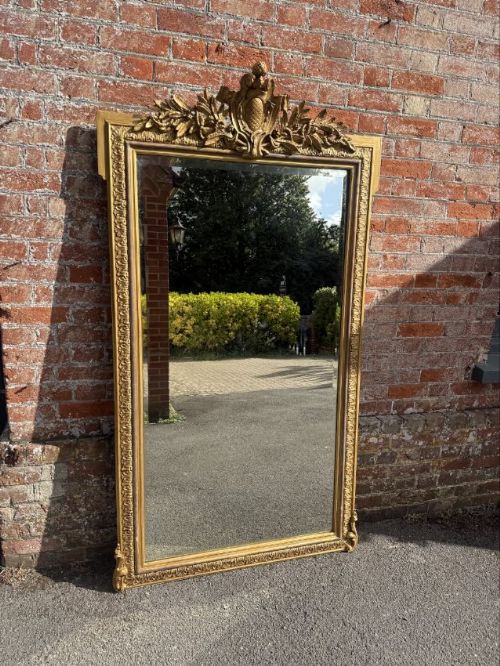
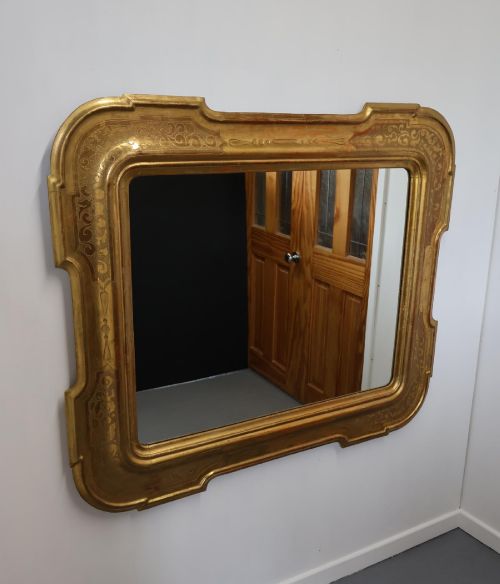
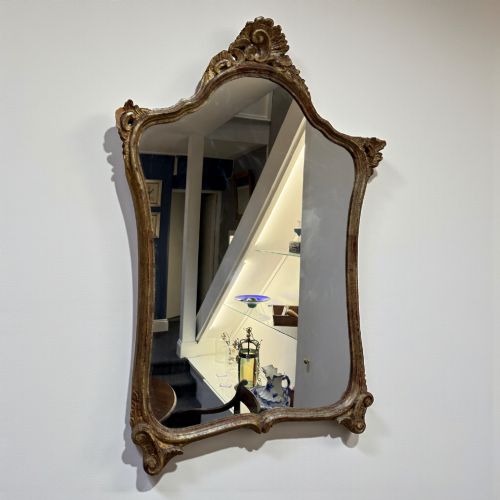
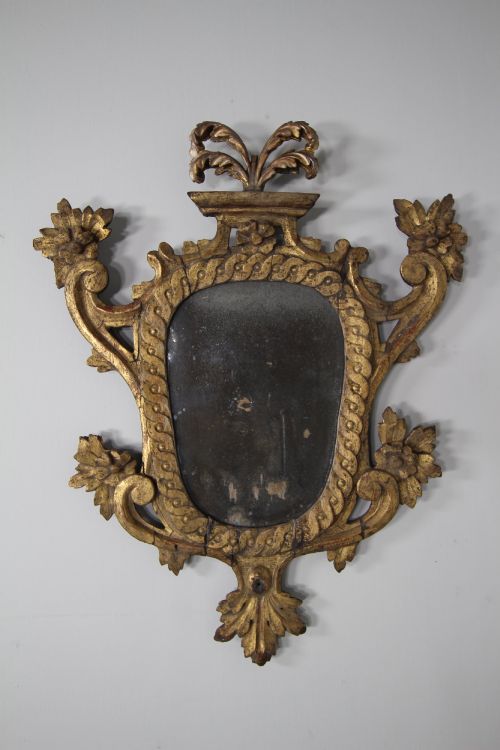
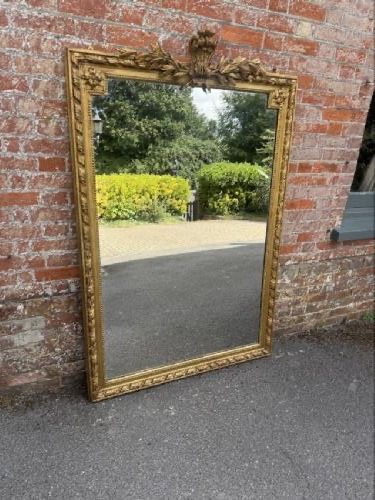
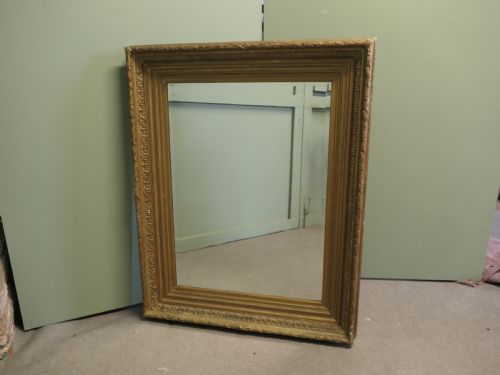
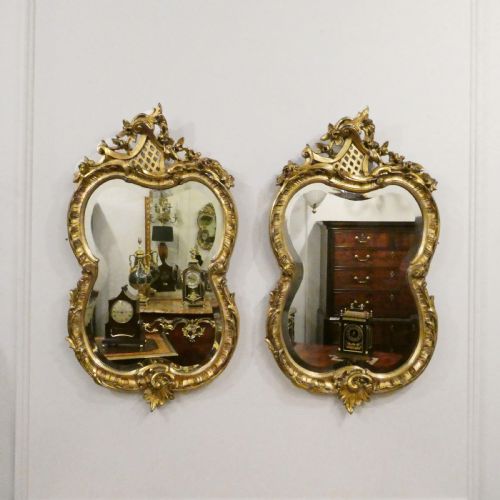
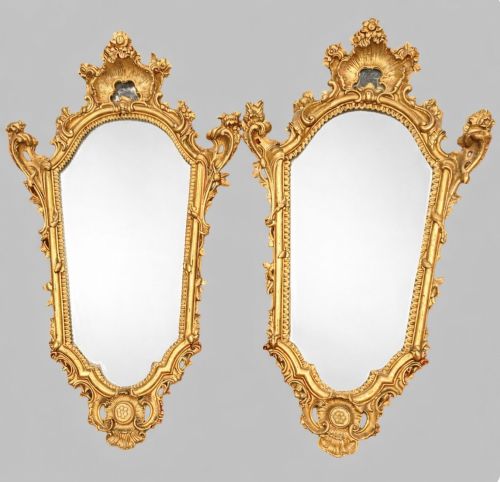
A french decorative accent mirror serves as a functional wall piece and a distinct focal point within a room. These objects appear in nineteenth-century and early twentieth-century variations, spanning forms such as cartouche, oval, rectangular, and sunburst designs.
The selection here includes wall mirrors, pier glasses, and console mirrors with shelves. Styles range from French Rococo Revival and Louis XVI style to Neoclassical and French Provincial.
Buyers will encounter giltwood, gesso, carved wood, and painted finishes across nineteenth-century periods. Pieces vary from large statement frames to smaller hand mirrors and pairs.
How they were made
Maker construction relies heavily on carved wood, gesso, and gold leaf applied to create gilded surfaces. Artisans shaped timber frames through traditional joinery before building up intricate ornamentation in relief.
Alternative finishes utilise paint, silvering, and faux bois effects on walnut or softwoods. Glass panels are set within these frames, sometimes accompanied by painted silk details or carved motifs such as shells, ribbons, and bows.
One unusual piece pairs a mirror with painted silk for an unexpected interior touch.
What varies in quality
Quality depends upon the depth and precision of the hand-carved relief work on the wooden frames. Crisp detailing in the gesso and the finesse of the gilding separate standard production from finer artisan pieces.
The integrity of the mirror glass and the preservation of the original painted or gilt surfaces influence the overall character. Proportion and balance within revival styles dictate the visual harmony of each piece.
The French Decorative Accent Mirror Glossary
- Giltwood
- Wood covered with a thin layer of gold leaf or gold paint. This technique provides the bright metallic finish seen on many nineteenth-century frames.
- Gesso
- A plaster mix applied to wood frames to create a smooth surface for carving and gilding. It allows for intricate decorative relief work.
- Trumeau mirror
- A tall wall mirror incorporating a painted panel or artwork above the glass. These were often designed to fit between windows.
- Cartouche form
- An ornamental frame shape resembling a scrolled paper tablet or shield. It is frequently found on French Rococo Revival examples.
- Faux bois
- A decorative paint technique mimicking wood grain. It appears on alternative nineteenth-century rustic frames.
French Decorative Accent Mirror: Frequently Asked Questions
How do I hang a heavy giltwood mirror?
Giltwood mirrors require secure wall fixings distributed across the frame weight. Professional installation into masonry or wall studs ensures stability.
Position the mirror at eye level to maximise reflected light and balance the surrounding furniture scale.
What is a trumeau mirror?
A trumeau mirror combines a glass plate with an upper decorative panel containing paint or carving. These tall pieces originated for placement between room windows.
They function well above mantelpieces or console tables in principal reception rooms.
How do I clean antique mirror glass?
Clean mirror glass gently using a soft cloth and mild soap solution. Avoid harsh chemical sprays that might damage adjacent wooden or gilded frames.
Take care near the edges where original silvering can be fragile.
Are these mirrors French in origin?
The selection includes pieces styled in French Rococo, Louis XVI, and provincial manners from the nineteenth century. Makers drew upon traditional continental design vocabularies.
Regional European workshops frequently produced these stylistic interpretations.