




French Crystal Vase
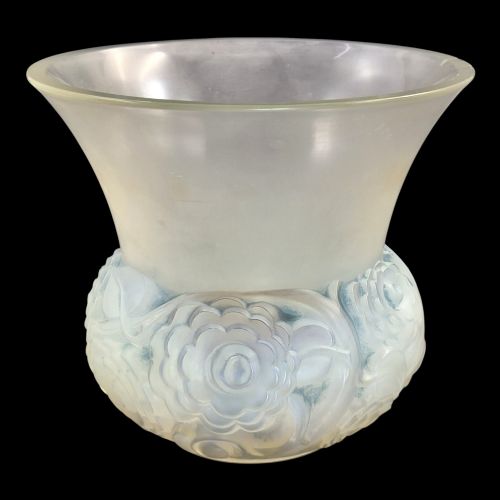
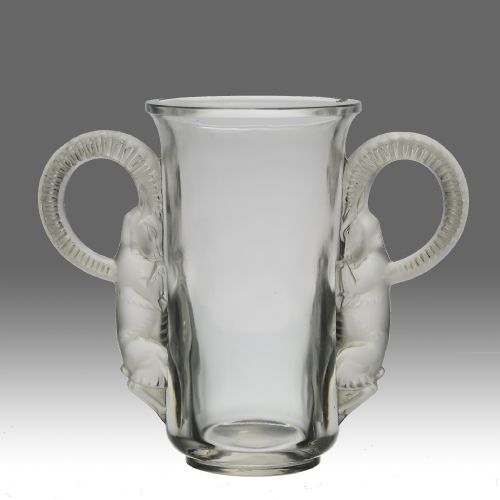
These french crystal vase examples bring heavy clear, frosted and opalescent glass from the nineteenth and twentieth centuries directly to your table.
French Crystal Vase
When you search for a french crystal vase, you encounter items stretching from the 1830s through the Edwardian era and into the Art Deco period of the 1920s and 1930s. The selection spans straightforward clear vessels to complex opalescent forms and monumental centrepieces.
You meet pieces originating from celebrated French glassworks alongside carved wood and gilt metal mounts characteristic of Black Forest and nineteenth-century design. Forms range from simple campana shapes to heavy bubble glass cylinders and three-handled bowls.
How they were made
Makers shaped heavy crystal and glass through deep etching, cutting and moulding, often combining clear material with frosted or opalescent finishes. Many works incorporate contrasting elements such as ormolu mounts, bronze, carved wood and paste gilt decoration.
Specialised workshops applied surface treatments including blue staining, gold enamel and crystalline glazes directly onto the glass body. Heavy pieces required substantial raw material, yielding significant weight in standard vessels and centrepieces alike.
Materials recorded across the archive and current stock range from clear, frosted and opalescent crystal to carved wood and gold leaf.
What varies in quality
Depth of execution separates standard production from superior examples, particularly visible in the crispness of deeply etched motifs and moulded floral details. The quality of supplementary mounts, from gilt bronze to ormolu, dictates the overall refinement of the piece.
Clarity and weight of the crystal body define the standard of the glasshouse, alongside the precision of hand-applied enamel or gilding. Signatures from established makers provide clear evidence of primary workshop output.
René Lalique·Daum·Jean Luce·St Louis glassworks·Baccarat Crystal·Pierrefonds
The French Crystal Vase Glossary
- Opalescent glass
- Glass containing agents that create a milky appearance with milky-blue or amber highlights when lit. It diffuses light softly across moulded surfaces.
- Campana vase
- A classical urn shape resembling an inverted bell with an everted rim and a pedestal foot. This form appeared frequently in nineteenth-century French manufacture.
- Ormolu
- Gilt bronze mounted onto decorative objects, providing metallic support or ornamentation. It frames the glass body in nineteenth-century works.
- Epergne
- A large table centrepiece featuring a central vessel with multiple hanging or branching smaller vases. They were utilised for fruit or floral display.
- Table lustre
- A decorative ornamental vase hung with cut glass prisms designed to catch and reflect candlelight. These items date primarily to the nineteenth and early twentieth centuries.
French Crystal Vase: Frequently Asked Questions
How do I identify Art Deco periods?
Art Deco pieces from the 1920s and 1930s display geometric styling, bold moulded plant motifs and modernist etching techniques. Names like René Lalique and Jean Luce dominate this era.
Heavier glass weights and distinct signature styles separate these twentieth-century items from earlier Victorian and Belle Epoque designs.
What is opalescent glass?
Opalescent glass contains chemical additives that produce a milky, semi-translucent body catching blue or amber tones under light. This technique gained prominence in twentieth-century French production.
Makers utilised this finish to highlight moulded relief patterns such as flowers and leaves.
How were centrepieces used?
Table centrepieces and epergnes served as decorative focal points for dining tables, often holding fruit or arrangements of fresh flowers. Multiple arms and hanging baskets allowed complex table displays.
They frequently combined heavy crystal glass vessels with ormolu mounts or carved wooden stands.
Are signatures important?
Signatures etched or moulded into the crystal indicate production by specific houses or independent artists. Marks from workshops confirm the origin of the piece.
Unsigned items still reflect the prevailing styles of French glasshouses from the nineteenth and twentieth centuries.