
French Crystal Drop Light
A french crystal drop light brings warmth and brilliant refraction to a room through gathered prisms and metal frames.
French Crystal Drop Light
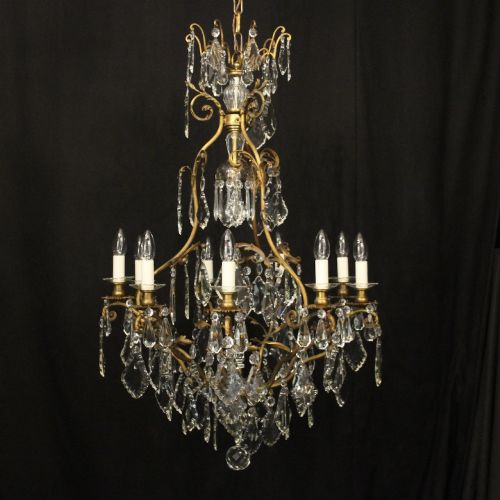
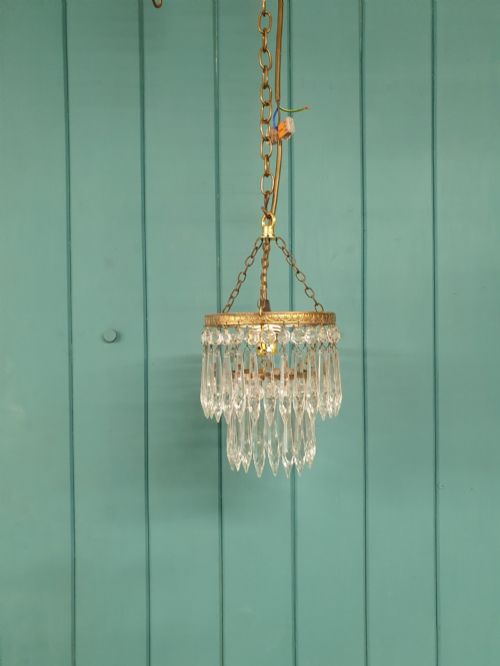
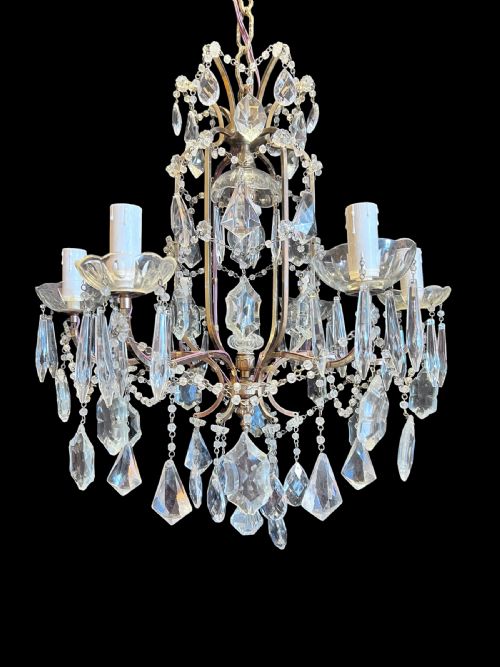
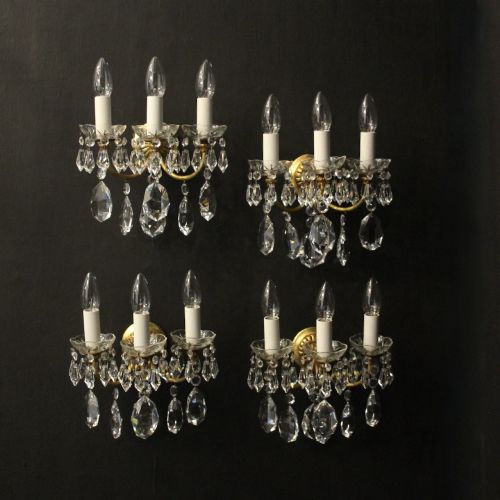
A french crystal drop light encompasses chandeliers, ceiling lights, wall lights, and wall sconces designed to illuminate interior spaces. You will most frequently encounter multi-light chandeliers and sconces originating from the nineteenth century through the early twentieth century, including the Edwardian era and the nineteen-twenties and nineteen-thirties.
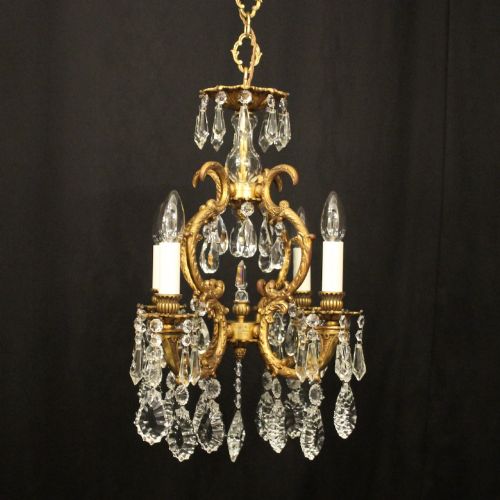
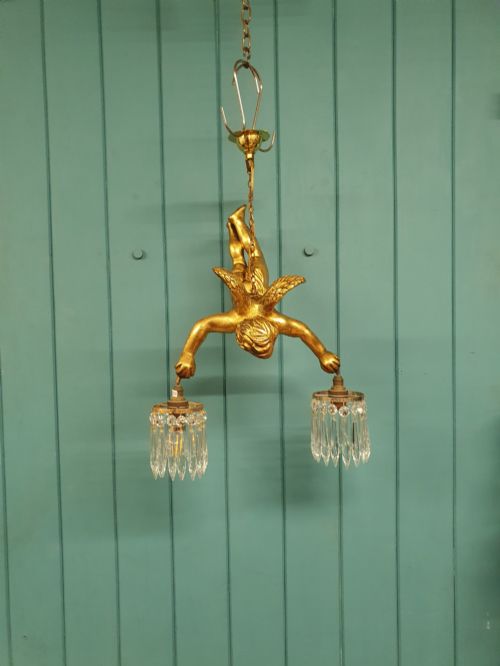
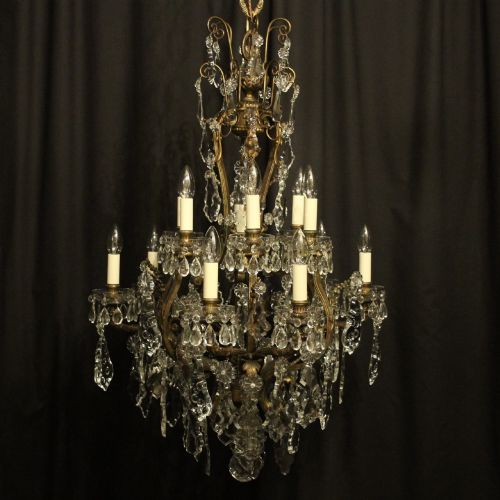
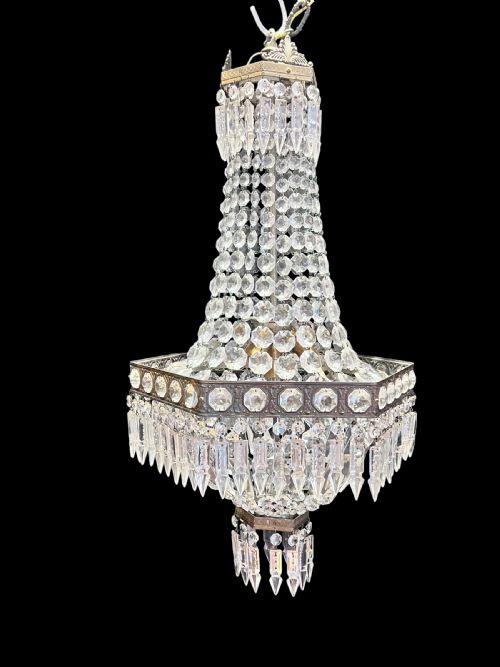
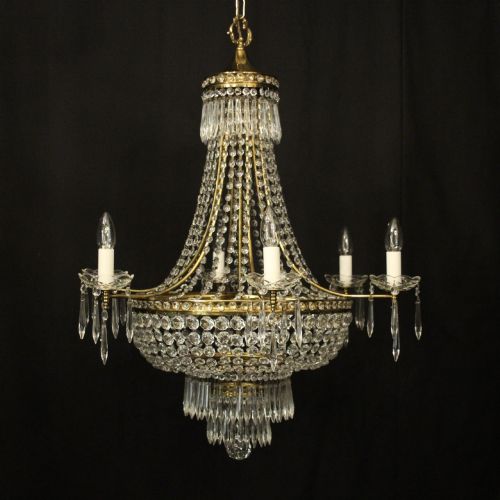
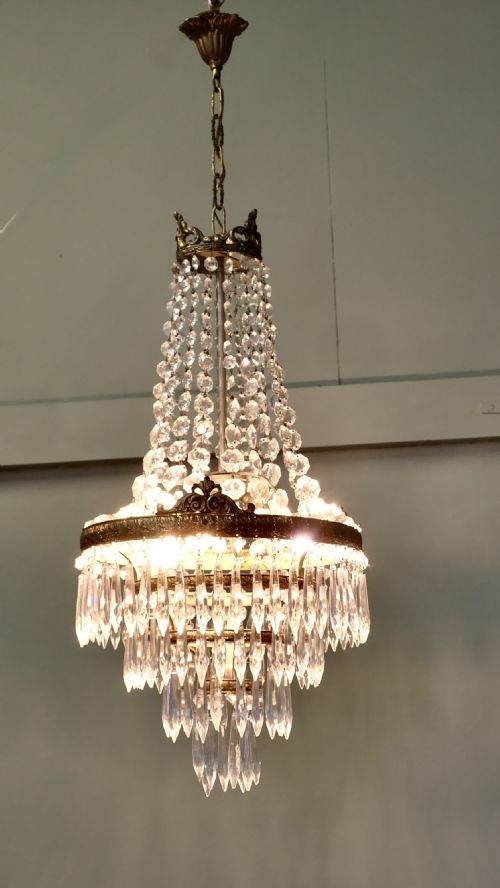
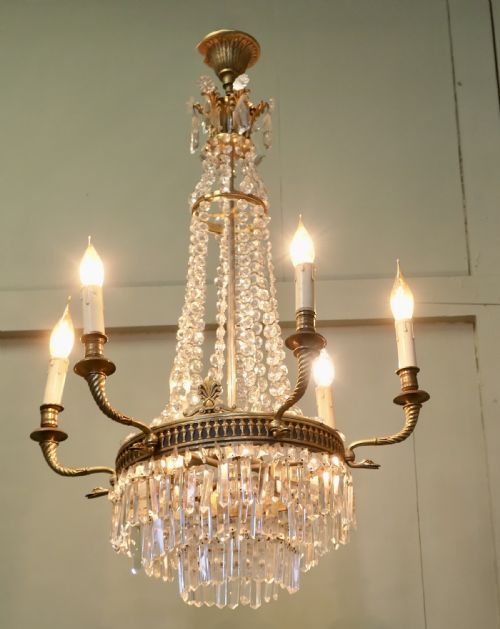
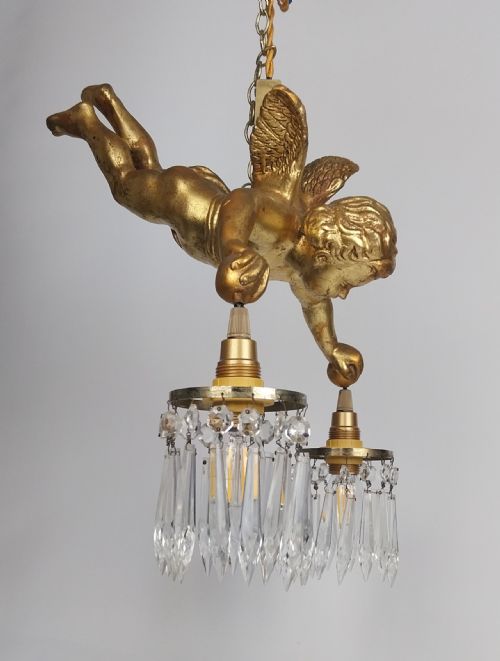
The aesthetic vocabulary draws heavily from classic French design movements such as Empire, Rococo, and Regency styles, alongside chateau influences and basket or cage formations. Pieces often incorporate tent and waterfall configurations, droplet lustres, and decorative elements like winged cherubs or leaf motifs.
Materials and construction
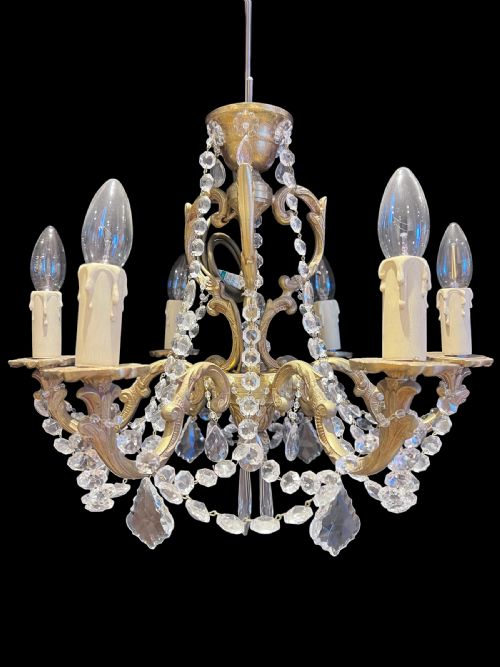
The structural framework relies on cast metals including brass, bronze, spelter, and wrought iron, frequently finished with a gilded or silvered surface. These frames support cascading arrangements of glass, cut glass, and crystal components secured by wire or pins.
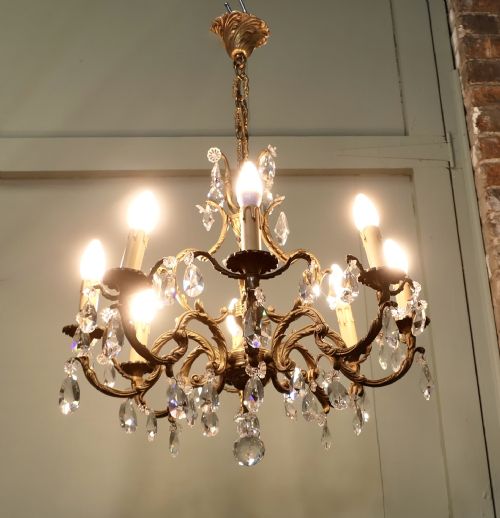
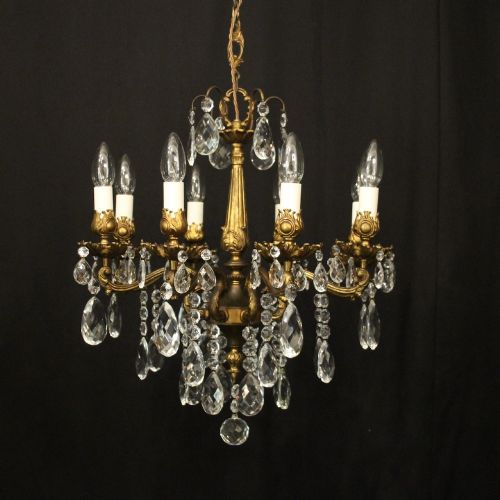
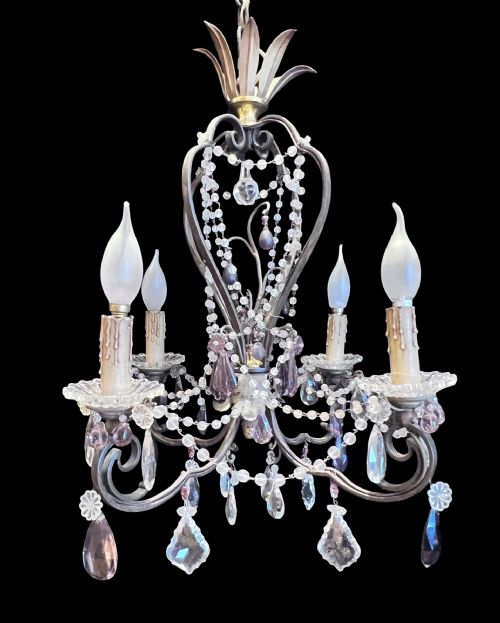
Illumination is provided by multiple candle-style arms or internal light points designed to interact with the hanging prisms, spikes, and coffin drops. Coloured crystals, amethyst glass, turquoise accents, and toleware components occasionally supplement the clear crystal drops.
Listings feature brass, bronze, and gilt metal frames paired with cut glass and crystal across periods from the nineteenth century to the nineteen-thirties.
Craftsmanship and distinction
The calibre of a french crystal drop light is defined by the density and hand-cutting precision of the glass drops, which determine the brilliance of light refraction. Heavier cast metal frames with chased or gilded details demonstrate superior foundry work compared to simpler pressed metal alternatives.
Proportion and structural complexity also set pieces apart, from simple basket designs to elaborate multi-tiered tent and waterfall constructions with integrated figural elements. The integrity of the original hanging prisms and matching metal components preserves the overall coherence of the design.
The French Crystal Drop Light Glossary
- Lustre
- A hanging glass or crystal pendant cut to reflect light. These drops dangle from the arms and crown of a light fitting.
- Tent and waterfall
- A configuration where upper strings of beads form a tent shape above a wider, cascading tier of crystal drops. This style creates a dense, layered silhouette.
- Gilt bronze
- Metal cast in bronze and treated with a gold-coloured finish or gold leaf application. It provides a durable and ornate structural base for fixtures.
- Spelter
- An alloy of zinc and other metals used as a cost-effective substitute for bronze in decorative castings. It often supports glass drops and figural motifs on period pieces.
- Cage chandelier
- A style featuring a metal framework enclosed or surrounded by glass beads and drops rather than traditional branching arms. The frame resembles an open metal cage.
French Crystal Drop Light: Frequently Asked Questions
How do I clean a crystal drop light?
Carefully wipe each glass drop and metal frame using a soft cloth dampened with a mild water and vinegar solution. Avoid harsh chemical cleaners that can damage gilded surfaces or aged metal patinas.
Support each prism from underneath while cleaning to prevent strain on the connecting wires or pins. Allow components to dry completely before restoring power to the fixture.
Can these antique lights use modern bulbs?
Most period fixtures can accommodate modern candelabra-base bulbs provided the wiring has been inspected and updated by a qualified electrician. It is essential to ensure the electrical components meet current safety standards before installation.
Choosing low-heat LED bulbs helps protect fragile crystal elements and internal wiring from thermal stress over extended periods of use.
What rooms suit a basket chandelier?
Basket chandeliers work well in spaces with moderate ceiling heights where a compact yet decorative profile is required. Their enclosed shape distributes light evenly across dining tables or entrance hallways.
The scale of the fixture should be balanced against the dimensions of the room to maintain proper visual proportions.
How do I identify an Empire style chandelier?
Empire style fixtures typically feature symmetrical proportions, classical architectural motifs, and tent-and-waterfall crystal arrangements. They often incorporate brass or gilded bronze frames with laurel wreaths, urns, or classical figures.
Dating these pieces involves examining the casting techniques, the cut of the glass prisms, and the assembly methods used on the metal frame.