



French Country Vessel
A french country vessel brings domestic utility from past centuries into a modern interior through honest materials and utilitarian form.
French Country Vessel
A french country vessel encompasses utilitarian kitchenware, storage jars and dairy bowls originating from provincial households and farmsteads. These utilitarian objects span the eighteenth and nineteenth centuries, reflecting domestic life through practical forms.
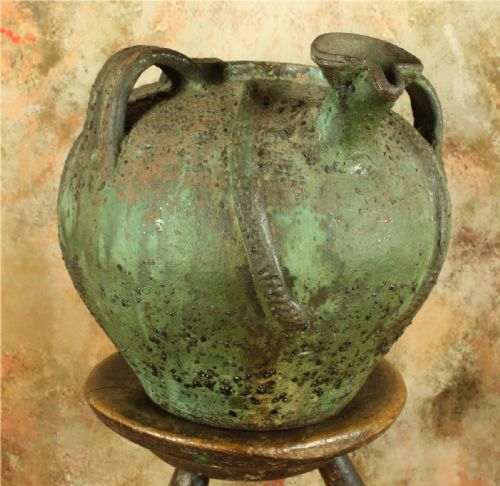
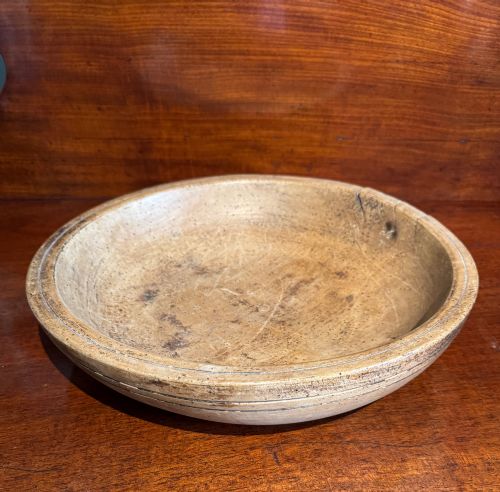
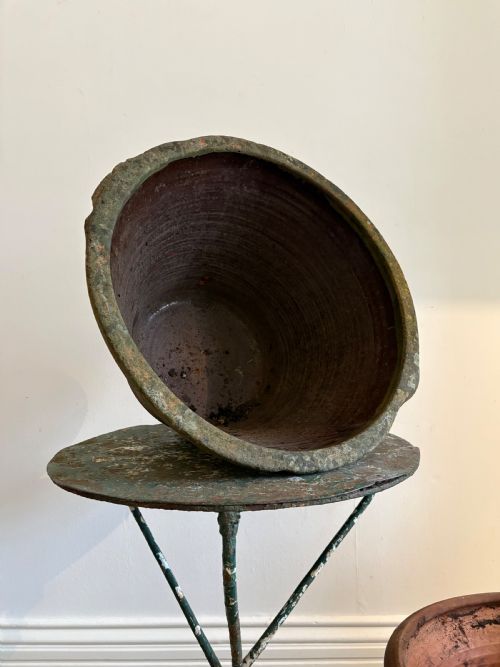
The selections available here range from large terracotta confit jars and glazed earthenware bowls to copper preserving pans and wooden grain measures. Terracotta and earthenware pieces dominate the offerings, often featuring local glazes applied for practical liquid storage.
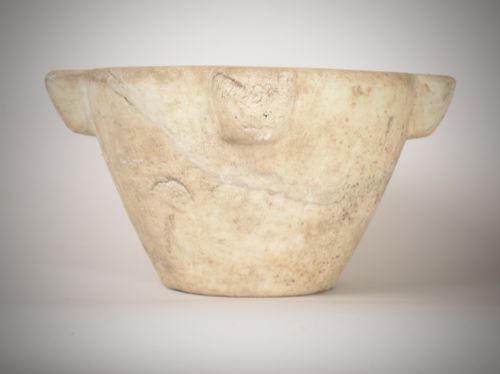
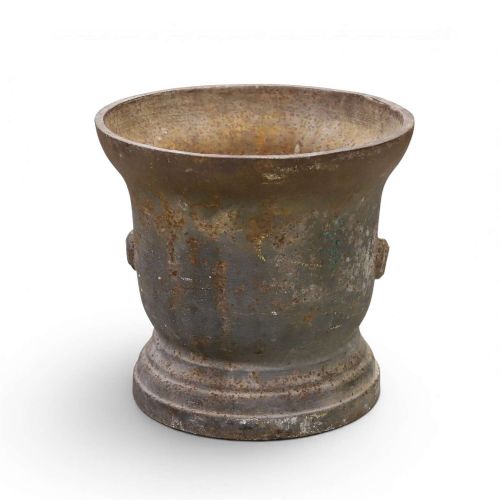
Buyers encounter distinct regional categories such as olive jugs, oil pots, and cast iron mortars alongside glass pickling jars and demi-johns. Each piece retains the marks of rural workshops rather than urban manufacture.
Distinctions in standard
Quality rests upon the degree of wear sustained through authentic domestic use and the survival of original surface treatments. Pieces retaining their primary glaze without extensive cracking or replacement parts command greater interest from collectors.
The weight of the metal and the thickness of the earthenware indicate the original intended utility of the object. Heavier cast iron mortars and substantial terracotta walls denote robust functional standards rather than decorative intent.
Materials represented across the selection include earthenware, terracotta, copper, iron, brass, glass, and ceramic.
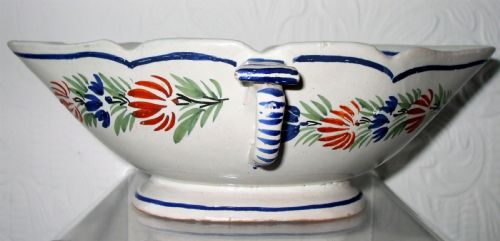
HB Quimper
The French Country Vessel Glossary
- Confit pot
- A ceramic jar with handles used historically in rural France for storing preserved duck or pork in fat. These vessels typically show a partially glazed earthenware body.
- Ferrat
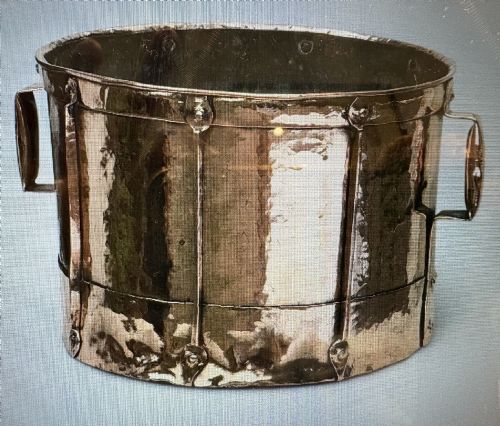
- A traditional copper or metal measure used for dry goods or liquids in French markets. They often display riveted joints and patinated surfaces.
- Demi-john
- A large bulbous glass bottle, sometimes encased in an iron or wicker basket for transport and storage of wine or vinegar. They appear frequently in nineteenth-century contexts.
- Faience
- Tinned-glazed earthenware produced across France, known for painted decoration on a white opaque background. Sauceboats and inkwells often employ this technique.
- Daubiere
- A specialised heavy metal cooking pot designed for braising meats slowly over charcoal or hearth embers. These vessels are typically fashioned from brass or copper.
French Country Vessel: Frequently Asked Questions
How were confit pots used?
Rural households utilised confit pots to store cooked meats submerged in fat for preservation during winter months.
The unglazed lower sections allowed the jars to sit coolly in cellars or pantry floors.
What are grain measures made from?
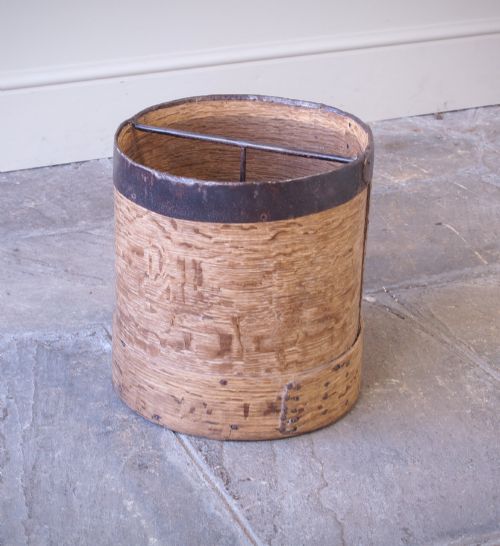
Grain measures utilise wood, copper, or iron depending on the specific region and the era of manufacture.
Wood examples often employ sycamore staved together with bands, while metal versions use hammered copper.
How do I clean old copper?
Preserving pans and cooking pots retain a dark patination that reflects their age and kitchen history.
Many collectors prefer to leave this surface undisturbed rather than polishing the metal to a bright finish.
Are glass demi-johns antique?
The glass carboys and demi-johns listed span the late nineteenth and early twentieth centuries.
They were blown for commercial liquid transport and often retain their original iron or wicker protective baskets.