




French Country Settee Bench
A French country settee bench brings regional character and refined seating to a room, drawing on centuries of European design traditions.
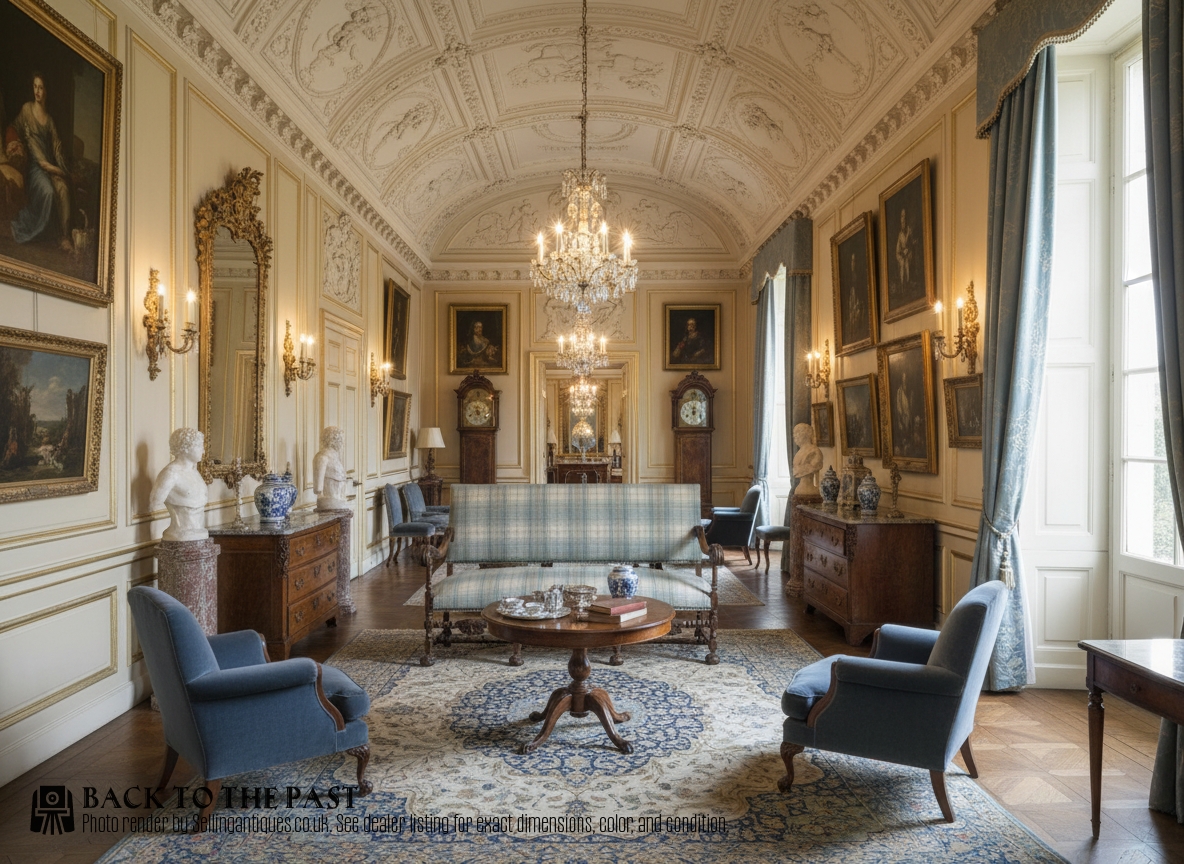
French Country Settee Bench
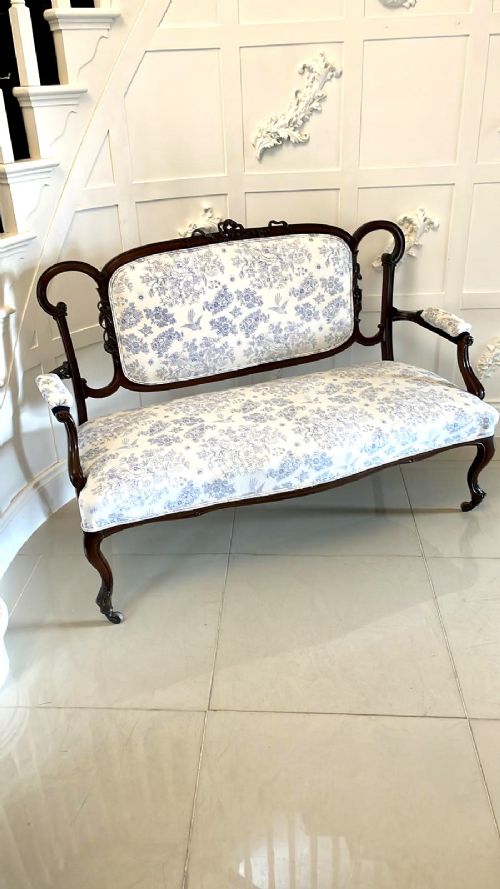
When you search for a french country settee bench, you encounter a range of seating forms rooted in historical French domestic life. These pieces span the nineteenth century up to the early decades of the twentieth, encompassing styles from relaxed provincial designs to formal court revivals.
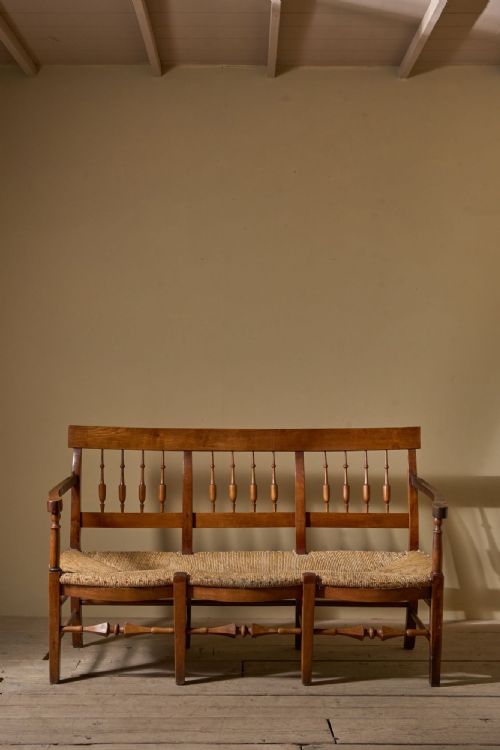
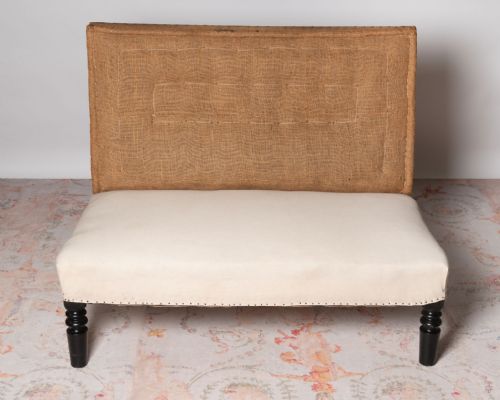
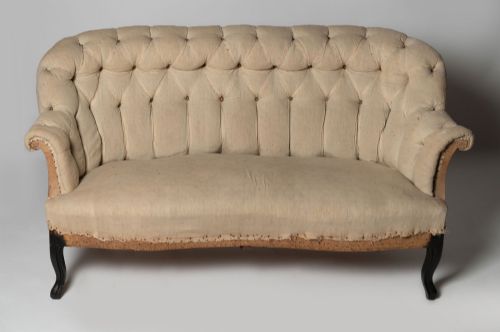
The selection here includes everything from caned daybeds and banquette sofas to rush-seated hall benches and carved walnut settees. You are most likely to meet painted wood frames, cane panelling, and upholstered pieces bearing Louis XV or Louis XVI influence.
Makers and workshops across these periods utilised local timbers like beech, walnut, oak, and fruitwood to construct seats for salons, halls, and chambers. Each piece reflects the specific regional aesthetic or revival fashion of its origin.
Materials and Construction
Frames rely on traditional joinery using timbers such as walnut, beech, oak, and fruitwood, often shaped through carving or bobbin turning. Giltwood and painted finishes appear frequently, adding surface decoration to the structural wood.
Seating surfaces incorporate woven cane, rush, or textile upholstery including linen, leather, velvet, and patterned fabrics. Skilled artisans combined these natural materials to create durable, decorative furniture suited to daily domestic use.
French Country Settee Bench Retail Price Guide 2026
Typical asking prices for french country settee bench among the pieces listed under this phrase on Sellingantiques today, from the lower quarter to the upper quarter. They describe what is for sale here now, not the wider market.
The listings feature pieces spanning the 1800s through 1930, utilising beech, walnut, oak, fruitwood, and giltwood.
Distinguishing Quality
The refinement of the wood carving and the integrity of the frame construction set the baseline for quality across these pieces. Hand-carved details, balanced proportions, and the preservation of original painted or gilded surfaces elevate certain examples above standard workshop output.
The condition and execution of the secondary materials, whether tightly woven cane, traditional rush work, or period textile upholstery, further differentiate the pieces. Original materials retain historical value, while structural soundness ensures the longevity of the seating.
The French Country Settee Bench Glossary
- Canapé
- A traditional French sofa or settee featuring an upholstered back and seat. These pieces often display stylistic traits from the Louis periods.
- Bergere
- An enclosed upholstered armchair or settee with wooden frames and padded armrests. They frequently incorporate cane work into the sides or back.
- Banquette
- An upholstered bench or long seat without a back, or with a low partial back. They serve well in hallways and intimate seating arrangements.
- Giltwood
- Timber treated with a thin layer of gold leaf or gilt paint. This finish creates a luminous decorative surface on formal salon pieces.
- Rush
- Pliable marsh plant material woven to create resilient seat bases. It appears commonly on provincial and country seating.
French Country Settee Bench: Frequently Asked Questions
How do I date a French settee?
Dating relies on examining the timber species, joinery techniques, and stylistic markers such as cabriole legs or straight tapered supports. Comparing these elements with documented revival periods helps establish an approximate time of manufacture.
Changes in upholstery methods and hardware also offer clues to the age of the piece. Consulting the specific period attribution in the listing guides further research.
Where should I place a banquette sofa?
A banquette sofa suits narrow entryways, hallways, or the foot of a bed due to its relatively shallow depth. They also function well in living areas where conversational seating is desired without blocking views.
Consider the scale of the room and the height of the backrest when positioning the piece. Open-frame designs with cane work allow light to pass through, keeping smaller spaces feeling airy.
Are cane seats durable for daily use?
Woven cane provides a strong, flexible surface that supports regular sitting when properly maintained. Avoiding excessive weight concentrated in a single spot prevents damage to the individual strands.
Keeping cane pieces away from direct heat sources stops the material from drying out and becoming brittle. Conditioning the cane occasionally helps preserve its natural flexibility.