

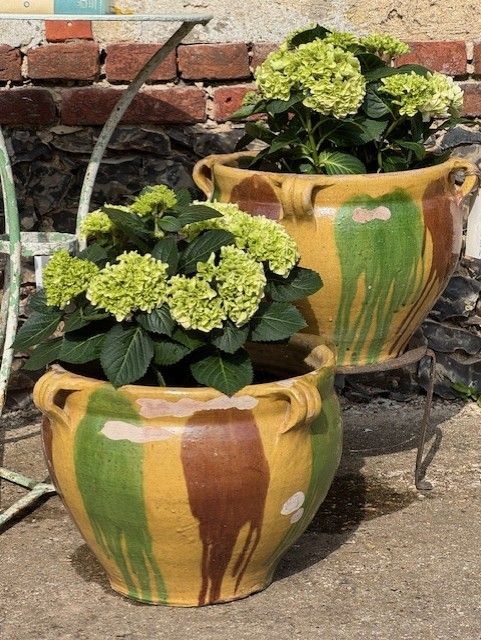


French Country Earthenware Pot
A French country earthenware pot brings tactile warmth and historic utility to a room through centuries of provincial craft.
French Country Earthenware Pot
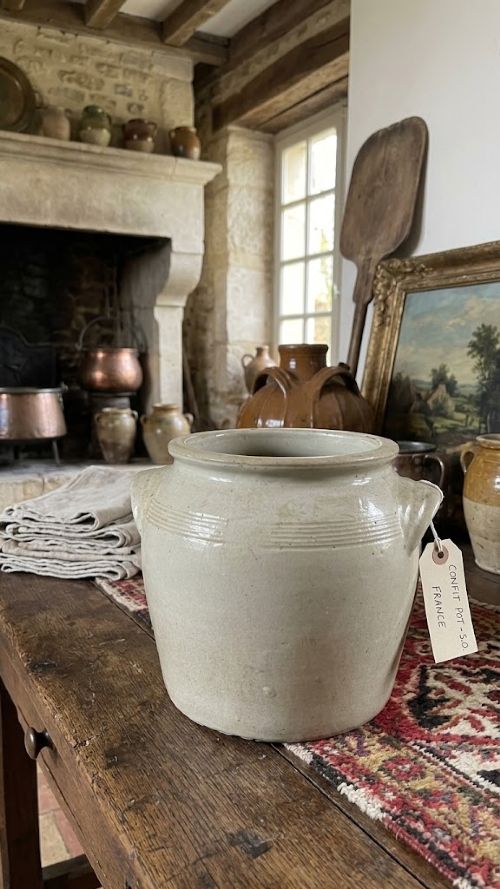
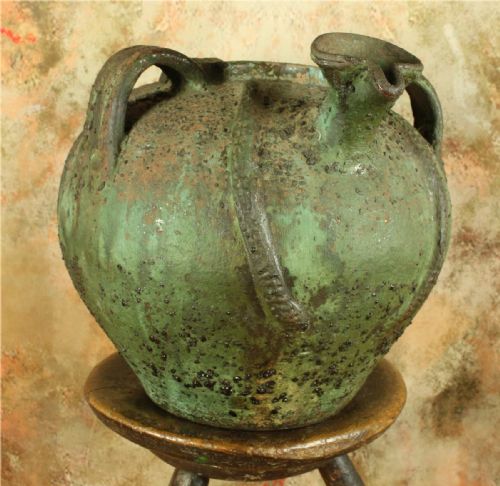
When buyers search for a french country earthenware pot, they are looking at utilitarian vessels originating from rural French departments and historic pottery centres. The selections span from eighteenth-century olive jugs and walnut oil vessels to nineteenth-century confit pots and twentieth-century garden planters.
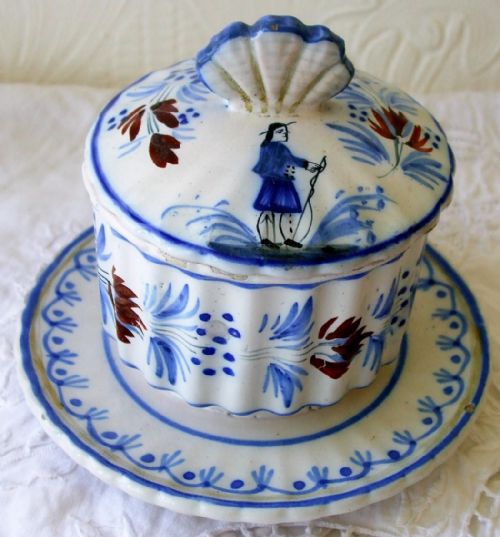
The versions most commonly met on this page include confit pots from the nineteenth century alongside glazed terracotta garden planters and faience honey pots. These objects reflect the rustic farmhouse and provincial traditions of regions such as Castelnaudary and Nevers.
Methods of manufacture
Potters shaped these vessels by hand using local earthenware and terracotta, forming sturdy bodies designed for agricultural and domestic storage. The structural forms include multi-handled olive jars, handled confit pots, and wide-rimmed planters.
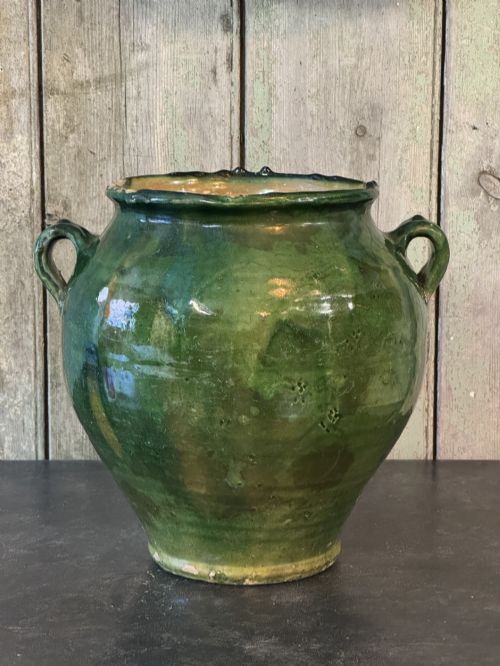
Surfaces were finished with glazes ranging from tin glaze to rich green or grey coatings, often displaying dribble glazed effects. Firing in traditional kilns created the characteristic earthy patinas and natural variations seen across the pottery.
French Country Earthenware Pot Retail Price Guide 2026
Typical asking prices for french country earthenware pot among the pieces listed under this phrase on Sellingantiques today, from the lower quarter to the upper quarter. They describe what is for sale here now, not the wider market.
The selection includes regional French styles from Nevers, Quimper, and Castelnaudary.
Judging quality in provincial pottery
Quality in a french country earthenware pot rests on the integrity of the form and the depth of the glaze rather than pristine perfection. Pieces with fully intact handles, rich colouration, and unblemished historical character stand apart from lesser examples.
The articulation of the glaze, such as the pooling seen on green or grey surfaces, dictates visual success. Hand-thrown proportions that retain their functional honesty without excessive restoration represent the higher tier of these provincial wares.
HR Quimper·Nevers Faience
The French Country Earthenware Pot Glossary
- Confit pot
- A traditional French earthenware jar once used for preserving meats and food storage. These vessels typically feature single or double handles and interior glazing.
- Faience
- Tin-glazed earthenware produced in France and Europe. This technique creates a smooth, opaque white or coloured surface often decorated with painted pigments.
- Terracotta
- Fired unglazed or glazed clay of an brownish-red hue. It forms the porous structural body for many garden planters and agricultural jars.
- Olive jar
- A large storage vessel designed for holding oil or olives in southern European agriculture. They often incorporate multiple handles for lifting and rope-hauling.
French Country Earthenware Pot: Frequently Asked Questions
What was a french country earthenware pot used for?
These vessels served practical functions in rural French households and agricultural estates, primarily for storing provisions like confit meats, olive oil, and walnut oil.
Over time, forms like honey pots and garden planters also became common, bridging domestic storage with decorative display.
How can I tell the age of these pots?
Dating relies on stylistic markers, manufacturing techniques, and documentation associated with specific centuries, ranging from eighteenth-century walnut oil jugs to twentieth-century garden pieces.
Glaze types, such as tin-glaze or traditional earth-toned coatings, also provide clues to the era of production.
Are these pots waterproof for plants?
Many terracotta and earthenware pieces, including garden planters from Castelnaudary, were designed to hold soil and plants outdoors.
However, historic interior vessels may be porous, so protective liners should be used if placing them on delicate indoor surfaces.
How do I care for antique earthenware?
Maintenance requires gentle cleaning with a soft cloth and mild soap, avoiding harsh chemical cleaners that could harm historic glazes.
Protecting the pieces from frost during winter months ensures the porous clay body remains stable.