




Covered Ceramic Sugar Bowl
A covered ceramic sugar bowl is a small lidded vessel designed to hold sugar for the table, combining everyday utility with cabinet display.
Covered Ceramic Sugar Bowl
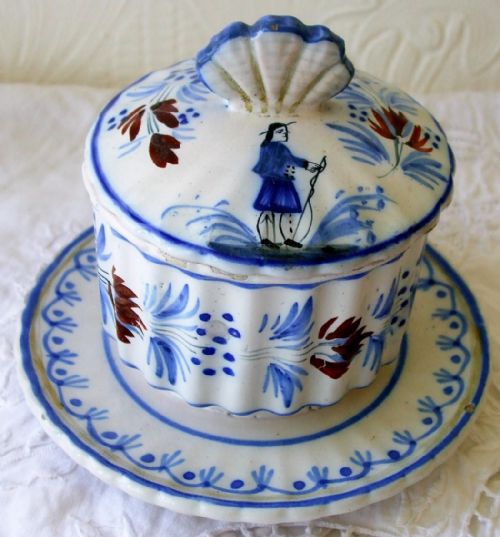
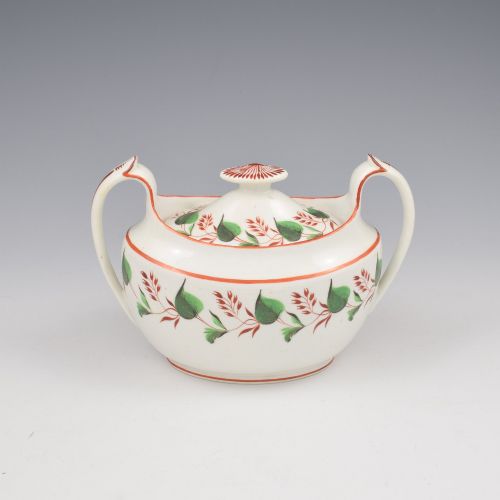
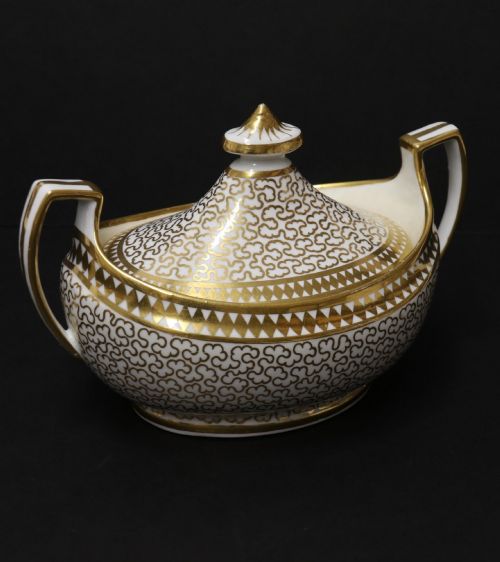
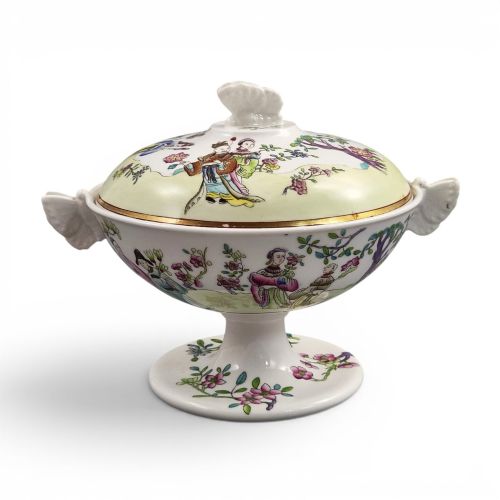
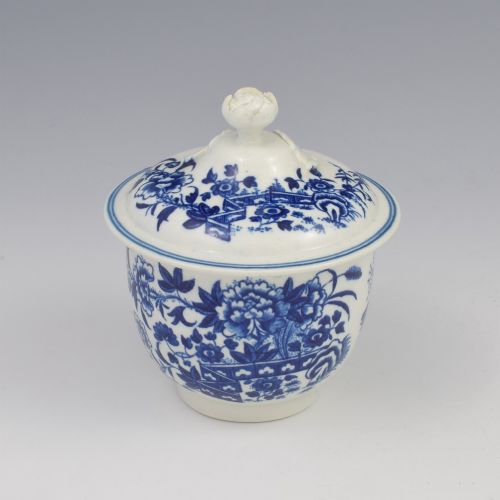
When you search for a covered ceramic sugar bowl, you encounter vessels produced across several centuries in earthenware, stoneware and porcelain. The forms range from traditional oval sucriers to lidded pedestals and honey pots designed for domestic service.
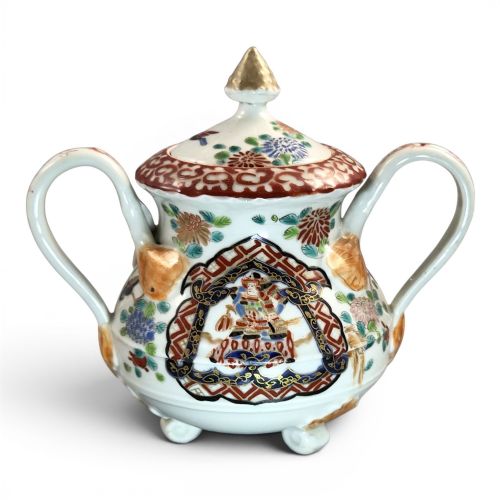
The pieces on this page span the eighteenth and nineteenth centuries, featuring factories from Britain, continental Europe and Japan. Forms vary from simple utilitarian basins to ornate vessels enriched with gilding and enamel painting.
Objects catalogued under this heading include specialised names such as sucrier, sugar box and honey pot. Each form reflects the changing dining habits and ceramic technologies of its period.
How they were made
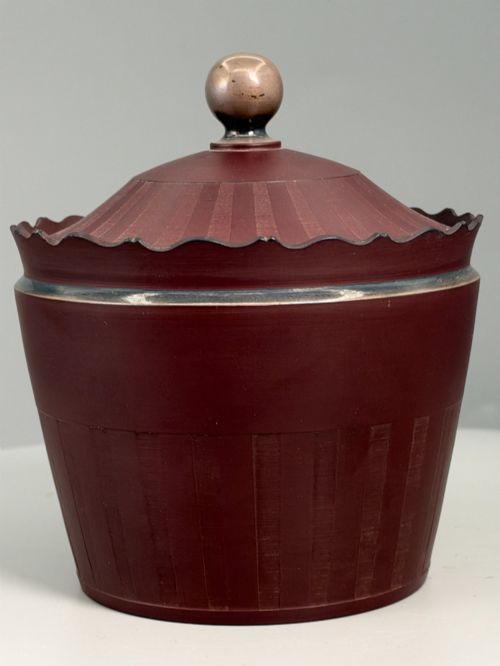
The manufacture of these sugar containers relies upon durable ceramic bodies including soft-paste and hard-paste porcelain, tin-glazed earthenware and red stoneware. Potters shaped these materials on the wheel or in moulds before applying glazes and initial underglaze pigments.
Decoration often involved hand-painted enamels and applied gold leaf, fixed through subsequent kiln firings. Specialised variants utilise transfer printing or moulded elements such as lion mask handles and butterfly grips.
Covered Ceramic Sugar Bowl Retail Price Guide 2026
Typical asking prices for covered ceramic sugar bowl among the pieces listed under this phrase on Sellingantiques today, from the lower quarter to the upper quarter. They describe what is for sale here now, not the wider market.
What varies in quality
Quality in these lidded vessels is determined by the crispness of the moulding and the refinement of the ceramic body. Early porcelain bodies show varying degrees of translucency, while earthenware pieces depend upon the smooth application of tin glaze.
The execution of the painted or gilded decoration separates standard production from superior work. Hand-painted motifs by established factories display greater precision and richer enamel palettes than routine factory output.
S. Hollins·Spode·Chamberlains Worcester·Royal Crown Derby·Richard Ginori·Meissen·Coalport
The Covered Ceramic Sugar Bowl Glossary
- Sucrier
- A French term for a sugar basin or bowl with a matching cover, commonly used in nineteenth-century dining settings. It forms part of a tea or coffee service.
- Felspar Porcelain
- A specific body introduced by factories such as Spode in the early nineteenth century, formulated to improve durability and whiteness. This material accepts enamel colours and gilding particularly well.
- Tin-Glazed Earthenware
- Pottery covered with an opaque white glaze containing tin oxide, providing a smooth surface for painted decoration. It is characteristic of faience and earlier European earthenwares.
- Red Stoneware
- A dense, unglazed ceramic body developed in the eighteenth century that imitates Chinese Yixing wares. It is fired at high temperatures to produce a hard, vitrified finish.
- Flight Period
- A phase in the history of Worcester porcelain spanning the late eighteenth century, marked by specific factory management and particular paste characteristics. Pieces from this era often carry distinctive crescent or script marks.
Covered Ceramic Sugar Bowl: Frequently Asked Questions
What is a sucrier?
A sucrier is simply the traditional term for a sugar bowl equipped with a lid, used originally to keep loose sugar dry and clean on the tea table.
These vessels were produced in various shapes, including oval, round and pedestal forms, matching the tea services of the Georgian and Victorian periods.
How do I date an old sugar bowl?
Dating relies upon examining the ceramic body, glaze characteristics, style of decoration and any factory marks stamped or painted on the base.
Comparing the form and paste against documented examples from makers helps narrow down the period of manufacture.
Were these bowls used every day?
Many of these covered bowls formed part of active dining or tea services, though finer porcelain examples were often reserved for formal hospitality.
Their survival with matching lids indicates they were valued and cared for within domestic households.
How should I clean a antique ceramic bowl?
Antique ceramics require gentle hand washing in warm water using mild soap, avoiding harsh scrubbing or dishwashers that might damage delicate gilding.
Old enamels and gold leaf can be fragile, so careful handling protects the surface decoration over time.