

French Commode Cabinet
When you want a french commode cabinet, you are looking at centuries of cabinet-making ranging from walnut chests to marble-topped marquetry.
French Commode Cabinet
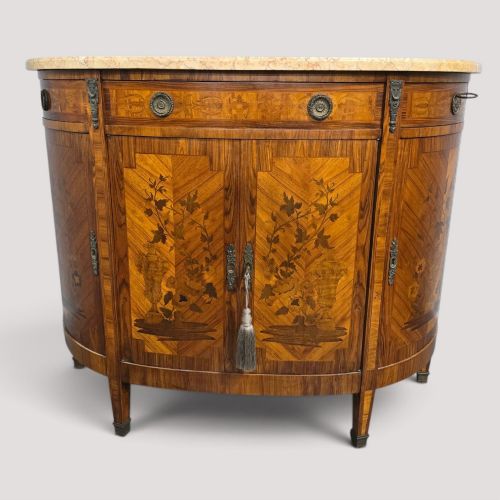
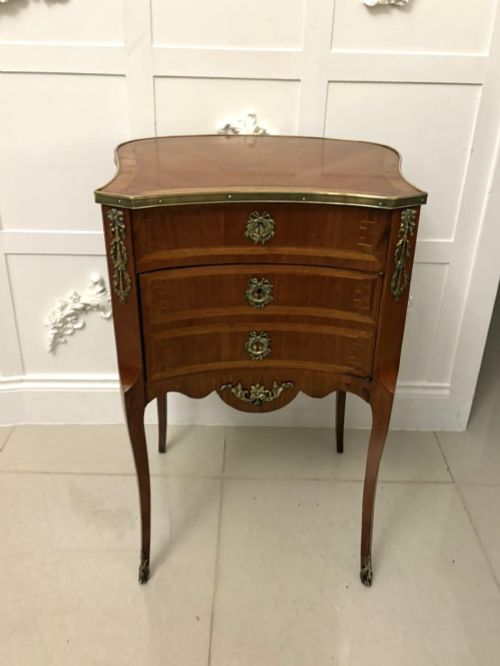
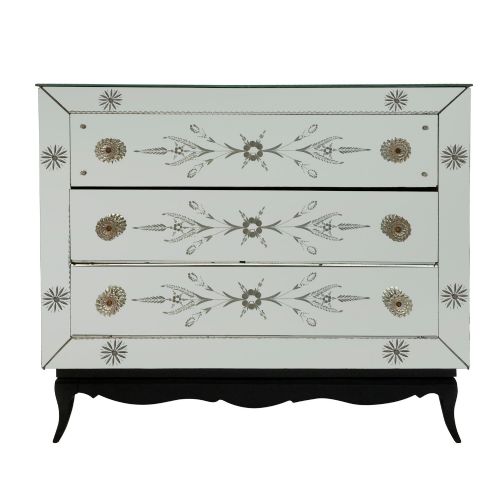
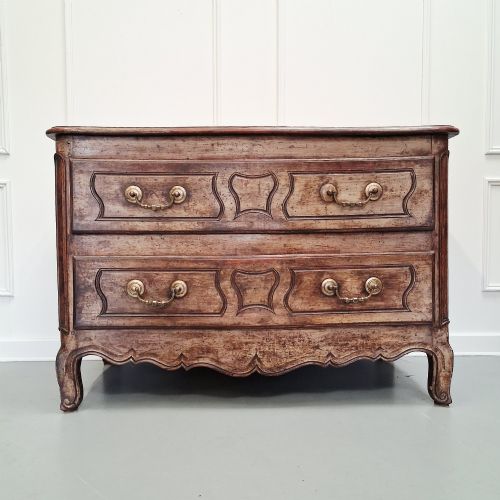
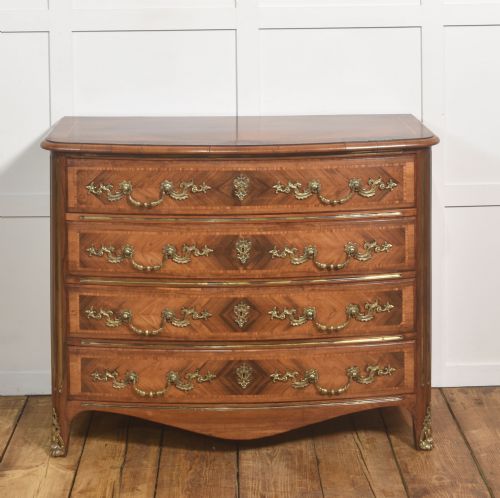
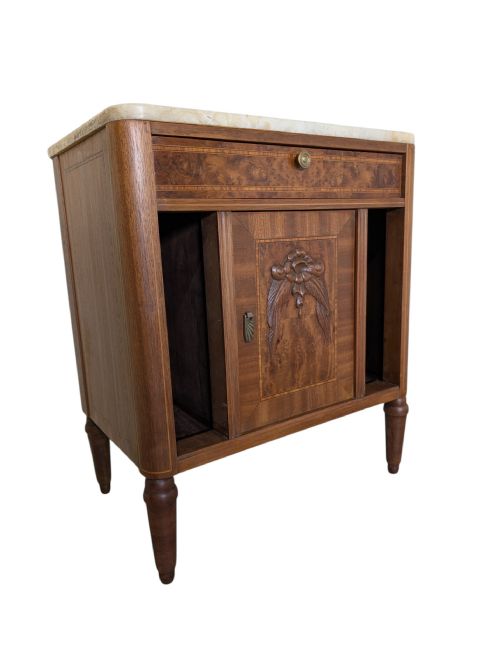
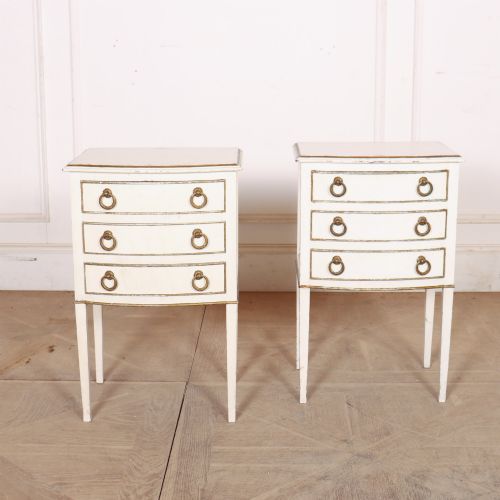
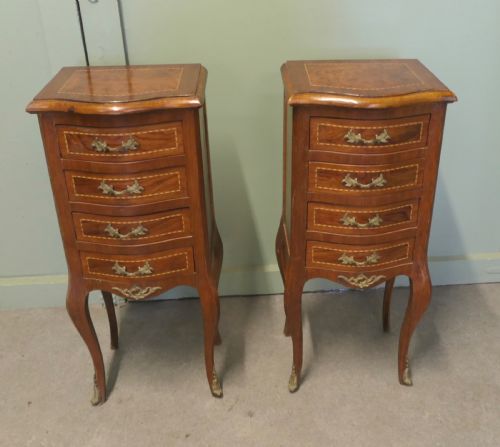
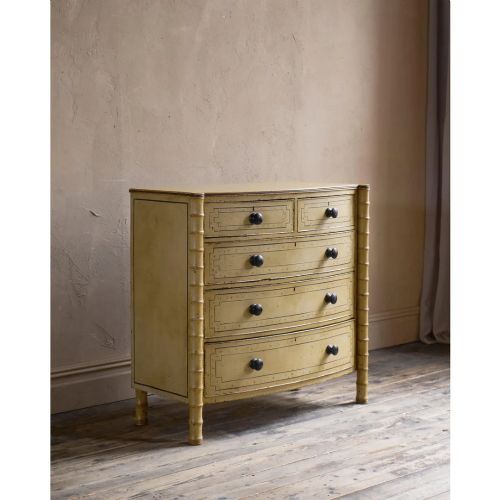
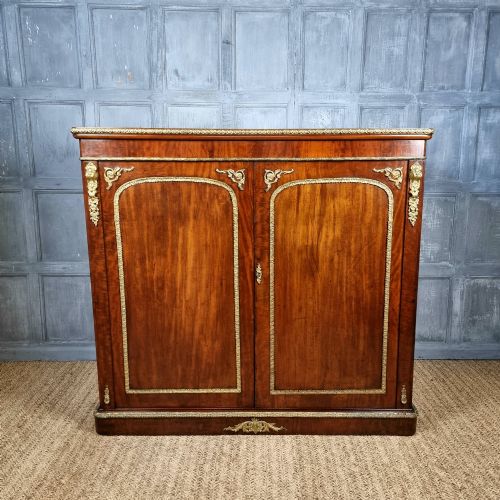
A french commode cabinet brings practical storage and formal decorative presence together in forms that range from serpentine chests of drawers to compact bedside lockers. The examples on this page span several centuries, including eighteenth-century pieces alongside later revivals from the nineteenth and twentieth centuries.
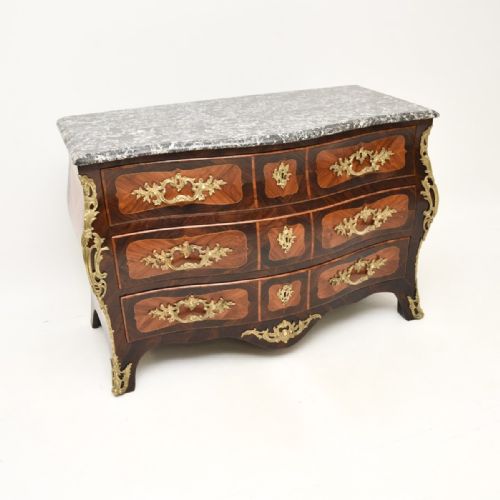
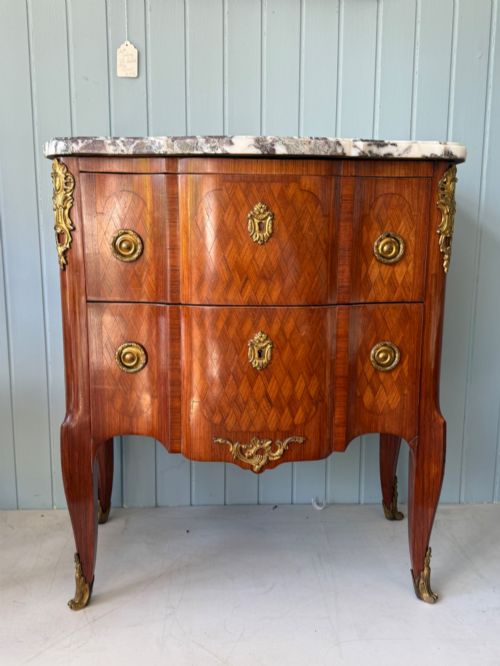
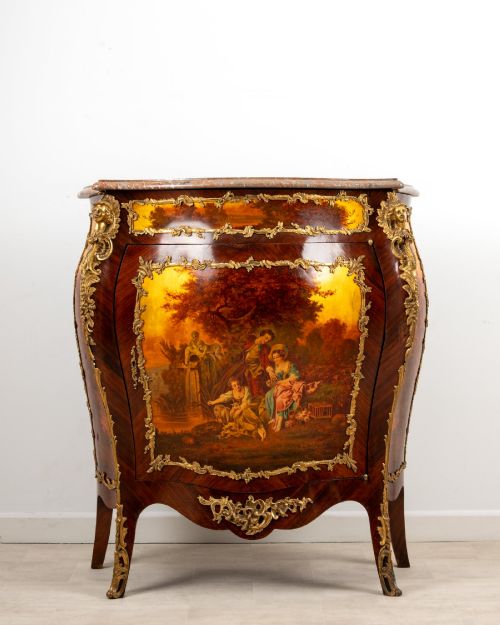
You will encounter pieces executed in the Louis XV and Louis XVI styles, incorporating French provincial character or elaborate marquetry and lacquer work. Forms vary from demi-lune cabinets and bombe chests to side cabinets and miniature apprentice pieces.
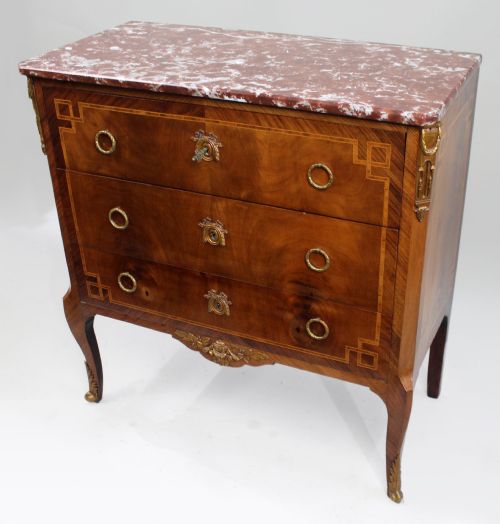
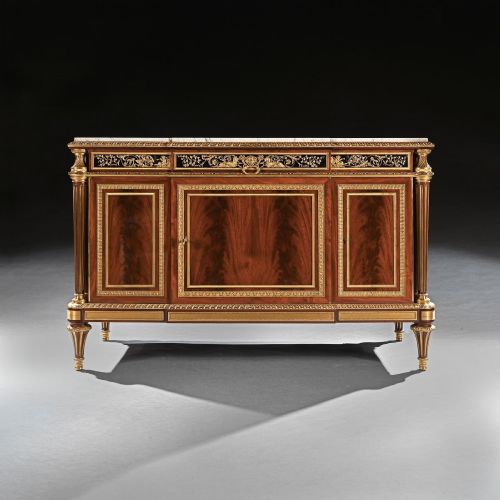
The materials utilised include walnut, mahogany, oak, and kingwood, frequently topped with marble slabs in grey, rouge, or other tones. These items function equally as statement chests in a hall or as functional storage in a bedroom.
How they were made
Joinery relies on sturdy timber carcasses of oak or walnut, often faced with decorative veneers of kingwood, mahogany, or fruitwoods laid out in intricate marquetry patterns. Carcasses support heavy stone surfaces, requiring robust internal framing.
Surface ornamentation employs gilt bronze or ormolu mounts to accent corners, handles, and aprons, while specific pieces utilise Vernis Martin lacquering or painted finishes. Marble tops are individually shaped to follow the serpentine, bow-front, or demi-lune contours of the commodes.
Miniature apprentice pieces appear alongside full-sized commodes, demonstrating that master craftsmen once practiced their skills on a miniature scale.
What varies in quality
Quality rests in the precision of the cabinet work, from the crispness of the marquetry and veneer matching to the fluidity of the serpentine or bombe proportions. Master makers achieved harmony between the timber carcass and the fitted marble top.
The weight and detail of the ormolu mounts, along with the hand-painted execution of lacquer panels like Vernis Martin, separate standard production from exceptional pieces. Superior examples demonstrate rigorous attention to interior construction and original hardware.
Jacques Bircklé·Henry Dasson·Weisweiler·Gillows·E. Kahn·Sormani
The French Commode Cabinet Glossary
- Ormolu
- Gilt bronze ornamentation applied to furniture mounts and feet. The technique involves a mercury-gilding process used extensively on high-status pieces.
- Marquetry
- Inlaid wood veneers assembled to form pictorial or geometric designs. Craftsmen cut contrasting timbers to create patterns across the drawer fronts and top.
- Bombe
- A swelling, convex furniture contour that curves outward in both height and width. This expansive shape requires advanced carpentry techniques to execute successfully.
- Demi-lune
- A half-moon shape with a flat back and a curved front. Pieces in this format fit neatly against walls.
French Commode Cabinet: Frequently Asked Questions
What is a french commode cabinet used for?
These pieces provide enclosed drawer and cupboard storage while serving as decorative display surfaces in reception rooms and bedrooms.
Their stone tops and generous proportions make them suitable for holding lamps, objects, or daily items.
How do I identify a Louis XV style piece?
Louis XV style commodes display characteristic asymmetrical curves, cabriole legs, and elaborate floral marquetry or gilt bronze mounts.
This aesthetic emphasises flowing lines and naturalistic rococo motifs rather than strict symmetry.
Are marble tops original to these cabinets?
Most antique commodes retain their fitted marble tops, which were selected to complement the specific wood veneers and proportions of the cabinet.
Variations in marble colour, such as grey or rouge, typically correspond to the period and regional origin of the piece.
How do I care for marble and veneer?
Maintain timber surfaces with appropriate wax polishes and protect marble from acidic spills that can etch the polished stone.
Keep pieces away from direct heat sources to prevent timber movement and veneer lifting.