


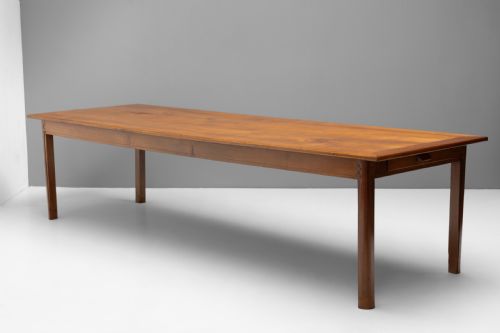


French Cherry Wood Table
A french cherry wood table brings warmth and domestic utility into a room through rich fruitwood grain and honest provincial construction.
French Cherry Wood Table
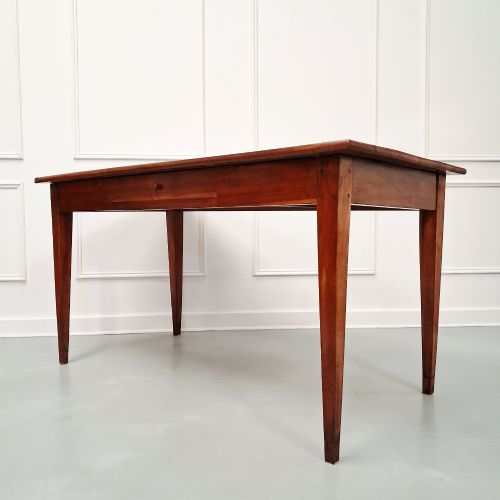
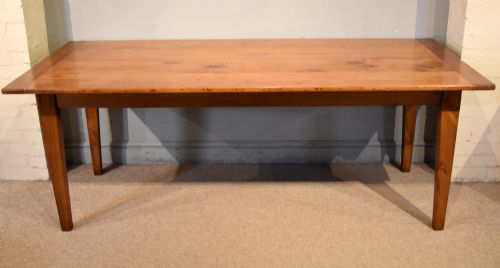
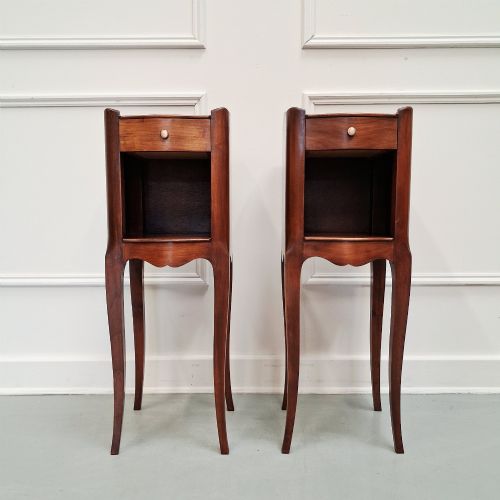
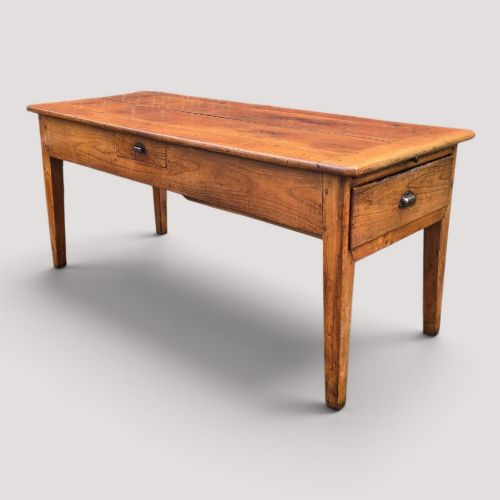
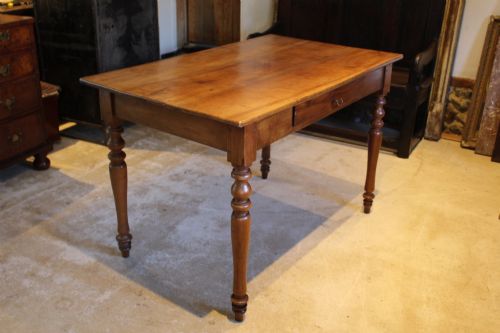
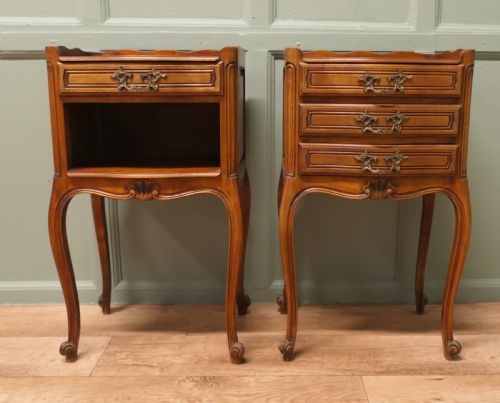
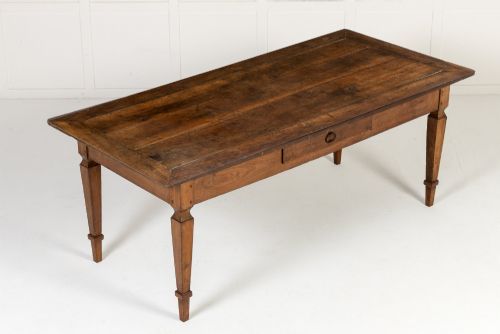
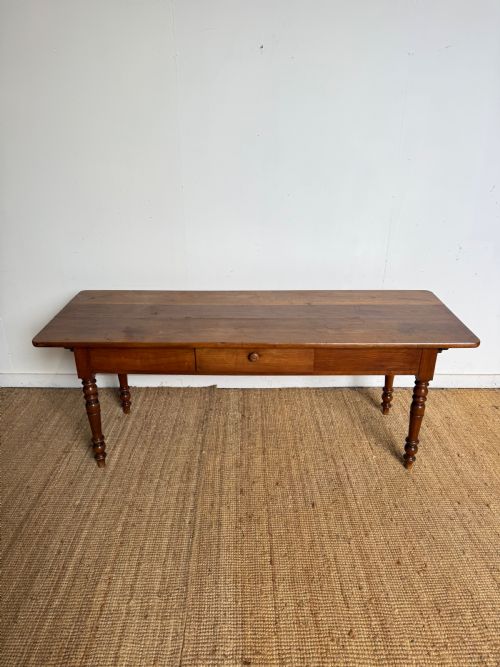
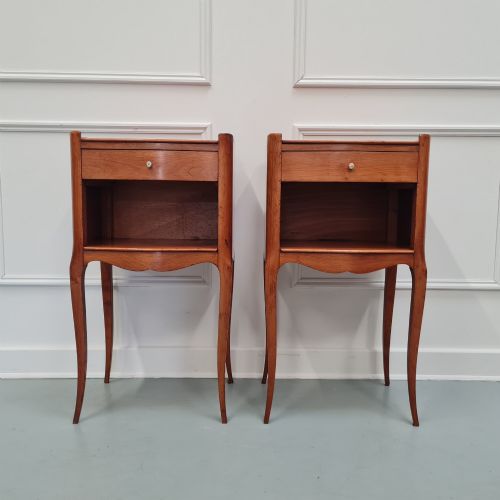
A french cherry wood table spans large communal dining pieces and smaller domestic forms such as bedside chests, coffee tables, and console surfaces. The dining and kitchen tables dominate the selection, often carrying the marks of heavy daily use in provincial farmhouses and country houses.
Examples range from eighteenth-century origins through nineteenth-century farmhouse formats to early twentieth-century bedside pairs and occasional tables. Styles lean towards French Provincial, French Country, Rustic Farmhouse, and French Louis XV, reflecting regional domestic traditions.
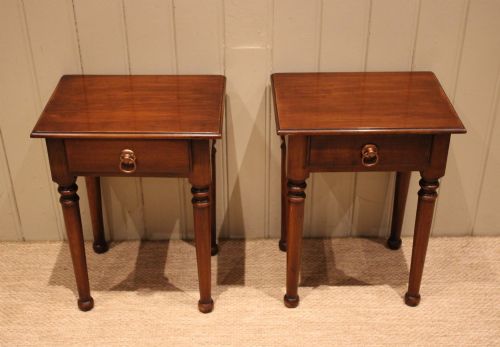
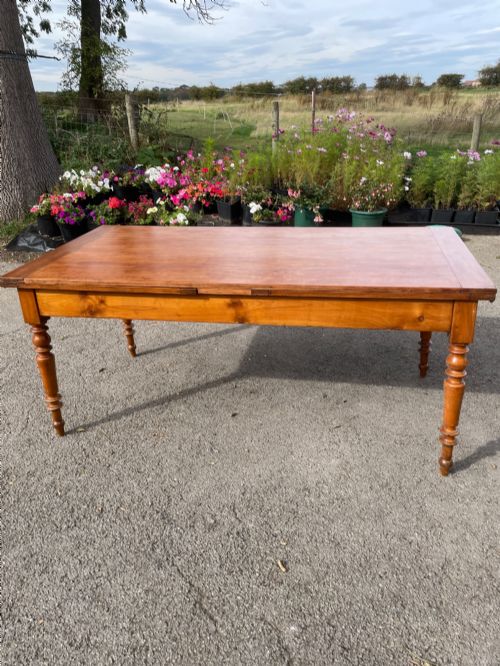
Smaller formats include bedside chevs, writing tables, and drop-leaf coffee tables alongside expansive refectory and double-extending dining tables. These pieces serve practical functions in modern interiors while retaining their original regional character.
What varies in quality
Quality rests in the depth of the timber's patina, the integrity of the original construction, and the elegance of regional proportions. Pieces with untouched aged surfaces and balanced proportions stand apart from heavily altered examples.
The sophistication of regional detailing, such as finely turned legs or well-fitted sliding breadboards, separates standard utility pieces from finer manor house or provincial workshop examples.
French Cherry Wood Table Retail Price Guide 2026
Typical asking prices for french cherry wood table among the pieces listed under this phrase on Sellingantiques today, from the lower quarter to the upper quarter. They describe what is for sale here now, not the wider market.
Some bedside tables include a dedicated candle shelf for overnight illumination.
The French Cherry Wood Table Glossary
- Bread slide
- A pull-out wooden board beneath the table top used historically for slicing bread or expanding workspace. It slides smoothly on interior runners.
- Cabriole leg
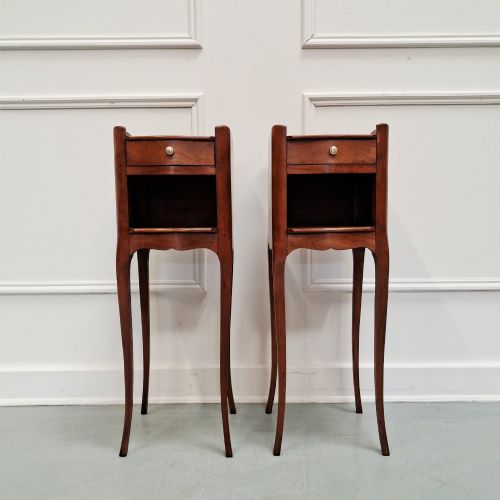
- A furniture leg that curves outward and then tapers inward, inspired by the shape of an animal's leg. This form appears frequently in Louis XV style provincial furniture.
- Vendange table
- A harvesting or wine table traditionally utilised during grape harvests. These tables often feature distinctive proportions suited to rural workspaces.
- Chevet
- A small bedside table or cabinet designed to sit beside a bed. These often incorporate a small drawer, cupboard space, or candle shelf.
French Cherry Wood Table: Frequently Asked Questions
What is a French cherry wood table used for today?
These tables function primarily as dining surfaces, kitchen work tables, or occasional coffee and console tables in contemporary homes. Their durable fruitwood construction makes them practical for daily domestic use.
Smaller formats like bedside tables and writing desks bring period character to bedrooms and studies. They provide functional surface area while introducing provincial warmth and texture.
How do I identify a farmhouse table from this period?
Farmhouse tables generally display generous proportions, sturdy turned or straight legs, and practical additions like drawers or sliding bread boards. The timber often shows rich grain variation and deep patination.
Construction details such as pegged mortise and tenon joints indicate traditional provincial workshop building methods. The absence of mass-produced hardware confirms their period manufacture.
What materials are used alongside cherry wood?
While cherry wood and general fruitwood dominate the construction, secondary timbers like oak and poplar appear in internal framing or structural supports. Metal hardware, brass fixtures, and stone tops are also found on specific functional forms.
These mixed materials reflect regional building practices where local timber varieties were utilised for the most appropriate structural parts. Stone tops on occasional tables provided durable surfaces for daily tasks.
How do I care for antique fruitwood furniture?
Maintain fruitwood surfaces by keeping them away from direct heat sources and strong sunlight, which can dry out and fade the timber. Regular dusting with a soft cloth preserves the natural finish without building up heavy wax residues.
Apply a neutral beeswax sparingly when the wood appears dry to nourish the grain and protect the historic patina. Avoid placing wet items directly on the surface to prevent water marking.