
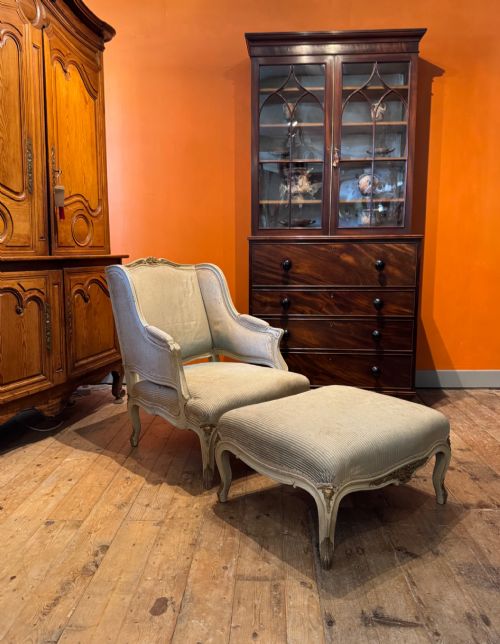


French Chateau Style Seating
French chateau style seating brings grand salon comfort into domestic rooms through carved giltwood frames and painted wood finishes.
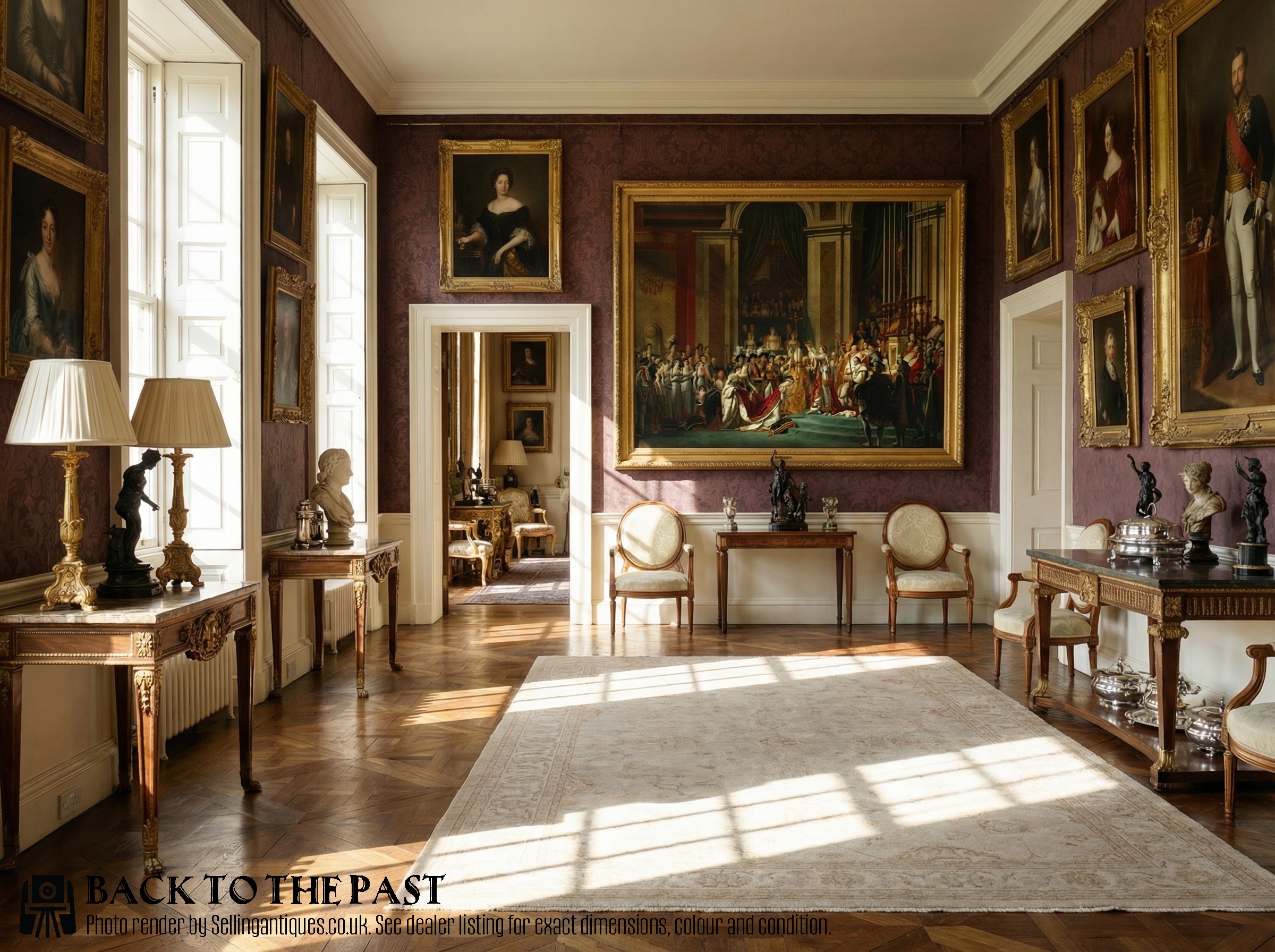
French Chateau Style Seating
French chateau style seating covers a broad assortment of period forms, ranging from single armchairs and dining chairs to larger settees, benches, and chaise longues. The selection leans heavily toward nineteenth-century examples and early twentieth-century pieces spanning from 1880 to 1960.
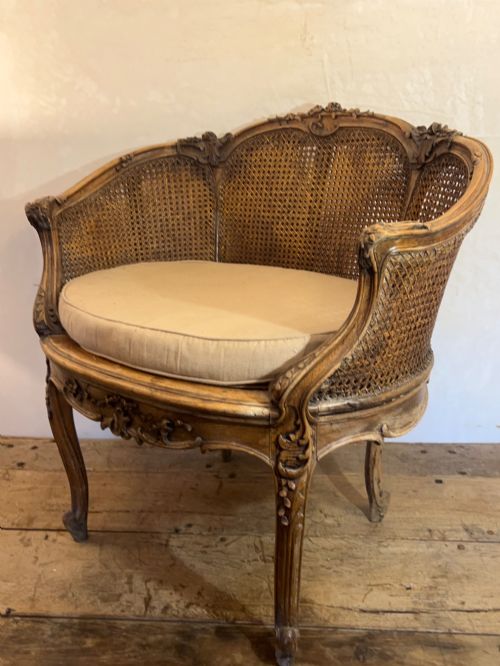
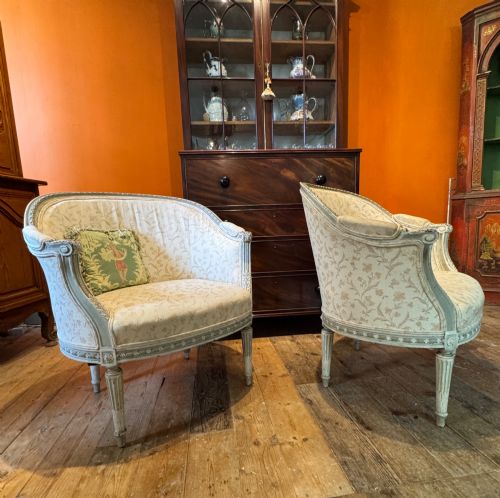
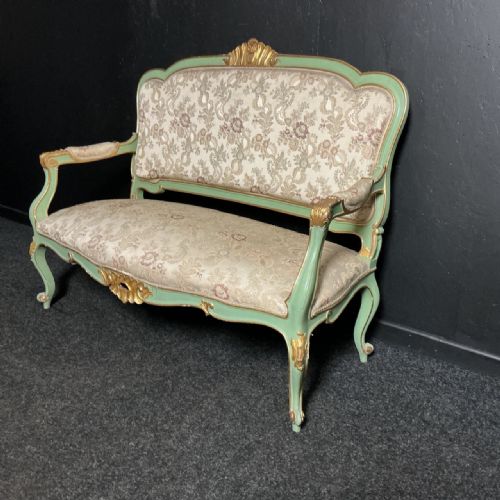
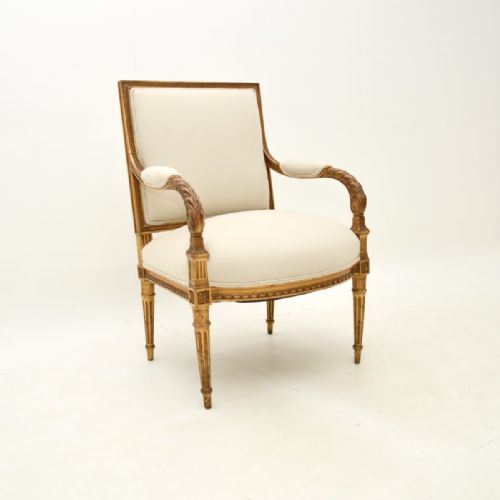
Buyers will most frequently encounter painted wood and giltwood armchairs, alongside pairs of bergères and upholstered salon chairs. Pieces often reflect classic French design idioms like Louis XV and Louis XVI styles, showing carved details and traditional textile or fabric upholstery.
Materials and construction methods
The underlying frames rely primarily on solid timber, notably beech and oak, shaped through traditional joinery and detailed carving. Artisans applied hand-mixed paint layers or gold leaf to the wooden surfaces, often resulting in surviving original paint or later decorative finishes.
Upholstery techniques combined supportive internal webbing with horsehair or comparable stuffing, finished with textile coverings, silk fabric, or cane panels. Brass details occasionally appeared as decorative mounts or structural hardware on specific salon chairs and window seats.
French Chateau Style Seating Retail Price Guide 2026
Typical asking prices for french chateau style seating among the pieces listed under this phrase on Sellingantiques today, from the lower quarter to the upper quarter. They describe what is for sale here now, not the wider market.
Listings feature beech and oak timber frameworks finished in paint, giltwood, or natural polish.
Distinguishing quality in period seating
Quality rests in the crispness and depth of the hand-carved wood ornamentation across the crest rails and cabriole or fluted legs. Superior pieces retain their original painted surfaces or gilding with natural patination rather than heavy modern overpainting.
The integrity of the structural joinery and the preservation of original cane panels or traditional upholstery foundations dictate the overall standard. Examples that maintain balanced proportions and harmonious lines demonstrate superior workshop origin.
The French Chateau Style Seating Glossary
- Bergère
- An enclosed upholstered armchair with wooden sides and a built-in upholstered back. This form emerged in France during the eighteenth century and remains popular in period interiors.
- Fauteuil
- An open-arm armchair with exposed wooden armrests and upholstered back and seat. The arms often feature padded elbow rests for added comfort.
- Giltwood
- Timber treated with a thin layer of gold leaf or gold paint applied over a prepared gesso base. This finish created a luminous decorative effect suited for formal reception rooms.
- Duchesse Brisée
- A chaise longue split into two or three parts comprising an armchair and one or more footstools. It allowed users to recline fully within grand bedchambers and boudoirs.
- Corbeille
- A chair or settee featuring a rounded, basket-like curved back enclosing the sitter. The enveloping shape provides a distinct profile common in nineteenth-century seating.
French Chateau Style Seating: Frequently Asked Questions
How do I identify Louis XV style seating?
Louis XV style chairs and sofas are distinguished by their prominent use of asymmetrical curves, floral carvings, and sweeping cabriole legs. These pieces avoid straight lines in favour of flowing organic shapes.
Makers working in this tradition emphasised comfort and decorative movement, often pairing carved wooden frames with painted or gilded finishes.
Can I use these chairs for daily dining?
Many period dining chairs and armchairs remain robust enough for regular use provided the underlying wood frame and joinery are secure. Checking the structural stability of the legs and seat rails ensures safe everyday seating.
Consider the seat height and upholstery firmness when selecting chairs intended for prolonged daily sitting around a dining table.
What is the difference between giltwood and painted finishes?
Giltwood involves applying metallic gold leaf over the wooden frame to create a reflective, luxurious surface. Painted finishes utilise liquid pigments directly on the timber, ranging from soft grey tones to distressed decorative layers.
Both finishes were used historically depending on the room's status and the prevailing design taste of the period.
How should I care for antique painted wood?
Maintain painted wooden frames by dusting gently with a dry, soft cloth and avoiding harsh chemical cleaning agents. Keeping pieces away from direct sunlight and excessive humidity protects the historic paint layers.
Preserving the original surface patination requires minimal intervention and gentle handling during routine room cleaning.