



French Chateau Style Candlestick
These french chateau style candlestick pieces bring heavy cast metals and carved gilt timber into a room, offering warm illumination and decorative presence.
French Chateau Style Candlestick
When you search for a french chateau style candlestick, you are looking at items designed to hold candles or adapted as lamps, drawing on nineteenth-century and early twentieth-century decorative traditions. The selection spans straightforward single sticks to multi-branch candelabra and converted lamp bases, reflecting historical European interiors.
How they were made
Metal versions rely on casting techniques in bronze and brass, frequently enhanced with gilding or ormolu finishes to catch the light. These cast components create robust structures, sometimes incorporating cloisonné elements or multi-branch arrangements.
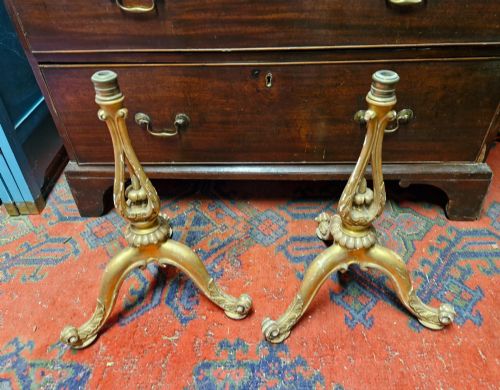
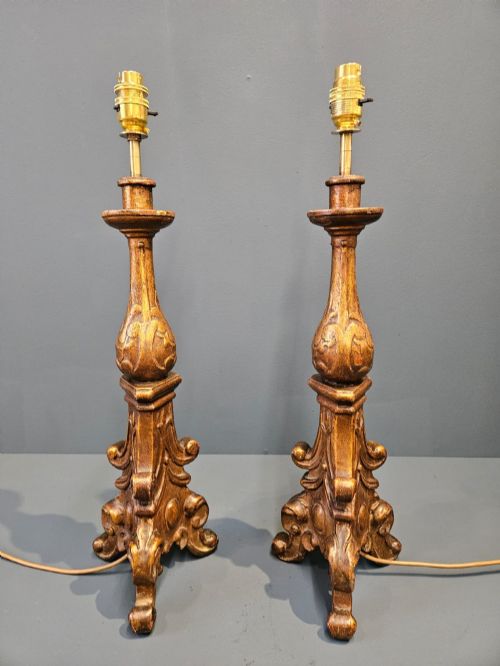
Wooden examples use hand carving on timber substrates, layered with gesso, paint, or silver and gold leaf to achieve a rich surface texture. Tripod bases and turned columns demonstrate traditional joinery and sculptural shaping suited to domestic illumination.
French Chateau Style Candlestick Retail Price Guide 2026
Typical asking prices for french chateau style candlestick among the pieces listed under this phrase on Sellingantiques today, from the lower quarter to the upper quarter. They describe what is for sale here now, not the wider market.
Materials recorded across the current selection include brass, giltwood, gilt bronze, ormolu, carved wood, paint, gesso, and marble.
What varies in quality
The standard of a piece depends heavily on the crispness of the metal casting or the depth of the hand carving in the wood. Finer examples display sharp, well-defined ornament on the foliage and figures, whereas simpler items show softer details and heavier, less refined applications of surface leaf or paint.
Proportion and material integrity also divide the range, with solid cast bronze and substantial carved timber holding greater visual weight than lighter constructions. The quality of the original gilding or decorative finish determines how well the object ages and reflects candlelight.
The French Chateau Style Candlestick Glossary
- Ormolu
- Gilded bronze applied to ornamental furniture and decorative objects. This technique involves coating metal with a finely ground gold-mercury amalgam and heating it.
- Candelabra
- A branched candlestick holding multiple candles or lamp fittings. These fixtures provide higher illumination and a more imposing silhouette than a single stick.
- Giltwood
- Timber that has been coated with a thin layer of gold leaf or powder. This treatment protects the wood while adding a bright, reflective surface.
- Cloisonné
- An ancient technique for decorating metalwork objects with coloured material held in place by thin metal strips. It appears on selected nineteenth-century decorative items.
- Gesso
- A plaster-like mixture applied to wood as a base for paint or gilding. It provides a smooth surface for subsequent decorative layers.
French Chateau Style Candlestick: Frequently Asked Questions
What is a french chateau style candlestick?
These items are decorative lighting supports or candle holders inspired by grand European residences, typically dating from the nineteenth and early twentieth centuries.
They incorporate ornate metal castings, carved wood, and gilt finishes designed to add formal elegance to a tabletop or mantel.
Were these pieces used for lighting?
They served primarily to hold wax candles before the widespread adoption of domestic electricity, providing necessary illumination in large rooms.
Many surviving examples have since been adapted to function as electric table lamps while retaining their original decorative bases.
How do I date these items?
Dating relies on examining the materials, casting methods, and stylistic cues such as nineteenth-century revival motifs or early twentieth-century painted finishes.
Subtle signs of wear on the giltwood, ormolu, or bronze help distinguish genuine period pieces from later reproductions.
How do I live with these objects?
Place them on sideboards, side tables, or mantelpieces where their metallic sheen and carved forms can interact with natural and artificial light.
They pair well with traditional interiors, adding height and historical character without dominating the entire room.