


Gold Carved Candlesticks
Gold carved candlesticks bring warmth and historic craft into a room, spanning Baroque altar pieces to Victorian lamp conversions.
Gold Carved Candlesticks
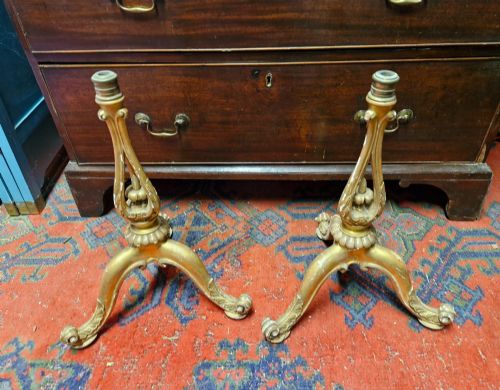
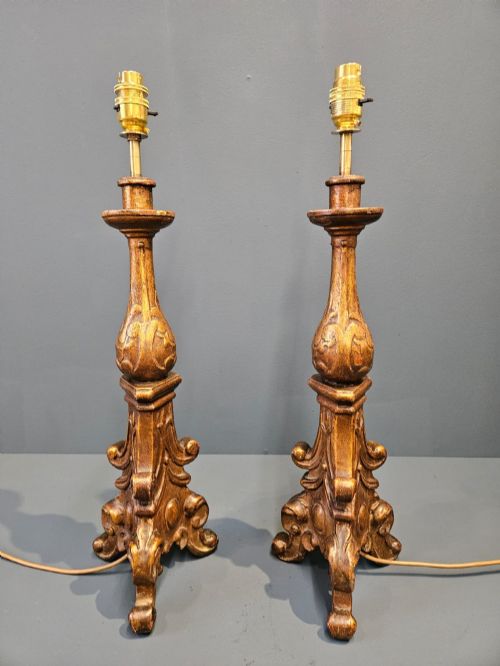
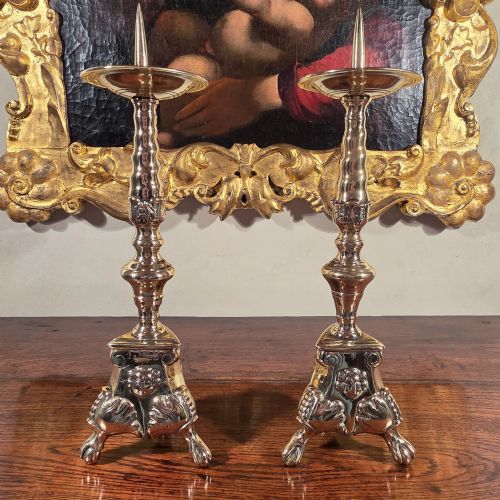
These items encompass carved wooden supports dressed in gold leaf and gesso, alongside metal designs in brass, bronze and ormolu. Buyers searching for gold carved candlesticks encounter functional candle holders, pricket sticks, and pieces later converted into table lamps or standard lamps.
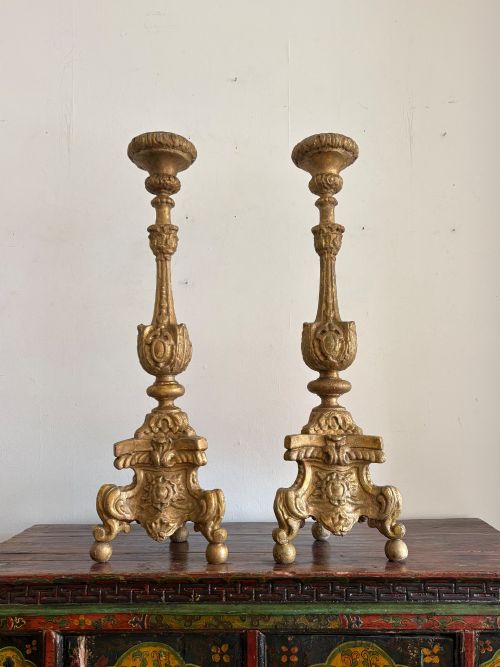
Italian, French and English workshops dominate the origins, ranging from the eighteenth century through the nineteenth century and into the early twentieth century. Baroque, Rococo and Neoclassical styles appear frequently among the listings, often taking the form of altar candlesticks or tall floor-standing columns.
How they were made
Carvers shaped timber cores from wood before applying layers of gesso to create a smooth surface for gilding. Artisans then laid gold leaf over the prepared base, sometimes combining it with polychrome or silvered mecca finishes.
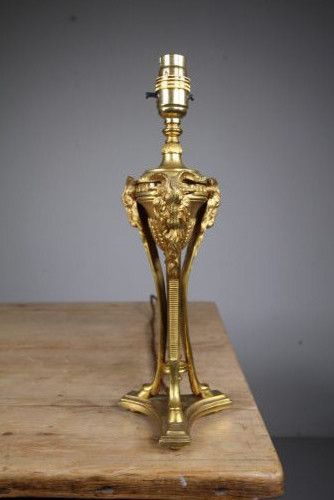
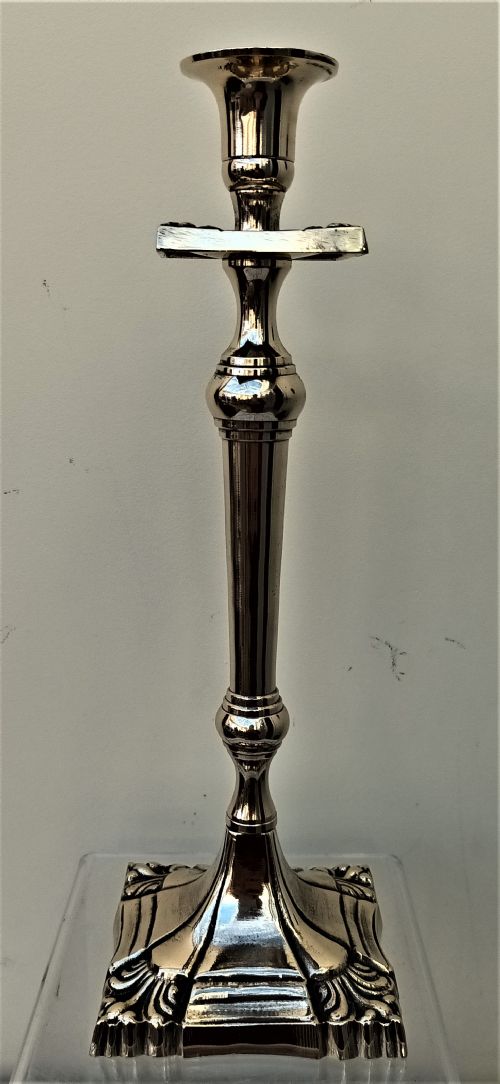
Metal alternatives utilised cast brass, bronze and ormolu, employing foundry methods to achieve intricate ornamentation such as rams' heads or figural supports. Many wooden and metal examples were subsequently adapted for electrical wiring in later periods.
Object forms span Italian altar candlesticks, French ormolu mounts, and carved wooden lamp bases.
What varies in quality
Depth and crispness of the hand-carved detail separate refined pieces from simpler productions, particularly on scrolling foliage and figural elements. The adherence to historical proportions, such as the grand scale seen in altar candlesticks, dictates visual presence.
The integrity of the original gilt surface and gesso layer influences desirability, as does the subtlety of ageing across the gold leaf. Alterations made during electrification also impact the overall character of the object.
The Gold Carved Candlesticks Glossary
- Giltwood
- Wood that has been coated with gold leaf. This technique provides a luminous metallic finish over a carved wooden substrate.
- Gesso
- A plaster mixture applied to wood as a base for gilding. It creates a smooth surface that can be intricately carved before gold leaf application.
- Pricket candlestick
- A candle holder featuring a central spike to secure the wax candle. These often appear in ecclesiastical settings.
- Ormolu
- Finely chased gilt bronze used for decorative mounts and objects. It became popular in French and English decorative arts.
- Mecca
- A transparent golden varnish applied over silver leaf to imitate gold. This finish creates a distinctive warm metallic tone.
Gold Carved Candlesticks: Frequently Asked Questions
How are gold carved candlesticks used today?
Many of these pieces now function as table lamps or standard lamps following professional wiring conversions. They retain their original decorative purpose on side tables, mantelpieces, or as architectural accents within a room.
Unconverted candlesticks still hold tapers or serve as sculptural objects on surfaces. Their metallic finish reflects ambient light and adds texture to interior spaces.
What is an altar candlestick?
Altar candlesticks originated as large church furnishings designed to stand on or near altars. Their substantial height and impressive proportions made them visible from a distance.
Workshop makers often employed Baroque and Rococo styles for these ecclesiastical items. Today, their scale makes them suitable for floor placement or large tables.
How do I identify eighteenth-century pieces?
Eighteenth-century examples often display deep Baroque or Rococo hand-carved ornamentation on wooden structures. The weight, joinery methods, and wear patterns on the gold leaf provide clues to their age.
Italian and Spanish origins appear frequently in this period, particularly with altar-type designs. Documentation and stylistic traits help separate them from later nineteenth-century revivals.
Are these items electrified?
A significant number of these pieces arrived in later periods with electrical fittings installed for modern use. Some retain their original pricket or socket forms without wiring modifications.
Conversions often integrate discreet cord paths through the existing timber or metal structure. Buyers can find both functional lamp bases and pure candle holders.