




French Chateau Side Lamps
French chateau side lamps bring genuine continental warmth and character to a room, offering the perfect blend of classical form and practical illumination.
French Chateau Side Lamps
When you search for french chateau side lamps, you encounter a curated selection of lighting and occasional furniture drawing on nineteenth-century and early twentieth-century design. The objects span periods from the Victorian era through the nineteen-thirties, reflecting diverse regional tastes.
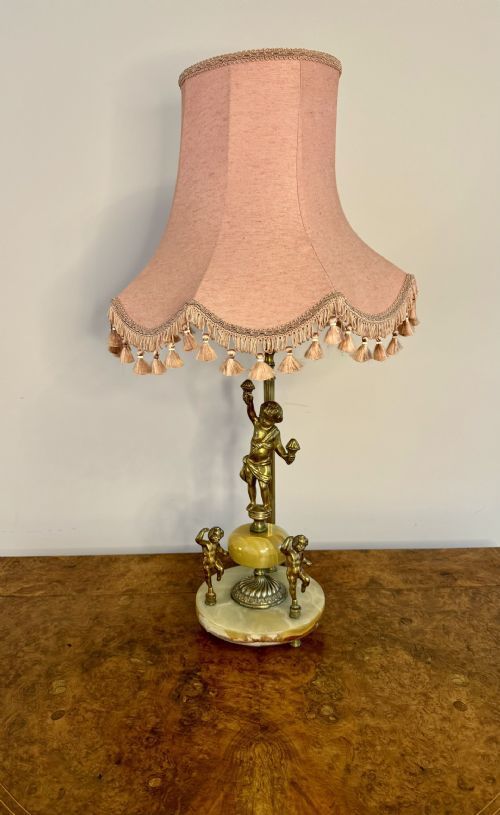
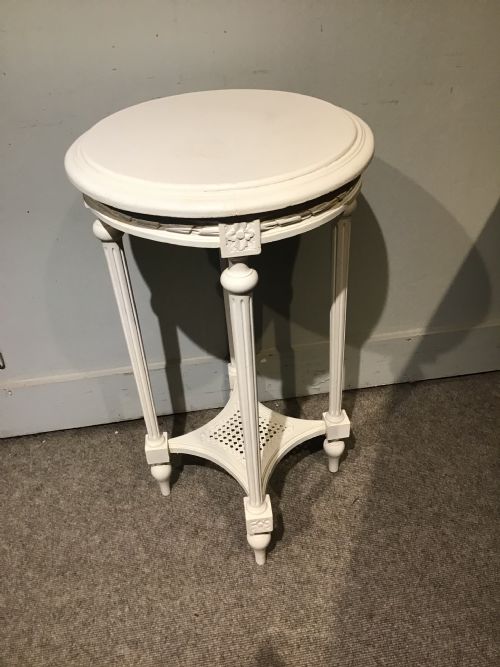
Most commonly, you meet table lamps and candelabra lamps paired with side tables or occasional tables. These pieces often incorporate marble tops, painted wood, or brass bases reflecting French provincial and Louis styles.
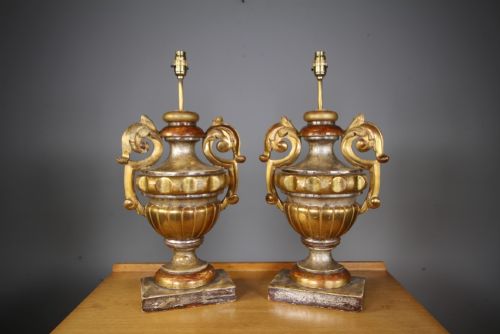
The aesthetic leans heavily towards revival movements, capturing the decorative spirit of French chateaux. Pieces range from carved pine urn lamps to gilded brass and marble lighting fixtures designed to anchor a room.
How they were made
Maker workshops utilised traditional methods, combining cast bronze, gilded brass, and carved wood to build durable lighting and small tables. Marble formed a primary surface material for tabletops and lamp bases, offering weight and distinct veining.
Surface decoration involved paint, gilt, and silvering applied to wood and metal substrates. Carved pine and rosewood were shaped into structural elements and detailed with neoclassical or rococo motifs.
Several pieces feature carved cherubs, ensuring your living room lighting comes with its own small, permanent audience.
What varies in quality
The standard of execution in the carving and casting distinguishes finer examples from simpler provincial pieces. Crisp detail in the bronze work or refined joinery in the rosewood and painted tables denotes superior craftsmanship.
Materials dictate much of the character, with substantial marble bases and heavy gilded mounts carrying a greater visual weight. The integration of components, such as how cast bronze meets marble, reveals the original maker's attention to proportion.
The French Chateau Side Lamps Glossary
- Louis XVI Style
- A neoclassical design movement characterised by straight lines, symmetry, and classical ornamentation. It emerged in eighteenth-century France and inspired numerous revivals.
- Gilt Bronze
- Metalwork coated with a thin layer of gold, providing a rich, durable metallic finish. It appears frequently on lamp bases and mounts.
- Candelabra Lamp
- A multi-light fixture adapted from traditional candle holders to hold electrical fittings. These pieces often feature two or three light arms.
- Occasional Table
- A small, movable table designed for specific, intermittent use rather than primary dining or desk work. They frequently function as lamp stands.
- Rococo Revival
- A nineteenth-century style drawing on the elaborate, asymmetrical curves of the original rococo period. It favours natural motifs such as shells and foliage.
French Chateau Side Lamps: Frequently Asked Questions
What defines french chateau side lamps?
These pieces combine nineteenth-century and early twentieth-century lighting fixtures with complementary side tables. They frequently feature materials like marble, brass, and carved wood.
The aesthetic draws directly from French provincial and revival styles, bringing classical European elegance into domestic spaces.
How do I style these lamps?
Place them on matching occasional tables or directly onto sideboards to create balanced illumination. Their decorative brass and marble bases anchor traditional and eclectic interiors alike.
Pairing them with neutral walls allows the carved wood and gilded details to stand out as focal points.
Are these lamps electrified?
Many period lighting fixtures have been adapted for modern electrical standards over time. It remains sensible to have any vintage wiring checked by a professional before daily use.
The original structure, whether cast bronze or carved pine, typically remains intact around modern internal components.
How do I identify the period?
Look to the materials, such as heavy rosewood, cast bronze, or specific types of marble, which often correlate with nineteenth-century or early twentieth-century production. Stylistic cues like Louis XVI restraint or Rococo Revival curves offer further clues.
Construction techniques, including hand-carved pine and traditional joinery, help distinguish older items from later reproductions.
Where were these items made?
The pieces reflect French design traditions, spanning provincial workshops and urban makers influenced by regional aesthetics. Styles range from simple painted wood to ornate neoclassical giltwork.
Importation and local British interpretation during the Victorian and Edwardian eras also shaped the availability of these continental forms.