




French Chateau Dressing Table
These french chateau dressing table pieces bring provincial elegance and carved detail into a bedroom, offering a functional surface with period character.
French Chateau Dressing Table
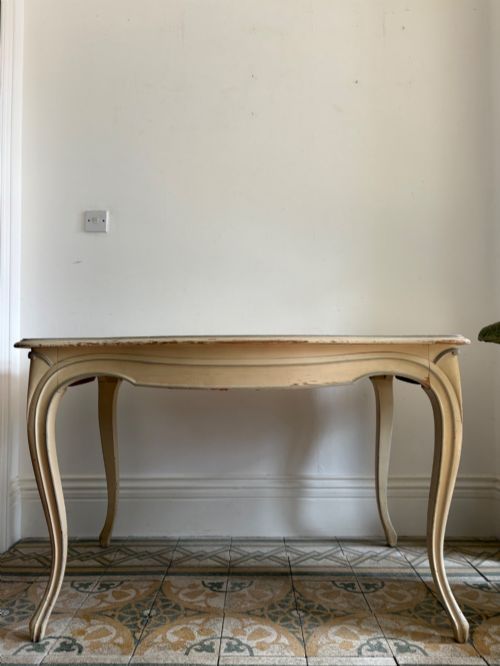
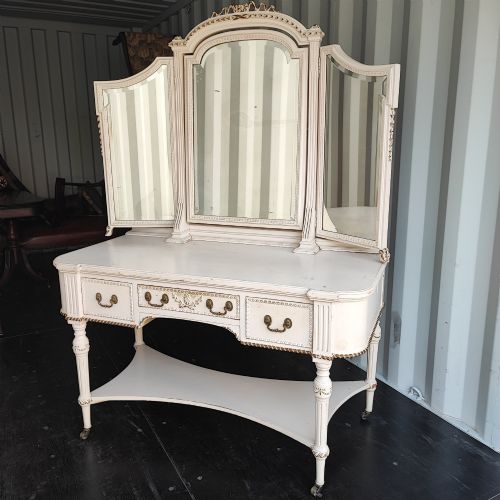
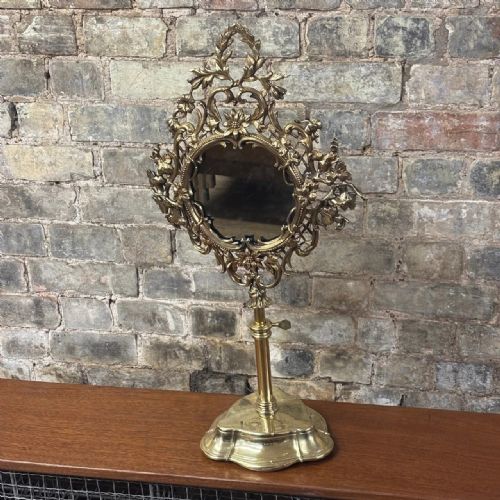
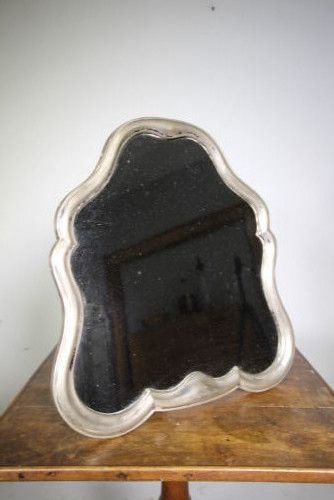
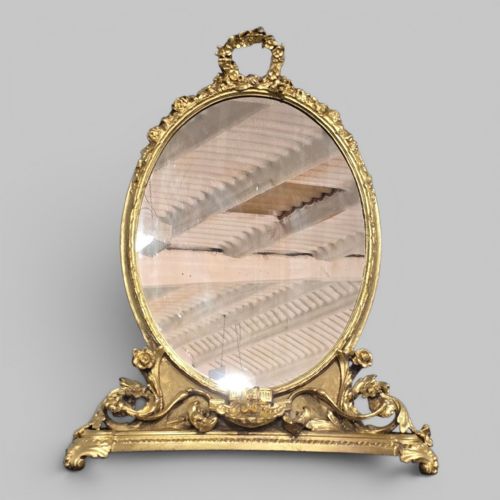
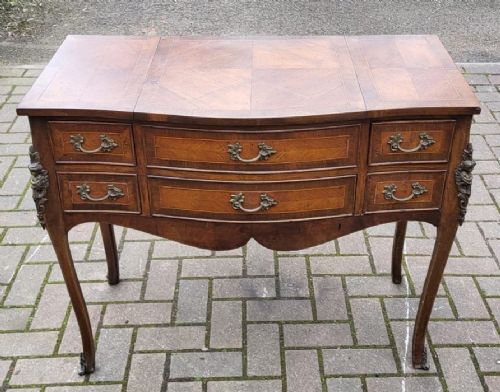
A french chateau dressing table search encounters items spanning the nineteenth century up to the nineteen-twenties, encompassing walnut poudreuses, carved oak dressing tables, and smaller side tables. These pieces often feature serpentine fronts, cabriole legs, and associated tabletop mirrors.
The selection extends to include folding triple mirrors, giltwood toilet mirrors, and painted console tables designed for boudoir use. Alongside these primary tables, buyers find matching accessories such as boudoir stools, footstools, and decorative bottles that complete a dressing area.
Assessing Quality and Character
Quality shows in the depth and crispness of the carved woodwork, particularly on the cabriole legs and serpentine frames. Pieces with intact original paint or gilding carry greater visual integrity than those with later repainting.
The refinement of the metal mounts, the clarity of the bevelled mirror glass, and the harmonious proportions of the table base distinguish finer examples from simpler utilitarian pieces.
Among the items recorded are pretty antique gilt-decorated bottles intended for dressing table display.
Maples of London and Paris
The French Chateau Dressing Table Glossary
- Poudreuse
- A type of French vanity table featuring folding lids that open to reveal a mirror and compartmented interior. It was designed for powdering wigs and applying cosmetics in the eighteenth and nineteenth centuries.
- Cabriole leg
- A furniture leg that curves out and then in, resembling the leg of an animal. This form appears frequently on furniture associated with Louis styles and revival periods.
- Ormolu
- Gilded bronze ornamentation applied to furniture and decorative objects. It provides a bright metallic contrast against walnut and painted wooden surfaces.
- Gesso
- A plaster-like mixture applied to wood as a base for painting or gilding. It allows craftsmen to model intricate low-relief decorations before applying gold leaf or paint.
- Serpentine front
- A furniture front curved with a convex centre flanked by concave sides. This undulating shape adds movement and complexity to console and dressing tables.
French Chateau Dressing Table: Frequently Asked Questions
What is a poudreuse?
A poudreuse is a specialised French dressing table equipped with folding top sections that lift to reveal a mirror and storage compartments.
These compartments originally held cosmetics and powders, making the table a self-contained unit for morning routines.
How do I identify a revival style?
Revival pieces borrow decorative motifs from earlier French reigns like Louis XV and Louis XVI, including scrolling foliage and asymmetrical cartouches.
Nineteenth-century makers reinterpreted these classical designs using contemporary construction methods and materials.
Where should I place a dressing table mirror?
Tabletop mirrors sit directly on top of a console or dressing table to create a functional vanity station without requiring wall fixation.
They function well on side tables that lack built-in looking glasses, allowing flexible placement in a bedroom.
How do I care for painted wood?
Painted wooden surfaces require dusting with a soft, dry cloth to protect the finish from abrasion and moisture damage.
Avoiding direct sunlight helps preserve original paint layers and prevents fading over time.