


French Chalk Drawing
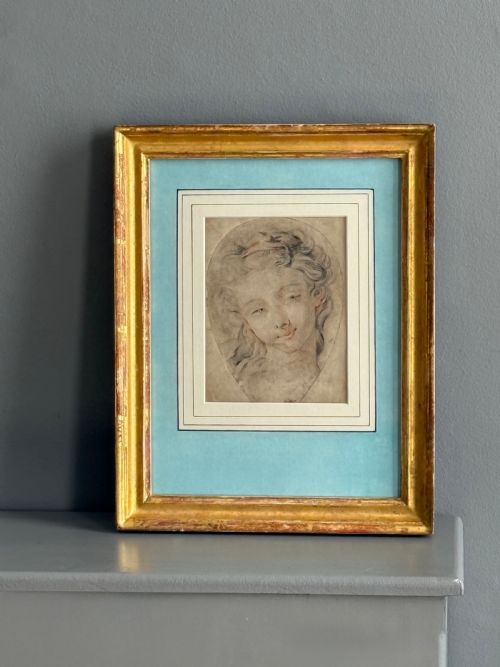
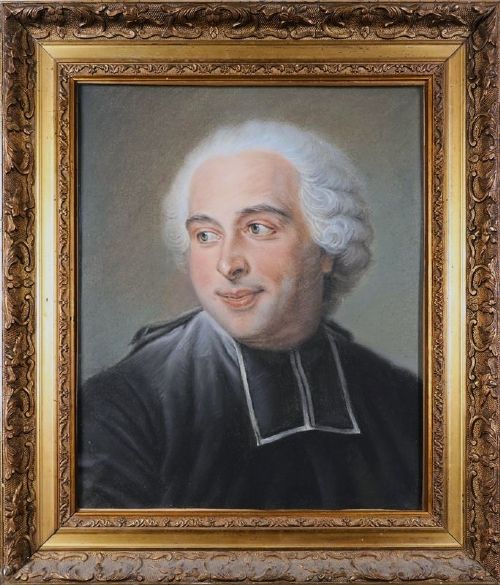
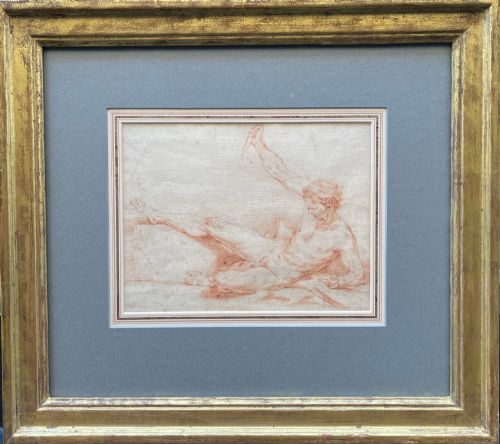
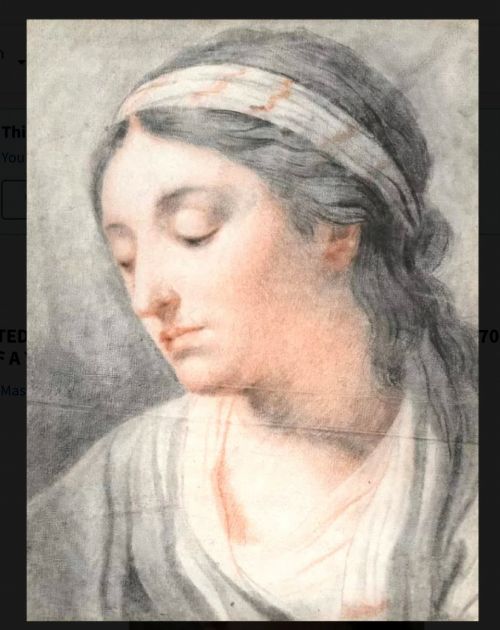
These french chalk drawing pieces capture expressive portraiture and figure studies through delicate dry media on paper.
French Chalk Drawing
When you search for french chalk drawing, you are looking at original works on paper utilising chalk, charcoal, pastel, and graphite. The selection spans from the eighteenth century through the nineteenth century, and into the nineteen-twenties and nineteen-thirties.
The most common forms you will meet on this page are framed drawings, portrait drawings, and fine art studies. These range from eighteenth-century French school portraits and Rococo studies to Art Deco and cubist works.
Subjects include individual portraits, head studies of young girls, historical and mythological scenes, and figures such as the petanque player or women daydreaming. Many pieces reflect academic traditions, the French Neoclassical style, and post-impressionist approaches.
How they were made
Artists worked primarily on paper, toned paper, or card, applying dry media such as chalk, charcoal, pastel, and graphite to build form and tone. Works frequently employ multiple mediums on a single sheet, combining chalk with graphite or charcoal to achieve depth.
Many items are mounted behind glass and housed within giltwood frames that complement the period aesthetic of the artwork. The physical support relies on historic papers showing natural ageing and texture.
Several drawings capture women daydreaming, listening attentively, or displaying their flaming locks of auburn hair.
What varies in quality
Provenance and attribution also differentiate the pieces, with works attributed to specific historic masters or exhibiting documented exhibition histories standing apart from anonymous school studies.
Maurice Quentin de la Tour·Francois Boucher·Hyacinthe Colin de Vermont·François-André Vincent·Lucien Gibert·Pierre-Paul Prud'hon·Demetrios Galanis·Georges D'Espagnat
The French Chalk Drawing Glossary
- Chalk
- A soft, dry drawing material derived from mineral deposits, used to create line and tonal shading on paper. It forms the primary medium for many historic portrait studies.
- Toned paper
- Paper manufactured with a neutral or coloured tint rather than a stark white finish, allowing artists to apply highlights in white chalk alongside dark strokes.
- Deux crayon
- A drawing technique utilising two distinct colours of chalk, typically black and red or white, on toned paper to model form and highlight contours.
- Giltwood
- Wood carved and coated with a thin layer of gold leaf or gold paint, commonly used for framing historic works on paper.
French Chalk Drawing: Frequently Asked Questions
What is a french chalk drawing?
These works are original creations on paper executed in dry mediums like chalk, pastel, and graphite by French artists or within French artistic traditions.
They span multiple centuries, capturing portraits, mythological subjects, and daily life through delicate linework.
How should I hang these drawings?
Works on paper require protection from direct sunlight to prevent the chalk and pastel pigments from fading over time. Glazed framing helps shield the delicate surface from dust and atmospheric moisture in your home.
Position them on interior walls away from direct heat sources to preserve the integrity of both the paper and the period frame.
How do I identify eighteenth-century works?
Eighteenth-century examples often reflect Rococo or French Neoclassical styles, featuring subjects such as mythological figures, historical scenes, or court portraits. The paper texture and the handling of the chalk frequently point towards academic practices of that era.
Attributions to specific schools or artists associated with the period also help contextualise the age of the piece.
What is deux crayon drawing?
Deux crayon refers to a technique using two different colours of chalk, usually black and red, on toned paper. This method allows artists to build up both deep shadows and subtle highlights efficiently.
Master drawing practitioners utilised this approach to give volume and life to figurative studies.