


French Carved Wall Table
A French carved wall table brings architectural presence and classical surface display to a room without claiming floor space.
French Carved Wall Table
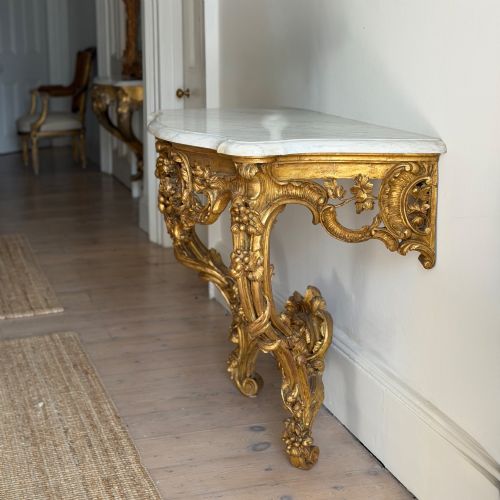
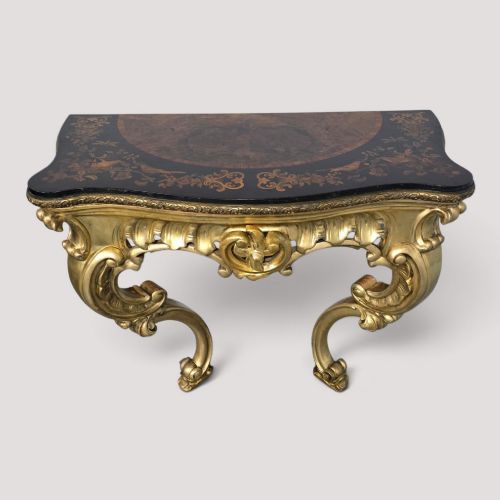
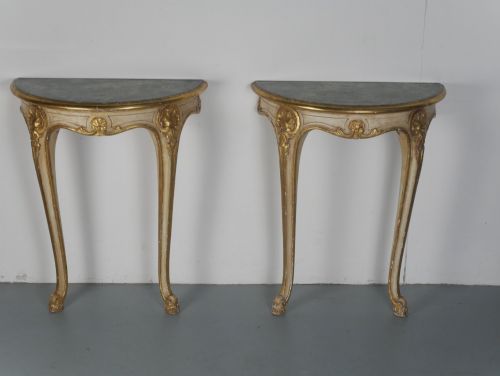
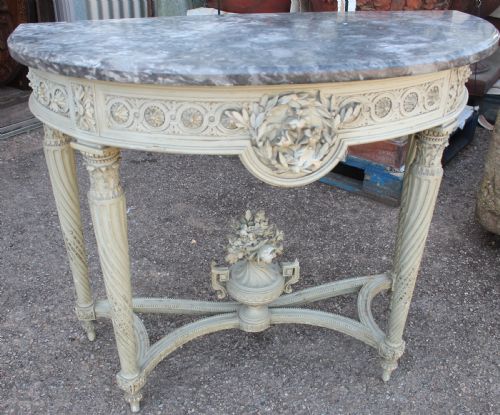
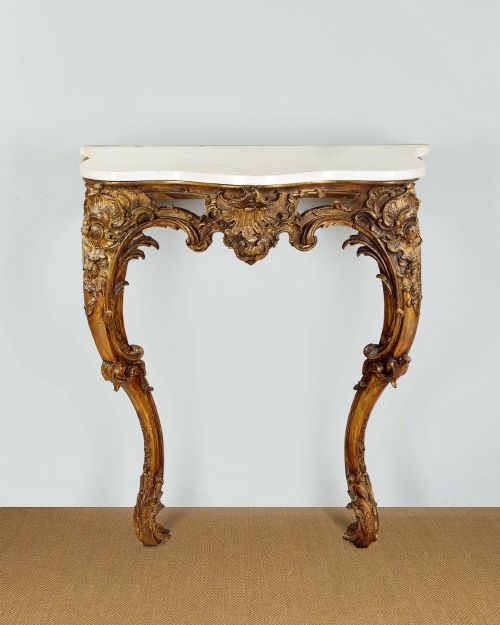
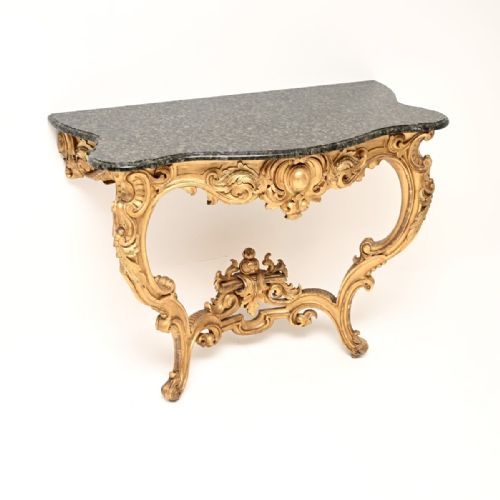
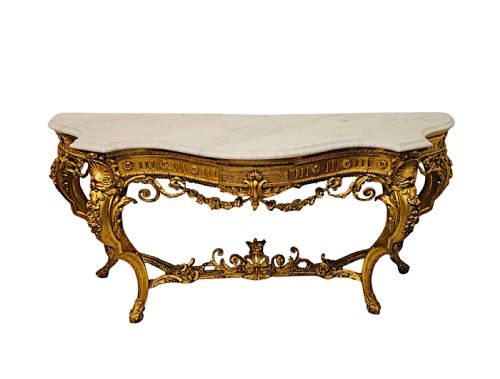
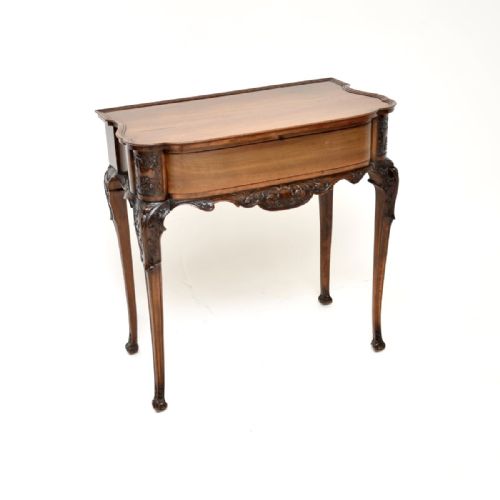
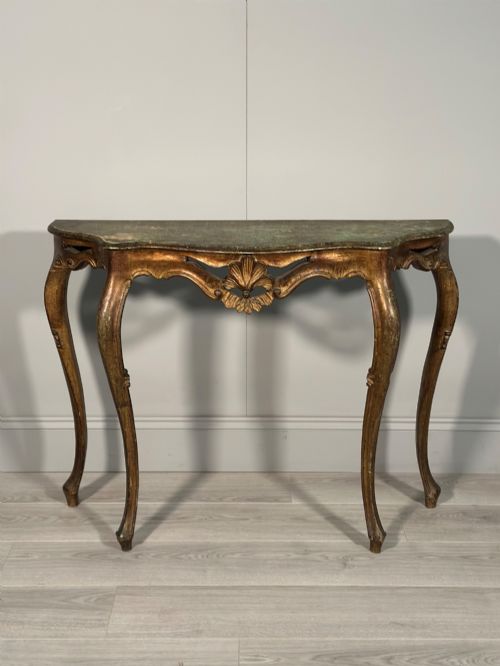
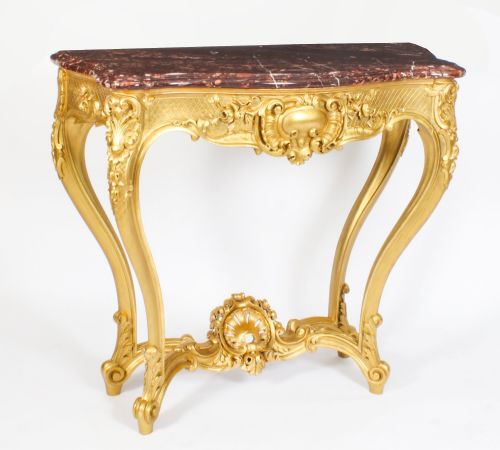
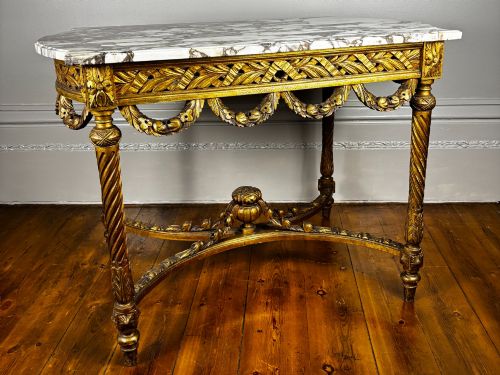
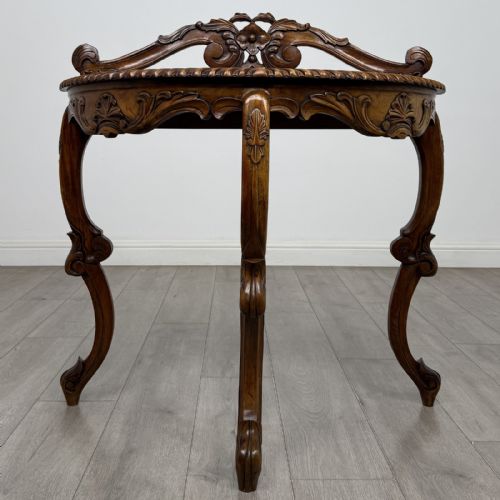
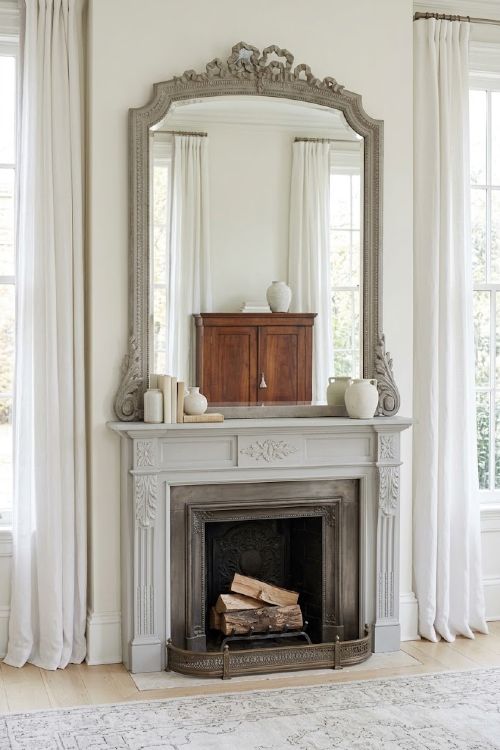
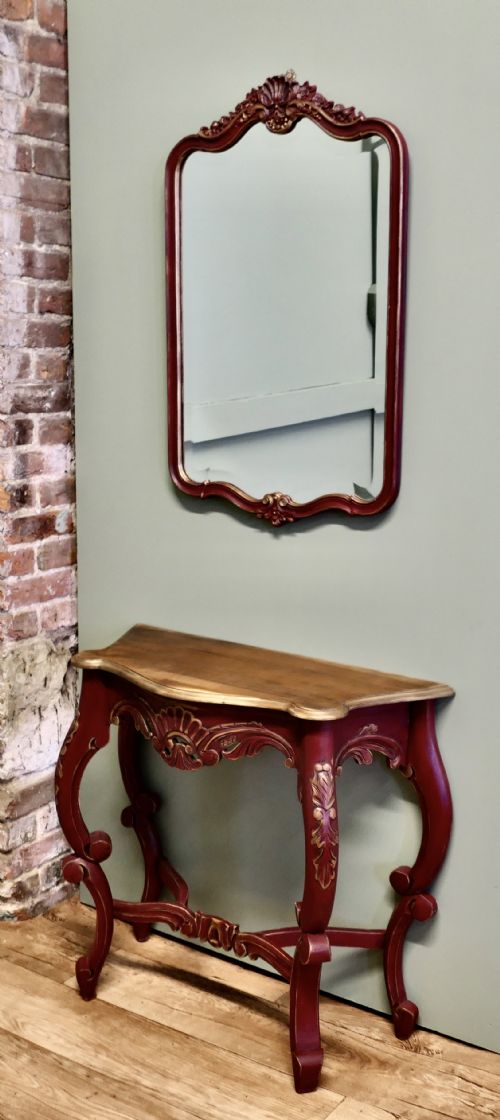
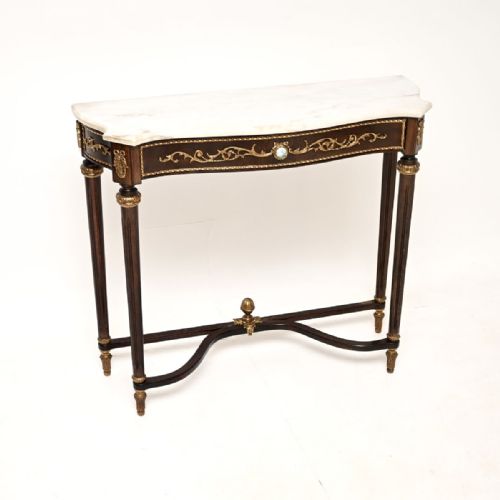
A french carved wall table typically presents as a console designed to anchor against a vertical surface, frequently paired with matching pier mirrors or executed in demi-lune and serpentine outlines. These pieces emerge across the eighteenth, nineteenth, and early twentieth centuries in styles spanning Louis XV, Louis XVI, and Rococo Revival. Buyers seeking this form encounter walnut, mahogany, and painted or gilded timber frameworks built to support stone surfaces.
The selection ranges from substantial late eighteenth-century examples to compact nineteenth-century giltwood pieces and twentieth-century hand-carved white-finished pairs. Overmantel mirrors and side tables occasionally share the category, reflecting how makers integrated wall furniture into grand interiors. Console tables dominate the offerings, serving both functional display and decorative wall anchoring.
Materials and construction
Carved wood forms the structural core of these tables, utilising walnut, mahogany, oak, and softer timbers prepared for gesso and leaf gilding. Artisans shaped these woods into serpentine outlines and intricate relief ornamentation reflecting prevailing revival movements. Painted finishes also appear, providing an alternative to traditional gilding.
Marble slabs provide the upper surface, resting directly upon the wooden framework with profiles cut to match the curves of the base. Figured marble and white Carrara varieties feature prominently, secured to heavy giltwood or walnut console bases designed to bear the considerable weight of the stone.
French Carved Wall Table Retail Price Guide 2026
Typical asking prices for french carved wall table among the pieces listed under this phrase on Sellingantiques today, from the lower quarter to the upper quarter. They describe what is for sale here now, not the wider market.
Listings span periods from the eighteenth century through the 1930s, featuring marble, giltwood, gesso, walnut, and mahogany.
Qualities of execution
The depth and crispness of the wood carving distinguish exceptional examples from simpler production, particularly in the hand-chiselled relief of foliage and scrollwork. Finer pieces display seamless joinery along complex serpentine and demi-lune curves, whereas standard items rely on simpler rectilinear execution.
The quality of the fitted marble top and the application of the giltwood or gesso finish dictate the visual hierarchy. Thicker, richly figured marble slabs paired with meticulously burnished gilding indicate superior workshop production compared to painted or plain wood surfaces.
Felix Alfred Ternisien·Jean Joseph Chapuis
The French Carved Wall Table Glossary
- Console table
- A table designed to be fixed against a wall, frequently supported by ornamental brackets or front legs rather than a complete four-leg freestanding frame. These items rely on wall attachment for stability.
- Giltwood
- Timber coated with gold leaf over a prepared gesso ground. This finish creates a luminous reflective surface characteristic of formal period interior decoration.
- Demi-lune
- Half-moon shape in plan. This curved outline allows tables to sit flush against a wall while projecting outward in a semicircle.
- Serpentine
- A line or surface that curves outward in the centre and inward at the sides. This contour adds visual movement to the front apron of a table.
- Gesso
- A plaster-like mixture applied to wood as a smooth base for gilding or painting. It accepts fine detail work from carving tools before metal leaf is laid down.
French Carved Wall Table: Frequently Asked Questions
What is a french carved wall table used for?
These tables provide a decorative surface for lamps, clocks, or ornaments while attaching securely to a wall. Their shallow depth suits narrow spaces like hallways and reception rooms.
Historically, they served as formal display furniture in grand salons, often positioned beneath matching mirrors to create a unified architectural elevation.
How do I distinguish eighteenth and nineteenth-century pieces?
Eighteenth-century examples display authentic period construction methods, hand-mixed grounds, and patinated gilding accumulated over extended use. Nineteenth-century pieces frequently revive these earlier Louis styles with heavier proportions and machine-assisted timber preparation.
Examining the underside, joinery marks, and the wear patterns on the gesso helps clarify the actual period of manufacture.
Do these tables need wall attachment?
Most console tables are top-heavy due to their thick marble slabs and require fixing to the wall for safe support. They rely on brackets or wall anchors to prevent tipping.
Freestanding side table variants do not require wall attachment, but the specific console forms documented here are engineered for vertical anchoring.
How do I care for a marble top table?
Clean the stone surface with a damp cloth and mild, neutral soap, avoiding acidic cleaners that etch polished marble. Protect the stone from oils and moisture.
Dust the carved wooden or gilded base gently with a dry, soft brush to preserve the delicate relief work without disturbing the finish.