


French Carved Oak Credenza
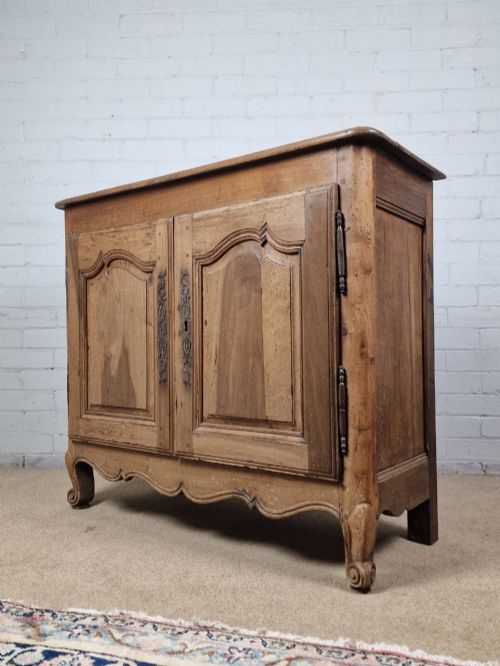
A french carved oak credenza brings substantial storage and centuries of continental craftsmanship into a room.
French Carved Oak Credenza
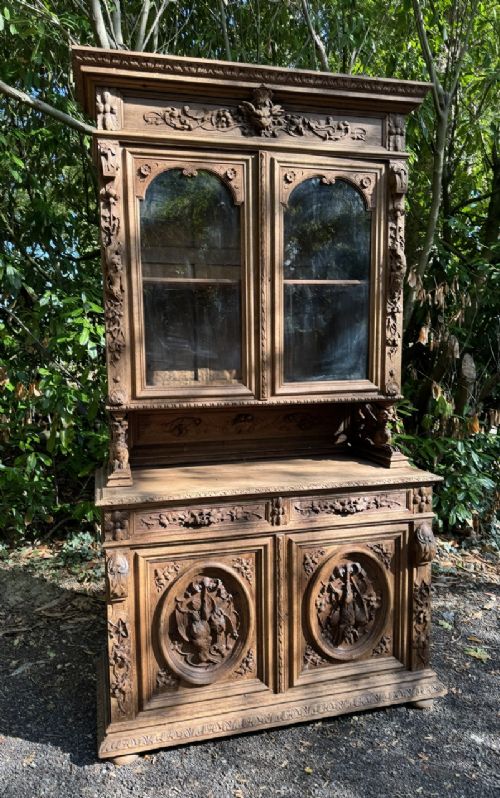
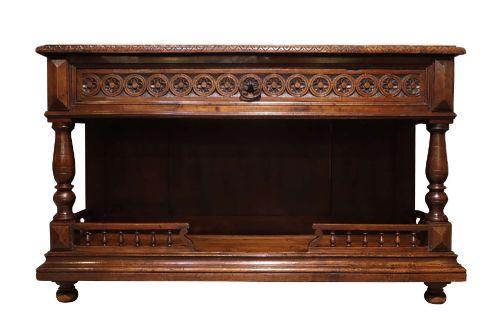
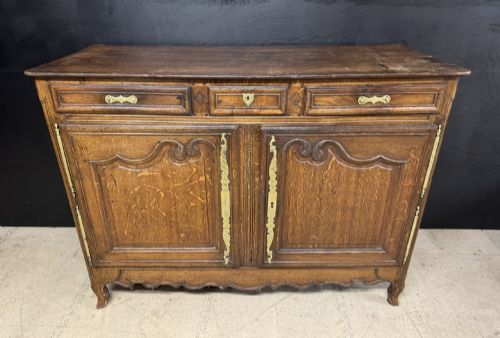
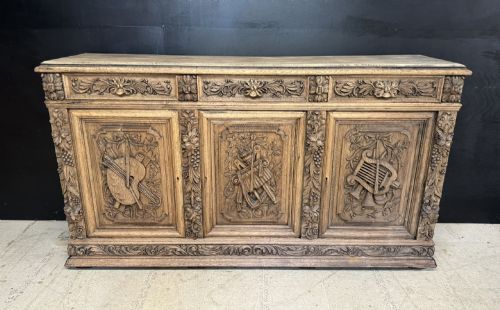
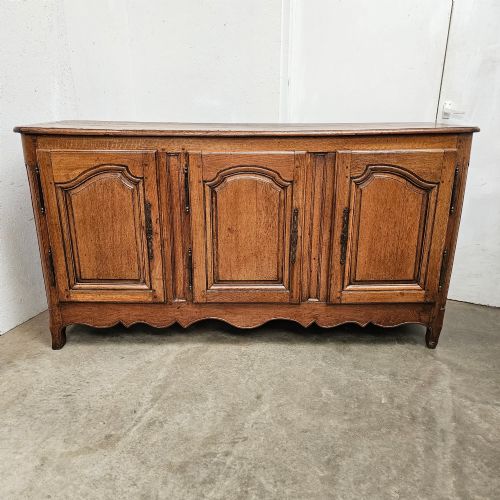
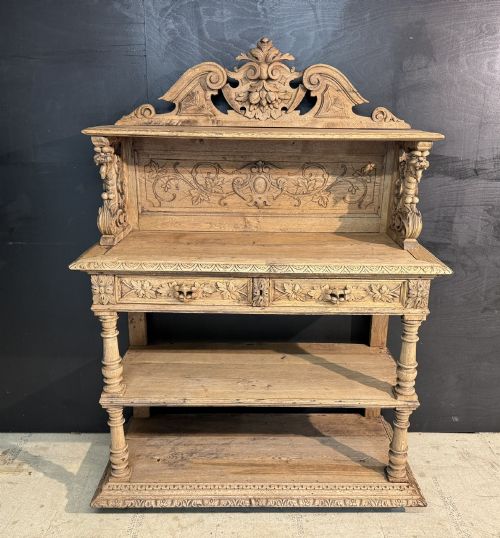
A french carved oak credenza encompasses heavy storage furniture ranging from sideboards and buffets to enfilades and side cabinets. These pieces serve dining rooms and halls, providing deep cupboards for household goods.
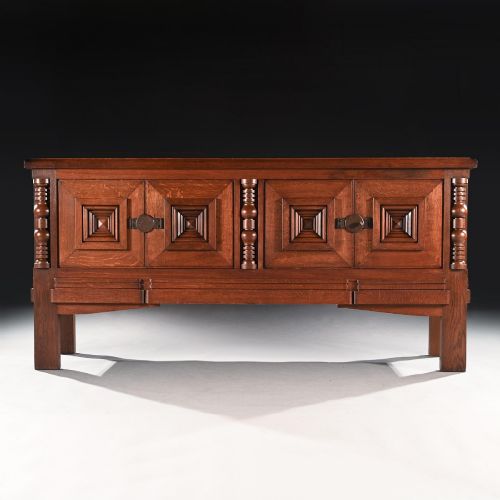
The selections span distinct historical eras, including eighteenth century provincial pieces, nineteenth century renaissance revival examples, and mid twentieth century art deco designs. Buyers frequently encounter nineteenth century items alongside items from the seventeen fifties to nineteen forty.
Regional variations shape these forms, leading to provincial interpretations with chestnut and oak alongside formal revival pieces. Each object reflects the functional storage needs of French domestic interiors across generations.
How they were made
Cabinet makers utilised solid oak, walnut, and chestnut, building sturdy frames designed to endure decades of domestic use. Iron and wrought iron hardware, along with brass fittings, secure doors and drawers.
Carving defines the surfaces, displaying motifs from gothic tracery and renaissance revival patterns to art deco geometry. Marble tops appear on specific twentieth century examples, adding a contrasting stone surface to the timber construction.
The available selection includes styles from Louis XV and French Provincial to Renaissance Revival and Art Deco.
What varies in quality
The depth and crispness of the timber carving separate standard regional work from master cabinet maker production. Sharp relief work on doors and panels requires considerable skill from the carver.
Material selection and structural integrity dictate the grade of a piece, from simple provincial utility cupboards to elaborate architectural buffets. Original marble tops and integrated hardware further distinguish finer examples.
Charles Dudouyt·Krieger of Paris
The French Carved Oak Credenza Glossary
- Enfilade
- A long sideboard featuring three or more doors in a continuous line, designed for grand dining rooms. This form provides expansive surface area and substantial internal shelving.
- Buffet de Corps
- A tall two-tier cupboard featuring an upper cabinet set back upon a deeper base. These large storage pieces often display intricate provincial carving.
- Parquetry
- Geometric wood inlay work arranged in patterns across table and sideboard tops. This decorative technique creates visual texture using contrasting wood grains.
- Renaissance Revival
- A nineteenth century architectural style drawing inspiration from sixteenth century classical motifs. Pieces in this manner show heavy mouldings, columns, and deep relief panels.
- Flamboyant Gothic
- A late medieval design style characterised by flame-like tracery patterns. This aesthetic appears on early cupboards through pointed arches and delicate pierced panels.
French Carved Oak Credenza: Frequently Asked Questions
How do I date a french carved oak credenza?
Dating relies on stylistic clues, construction methods, and the specific historical period indicated by the timber and hardware. Renaissance revival pieces display nineteenth century architectural motifs, whereas eighteenth century examples show hand-carved provincial characteristics.
Examining the interior panels, drawer dovetails, and hinges helps confirm the age. Later twentieth century interpretations incorporate art deco geometry or simple parquetry tops.
Where were these pieces used in the home?
These large storage items traditionally stood in dining rooms, grand halls, and parlours to hold linens, cutlery, and serving dishes. Buffets and enfilades also provided surface space for displaying food and silver during meals.
Today, they function effectively in modern dining spaces, large hallways, or living rooms as statement storage units. Their deep cupboards accommodate contemporary items while maintaining a historic aesthetic.
What is the difference between a buffet and an enfilade?
A buffet generally refers to a standard two or three door side cabinet used for general storage and serving. They appear in various heights and regional French styles.
An enfilade is a much longer sideboard featuring a linear run of three or more doors across the front. This extended form was built for substantial dining rooms in chateaux and large houses.
How do I care for antique oak furniture?
Maintaining antique oak involves keeping the timber away from direct heat sources and extreme humidity fluctuations. Regular dusting with a soft cloth preserves the dry finish of the wood.
Applying a traditional beeswax occasionally nourishes the oak and maintains its natural lustre. Avoid synthetic polishes that can build up and dull the historic surface.