

French Burr Walnut Table
A french burr walnut table brings rich, swirling grain patterns and striking continental presence to any interior.
French Burr Walnut Table
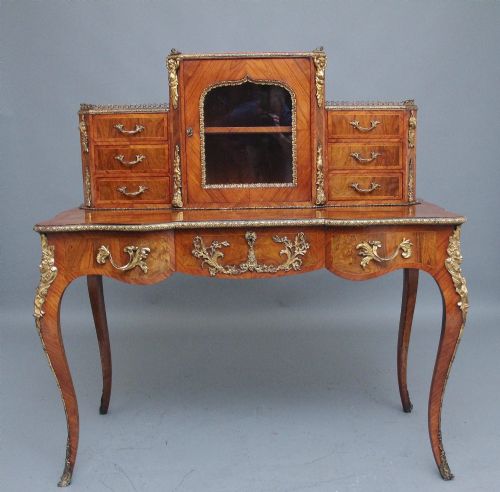
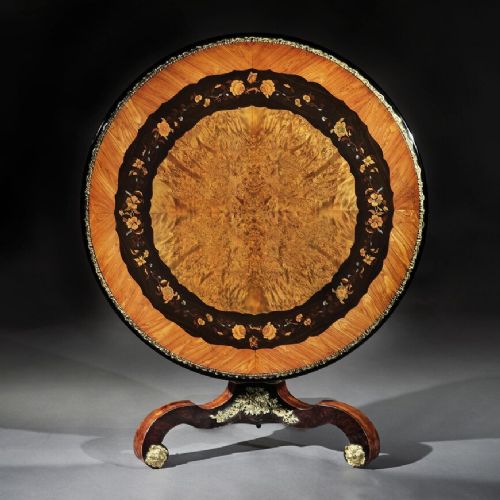
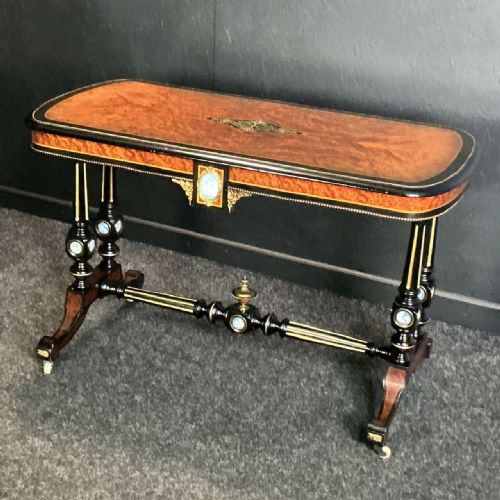
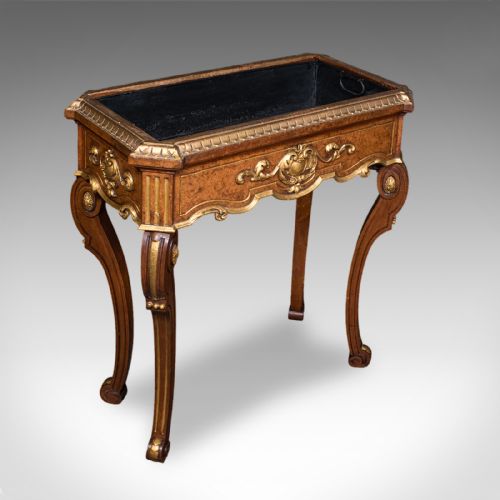
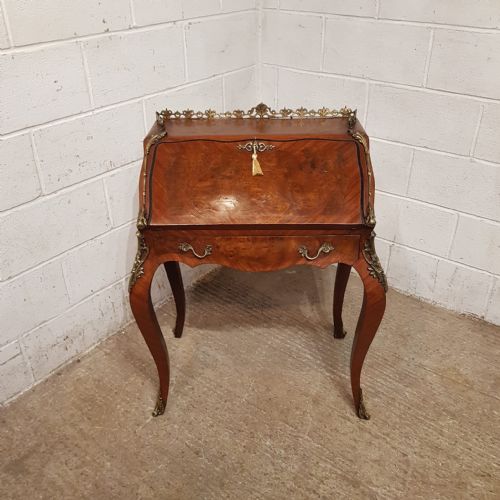
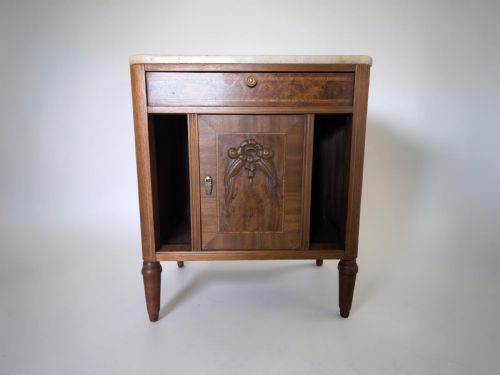
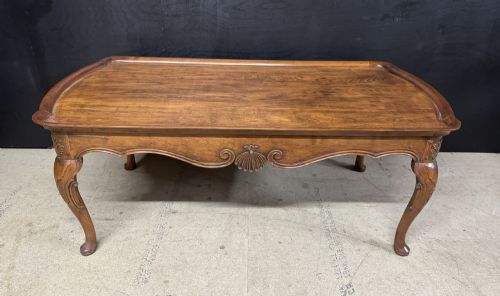
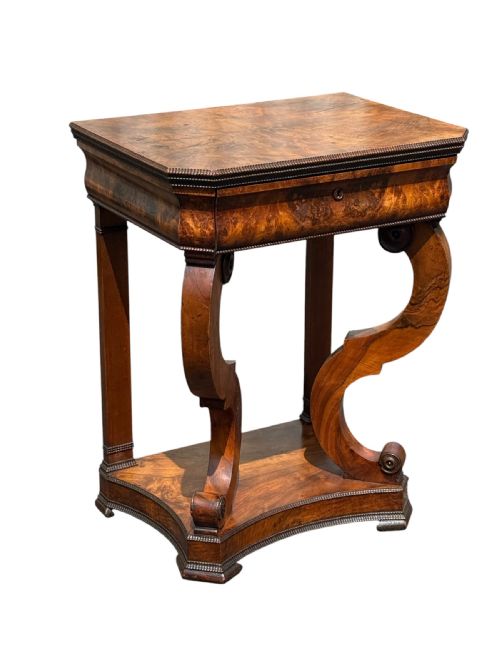
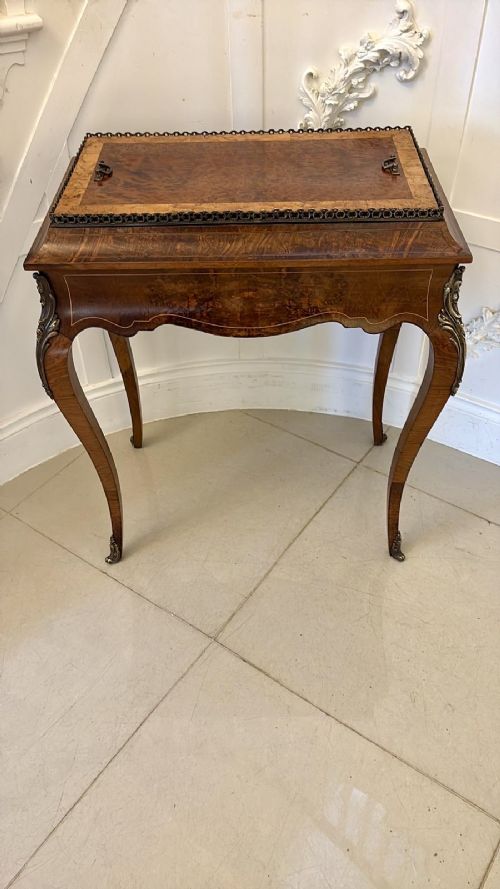
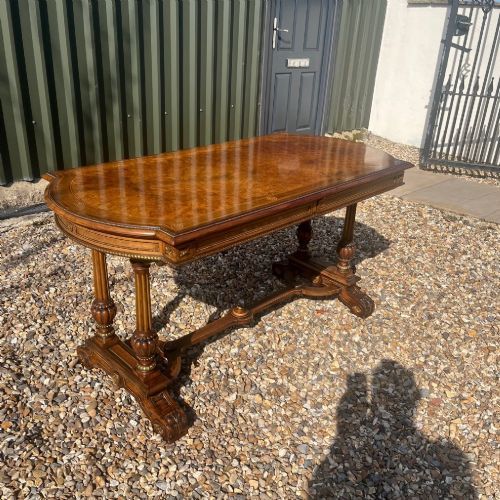
When you search for a french burr walnut table, you encounter an array of sophisticated nineteenth and twentieth century forms designed for display and daily use. Centre tables, writing desks, games tables and compact side tables dominate both the current selections and the historical archive.
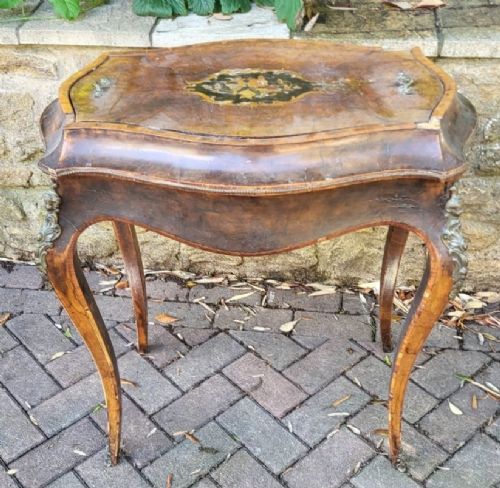
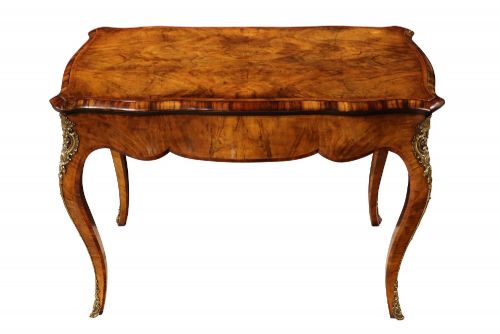
Many examples channel the extravagant aesthetic of Louis XV and Louis XVI revivals, displaying serpentine outlines and expressive cabriole legs. Others date to the Art Deco period, offering streamlined silhouettes that let the patterned timber grain take centre stage.
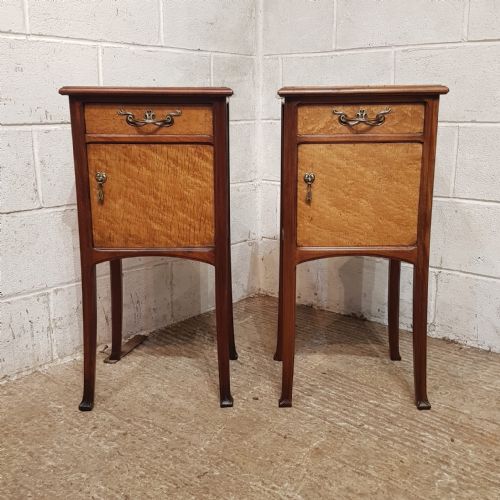
The selection ranges from grand freestanding library pieces intended for the middle of a room to intimate bedside cabinets and nest tables. Continental workshops favoured burr veneers to add texture and movement to functional surfaces.
Materials and Technique
Cabinetmakers selected burr walnut for its highly figured, knotty grain patterns, slicing the wood into thin veneers to lay down intricate parquetry and marquetry geometric or floral designs across table tops. This decorative wood was frequently paired with solid walnut framing and supporting structures.
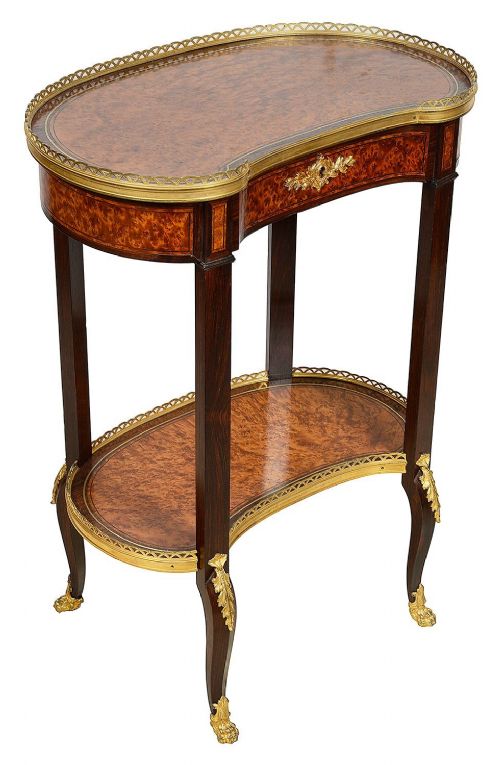
Gilded bronze or cast ormolu mounts accentuate the corners, legs and aprons of nineteenth century pieces, providing crisp metallic contrast to the dark, warm tones of the walnut. Brass stringing and leather writing inserts also appear regularly to finish functional writing surfaces.
Listings feature burr walnut tables spanning the nineteenth and twentieth centuries, encompassing Victorian revivals and Art Deco designs.
Judging the Standard
Quality rests upon the ambition of the veneer work and the crispness of the secondary decoration. Pieces featuring symmetrical, book-matched burr walnut grain across expansive surfaces demand far greater skill from the artisan than plain timber alternatives.
The precision of the cast ormolu mounts and the subtlety of hand-carved details elevate certain examples above standard production. Heavier, more substantial framing and well-executed folding or extending mechanisms also indicate superior workshop origin.
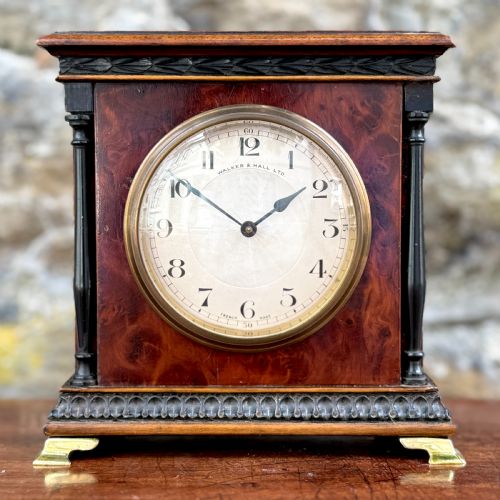
Edward Holmes Baldock·Edward and Roberts·Tehan·Walker and Hall·Paul Michel Roche Bobois
The French Burr Walnut Table Glossary
- Burr walnut
- A prized timber harvested from the growth warts or burls of walnut trees, yielding turbulent, swirling grain patterns full of natural eyes. Cabinetmakers sliced this wood into veneers to ornament prominent furniture surfaces.
- Ormolu
- Gilded bronze mounts cast in relief and applied to furniture corners, feet and aprons. This decorative technique added metallic brightness to nineteenth century revival pieces.
- Marquetry
- The art of applying pieces of veneer to a structure to form decorative patterns or pictures. Craftsmen combined different woods to create elaborate floral or geometric table tops.
- Cabriole leg
- A furniture leg that curves outward and then tapers inward to a foot. This characteristic shape mimics animal limbs and defines much of the Louis XV revival style.
- Bureau plat
- A type of freestanding writing desk featuring a flat top and one or more drawers in the frieze. These tables often incorporate leather inserts and gilt bronze mounts.
French Burr Walnut Table: Frequently Asked Questions
How were centre tables used?
Centre tables stood proudly in the middle of Victorian and continental drawing rooms, serving as display platforms for lamps, clocks and decorative objects rather than working desks.
Their finished backs and freestanding designs allowed them to be viewed from any angle within an expansive interior space.
What is a bureau de dame?
A bureau de dame is a compact ladies writing desk, often equipped with small drawers, pigeonholes and a sloped or flat writing surface.
These pieces were scaled for intimate boudoirs and drawing rooms, combining fine veneers with practical storage for correspondence.
How do I identify Louis XV style?
Louis XV style furniture relies on asymmetrical curves, organic plant motifs and sweeping cabriole legs that avoid straight lines wherever possible.
Nineteenth-century revival pieces embraced these flowing silhouettes with enthusiasm, pairing them with rich burr walnut veneers and ormolu mounts.
Where should I place a side table?
Side tables fit neatly against walls, beside seating arrangements or in hallways where surface space is needed without a heavy visual footprint.
Their varied heights and multi-tiered designs also make them effective as lamp stands or display ledges for smaller antiques.