




French Bronzes on Marble
French bronzes on marble combine cast metal figures and clock cases with stone plinths to bring nineteenth-century continental display into a room.
French Bronzes on Marble
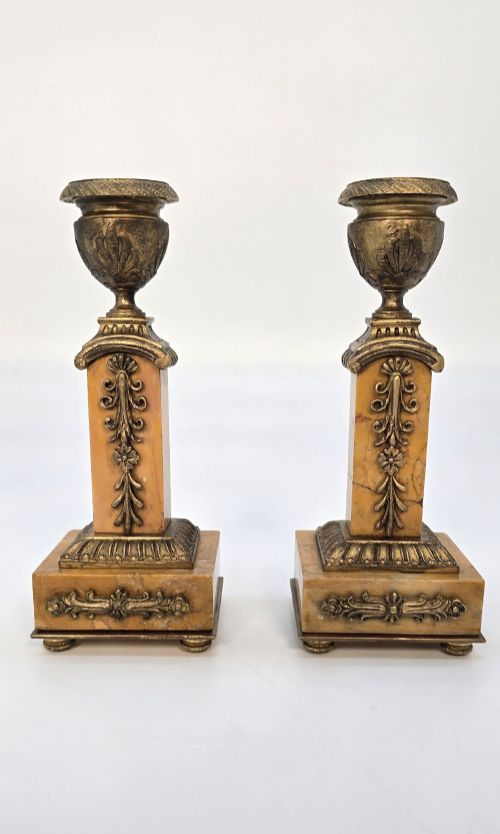
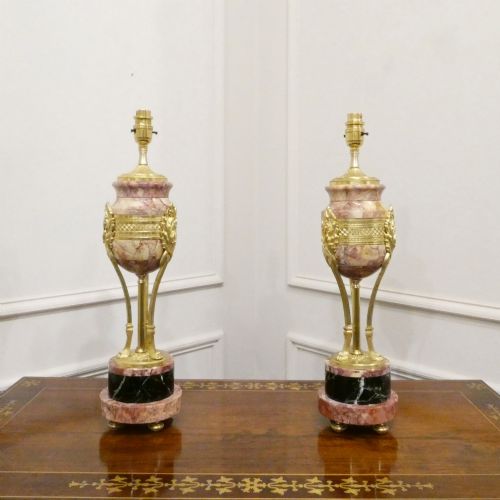
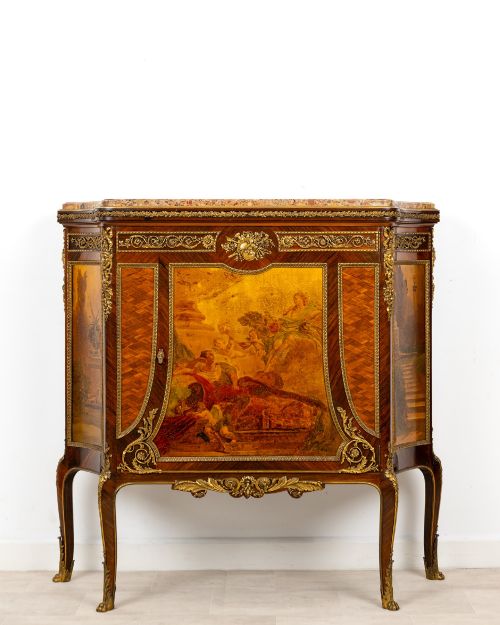
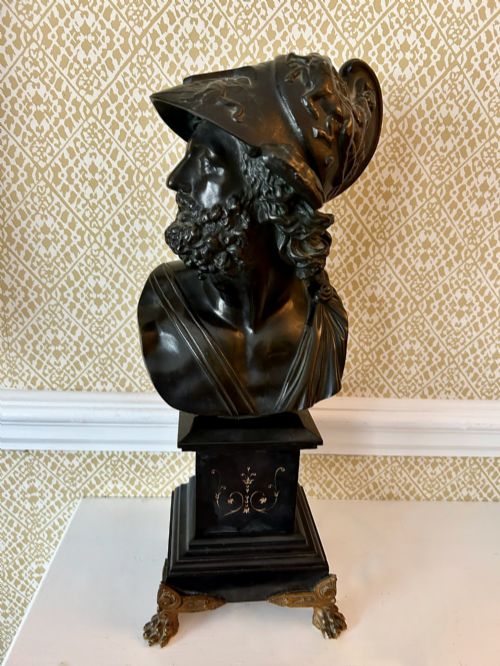
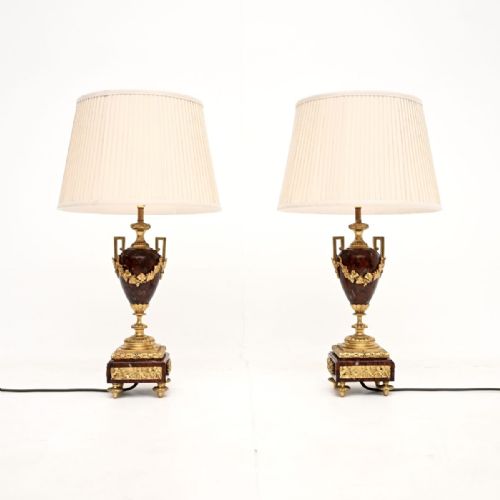
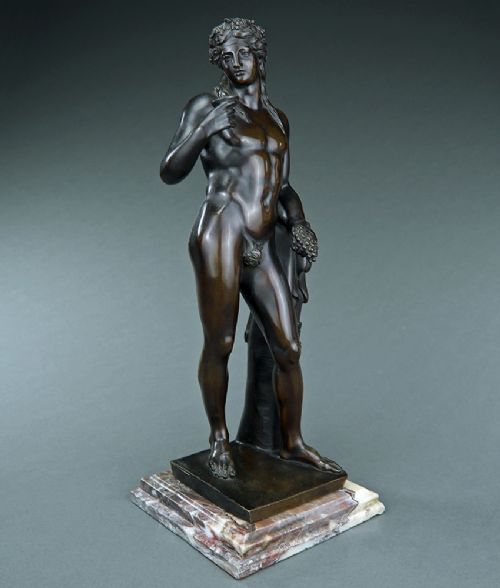
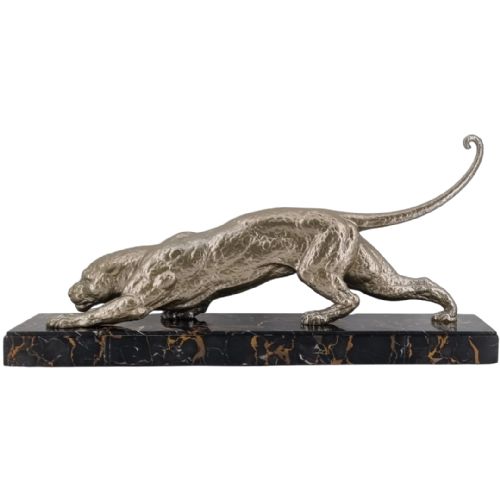
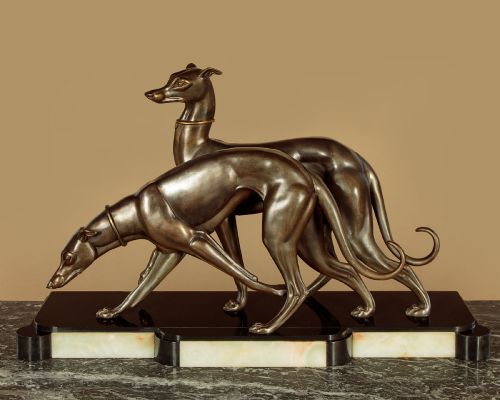
When searching for french bronzes on marble, buyers encounter sculptural works, timepieces, and decorative vessels resting upon stone bases. These pieces span the nineteenth century and early twentieth century, drawing on French Empire, Louis XVI, and Art Deco design vocabularies.
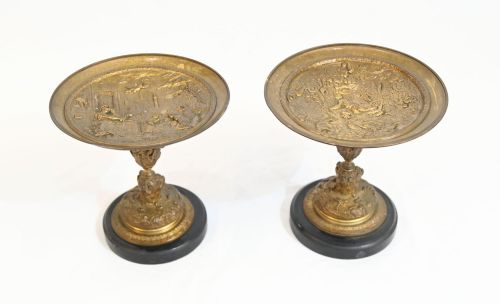
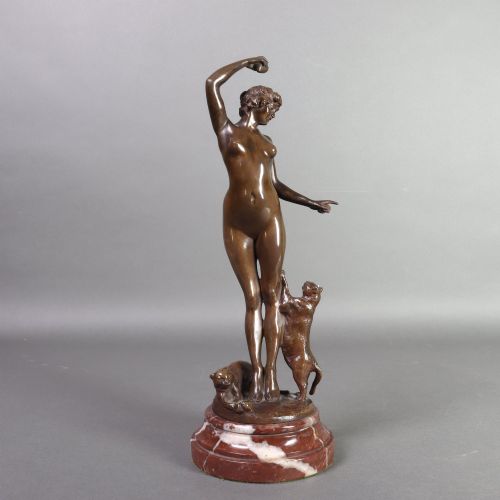
The objects take many functional and decorative forms, including mantel clocks, candlesticks, tazzas, urns, and figurative sculptures. Most examples pair patinated or gilt bronze castings with contrasting coloured marble or onyx plinths.
How they were made
The stone elements employ dense marbles, onyx, and rouge or white varieties, shaped into columns, stepped plinths, and clock housings. Ormolu collars and mounts are then secured to the stone architecture using threaded pins and brass fixings.
Materials span patinated bronze, gilt bronze, ormolu, and various marbles, paired with forms like mantel clocks, tazzas, and sculptures from the nineteenth century.
What varies in quality
The precision of the bronze casting and subsequent hand-chasing dictates the definition in hair, muscle, and ornamentation. Superior pieces retain crisp edges and deep relief work, whereas weaker examples show softened details from worn or secondary moulds.
The selection and treatment of the stone base contribute significantly to the overall presence of the object. High-grade items utilise finely matched, flawless marble or onyx with secure, integrated metal mounts that sit flush against the stone.
Susse Freres·Barbedienne·Jacques Birckle·Maison Millet·Japy Freres·Charles a Orleans·Pierre le Faguays
The French Bronzes on Marble Glossary
- Ormolu
- Gilded bronze produced by applying a mercury and gold amalgam to a bronze object and heating it to drive off the mercury. This technique creates a durable, rich golden surface typical of luxury French decorative arts.
- Tazza
- A shallow saucer-shaped vessel mounted on a stem and foot, often fashioned from bronze and supported by a marble base. They serve as decorative centrepieces or ceremonial dishes.
- Patinated bronze
- Metal that has been treated with chemical solutions to create a controlled surface colour, ranging from deep brown to near black. This finish protects the bronze while defining sculptural contours.
- Gueridon
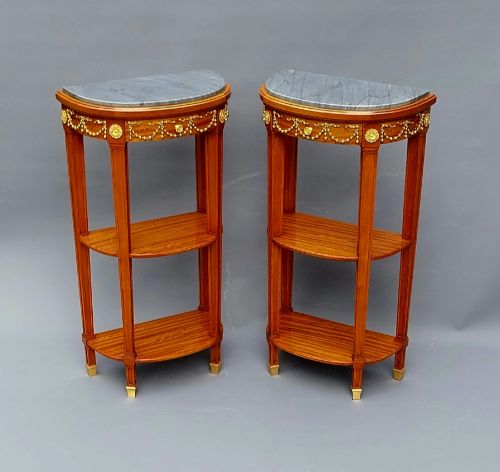
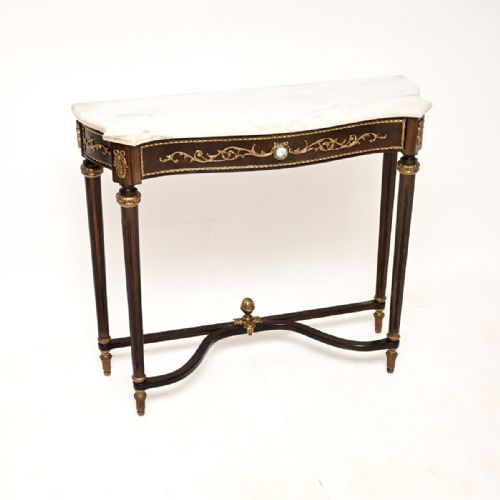
- A small French round table supported by a central pillar or multiple legs, frequently featuring a marble top surrounded by a bronze gallery. These tables function as occasional stands or display surfaces.
French Bronzes on Marble: Frequently Asked Questions
How do I clean the bronze parts?
Dust the metal surfaces gently with a soft, dry brush to prevent accumulation in recessed areas. Avoid abrasive polishes or chemical cleaners that can strip original gilding or patination.
For stubborn grime, consult a professional conservator rather than attempting aggressive cleaning at home. Preserving the original surface finish maintains the historical integrity of the piece.
Are the clock movements original?
Many nineteenth-century mantel clocks retain their original bell-striking or pendulum movements, often bearing maker signatures on the backplates. Some mechanisms undergo professional servicing to ensure reliable daily operation.
Replacement or repaired parts are common in clocks of this age due to normal wear over generations. Inspecting the interior movement helps determine the extent of past restoration work.
How do I care for the marble base?
Wipe the marble plinth using a damp cloth with mild, pH-neutral soap, then dry it immediately with a soft cloth. Acidic liquids like citrus juice or vinegar will etch the stone surface permanently.
Avoid placing these heavy decorative objects near direct heat sources or in areas of high humidity. Stable indoor environments prevent hairline fractures in both the stone and the adhesive joints.
How do I date these pieces?
Stylistic cues such as Neoclassical motifs or Art Deco silhouettes provide a broad chronological framework for the manufacture date. Foundational foundry marks, signatures etched into the bronze, and clockmaker stamps offer more precise attribution.
Construction methods, including the type of screws and the density of the marble, also help narrow down the period of production. Comparing design details with documented pieces from known Parisian workshops clarifies the timeline.