
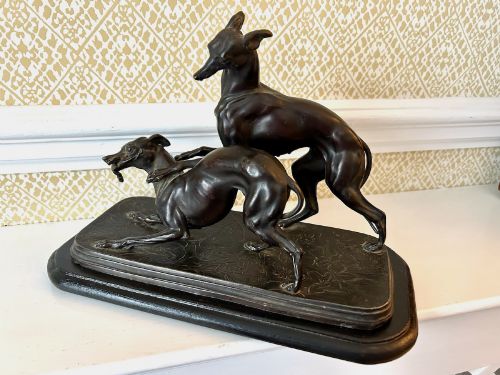
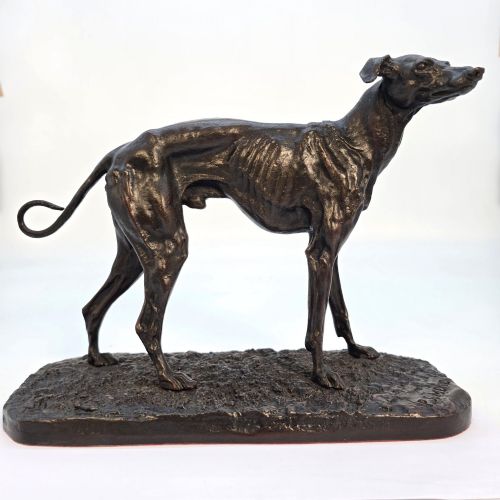
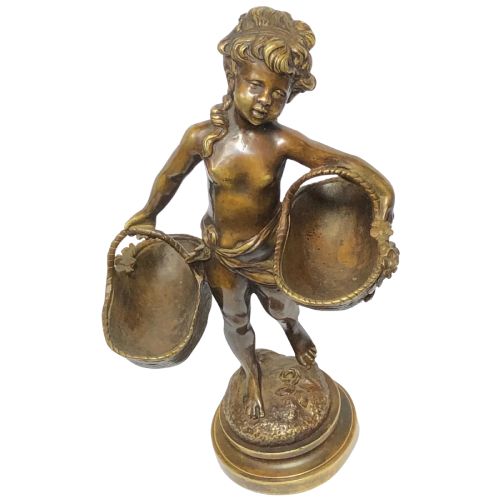
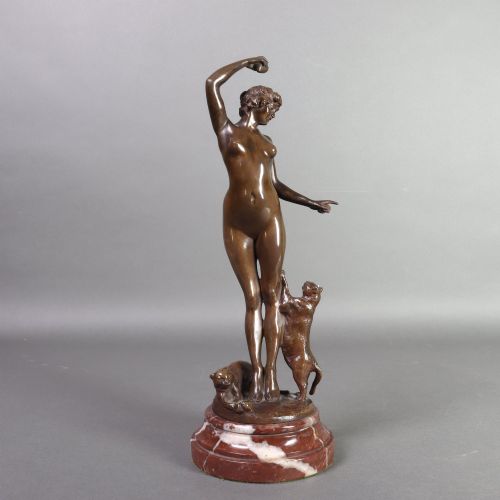


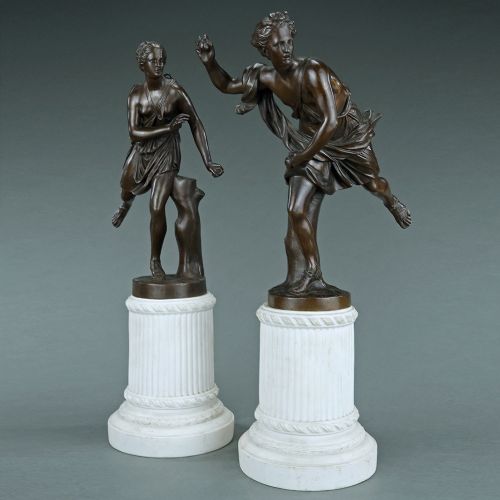
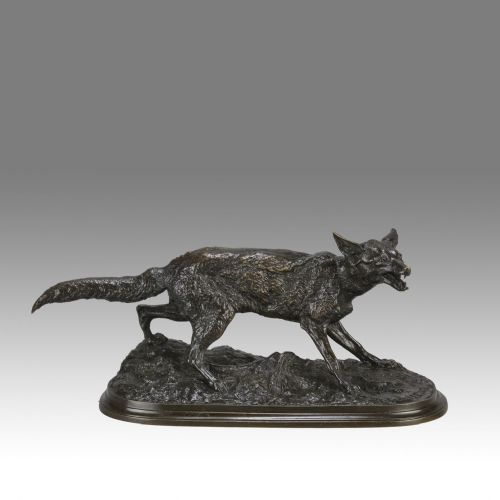
French Bronzed Figurine
When you handle a french bronzed figurine, you are dealing with cast metal sculpture that brings classical grace or animalier energy to any interior.
French Bronzed Figurine
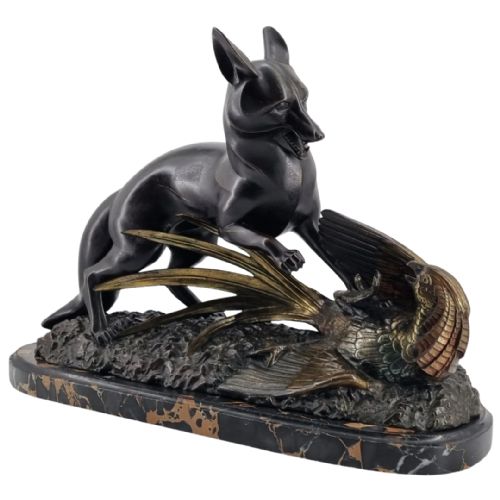
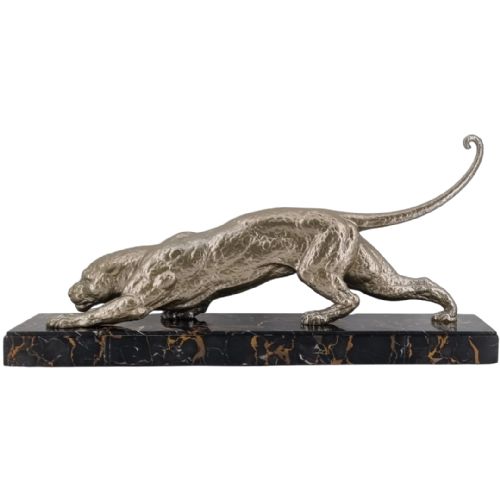
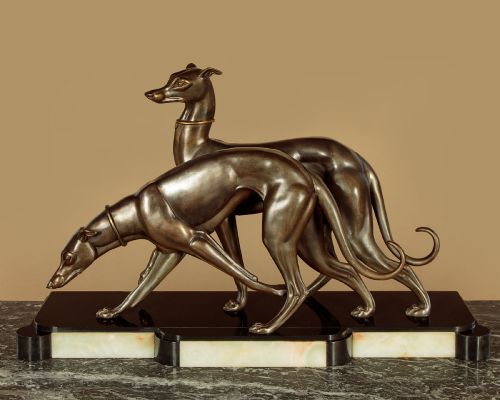
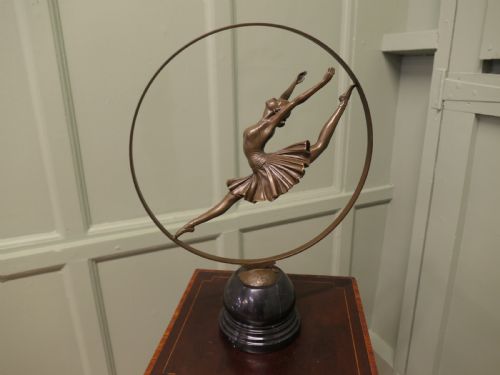
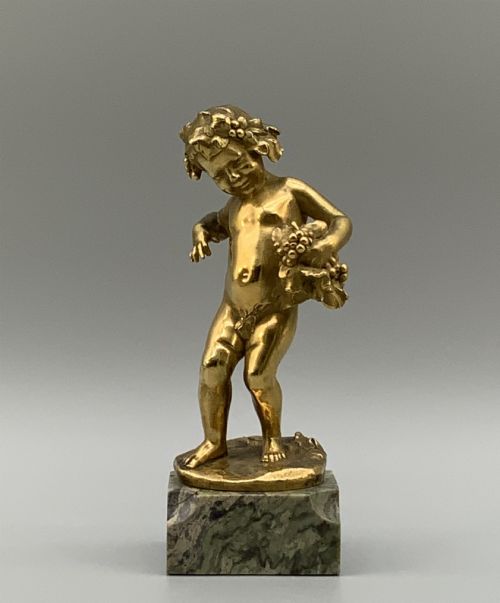
A french bronzed figurine encompasses a diverse array of sculptural forms, spanning mythological figures, dancers, animals, and putti produced across the nineteenth and twentieth centuries. These pieces function as decorative table sculptures, mantel centrepieces, and occasional table lamps.
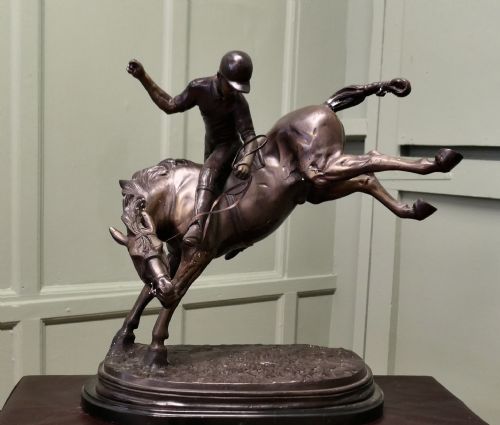
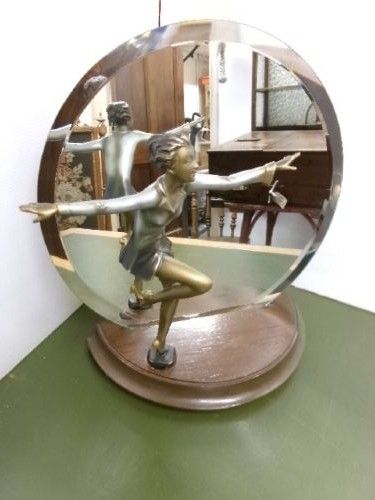
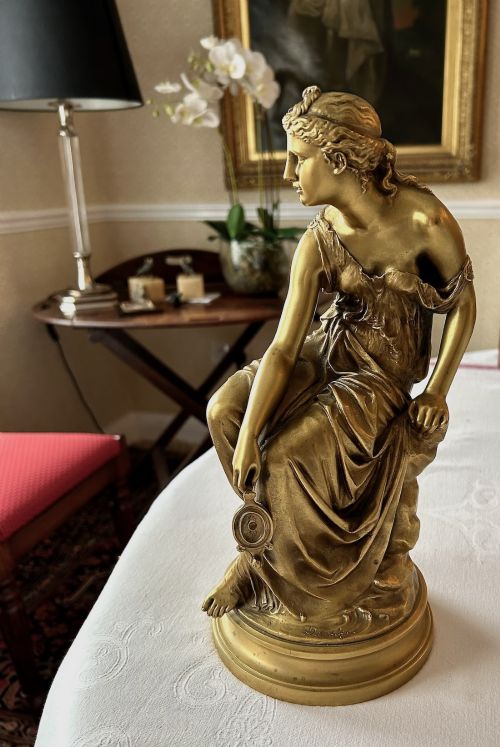
The versions most commonly met on this page include nineteenth-century animalier studies of hounds and horses, classical maidens, and Art Deco dancers. They frequently incorporate marble bases or plinths to elevate the composition.
Originating predominantly from French foundries and studios, these figures capture the aesthetic shifts from neoclassical revival and rococo revivals through to Art Nouveau and Art Deco styling.
Distinctions in quality and execution
Quality reveals itself in the crispness of the chasing and the subtlety of the surface patination, where finer examples retain sharp facial expressions and feathered or fur textures without softening. The depth and weight of the metal casting distinguish superior studio output from standard commercial production.
The integration between the sculpture and its marble or wooden base also indicates grade, with well-fitted mounts and signed foundry markings or artist signatures pointing to higher echelon workshop practice.
Listings feature periods spanning from the mid-nineteenth century through the Art Deco era of the 1930s and 1940s.
Etienne-Henri Dumaige·Susse Frères·Barbedienne·P J Mêne·Pierre le Faguays·Alexandre Ouline·Mathurin Moreau·Antoine Louis Barye·Alfred Dubucand·Demetre Chiparus
The French Bronzed Figurine Glossary
- Animalier
- A nineteenth-century artistic movement and style focused on the realistic depiction of animals, particularly horses, dogs, and wild beasts. Practitioners captured creatures in motion or repose with anatomical precision.
- Spelter
- An alloy of zinc and lead or copper, frequently utilised as a cost-effective alternative to bronze. It readily accepts metallic paints and bronze-effect finishes.
- Ormolu
- Gilded bronze, produced by applying a finely ground high-carat gold-mercury amalgam to a bronze object. The piece was then fired to drive off the mercury, leaving a rich golden layer.
- Patination
- The chemical or natural surface treatment applied to metal to alter its colour and texture. This process creates aged tones ranging from deep browns to verdigris.
- Chasing
- The manual finishing process where a metalworker refines a raw casting with chisels and hammers. This technique restores lost detail and smooths out surface imperfections.
French Bronzed Figurine: Frequently Asked Questions
What is the difference between bronze and spelter?
Bronze is a durable alloy primarily composed of copper and tin, prized for its strength and ability to hold fine casting detail. Spelter is a softer, lighter zinc alloy that was widely utilised for affordable decorative figures.
Lifting the piece often reveals the weight difference immediately, while inspecting the underside can expose the greyish metal colour of spelter beneath chipped finish.
How should I display these figures at home?
Position sculptures away from direct sunlight and excessive humidity to protect delicate patinas and marble bases. Stable console tables, mantelpieces, and glass-fronted cabinets provide safe environments for display.
Ensure the furniture surface is level, particularly when exhibiting heavier marble-based bronzes, to prevent accidental toppling.
How can I identify the period of a figure?
Examine the stylistic cues, such as the streamlined geometry of Art Deco or the flowing botanical lines of Art Nouveau. Maker signatures, foundry stamps, and the type of base material offer further chronological clues.
Clothing styles and subject matter also align with nineteenth-century romanticism or twentieth-century modernist movements.