

French Bronze Study
A french bronze study captures the motion of animals and human figures through the meticulous skill of nineteenth-century founders.
French Bronze Study
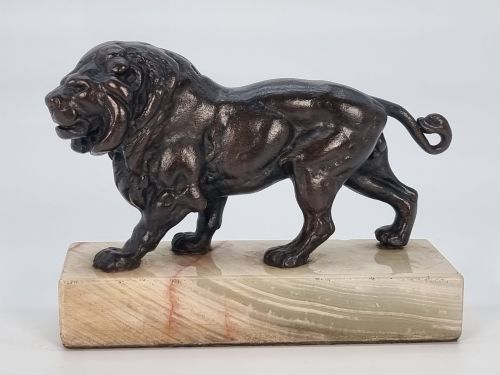
A French bronze study typically represents an animal, a historical figure, a mythological subject, or an allegorical form modelled during the nineteenth or early twentieth century. Buyers seeking this phrase encounter detailed metal sculptures cast by named artists and established foundries, frequently mounted on marble or onyx plinths.
The subjects range from Animalier dogs and big cats to human figures including Napoleonic soldiers, classical figures, and literary personages. These works emerge from French sculptural traditions encompassing Animalier realism, Art Nouveau curves, and Grand Tour classical revivals.
How they were made
Foundries utilised the lost-wax method or sand casting to achieve intricate detail in bronze and gilt bronze, often finishing the metal with rich patination. Many pieces combine cast bronze with applied ormolu mounts and natural stone bases such as giallo di siena marble or onyx.
Sculptors worked alongside professional founders to translate clay or wax models into durable metal, applying hand-chasing to refine feathers, fur, and facial expressions after casting.
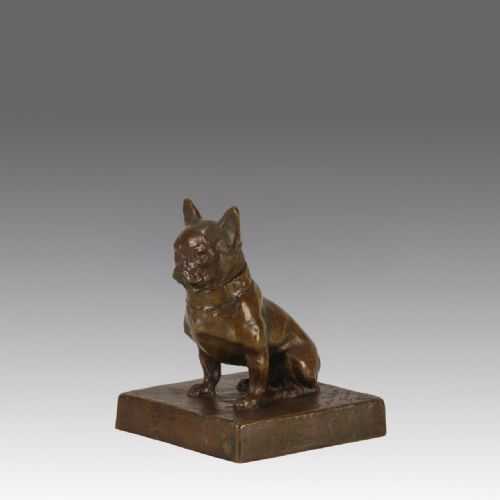
Listings feature nineteen-century French bronze studies cast in animalier, classical, and Art Nouveau styles.
What varies in quality
Quality rests on the sharpness of the casting and the sensitivity of the hand-chasing, which separates dynamic, crisply defined musculature from softer, indistinct surfaces. Superior examples retain original patination and bear the signature of recognised sculptors or foundry stamps.
The integration of the sculpture with its base, whether a bespoke marble plinth or an ormolu-mounted support, contributes to the overall success of the piece.
Dora Heber·François Linke·Alfred Dubucand·Hector Lemaire·Jean Jules Salmson·Louis Riche·Lucien Madrassi·Pierre Jules Mène·Emmanuel Villanis·Ferdinand Barbedienne·Antoine Bofill·Christophe Fratin
The French Bronze Study Glossary
- Animalier
- A nineteenth-century artistic movement focusing on the realistic depiction of animals, particularly in motion. Sculptors in this tradition studied anatomy closely.
- Patination
- The chemical treatment or natural weathering applied to the surface of bronze to create colour and depth. A well-preserved patina enhances the sculptural contours.
- Ormolu
- Gilt bronze mounted onto furniture or used as decorative trim. The technique involves applying finely ground gold mercury amalgam to bronze.
- Grand Tour
- A traditional trip through Europe undertaken by upper-class scholars and collectors. Souvenirs included small bronze studies after antique sculptures.
- Foundry
- A workshop where metal is melted and poured into moulds. Famous founders cast works for leading sculptors of the period.
French Bronze Study: Frequently Asked Questions
What is an Animalier bronze study?
An Animalier bronze study depicts animals in realistic poses, capturing the tension of predators or the quiet stance of domestic creatures. These pieces reflect a nineteenth-century scientific interest in animal anatomy.
Artists observed subjects directly in menageries and countryside settings, translating muscle and movement into cast metal.
How do I identify Grand Tour bronzes?
Grand Tour bronzes are small-scale souvenir sculptures modeled after classical antiquities encountered during European travels. They often rest on coloured marble plinths.
These pieces served as academic keepsakes for collectors studying classical sculpture and mythology.
Where should I display these sculptures?
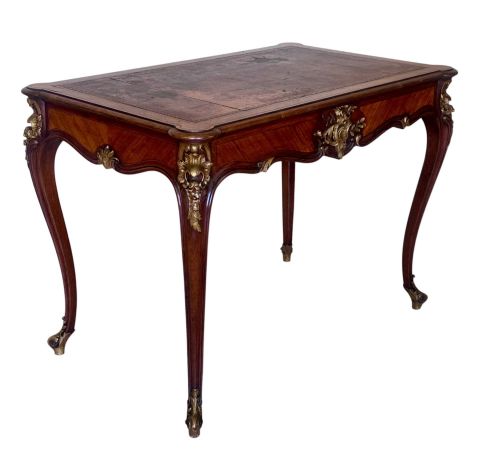
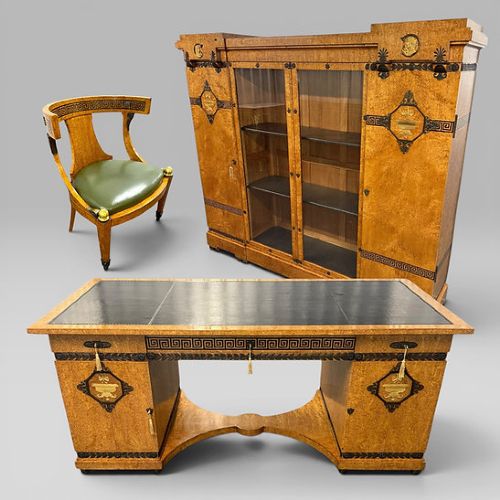
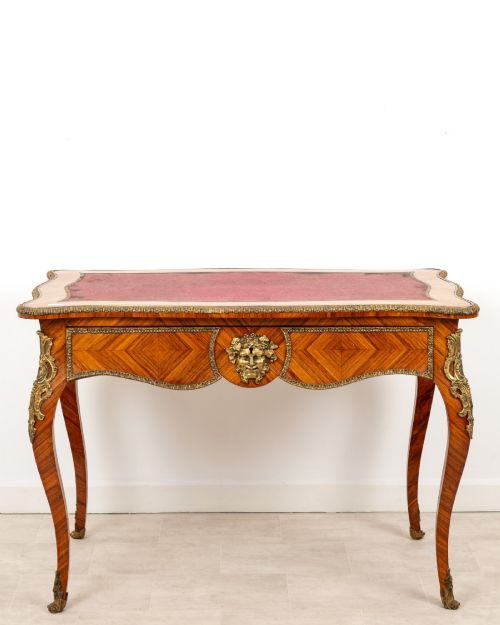
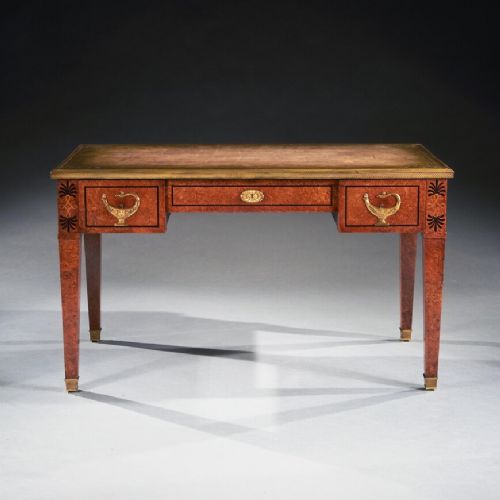
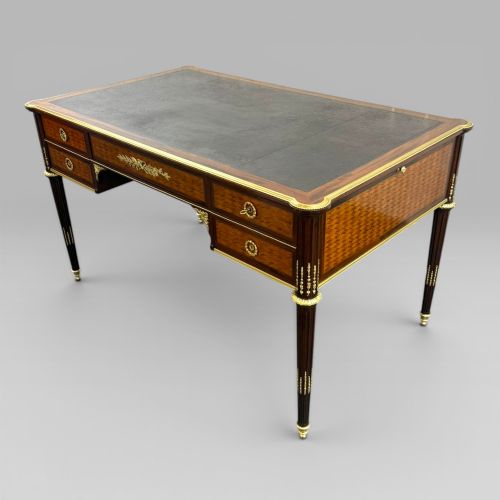
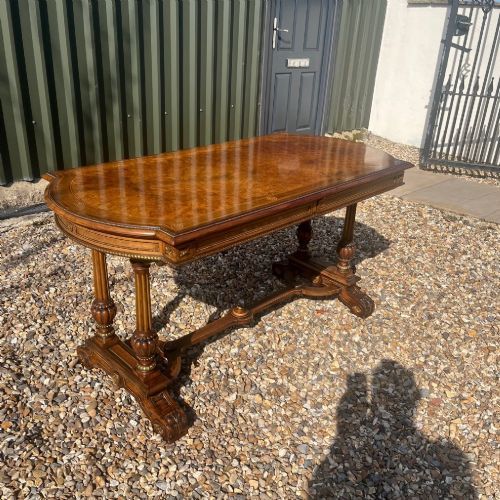
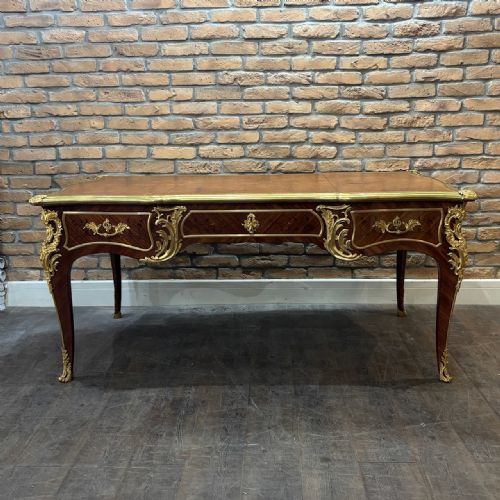
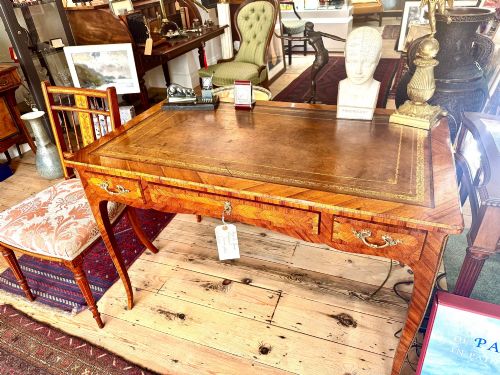
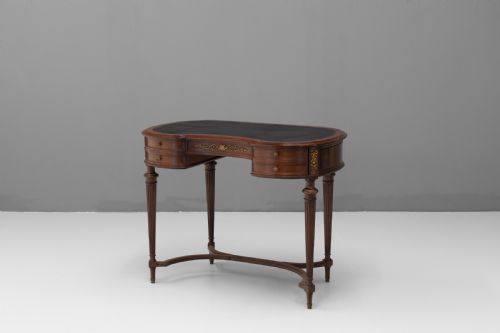
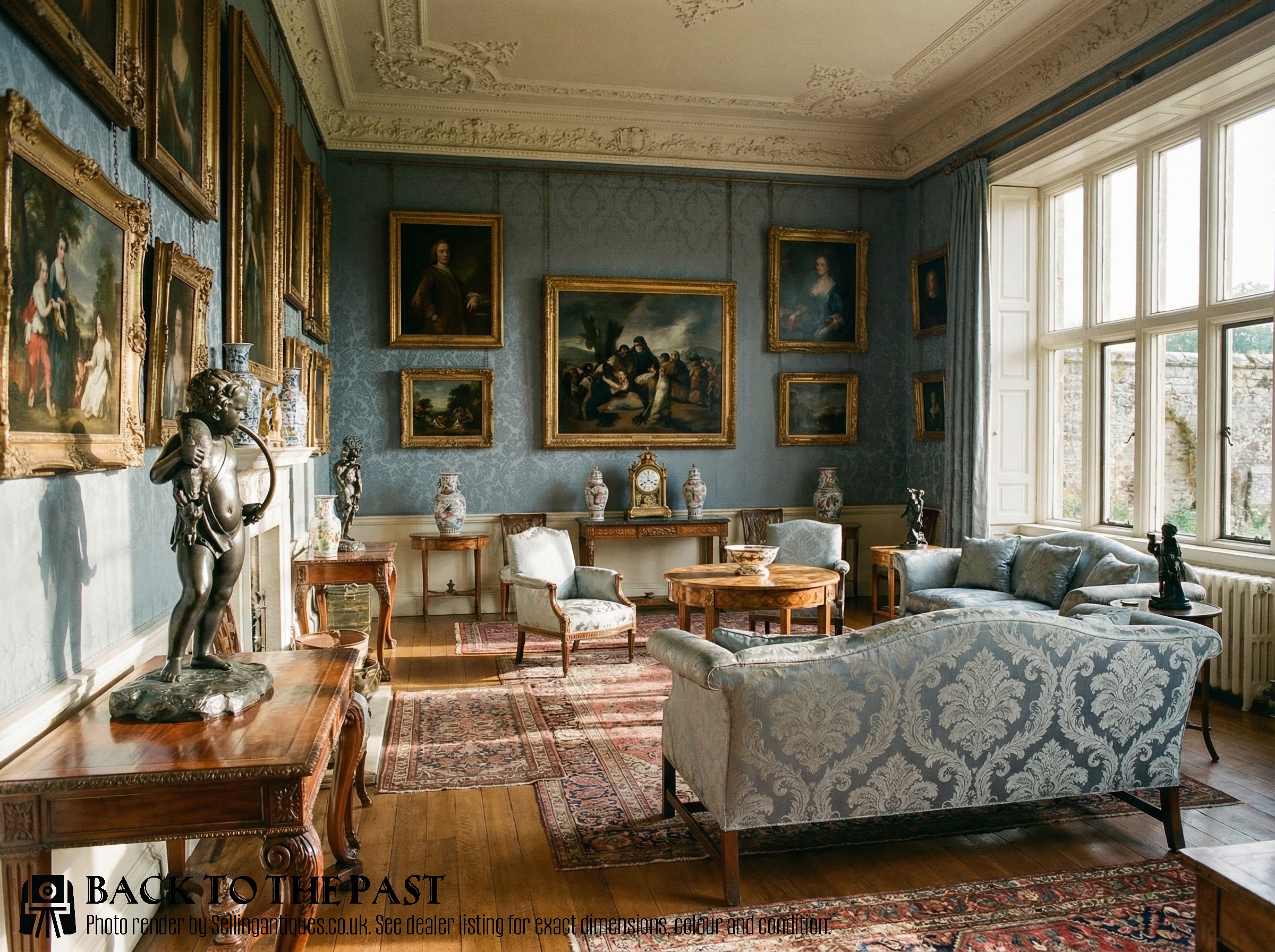
These sculptures suit placement on desks, writing tables, and an assortment of wooden surfaces paired with period furniture. They require stable placement away from direct moisture.
Allowing adequate clearance around the base lets the patination and detail be viewed clearly from multiple angles.
How do I care for bronze patination?
Bronze surfaces require only gentle dusting with a soft, dry cloth to remove surface particles. Avoid abrasive cleaners and liquid polishes that strip the original patina.
Applying a microcrystalline wax periodically helps protect the metal finish from environmental humidity.