






French Bronze Mirror
These pieces of French bronze mirror bring heavy metal frames and polished glass together, offering an ornate focal point for any room.
French Bronze Mirror
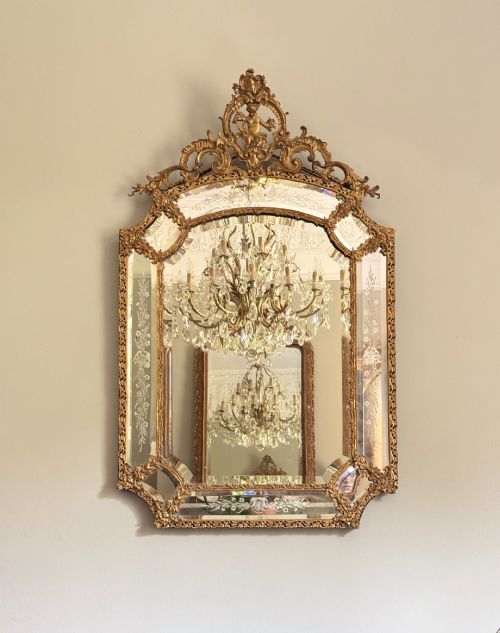
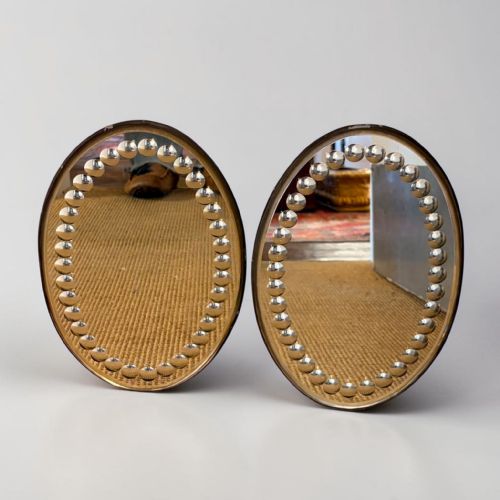
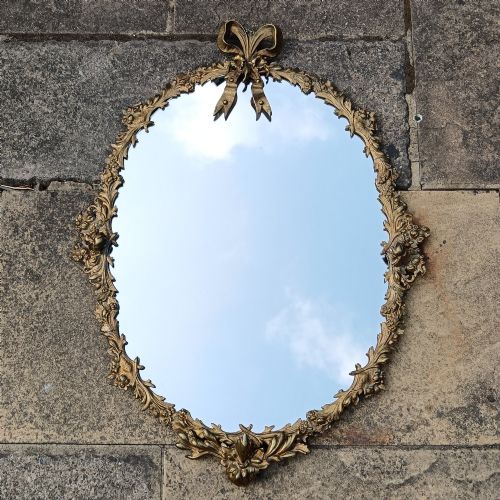
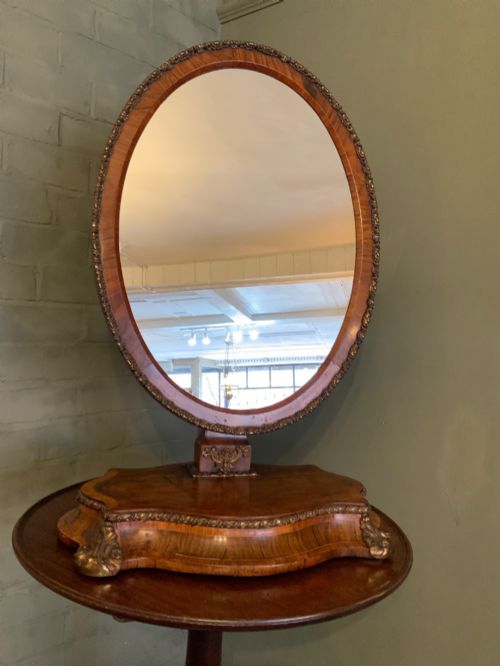
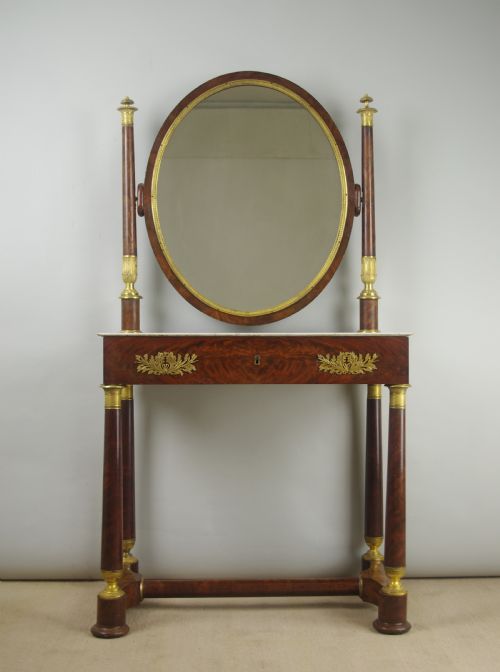
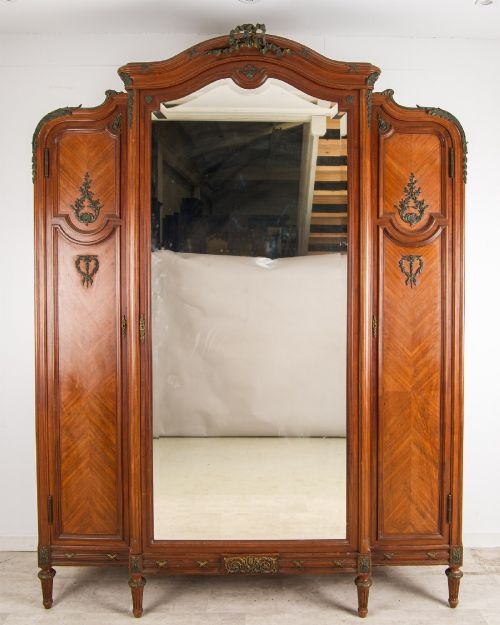
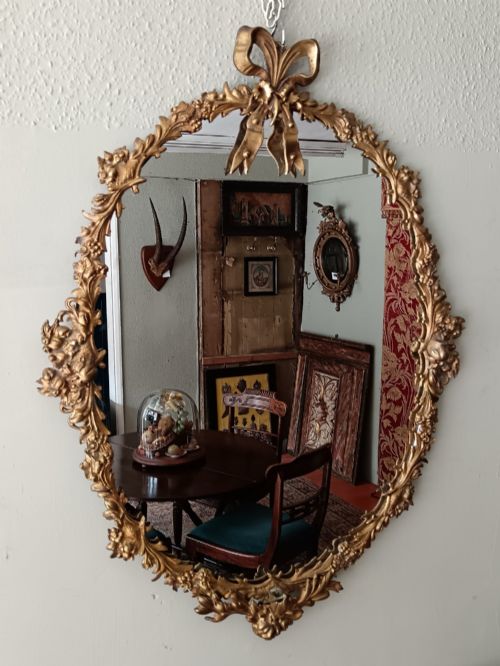
A french bronze mirror takes several distinct forms across the selection, appearing most frequently as wall mirrors, table mirrors, and dressing tables. These objects draw on styles such as French Empire, Rococo Revival, and Louis XVI Revival, spanning periods from the mid-nineteenth century into the early twentieth century.
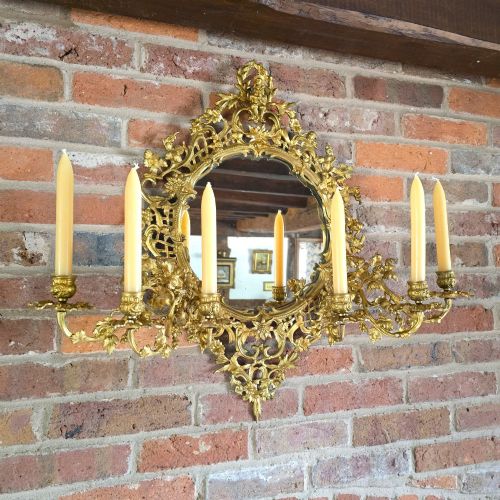
Beyond standalone hanging and table versions, the forms extend to cheval mirrors, wall sconces, and hand mirrors. The material palette frequently incorporates bronze alongside ormolu, glass, marble, and mahogany, linking the looking glass directly to broader decorative furniture like console tables and display cabinets.
How They Were Made
The construction relies heavily on cast bronze and ormolu mounts, which are applied to wooden frames of mahogany, walnut, or kingwood. Artisans shaped the metal through casting and chasing before applying mercury gilding or modern electroplating to create the characteristic golden finish.
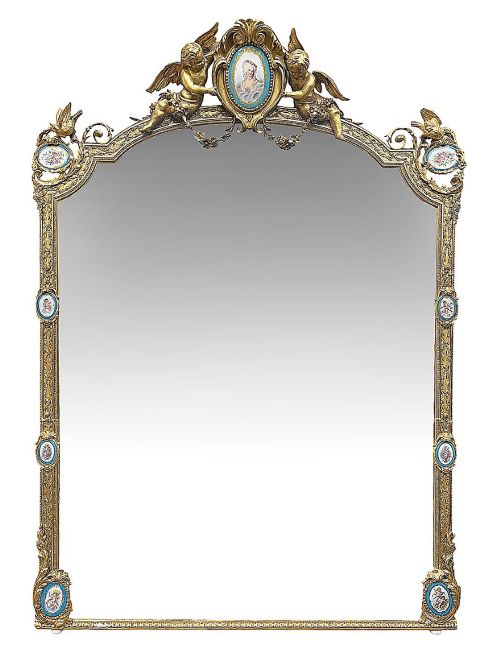
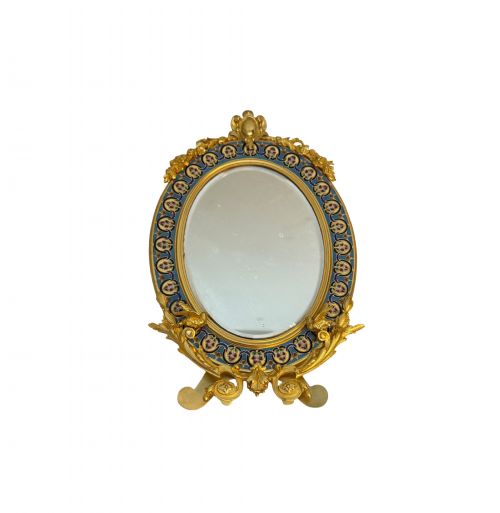
Additional decorative elements include inset Sevres porcelain plaques, Limoges enamel panels, and champleve enamel work set directly into the metal frame. The mirror glass itself is typically bevelled and set securely within heavy structural surrounds designed to support the weight of the metal components.
French Bronze Mirror Retail Price Guide 2026
Typical asking prices for french bronze mirror among the pieces listed under this phrase on Sellingantiques today, from the lower quarter to the upper quarter. They describe what is for sale here now, not the wider market.
Listings feature periods from the 19th Century and 1900, alongside materials like Gilt Bronze, Ormolu, Mahogany, and Marble.
What Varies in Quality
The crispness of the bronze casting and the depth of the chasing separate standard production pieces from finer examples. Superior specimens display sharp relief in foliage, scrolls, and figural mounts, whereas lesser pieces show soft edges and simpler surface finishing.
The integration of secondary materials dictates overall standard, particularly the quality of the porcelain plaques, enamel work, and the clarity of the original mirror glass. Intricate additions like integrated candelabra branches or champleve enamel panels elevate the complexity of the piece.
G. Durand·Joseph Meissonnier·Demetre Chiparus·F.Bienvue
The French Bronze Mirror Glossary
- Ormolu
- Gilt bronze, created by applying a mixture of gold and mercury to a bronze base and firing it. This technique produces a durable golden surface seen on many period frames.
- Champleve
- An enamelling technique where troughs are dug into the bronze surface and filled with coloured glass powder before firing. The metal divisions remain visible between the enamel colours.
- Cheval mirror
- A full-length plate glass mirror suspended on a vertical swivelling frame between two upright pillars. These large standing pieces often incorporate heavy bronze mounts and wooden bases.
- Girandole
- A branched wall sconce or candlestick holder fitted with a reflective backplate. The mirror glass behind the candles helps amplify the candlelight in a room.
French Bronze Mirror: Frequently Asked Questions
How do I hang a heavy bronze mirror safely?
These heavy metal and glass pieces require direct fixing into structural wall studs or solid masonry using rated wall anchors. The weight demands professional installation to ensure the mounting brackets take the full load securely.
Position the glass at eye level to reflect natural light through the room, keeping the frame away from damp areas that might affect the bronze or silver backing of the glass.
How should I clean the bronze frame?
Dust the surface regularly with a soft, dry cloth to prevent dirt accumulation in the recessed areas of the casting. Avoid abrasive cleaners and commercial metal polishes that can strip the original ormolu or gilding.
Treat the glass with standard glass cleaner applied to a cloth rather than sprayed directly onto the surface, preventing liquid from seeping behind the frame and damaging the metal or backing.
How can I tell the period of a mirror?
Examine the casting style, fastening screws, and the back of the glass plate for signs of age. Nineteenth-century examples often feature hand-cut brass screws, heavy sand-cast bronze frames, and slightly uneven mirror glass with minor foxing.
Compare the decorative motifs against known periods, noting the straight lines of Empire style versus the asymmetric scrolls of Rococo Revival or the geometric shapes of Art Deco.
What is the difference between table and wall mirrors?
Table mirrors usually feature an easel back or a dedicated pedestal stand designed for placement on dressing tables, credenzas, or commodes. They are generally smaller in scale to allow close-up use.
Wall mirrors include hanging hardware affixed directly to the wooden or bronze chassis, intended for permanent mounting at fixed heights above console tables or mantelpieces.